The Everything Factory vs Pet Simulator 99 (2026) -- Which Roblox Game Is Better?
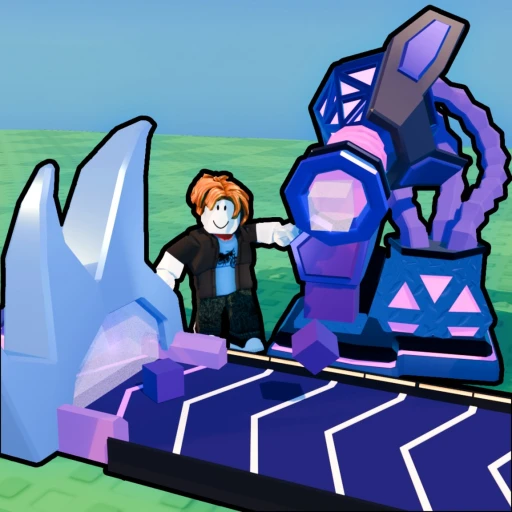
Short answer: The Everything Factory is the better pick if you want a relaxed industrial tycoon where your conveyor belt prints money even while you sleep. Pet Simulator 99 is the better pick if you want a massive collection game with thousands of pets, constant events, and a deeply layered progression system. Both scratch different itches -- one rewards patience and optimization, the other rewards grinding and completionism.
The Everything Factory and Pet Simulator 99 sit in different corners of the Roblox simulator landscape, yet they compete for the same audience: players who enjoy watching numbers climb, unlocking new tiers of content, and building something bigger every session. The Everything Factory, built by Ghosdeeri Digital, drops you in front of a moving conveyor belt loaded with ores and rare items, challenging you to build the most efficient production line possible. Pet Simulator 99, developed by Big Games, hands you an egg and says "hatch everything" -- then buries you under 2,000+ collectible pets spread across dozens of sprawling areas.
Both games are free to play. Both offer idle progression mechanics. Both will happily consume dozens of hours of your time. But the core gameplay loops, monetization strategies, and long-term progression arcs are meaningfully different. This comparison breaks down every important factor so you can decide which one deserves your screen time in 2026.
Table of Contents
Quick Stats: The Everything Factory vs Pet Simulator 99 at a Glance
| Category | The Everything Factory | Pet Simulator 99 |
|---|---|---|
| Roblox Place ID | 96033111684913 | 17218089671 |
| Developer | Ghosdeeri Digital | Big Games |
| Genre | Tycoon / Factory Builder | Simulator / Collecting |
| All-Time Visits | Growing (newer release) | 2.3 billion+ |
| Concurrent Players | ~2,000+ | ~43,000+ |
| Player Rating | 87% | 85%+ |
| Core Loop | Conveyor → collect → upgrade → rebirth | Hatch eggs → collect pets → unlock areas |
| Offline Earnings | Yes, factory runs while offline | Limited offline functionality |
| Pets to Collect | N/A (item-focused) | 2,000+ |
| Rebirth System | Yes, retain top items + stat boosts | Yes, through area resets |
| Monetization | Lighter game passes | Multiple game passes (VIP, Autofarm, etc.) |
| Pay-to-Win? | Minimal advantage | Meaningful pass advantages |
| Mobile Friendly | Yes | Yes |
| Platform Support | PC, Mobile, Console | PC, Mobile, Console |
Gameplay and Core Loop
The Everything Factory
The Everything Factory plants you in front of a conveyor belt that constantly rolls valuable ores and items past your station. Your job is deceptively simple at first: grab the good stuff off the belt, sell what you do not need, and invest your earnings into expanding your factory infrastructure. The conveyor never stops, and the items it produces get progressively rarer and more valuable as you upgrade your equipment.
Factory building is the central hook. You place machines, upgrade production lines, and optimize the flow of materials through your facility. The Auto Build button streamlines the early game, letting you scaffold a basic setup without manually placing every component. But the real depth comes from choosing which upgrades to prioritize, when to rebirth for permanent stat boosts, and how to maximize the value of rare drops that appear on your belt.
The pacing is deliberately relaxed. There are no enemies to fight, no timers pressuring you to act fast, and no competitive leaderboards pushing you to outgrind other players. The Everything Factory is a game about optimization and patience -- figuring out the most efficient path from a bare conveyor to a sprawling industrial empire. Sessions can last five minutes or five hours depending on your mood, and the game respects both playstyles equally.
Pet Simulator 99
Pet Simulator 99 takes a different approach entirely. You start with a basic egg, hatch your first pet, and use that pet to break obstacles scattered around the starting area. Breaking obstacles drops coins. Coins buy better eggs. Better eggs hatch stronger pets. Stronger pets break tougher obstacles faster. The loop feeds itself with remarkable efficiency, and before you know it, you have a swarm of pets following you around, each one contributing damage to whatever obstacle you are targeting.
The game currently features over 2,000 unique pets spread across dozens of areas that unlock progressively as you accumulate enough currency. Each area introduces new egg types, new obstacle tiers, and new environmental themes. The sheer volume of content is staggering -- Big Games has spent years layering updates on top of each other, and the result is a game that always has something new sitting just beyond your current progress point.
Pets have individual stats, rarities, and mutations that affect their damage output and value. The collection aspect is where PS99 sinks its hooks deepest. Hunting for specific rare pets, trying to hatch a "huge" variant, or completing your collection for a particular area provides motivation that persists well beyond the initial gameplay loop. Trading pets with other players adds another dimension entirely, turning the game into a living marketplace where rare pets function as a de facto currency.
Edge: The Everything Factory for a calmer, more focused building experience. Edge: Pet Simulator 99 for sheer volume of content and the dopamine hit of rare hatches.
Progression Systems
Progression is where these two games reveal their true identities, and it is the area where your personal preferences will matter most.
The Everything Factory uses a rebirth-driven progression model. You build up your factory, accumulate wealth, and eventually hit a ceiling where further upgrades become prohibitively expensive. At that point, you rebirth -- resetting most of your progress but retaining your most valuable items and receiving permanent stat boosts that make your next run significantly faster. Each rebirth cycle pushes you further into the game's content, unlocking new factory components and production capabilities that were inaccessible before.
Mutations add another layer. These are special modifiers that enhance the value and effectiveness of items produced by your factory. The Polished Mutation, for example, increases the sell price of items it affects, making early-game progression noticeably smoother. Discovering which mutations stack well together and when to apply them is a satisfying optimization puzzle that rewards experimentation.
Pet Simulator 99 uses area-gated progression with layered systems. Your primary bottleneck is always currency -- you need enough coins, gems, or event tokens to unlock the next area and access its eggs. Within each area, you are grinding obstacles, hatching pets, and incrementally increasing your damage output so you can push into higher-tier content. The progression curve is long and deliberately paced to keep you engaged over weeks and months rather than days.
PS99 layers additional systems on top of the core loop to maintain engagement. Clan battles pit groups of players against each other for exclusive rewards. Seasonal events introduce limited-time pets and areas. The trading economy creates a parallel progression path where a single lucky hatch can catapult your collection value overnight. Big Games understands that the collection itself is the progression -- every new pet in your index is a tangible step forward.
Edge: The Everything Factory for clean, satisfying rebirth cycles. Edge: Pet Simulator 99 for layered systems that provide multiple paths to progress simultaneously.
Monetization and Game Passes
Monetization is a significant differentiator between these two games, and it is worth examining closely because it directly affects the free-to-play experience.
The Everything Factory keeps its monetization relatively restrained. Game passes exist but they do not fundamentally reshape the gameplay experience. Free players can access all core content, progress through every rebirth tier, and build factories that rival anything a paying player constructs. The passes offer convenience and speed boosts rather than exclusive content gates. This lighter approach means you never feel punished for choosing not to spend Robux.
Pet Simulator 99 has a more aggressive monetization structure. Big Games offers multiple game passes that provide meaningful gameplay advantages. The VIP pass (400 Robux) grants daily rewards, exclusive pets, and faster progression. The Autofarm pass lets your pets farm automatically while you handle other tasks -- a massive quality-of-life upgrade for a game built around repetitive obstacle breaking. The Huge Hunter pass increases your chances of hatching "huge" pets by 3,200%, and the +15 Pets pass lets you equip more pets simultaneously for increased damage output.
None of these passes are strictly required. Free players can and do progress through all of PS99's content. But the gap between a free player and a player with Autofarm, VIP, and Huge Hunter is substantial in terms of efficiency. You will grind harder and longer without them, and the game is designed to make that grind feel slow enough that the passes become tempting.
Edge: The Everything Factory for a friendlier free-to-play experience where game passes feel optional rather than necessary.
Idle and Offline Mechanics
If you cannot dedicate hours of active play every day, this section matters more than any other.
The Everything Factory was built around offline progression. When you log out, your factory keeps running. Cash and gems accumulate while you sleep, eat dinner, or play other games. When you log back in, you collect your offline earnings and invest them into upgrades. This design philosophy respects your time in a way that most Roblox simulators do not -- you are always making progress, even when you are not actively playing.
The offline earnings system turns TEF into something closer to an idle game than a traditional Roblox experience. You can check in for 10 minutes, collect earnings, spend on upgrades, and log out knowing that your factory will keep producing value. For players with limited gaming time, this is a massive advantage over games that only reward active screen time.
Pet Simulator 99 is primarily an active-play experience. Your pets need you present and engaged to farm effectively. Without the Autofarm game pass, you need to physically walk your character near obstacles and let your pets attack them. Even with Autofarm, you still need to be logged in for it to function -- there is no true offline progression in PS99.
Big Games has introduced some AFK-friendly mechanics over time, but the core design still assumes you are sitting in front of the screen. This works well for players who enjoy long grinding sessions, but it means PS99 demands more of your time to maintain the same pace of progress that TEF achieves passively.
Edge: The Everything Factory for players who want meaningful progression without constant active play.
Content Volume and Updates
Raw content volume is one area where age and update history create a clear gap between these two titles.
Pet Simulator 99 has an enormous content library. With over 2,000 pets, dozens of unlockable areas, seasonal events that rotate regularly, clan battles, a player-driven trading economy, and years of accumulated updates, PS99 is one of the most content-dense games on Roblox. Big Games pushes updates frequently, often tied to holidays, collaborations, or themed events that introduce limited-time pets and areas. The result is a game that always feels like it has something fresh to chase.
The downside of this content volume is complexity. New players stepping into PS99 for the first time face an overwhelming wall of systems, currencies, pets, areas, and mechanics that have accumulated over the game's lifespan. The learning curve is not steep in terms of difficulty, but it is steep in terms of information overload. Figuring out what matters and what to ignore takes time.
The Everything Factory is newer and leaner. Its content library is smaller by comparison, but what exists is polished and cohesive. Every system feeds into the factory-building core loop without the sprawl that can make PS99 feel unfocused. Ghosdeeri Digital has been pushing updates that add new factory components, mutations, and progression milestones at a steady pace. The game is still in its growth phase, which means the content you see today is a fraction of what it will become over the next year.
Being newer also means TEF has the advantage of learning from games like PS99. The systems feel modern, the UI is clean, and the progression pacing avoids the bloat that can plague long-running simulators. There is a tightness to the design that comes from building a game in 2025-2026 rather than iterating one since 2022.
Edge: Pet Simulator 99 for sheer content volume. Edge: The Everything Factory for a more focused and polished experience.
Social Features and Community
Community size and social features can make or break a simulator, especially one you plan to invest significant time into.
Pet Simulator 99 has one of Roblox's largest active communities. With 43,000+ concurrent players at any given moment, servers are always populated. The trading economy creates constant social interaction -- players negotiate deals, show off rare pets, and collaborate on clan objectives. Big Games maintains active social channels and runs community events that drive engagement spikes. The PS99 community is massive, vocal, and deeply invested in the game's economy.
Clan battles provide structured social gameplay. Joining a clan gives you access to group objectives, shared rewards, and a sense of belonging that solo grinding cannot replicate. The competitive element of clan rankings pushes groups to coordinate their play schedules and optimize their grinding strategies, creating a metagame that extends beyond individual progression.
The Everything Factory has a smaller but growing community. With approximately 2,000 concurrent players, servers are active but not crowded. The social dynamic is different from PS99 -- factory building is inherently a more solitary activity, and the game does not have trading or clan systems that force player interaction. Community engagement happens primarily through shared discovery of optimal factory layouts, mutation strategies, and rebirth paths.
The smaller community has its advantages. Servers feel less chaotic, the community is more tight-knit, and new players can find help without getting lost in the noise. As TEF grows, its community infrastructure will likely expand, but right now the experience is quieter and more personal than what PS99 offers.
Edge: Pet Simulator 99 for a vibrant, active community with deep social features.
Performance and Accessibility
Both games run on Roblox, so the baseline platform support is identical -- PC, mobile, Xbox, and PlayStation through the Roblox app. But performance varies depending on game complexity and device capability.
The Everything Factory runs smoothly on most devices. The factory environment is relatively contained, and the visual effects stay manageable even as your production line grows complex. Mobile players will find the conveyor belt mechanics intuitive with tap controls, and the game does not demand the rapid input precision that might frustrate touchscreen users. Load times are reasonable, and the game rarely hitches during normal gameplay.
Pet Simulator 99 can struggle on lower-end devices. When you have dozens of pets following you, each with their own animations and particle effects, frame rates can drop noticeably on older phones and tablets. The game's sprawling map means longer load times, and navigating between distant areas sometimes triggers noticeable hitches. On PC and current-gen consoles, performance is solid, but the mobile experience can feel compromised during peak gameplay moments.
Both games support controllers and both work across all Roblox-supported platforms. Neither requires purchase to play. Accessibility-wise, TEF's simpler visual design and slower pace make it more comfortable for extended sessions, while PS99's busier screen can cause visual fatigue during long grinds.
Edge: The Everything Factory for smoother performance across all devices, especially mobile.
Final Verdict: Which Game Should You Play?
Pick The Everything Factory if you want a chill tycoon experience that respects your time with offline earnings, clean progression through rebirth cycles, and a factory-building loop that rewards optimization over speed. TEF is the better choice for players who prefer solo, self-paced gameplay and do not want aggressive monetization nudging them toward game passes.
Pick Pet Simulator 99 if you want a massive collection game with thousands of pets, a thriving trading economy, active clan battles, and constant event-driven content updates. PS99 is the better choice for social players who enjoy grinding with friends, chasing rare drops, and engaging with a large community.
Play both if you want variety. TEF makes an excellent "check in and collect" game alongside PS99's longer active sessions. They complement each other well because they demand your attention in fundamentally different ways.
Earn Free Robux for Game Passes
Want VIP passes, Autofarm, or premium upgrades without spending your own money? Earn free Robux through Earnaldo and spend them on whichever game you choose.
Related Guides
Get more out of both games with these companion guides:
- The Everything Factory Free Robux Guide -- earn Robux to spend on TEF game passes and upgrades.
- Pet Simulator 99 Free Robux Guide -- maximize your PS99 experience with free Robux tips.
- Pet Simulator 99 Codes -- all current working codes for free rewards in PS99.
Frequently Asked Questions
Pet Simulator 99 is significantly more popular, regularly pulling 40,000+ concurrent players and over 2.3 billion total visits. The Everything Factory is a newer title with around 2,000 concurrent players and growing. PS99 has years of brand recognition behind it, but TEF is climbing the charts quickly thanks to its fresh take on the tycoon genre.
The Everything Factory lets your factory produce cash and gems even while you are offline, making passive income a core mechanic. Pet Simulator 99 requires more active play to farm currencies efficiently, though its Autofarm game pass automates pet farming. Both reward consistent play, but TEF is more forgiving for players who cannot stay online for hours.
Neither game locks core progression behind a paywall, but Pet Simulator 99 has more aggressive monetization with game passes like VIP (400 Robux), Autofarm, Huge Hunter, and +15 Pets that provide meaningful gameplay advantages. The Everything Factory keeps its monetization lighter, though both games let free players progress through all content with enough time invested.
Yes, both games are fully playable on mobile through the Roblox app. The Everything Factory's conveyor belt mechanics translate well to touchscreens with simple tap controls. Pet Simulator 99 also works on mobile, though managing 2,000+ pets and navigating its sprawling map can feel cramped on smaller screens.
Pet Simulator 99 currently has more raw content with over 2,000 pets to collect, dozens of areas to unlock, and years of updates stacked on top of each other. The Everything Factory is newer but offers deep factory customization, mutation systems, rebirth mechanics, and a conveyor-based progression loop that feels distinct from anything else on Roblox.
The Everything Factory is more beginner-friendly because its core loop is straightforward -- watch the conveyor, grab valuable items, upgrade your factory, and rebirth when ready. Pet Simulator 99 has a gentle start but quickly becomes overwhelming with its massive pet collection, area unlocks, and multiple currency systems. New Roblox players will find TEF easier to pick up immediately.