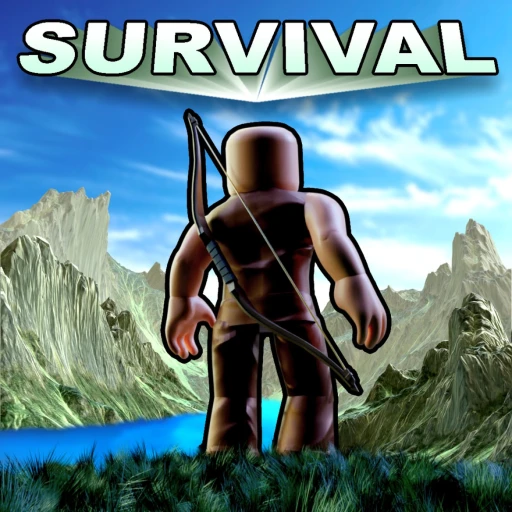
The Survival Game vs Islands in 2026: Best Roblox Survival Game Compared
The Survival Game and Islands both carry the survival label, but they deliver radically different experiences. The Survival Game drops you into a harsh medieval world where kingdoms wage war and every player is a potential threat. Islands gives you a peaceful skyblock where you farm, build, and trade at your own pace. This comparison breaks down every aspect so you can choose the survival experience that matches what you actually want in 2026.
Quick Stats: The Survival Game vs Islands in 2026
| Category | The Survival Game | Islands |
|---|---|---|
| Genre | Medieval Survival / PvP | Skyblock / Farming Survival |
| Developer | Simple Games Inc | Easy.gg |
| Concurrent Players | 10,000 - 25,000 | 15,000 - 35,000 |
| Total Visits | 380M+ | 5.2B+ |
| Core Loop | Gather, craft, build kingdoms, wage PvP war | Farm, build, craft, trade with players |
| Key Features | Kingdom system, PvP combat, crafting tiers, sieges | Farming, building, bosses, player economy, seasonal events |
| Mobile-Friendly | Yes (PC preferred) | Yes (excellent) |
| Free-to-Play | Yes | Yes |
Gameplay Comparison in 2026
The Survival Game throws you into a shared world with nothing. You gather wood and stone, craft basic tools, and immediately face a choice: find a kingdom to join or try surviving alone. Other players can attack you, steal your resources, and destroy what you have built. The tension is constant. Every encounter with another player carries uncertainty about whether they are friendly or hostile. Combat uses a directional melee system with shields, bows, and eventually crafted weapons that determine fights between similarly-skilled players.
Islands starts you on a small floating island with a few basic resources. From there, you expand by farming crops, mining ores, chopping trees, and crafting machines that automate resource production. There is zero PvP threat. Other players can visit your island, trade with you, or simply admire your builds. The game is about creating an efficient, beautiful island while progressing through increasingly complex crafting recipes and unlocking new content like boss fights and exotic materials.
The fundamental difference is stress versus relaxation. The Survival Game constantly pressures you with threats from other players and resource scarcity. Islands lets you progress at whatever pace feels comfortable without ever losing progress to another player. Both are survival games, but they solve completely different emotional needs.
Edge: The Survival Game for adrenaline and stakes. Islands for relaxation and creative freedom.
Progression Systems in 2026
The Survival Game uses a tiered crafting system where better materials create stronger weapons and armor. Stone tools lead to iron, iron leads to steel, and steel leads to enchanted gear. Your progression is measured by your equipment tier and your kingdom's development level. Buildings unlock new crafting recipes, storage capacity, and defensive structures. The catch is that all of this can be destroyed or stolen in PvP raids, meaning progression is never truly safe unless your kingdom is strong enough to defend it.
Islands progression is permanent and safe. You unlock new crafting recipes by leveling skills like farming, mining, and woodcutting. Your island grows with machines, factories, and decorations that persist forever. Boss fights unlock rare materials for high-tier equipment. Seasonal events add limited-time content with exclusive rewards. The progression is generous and always forward-moving because nothing you build can be taken away by other players.
The Survival Game creates meaningful progression because loss is possible. Every piece of gear feels valuable when you know it could be taken. Islands creates satisfying progression because accumulation is guaranteed. Every hour invested adds permanently to your island. These are opposite philosophies that appeal to different player motivations.
Edge: Islands for safe, satisfying accumulation. The Survival Game for meaningful stakes. Check our The Survival Game free Robux guide for tips on accelerating your early game.
Graphics and Visual Design in 2026
The Survival Game uses a dark medieval aesthetic with dense forests, stone castles, and weathered landscapes. The visual design communicates danger effectively. Dark caves, foggy mornings, and the glow of distant campfires create an atmosphere that keeps you alert. Character equipment is visually distinct at each tier, so you can immediately assess another player's power level by their appearance. The world feels lived-in and dangerous.
Islands goes for a bright, cheerful art style with colorful crops, clean building blocks, and charming item designs. Your island looks beautiful as it grows, with flowing water features, organized farms, and creative builds that players spend hours perfecting. The visual reward of a well-designed island is a major motivator. Seasonal updates bring themed decorations and environment changes that keep the visual experience fresh throughout the year.
Edge: Islands for visual polish and creative expression. The Survival Game for atmospheric immersion.
Player Count and Community in 2026
The Survival Game maintains strong concurrent numbers between 10,000 and 25,000 players. The community is passionate and somewhat intense, with kingdom alliances, rivalry histories, and organized PvP events creating a layer of metagame politics. Discord servers buzz with diplomacy, raid planning, and recruitment posts. Content creators produce dramatic raid videos and kingdom showcase content that draws new players into the political landscape.
Islands dominates with 5.2 billion total visits and consistent concurrent counts of 15,000-35,000. The community is one of the friendliest on Roblox, centered around trading, island showcases, and helping new players. The player economy is active with dedicated trading servers and price guides maintained by community members. YouTube and TikTok content focuses on farm optimization, build tutorials, and money-making guides.
Islands has the larger and more welcoming community. The Survival Game has a smaller but more deeply engaged community with richer social dynamics due to its kingdom politics system. Use The Survival Game codes to get starter resources that help you find a kingdom faster.
Game Passes and Monetization in 2026
The Survival Game sells game passes that provide convenience features like extra inventory slots, faster resource gathering, and cosmetic items. Critically, no game pass provides combat advantages that would make PvP unfair. The developer has maintained this stance firmly, understanding that pay-to-win would destroy the game's competitive integrity. Free players can compete on equal footing with paying players in every fight.
Islands monetizes through game passes for expanded island size, auto-farming capabilities, extra inventory space, and cosmetic items. The game also features a seasonal hub with premium items available for Robux. The monetization is fair and non-intrusive. Free players can access all core content, but quality-of-life passes like auto-farming significantly reduce the grind for players willing to spend. The player trading economy means even free players can acquire rare items through smart trading.
Both games handle monetization respectfully. The Survival Game is stricter about avoiding any pay-to-win perception. Islands offers more quality-of-life purchases that genuinely improve the experience without creating unfairness.
Social Features in 2026
The Survival Game is fundamentally a social experience. Kingdoms require multiple players working together, gathering resources, building defenses, and coordinating attacks. Diplomacy with neighboring kingdoms creates alliances and rivalries that persist across sessions. Betrayals, mergers, and wars between kingdoms generate emergent stories that players talk about for weeks. The social layer is not an add-on; it is the core of the game.
Islands social features center on collaboration and commerce. Players visit each other's islands to trade, offer building advice, or just hang out. The trading system is the primary social driver, creating interactions between players with complementary resources. Co-op boss fights bring groups together for PvE challenges. The game also supports island sharing where friends can build together on a shared space.
Edge: The Survival Game for deep, emergent social dynamics. Islands for friendly, low-pressure social interaction.
Replay Value in 2026
The Survival Game offers enormous replay value because every server tells a different story. The political landscape shifts constantly as kingdoms rise and fall. Starting fresh on a new server means new alliances, new enemies, and new stories. The PvP meta evolves as players discover new strategies and the developer adds new weapons and mechanics. You could play for years and never have the same experience twice because human players are inherently unpredictable.
Islands earns replay value through its content depth and regular updates. New crops, machines, bosses, and crafting recipes are added frequently. Seasonal events with exclusive rewards motivate returning players. The building system alone provides infinite replay value for creative players who constantly redesign their islands. The player economy creates a secondary game of trading and market manipulation for those who enjoy economic gameplay.
Edge: Tied. The Survival Game for emergent, unpredictable replay value through human interaction. Islands for content-driven, creative replay value through building and collecting.
Who Should Play What in 2026?
Choose The Survival Game if you:
Want a survival game where other players are genuine threats and victories feel earned. Enjoy political dynamics, alliances, and organized PvP warfare between groups. Prefer games where your actions have real consequences and losses create motivation. Like medieval settings with crafting progression that serves a competitive purpose. Play best in groups and enjoy coordination and strategy with teammates.
Choose Islands if you:
Want a relaxing survival experience where you never lose progress and can play at your own pace. Enjoy farming, building, and creating beautiful spaces without pressure. Prefer games with active trading economies and friendly communities. Like steady content updates with seasonal events that keep things fresh. Play primarily solo or want cooperative gameplay without any PvP threat.
Final Verdict
Choose The Survival Game if you want a hardcore survival experience with meaningful PvP, kingdom warfare, and emergent stories created by player interactions and political dynamics.
Choose Islands if you want a peaceful, content-rich survival game focused on farming, building, and trading where your progress is always safe and the community is welcoming.
Overall: Islands is the better recommendation for most Roblox players in 2026 due to its accessibility, content depth, larger community, and stress-free gameplay. The Survival Game is the superior choice specifically for players who want genuine stakes, competitive PvP, and the thrill of building something that must be actively defended.
Earn Free Robux for Survival Game Passes
Grab extra inventory space in The Survival Game or auto-farming in Islands without spending real money.
Frequently Asked Questions: The Survival Game vs Islands in 2026
Islands is significantly better for solo players because you can build and farm at your own pace without threat of PvP raids. The Survival Game is designed around group play and kingdom warfare, making solo survival much harder.
Islands has superior building mechanics with more block types, furniture, decorations, and creative freedom. The Survival Game has functional building focused on fortifications and base defense rather than creative expression.
Islands has a robust player trading economy with rare items, blueprints, and materials being actively traded. The Survival Game has basic resource trading but the economy is less developed and more focused on alliance-based resource sharing.
Islands has more total content with its extensive crafting recipes, farming systems, boss fights, seasonal events, and building options. The Survival Game has less raw content but delivers a more focused survival-PvP experience.
Both work on mobile but Islands is better optimized for touchscreen play. The Survival Game's PvP combat is significantly harder on mobile compared to PC players, putting mobile users at a disadvantage in fights.
Islands is more like peaceful Minecraft with its farming, mining, crafting, and building focus. The Survival Game is more like Rust or medieval survival games with its PvP raids, kingdom systems, and combat-focused progression.