Tower Defense Simulator vs Toilet Tower Defense (2026) -- Which Roblox Game Is Better?
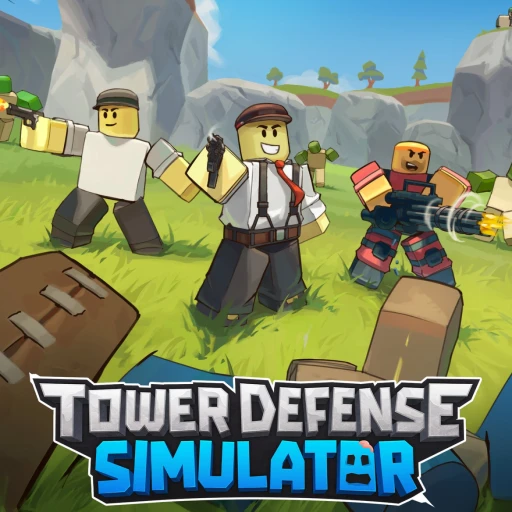
Tower Defense Simulator and Toilet Tower Defense are two of the biggest tower defense games on Roblox, and on paper they sound similar: place defenders, stop a wave of enemies, repeat. In practice they pull in completely different directions. Tower Defense Simulator is a skill-driven co-op game where you master a roster of fixed towers and earn your wins through placement and timing, while Toilet Tower Defense is a collectible game riding the Skibidi Toilet wave, where you summon units from crates and a giant player-run trading market decides who has the strongest army.
Between them they have racked up billions of visits. Tower Defense Simulator, built by Paradoxum Games at placeId 3260590327, has passed 4 billion total visits and once peaked around 152,000 concurrent players. Toilet Tower Defense, built by Telanthric Development at placeId 13775256536, has climbed past 2 billion visits and, on the back of the Skibidi Toilet trend, routinely shows tens of thousands of concurrent players. This comparison breaks down how they differ on gameplay, progression, monetization, trading, and community so you can pick the one worth your time in 2026.
Tower Defense Simulator vs Toilet Tower Defense -- Quick Stats (2026)
| Category | Tower Defense Simulator | Toilet Tower Defense |
|---|---|---|
| Genre | Co-op tower defense (skill-based) | Collectible tower defense (Skibidi Toilet) |
| Place ID | 3260590327 | 13775256536 |
| Developer | Paradoxum Games | Telanthric Development |
| Concurrent Players | Tens of thousands (peak ~152K) | Tens of thousands daily |
| Total Visits | 4+ billion | 2+ billion |
| Core Loop | Place & upgrade towers, survive zombie waves | Summon units, beat waves, trade for rares |
| Key Features | Evolved towers, Hardcore mode, co-op | Crate summons, Titan units, value market |
| Trading System | No unit trading | Full player-to-player trading |
| Mobile-Friendly | Yes | Yes |
| Free-to-Play | Yes | Yes |
Gameplay -- What Do You Actually Do?
Both games drop you onto a map where enemies march along a path toward your base, and your job is to stop them before your lives run out. The difference is what you place and how you get stronger.
Tower Defense Simulator
Tower Defense Simulator is the more traditional take. You start a match with a small loadout of towers, earn in-match cash from killing enemies and surviving waves, then spend that cash placing towers and upgrading them through tiers. Each tower has a clear role: cheap early-game crowd control like Scout, support towers like the DJ Booth that buffs range and discounts nearby towers, and expensive late-game damage dealers like Accelerator and Ranger that carry the final waves.
The skill ceiling is real. Accelerator delivers massive single-target damage from a charging plasma gun, and Ranger has the longest range in the game with enormous late-game DPS, but both are costly to deploy and upgrade, so you have to plan your economy from wave one. A common mistake is overspending early and then having no cash for the towers that actually beat the boss waves. Hardcore mode pushes this further with tougher enemies and tighter economy, and the 2.0.0 update layered in Evolved Towers and Shrines that change how you build a loadout.
Crucially, there is no luck and no trading. Your win comes from knowing the waves, placing the right towers in the right spots, and coordinating with up to a full team in co-op. It is the more demanding of the two if you enjoy out-thinking a difficulty curve.
Toilet Tower Defense
Toilet Tower Defense flips the model toward collecting. The enemies are Skibidi Toilets and the units you place are Cameramen, TV Men, Speakermen, and their Titan-tier evolutions. Instead of unlocking a fixed tower tree through gameplay alone, you summon units from crates using coins and gems, and the unit you pull largely determines your power level. There are 40-plus units spanning rarities from Basic up through Exclusive and Ultimate, with the top of the chart held by Titan-class units like the Telanthric Titan and Upgraded Titan Cinemaman.
Matches still ask you to manage placement and an upgrade economy, but the heavier strategy layer sits outside the round: building a collection. A strong account in Toilet Tower Defense is one with rare, high-demand units, and you get those by summoning, grinding currency, redeeming codes, or, most importantly, trading. The game is far more forgiving in a single match because a good unit can hard-carry, which is part of why it onboards new players so quickly.
Edge: Tie. Tower Defense Simulator wins for players who want pure tactical depth and skill expression; Toilet Tower Defense wins for players who want collecting, summoning, and a meta that lives in the trade market rather than the match.
Progression -- How Quickly Does It Hook You?
Toilet Tower Defense hooks faster; Tower Defense Simulator hooks deeper. The two games reward your time on completely different timelines.
In Toilet Tower Defense, the early dopamine is immediate. You redeem codes for coins and gems, open your first crates, and within minutes you can pull a unit that meaningfully changes how your runs go. The progression chase is collection-driven: you grind currency to summon better units, watch the value market, and work toward owning a chase unit like a Titan. Because trade values run into the billions of gems for the rarest units, there is an almost endless ladder to climb, and the goalposts move with every new event drop.
Tower Defense Simulator front-loads less and back-loads more. Early hours are about learning maps, wave patterns, and which towers earn their cost. Account progression comes from leveling towers, unlocking evolved versions, and grinding the harder modes. Reaching Level 20 on Scout to unlock the Operator evolution, for example, is a milestone you earn through play, or you can shortcut it by buying all the levels for around 1,199 Robux. The satisfaction here is mastery: beating Hardcore or a fallen-tier wave with a loadout you optimized yourself feels earned in a way a lucky crate pull does not.
If you want a game that rewards you in the first session, Toilet Tower Defense is the quicker hit. If you want a game that keeps getting better as your own skill improves, Tower Defense Simulator has the longer arc.
Graphics and Audio
The two games look and sound nothing alike, and which you prefer comes down to taste. Tower Defense Simulator runs a clean, fairly polished art style with readable towers, distinct enemy silhouettes, and a serious tone built around surviving a zombie onslaught. Its audio is functional and atmospheric, and the DJ Booth tower even lets you change the in-game music, which is a small but fun touch for longer sessions.
Toilet Tower Defense leans all the way into the absurd Skibidi Toilet meme aesthetic, with toilet-headed enemies, camera-headed defenders, and exaggerated Titan designs that get louder and more over-the-top the rarer they are. It is chaotic, meme-forward, and clearly built to be screenshotted and clipped. Younger players and meme fans tend to love it; players who want a cleaner, more grounded look gravitate to Tower Defense Simulator.
Edge: Tower Defense Simulator for polish and readability; Toilet Tower Defense for personality and meme appeal. If you value a clean, consistent presentation, Tower Defense Simulator takes it by a hair.
Player Count and Community (July 2026)
Both games are firmly in the upper tier of Roblox tower defense in June 2026, but they got there differently. Tower Defense Simulator is the veteran. It has surpassed 4 billion total visits, holds a peak concurrent record around 152,000 players, and keeps a large, steady daily audience built up over years. Its community skews toward dedicated tower defense players, and the Paradoxum Games wiki and Discord are deep with strategy guides, tier lists, and loadout discussion.
Toilet Tower Defense is the breakout. Powered by the Skibidi Toilet phenomenon, it has climbed past 2 billion visits in a fraction of the time and regularly posts tens of thousands of concurrent players. Its community is younger and more trade-focused, with a huge ecosystem of value lists, trading servers, and content creators tracking which units are rising or falling in price. The energy around Toilet Tower Defense day to day is hard to overstate.
For sheer momentum and current chatter, Toilet Tower Defense often feels busier. For depth of accumulated strategy resources and a proven long-term player base, Tower Defense Simulator is the more established home.
Game Passes and Monetization
Tower Defense Simulator sells permanent power and convenience through game passes, while Toilet Tower Defense leans on crates, event passes, and the trade economy. Tower Defense Simulator's pass lineup is large and relatively transparent: exclusive tower passes such as Warden around 600 Robux, Engineer around 2,250 Robux, and Hacker around 3,000 Robux, with several gameplay towers like Pursuit, Mercenary Base, and Gatling sitting above 1,000 Robux. There is also a VIP+ subscription priced around 4.99 USD per month for ongoing perks, and the game runs periodic sales that discount passes or bring back limited event towers as temporary passes. Buying a tower pass gives you a clear, permanent addition to your roster.
Toilet Tower Defense monetizes more around its collection loop. Money tends to go into summoning crates, buying gems, and event passes like the Summer Pass that unlocks a featured unit, with the real power chase running through luck and the trading market rather than a fixed pass list. That can mean either great value or a frustrating grind, depending on your pulls, since a single rare Titan can outclass anything you would buy directly.
Edge: Tower Defense Simulator. Its passes deliver predictable, permanent value you can evaluate before buying, whereas Toilet Tower Defense's spending is tied to crate luck and a shifting market.
Social Features
Both games are multiplayer at heart, but they are social in different ways. Tower Defense Simulator is built around live co-op: you team up in real time, split tower roles, share an objective, and sink or swim together against the waves. The teamwork during a hard run is where its social pull lives, and coordinating a late-game wall of Rangers and Accelerators with friends is genuinely satisfying.
Toilet Tower Defense's social layer is its economy. Trading puts players in constant contact outside of matches, negotiating unit-for-unit deals, hunting for undervalued units, and chasing signed or limited items that spike in value. Whole communities and Discord servers exist just to facilitate and price these trades, which gives the game a player-driven marketplace that Tower Defense Simulator simply does not have.
Edge: Toilet Tower Defense, for players who enjoy a living trade economy and social dealmaking. Tower Defense Simulator wins narrowly if your idea of social is real-time co-op teamwork instead.
Replay Value
Both games have strong staying power, but the replay engine is different in each. Tower Defense Simulator keeps you coming back through difficulty and mastery: harder modes, new maps, Hardcore challenges, evolved towers, and the steady goal of beating content you could not clear before. Replay value scales with your own skill, so the game stays fresh as long as you keep getting better and Paradoxum keeps shipping updates like the 2.0.0 rework.
Toilet Tower Defense keeps you back through collection and the market. There is always a new event unit to chase, a value shift to react to, and a trade to make, and the constant drip of crate drops and limited units means the meta never sits still. The risk is that progress can feel luck-gated, but for players who love the hunt, the trading loop is close to endless.
Neither runs out of content quickly. Tower Defense Simulator rewards depth and repetition; Toilet Tower Defense rewards collecting and trading. Your personality decides which one holds you longer.
Earning Free Robux While You Play
Whichever game you land on, the best stuff costs Robux. In Tower Defense Simulator that means exclusive tower passes like Warden, Engineer, or Hacker; in Toilet Tower Defense it means gems, crate summons, and event passes. Earnaldo lets you stack up free Robux by completing simple tasks, then spend it on passes or units in either game without dipping into your own wallet. For the full game-specific breakdown, see our Tower Defense Simulator guide and our Toilet Tower Defense guide.
Earn Free Robux for Tower Defense Simulator or Toilet Tower Defense
Complete simple tasks on Earnaldo and withdraw real Robux.
Head-to-Head Verdict -- Tower Defense Simulator vs Toilet Tower Defense in 2026
The Verdict
Choose Tower Defense Simulator if you want a skill-based, tactical tower defense with no luck and no trading, where wins come from learning waves, building a smart economy, and mastering towers like Accelerator and Ranger. It rewards practice, has the deeper accumulated strategy community, and its game passes give clear, permanent value.
Choose Toilet Tower Defense if you want fast onboarding, the Skibidi Toilet theme, and a collectible game where summoning rare Titan units and trading them on a live billions-of-gems market is the real endgame. It hooks you in the first session and never stops dangling a new unit to chase.
Overall: Neither is strictly better, they just answer different questions. For pure tower defense skill, Tower Defense Simulator is the stronger game; for collecting, trading, and meme-fueled momentum, Toilet Tower Defense is the more exciting one in 2026. Plenty of players keep both installed.
Who Should Play What?
- You love tactical strategy: Tower Defense Simulator, because wins are earned through placement, timing, and economy rather than luck.
- You want to collect and trade: Toilet Tower Defense, because its trading market and Titan-tier units are the whole point.
- You are a solo player: Toilet Tower Defense, because a strong summoned unit can carry runs without a coordinated team, though both support solo play.
- You create content: Toilet Tower Defense, because the Skibidi theme and trade reactions are highly clippable, while Tower Defense Simulator suits strategy and tier-list creators.
- You want to earn Robux: Both work with Earnaldo.
Frequently Asked Questions
Both are top-tier, but Toilet Tower Defense usually shows higher day-to-day concurrent players thanks to the Skibidi Toilet trend and its trading economy, regularly sitting in the tens of thousands. Tower Defense Simulator is the older, more established game with over 4 billion total visits and a peak concurrent record around 152K, and it still pulls a large steady audience. For raw current activity Toilet Tower Defense often edges it; for a deeper, more proven game Tower Defense Simulator wins.
Tower Defense Simulator is a skill-based co-op game where you place and upgrade fixed towers like Accelerator and Ranger to survive zombie waves, with no unit trading. Toilet Tower Defense is a collectible game on the Skibidi Toilet theme where you summon units from crates, and the headline feature is a player-to-player trading market where rare Titan units can be worth billions of gems. One rewards tactics, the other rewards collecting and trading.
Toilet Tower Defense is easier to pick up because the units do most of the heavy lifting and codes hand you coins and gems to start summoning fast. Tower Defense Simulator has a steeper curve since you need to learn wave timing, placement, and which towers to spend on, and the strongest towers are expensive to deploy mid-match. New players land softer in Toilet Tower Defense, but Tower Defense Simulator rewards the time you invest.
Toilet Tower Defense has a full trading system that is central to the game, with a player-driven value market where exclusive, limited, and signed units climb in price and the rarest Titan units trade for billions of gems. Tower Defense Simulator has no unit trading at all, since its towers are unlocked through levels, gameplay, and game passes rather than traded. If trading is what you want, Toilet Tower Defense is the only one of the two that offers it.
Tower Defense Simulator has a larger and more transparent pass lineup, with exclusive tower passes such as Warden around 600 Robux, Engineer around 2,250 Robux, and Hacker around 3,000 Robux, plus a VIP+ subscription around 4.99 USD per month. Toilet Tower Defense leans more on crate summons, event passes like the Summer Pass, and the trading market, so spending there is more about luck and the economy. For clear permanent value, Tower Defense Simulator is more predictable.
Yes, both are free to play on Roblox and both are playable to a high level without spending. Game passes, exclusive towers, crate summons, and event passes are optional Robux purchases that speed up progress or add cosmetics, but neither game locks the core experience behind payment. If you want any of those, you can earn the Robux for free through a reward platform instead of paying out of pocket.
More Roblox Reading
Want to go deeper on either game? Grab every working code and pass tip in the Tower Defense Simulator guide and the Toilet Tower Defense guide. For more standout titles, see how the top games stack up across Steal a Brainrot, Blox Fruits, and Grow a Garden. You can verify the live data on the official Tower Defense Simulator page and Toilet Tower Defense page.