Verse Piece vs A One Piece Game (2026) -- Which Roblox Game Is Better?
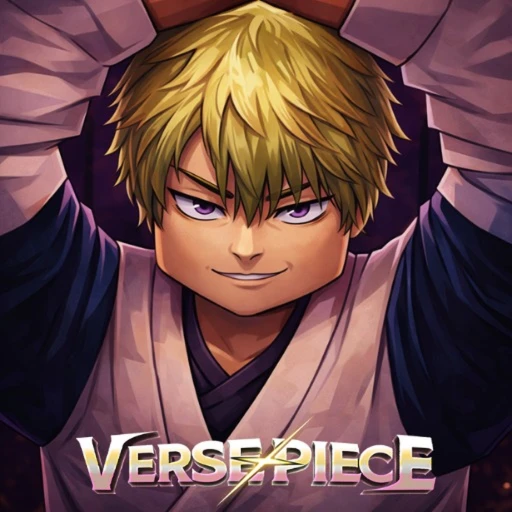
Both Verse Piece and A One Piece Game pull from the same well: One Piece, Devil Fruits, and the dream of becoming the strongest pirate on the server. But they take wildly different routes to get there. One is a modern, reroll-and-prestige grind machine. The other is the classic sea adventure that's been pulling in players for years. If you're picking where to sink your next few hundred hours, the gap between them matters.
A One Piece Game, made by Boss Studio, is the established heavyweight. You sail between islands, train Haki, hunt Devil Fruits, fight bosses, and push the Infinite Tower across tens of millions of lifetime visits. Verse Piece is the upstart, an action RPG that blends One Piece with Jujutsu Kaisen and leans hard into wave combat, races, race rerolls, Blessing Stones, and a prestige system that resets you at Level 10,000. This is the newcomer's speed against the veteran's depth, and here's exactly how they compare in June 2026.
Verse Piece vs A One Piece Game -- Quick Stats (2026)
| Category | Verse Piece | A One Piece Game |
|---|---|---|
| Genre | Wave-based action RPG (One Piece x Jujutsu Kaisen) | Open-sea adventure RPG (One Piece) |
| Place ID | 86639052909924 | 2788229376 |
| Developer | Verse Piece dev team | Boss Studio |
| Concurrent Players | Active, smaller community (check live page) | Large, established (check live page) |
| Total Visits | Newer title, growing | Tens of millions (lifetime) |
| Core Loop | Waves, dungeons, raids, race rerolls, prestige | Sail seas, train Haki, fight bosses, Infinite Tower |
| Key Features | Races + rerolls, Blessing Stones, 5x prestige | Devil Fruits, Haki, raids, Infinite Tower |
| Active Codes | 30+ active codes | Regular code drops (often with updates) |
| Mobile-Friendly | Yes | Yes |
| Free-to-Play | Yes | Yes |
Stat note: Live concurrent and visit numbers move constantly. Paste each Place ID into Roblox search or open the game's official page to confirm current figures as of your visit. We have marked anything we can't verify rather than guess.
Gameplay -- What Do You Actually Do?
Verse Piece
Verse Piece is built around combat encounters, not open-world sailing. You fight through wave-based content, dungeons, raids, and bosses, picking up Devil Fruits and abilities that pull from both One Piece and Jujutsu Kaisen. The mash-up is the hook: you might be swinging a cursed technique one minute and a logia power the next.
Two systems define the grind. First, races: you roll a race, and if you want a better one you burn a Race Reroll to spin again, chasing rarer lineages with stronger buffs. Second, prestige: once you reach Level 10,000 and hold a Prestige Key, you can reset for permanent gains, repeating the cycle up to five times. Blessing Stones layer in extra power on top.
The result is a game that's deliberately reroll-heavy and grindy in a modern way. Progress is measured in rerolls used, stones banked, and prestiges cleared. If you like a tight gameplay loop with constant numbers going up and clear reset milestones, Verse Piece is engineered for exactly that itch.
There's real strategy underneath the grind, too. Because races carry different lineage buffs, picking when to reroll matters, and saving rerolls for the right moment can swing a build. The same logic applies to prestige: rushing to Level 10,000 too early can mean resetting before you've banked enough Blessing Stones to make the reset worth it.
A One Piece Game
A One Piece Game is the genre's classic shape. You start as a weak pirate or marine, sail between islands across multiple seas, and grind levels by fighting NPCs and bosses. Devil Fruits drop or get bought, Haki unlocks as you progress, and your build slowly takes shape over a much longer arc than Verse Piece asks for.
Exploration is a real part of the loop here. You travel the map, find hidden bosses, complete quests, and work toward gear and fighting styles, with the Infinite Tower giving endgame players a scaling challenge to keep pushing. It's less about spamming rerolls and more about the journey from rookie to raid-ready.
Boss Studio has layered years of content on top of that foundation, so there's a deep well of fruits, fighting styles, raids, and bosses to chase. The pacing is slower and more deliberate, but the payoff is a fuller, more adventure-driven RPG that rewards patience and exploration over fast resets.
The fighting-style and Devil Fruit choices give A One Piece Game its own kind of build depth. You decide whether to lean on a logia fruit, a melee style, sword work, or a hybrid, and those choices shape how you handle each boss and how far you push the Infinite Tower. It's a slower path to power than Verse Piece, but the variety of viable builds keeps the endgame interesting.
Progression -- How Quickly Does It Hook You?
Verse Piece hooks you fast. With 30+ active codes handing out Race Rerolls, Blessing Stones, and boosts, a fresh account can start shaping a build in the first session, spinning for a strong race and stacking power immediately. The early game is generous, and the prestige loop gives you clear short-term goals to chase.
A One Piece Game asks for more patience. The climb from the first sea to endgame Haki and raid content is a longer, level-by-level grind across the map, and you feel the milestones land over days and weeks rather than minutes. That slower curve is a feature for players who want a real sense of journey, and a wall for anyone craving instant power.
The two reward different temperaments. Verse Piece is the dopamine-fast option, all rerolls and resets and quick wins. A One Piece Game is the long haul, where reaching the next sea or finally landing a rare Devil Fruit feels earned because it took real time.
Edge: Verse Piece for fast, code-fueled early progression; A One Piece Game for a deeper, more rewarding long-term climb.
Graphics and Audio
Verse Piece leans into flashy, modern combat presentation, with bright ability effects and the visual mash-up of One Piece and Jujutsu Kaisen powers firing off during waves and raids. It reads as a newer Roblox action RPG, with effects tuned to make every fight feel busy and impactful.
A One Piece Game carries the look of a mature, much-iterated title. The world is built for exploration, with distinct islands and seas, recognizable One Piece-inspired locations, and combat animations refined across years of updates. It's less about screen-filling effects and more about a coherent adventure world.
Edge: A tie that comes down to taste. Verse Piece wins on flashy combat spectacle, while A One Piece Game wins on a cohesive, explorable world built over years.
Player Count and Community (July 2026)
This is where the veteran pulls ahead. As of June 2026, A One Piece Game is one of the better-known One Piece RPGs on Roblox, with tens of millions of lifetime visits and a large, established community that fills servers and drives a steady stream of guides, wikis, and tier lists. Its exact live concurrent count moves constantly, so check the official page for the current number.
Verse Piece is newer and smaller, but its community is highly active and grind-focused, organized around races, reroll luck, and prestige progress. Its precise visit and concurrent figures aren't broadly published, so we'd point you to the Roblox page rather than guess, but the energy around it is real and growing.
There's a real trade-off in those numbers. A One Piece Game's size means faster matchmaking, more trading partners, deeper community knowledge, and a content pipeline that has proven it can keep players for years. Verse Piece's smaller, newer scene means a more wide-open meta where getting good now puts you ahead of a future wave of players if the game keeps climbing.
Game Passes and Monetization
A One Piece Game runs the familiar established-RPG shop: convenience and power passes such as 2x experience, luck or drop boosts, and quality-of-life upgrades, plus periodic code drops that hand free players currency and resets. None of it is mandatory, but spenders move through the long grind faster and chase rare fruits more efficiently.
Verse Piece monetizes around its core loops, with passes geared toward rerolls, luck, and prestige convenience, the things its grind revolves around. Combined with 30+ active codes pouring out Race Rerolls and Blessing Stones, a free-to-play player can stay competitive without spending, which is one of Verse Piece's strongest pitches right now.
Neither game forces a purchase, and both respect free players reasonably well for the genre. Verse Piece's heavier code generosity gives it a slight free-to-play edge today, while A One Piece Game's shop is the more battle-tested and predictable of the two.
Edge: Verse Piece for free-to-play friendliness thanks to its 30+ codes; A One Piece Game for a mature, well-understood set of paid options.
Social Features
A One Piece Game's larger population gives it the livelier social scene by default. More players online means easier raid groups, a busier trading culture, and a deep bench of community resources to lean on when you're stuck. The veteran community knows every fruit, boss, and tower strategy.
Verse Piece is more about shared grinding, with players comparing reroll luck, race pulls, and prestige milestones. Its community is tighter and earlier, so individual players carry more weight, and the conversation centers on the reroll-and-prestige economy rather than years of accumulated lore.
Edge: A One Piece Game, simply because a larger, older population means a busier, easier-to-find social and trading scene.
Replay Value
Verse Piece's replay value is loop-driven. The reroll chase, Blessing Stone stacking, and the five-prestige ceiling give you concrete, repeatable goals, and the game is built so there's almost always another reset or rarer race to pursue. For players who love optimizing a tight system, each session pays off.
A One Piece Game's replay value is content-driven. New seas, fruits, fighting styles, raids, and the Infinite Tower keep long-term players logging in, and the slower curve means the journey itself stretches over a long time. It's the title that lasts longer per account if you enjoy a true RPG adventure.
Which one holds you longer depends on what you're chasing. Verse Piece keeps you with numbers and resets. A One Piece Game keeps you with exploration and the slow build toward endgame power. Both have staying power, just of different kinds.
Earning Free Robux While You Play
Whichever you pick, you'll probably want Robux, whether for A One Piece Game's boost passes or Verse Piece's reroll and luck passes. Earnaldo lets you earn Robux by completing simple tasks and withdraw it to spend in either game. For the specifics on each, see our Verse Piece free Robux guide and our A One Piece Game free Robux guide.
Earn Free Robux for Verse Piece or A One Piece Game
Complete simple tasks on Earnaldo and withdraw real Robux.
Head-to-Head Verdict -- Verse Piece vs A One Piece Game in 2026
The Verdict
Choose Verse Piece if you want a modern, fast, reroll-heavy action RPG with a One Piece and Jujutsu Kaisen mash-up, race rerolls, Blessing Stones, and a five-prestige loop that keeps the numbers climbing. It hooks quickly, rewards optimization, and its 30+ codes give free players a level start.
Choose A One Piece Game if you want the proven classic: a deep sea adventure from Boss Studio with Devil Fruits, Haki, exploration across multiple seas, bosses, raids, and an Infinite Tower, backed by a huge community and tens of millions of visits.
Overall: A One Piece Game is the safer pick for players who want a content-rich, explorable RPG with proven staying power and a big community. Verse Piece is the better bet for players who love a fast, grindy, reroll-and-prestige loop and want to get good early on a rising title. They scratch genuinely different itches, and plenty of One Piece fans will enjoy bouncing between both.
Who Should Play What?
- You love fast resets and reroll grinding: Verse Piece, where rerolls, Blessing Stones, and five prestiges drive the loop.
- You want a deep sea-adventure RPG: A One Piece Game, with exploration, Haki, and the Infinite Tower.
- You are a solo player: Verse Piece, since its wave and prestige loop works well without a full group.
- You want the biggest community and easiest trading: A One Piece Game, thanks to its large, established population.
- You create content: Verse Piece, where a fresh meta and rising audience give early creators room to stand out.
- You want to earn Robux: Both work with Earnaldo.
Frequently Asked Questions
Is Verse Piece or A One Piece Game more popular in 2026?
A One Piece Game is the bigger, more established title. Made by Boss Studio, it has tens of millions of lifetime visits and years of updates. Verse Piece is the newer, fast-rising challenger with a smaller but very active grinding community.
What is the difference between Verse Piece and A One Piece Game?
A One Piece Game is a classic sea-adventure RPG with sailing, Haki, Devil Fruits, bosses, and an Infinite Tower. Verse Piece is a modern wave-and-dungeon action RPG mixing One Piece and Jujutsu Kaisen, built around race rerolls, Blessing Stones, and a Level 10,000 prestige you can repeat up to five times.
What are the Place IDs for these games?
Verse Piece uses Place ID 86639052909924, and A One Piece Game by Boss Studio uses Place ID 2788229376. Paste either into Roblox search or open the official page to confirm current player and visit stats.
Which game has the faster progression?
Verse Piece is faster early because codes hand out Race Rerolls, Blessing Stones, and boosts. A One Piece Game has a longer, more deliberate climb across multiple seas before endgame Haki and raids. Verse Piece is the quicker hook; A One Piece Game is the longer journey.
Are both games free to play?
Yes, both are free with optional Robux game passes. A One Piece Game sells established boost passes; Verse Piece sells reroll, luck, and prestige convenience passes plus 30+ active codes for free players.
Which One Piece Roblox game should a beginner pick?
Pick Verse Piece for a fast, reroll-heavy modern grind with quick wins and dungeons. Pick A One Piece Game for the proven, content-rich sea adventure with Haki, Devil Fruits, exploration, and an Infinite Tower.
For more on the newer title, browse the Verse Piece hub with our latest guides and codes. You can also confirm live stats on each game's official Roblox page via the developer listings, including A One Piece Game.