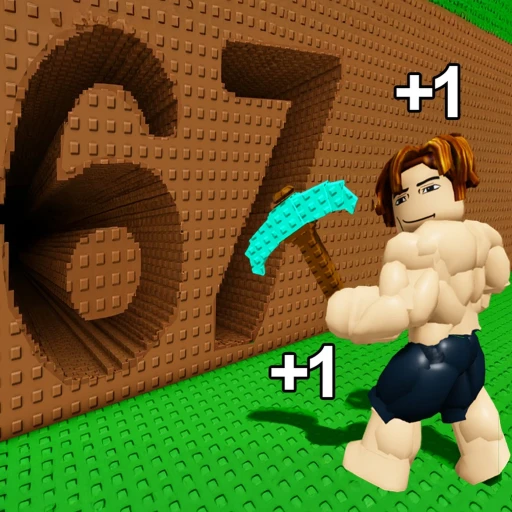
+1 Dig Per Step vs Grow a Garden (2026) — Which Roblox Game Is Better?
Two idle games, two completely different vibes. +1 Dig Per Step throws you underground with a pickaxe and dares you to go deeper with every single step. Grow a Garden hands you a watering can and lets you cultivate a sprawling botanical paradise at your own pace. Both games have taken Roblox by storm in 2026, but they appeal to very different types of players. This comparison breaks down everything you need to know before committing your time to either one.
The idle and incremental genre on Roblox has exploded over the past year. What started as simple clicker games has evolved into deeply layered experiences with prestige systems, trading economies, and communities that rival some of the biggest titles on the platform. +1 Dig Per Step and Grow a Garden represent two ends of that spectrum, and understanding what makes each one tick will help you decide where to spend your next gaming session.
Whether you are looking for a fast-paced number-crunching grind or a relaxing garden simulator with social features, one of these games is going to click with you. Let us dig in.
Quick Stats Comparison
| Category | +1 Dig Per Step | Grow a Garden |
|---|---|---|
| Genre | Incremental / Idle | Idle / Cozy Sim |
| Total Visits | 3.3 Million | 21 Billion+ |
| Player Rating | ~87% | ~90% |
| Peak Concurrent | Moderate | 1 Million+ |
| Roblox Place ID | 119604851263654 | 126884695634066 |
| Core Loop | Step, dig, upgrade, rebirth | Plant, water, harvest, trade |
| Monetization | Game passes, boosts | Game passes, cosmetics |
| Mobile Friendly | Yes | Yes |
| Play Style | Active clicking | Idle-friendly timers |
| Rebirth System | Yes | No (seasonal resets) |
The numbers tell an obvious story when it comes to raw scale. Grow a Garden has become the fastest-growing Roblox game of all time, shattering records with over 21 billion visits and regularly maintaining over a million players at once. That kind of player count puts it in the same conversation as Blox Fruits and Brookhaven RP. Meanwhile, +1 Dig Per Step operates on a different scale entirely. Its 3.3 million visits and roughly 87 percent approval rating reflect a focused, niche community that genuinely enjoys the game rather than a viral phenomenon chasing mainstream attention.
Scale alone does not determine quality, though. Some of the most satisfying experiences on Roblox are the ones that do one thing exceptionally well rather than trying to please everyone. That brings us to the gameplay breakdown.
Gameplay and Core Mechanics
+1 Dig Per Step: The Incremental Grind
The premise of +1 Dig Per Step is beautifully simple. Every step your character takes digs one block deeper into the ground. That is it. That is the game at its most basic level. But beneath that simplicity lies a web of upgrade paths, multiplier systems, and prestige loops that can consume hours without you noticing.
You start with a basic pickaxe and weak muscles. As you walk and dig, you earn currency that feeds back into upgrades. Better pickaxes let you break through tougher layers faster. Muscle training increases your dig output per step. Eventually you hit a wall where progress slows to a crawl, and that is where the rebirth system comes in. Resetting your progress in exchange for permanent multipliers is the heartbeat of the game. Each rebirth cycle feels faster and more rewarding than the last, creating that classic incremental dopamine loop that keeps you pressing forward.
The game leans heavily into active play. While some idle games let you walk away and come back to mountains of resources, +1 Dig Per Step rewards you for being present. Every step matters, every upgrade decision compounds, and the satisfaction of watching your depth counter accelerate after a rebirth is genuinely compelling.
Grow a Garden: The Cozy Cultivation Sim
Grow a Garden takes the opposite approach. Instead of grinding downward through layers of rock, you are building upward from a plot of soil. You plant seeds, water your crops, wait for them to grow, and harvest them for currency and experience. Over time you unlock rarer seed varieties, expand your garden plots, and discover companion pets that provide passive bonuses.
The pacing is deliberately gentle. Crops grow on real-time timers, which means you can plant a batch, close the game, and come back later to harvest. This makes it one of the most genuinely idle-friendly games on Roblox. You do not need to be glued to your screen to make progress, and the game actively rewards patience over frantic clicking.
What separates Grow a Garden from other farming sims is its trading economy. Rare seeds and harvested crops can be traded between players, and a robust market has formed around the most coveted plant varieties. Some seeds have become status symbols within the community, and the social layer of negotiating trades adds depth that goes well beyond the planting mechanics alone.
Edge: Grow a Garden for variety and accessibility. +1 Dig Per Step nails the incremental formula, but Grow a Garden offers a broader range of activities and a lower barrier to entry for new players.
Progression Systems
Progression is where these two games diverge the most. +1 Dig Per Step uses a traditional incremental model built around exponential scaling. Early progress is fast, mid-game slows down, and rebirths reset the curve to keep things moving. The game constantly dangles the next milestone in front of you. A new pickaxe tier, a deeper layer with unique rewards, a rebirth that finally pushes you past a plateau you have been stuck on for days. It is a system designed to make you say "just one more rebirth" at two in the morning.
The upgrade tree branches into pickaxe improvements, muscle training, and multiplier boosts. Each branch interacts with the others, so finding the optimal path through upgrades becomes a mini-game in itself. Experienced players develop strategies around which upgrades to prioritize at different stages of a rebirth cycle, and the community regularly shares optimization guides and calculators.
Grow a Garden takes a more horizontal approach to progression. Instead of pushing one number higher, you are expanding what you can do. New seed types unlock new crops with different growth times and values. Garden expansions give you more plots to work with simultaneously. Companion pets provide unique passive effects that change how you interact with your garden. Seasonal events introduce limited-time seeds and decorations that keep the experience fresh.
The progression in Grow a Garden feels less like climbing a ladder and more like filling out a collection. There is always a new seed variety to discover, a new pet to find, or a new garden layout to experiment with. For players who enjoy completionism and discovery, this type of progression can be more satisfying than watching a number go up.
Edge: +1 Dig Per Step for depth and strategy. The rebirth system and interconnected upgrade paths create a more mechanically engaging progression loop for players who enjoy optimization.
Graphics and Presentation
Neither game is trying to win awards for visual fidelity, but they each have a distinct art style that serves their gameplay well.
+1 Dig Per Step uses a clean, blocky aesthetic that keeps the focus on the numbers and upgrades. The underground layers shift in color and texture as you dig deeper, providing visual feedback for your progress. Particle effects on pickaxe swings and rebirth animations add a satisfying crunch to the experience. The UI is straightforward and functional, putting your stats and upgrade menus front and center where they belong in an incremental game.
Grow a Garden is the more visually polished of the two. The garden environments are lush and colorful, with each crop type having distinct visual stages of growth. Companion pets are animated with personality, and the overall aesthetic leans into the cozy, lo-fi farming vibe that has become popular across gaming in recent years. Weather effects, seasonal decorations, and garden customization options give players a canvas to express themselves visually.
Edge: Grow a Garden for overall polish and atmosphere. The cozy art direction is a significant part of what draws players in and keeps them engaged.
Community and Social Features
Community is where Grow a Garden has built an almost insurmountable lead. With over a million concurrent players at peak times, the game has spawned a massive ecosystem of content creators, trading communities, Discord servers, and social media accounts dedicated to documenting rare seeds and optimal garden layouts. The in-game trading system turns every server into a social hub where players negotiate deals and show off their gardens.
+1 Dig Per Step has a smaller but genuinely passionate community. The incremental genre tends to attract players who enjoy theorycrafting and optimization, and the discussions around rebirth strategies and upgrade paths have a nerdy depth that larger communities often lack. The subreddit and Discord channels are active relative to the game's size, and the developers have maintained a consistent update schedule that keeps the community engaged.
For social players who want to trade, chat, and show off their progress to thousands of other people, Grow a Garden is the clear pick. For players who prefer a quieter community focused on strategy and numbers, +1 Dig Per Step hits that mark.
Edge: Grow a Garden for sheer community size and social features. +1 Dig Per Step wins for focused, strategy-oriented community discussions.
Replay Value and Longevity
Replay value in an incremental game is a tricky thing to evaluate. The entire genre is built around repetition, so the question is whether that repetition stays engaging over time.
+1 Dig Per Step handles this through its rebirth system. Each cycle through the game feels different because your permanent multipliers change the pacing. Early rebirths are slow and methodical. Later rebirths become speed runs where you blast through layers that used to take hours in minutes. The game also introduces new mechanics and challenges at deeper layers, giving long-term players new things to discover even after dozens of rebirth cycles.
Grow a Garden maintains longevity through content updates and seasonal events. New seed varieties, limited-time events, companion pet additions, and garden expansion updates keep the experience fresh on a regular schedule. The trading economy also provides emergent replay value since the market for rare seeds shifts constantly, and keeping up with what is valuable requires ongoing engagement.
Both games have strong hooks for long-term play, but they pull you back for different reasons. +1 Dig Per Step makes you want to optimize. Grow a Garden makes you want to collect and socialize.
Edge: Tie. Both games offer compelling reasons to keep coming back, but through entirely different mechanisms. Your preference depends on whether you are driven by optimization or discovery.
Game Passes and Monetization
Both games follow the standard Roblox monetization playbook with game passes and in-game purchases, but neither crosses into pay-to-win territory.
+1 Dig Per Step offers game passes that provide quality-of-life improvements and progression boosts. Auto-dig features, multiplier boosts, and cosmetic pickaxe skins make up the bulk of the store. The game is fully playable without spending anything, but the convenience passes can significantly reduce the grind for players who value their time.
Grow a Garden sells garden expansion slots, cosmetic items, and convenience features through its game pass system. Extra plots, decorative items, and pet slots are among the most popular purchases. Importantly, all seed types and core gameplay features are available to free players. The monetization is built around speeding things up and personalizing your garden rather than gating content behind paywalls.
Edge: Grow a Garden by a narrow margin. The cosmetic-focused approach feels less intrusive, and the trading economy means free players can access premium-tier content through gameplay alone.
Earning Potential with Earnaldo
Here is where things get interesting for players who want to turn their Roblox time into free Robux. Both games pair well with Earnaldo, but in different ways.
+1 Dig Per Step is an active game. You need to be stepping, clicking, and making upgrade decisions constantly. This keeps your hands and attention occupied, which means you will want to complete Earnaldo offers and tasks during natural break points like waiting for a rebirth decision or taking a breather between grinding sessions. The upside is that the game keeps you on Roblox for extended periods, which creates plenty of opportunities to tab over to Earnaldo between sessions.
Grow a Garden is tailor-made for multitasking. Plant your seeds, water your crops, and while you wait for them to grow, hop over to Earnaldo's earning page and knock out some offers. The idle nature of the game means you can realistically earn Robux and progress in Grow a Garden simultaneously without sacrificing efficiency in either one.
For dedicated Robux earners, Grow a Garden's idle windows make it the more practical companion to Earnaldo. But +1 Dig Per Step's addictive loop keeps you on the platform longer, which indirectly creates more earning windows throughout the day.
Check out our dedicated guides for more tips: +1 Dig Per Step Free Robux Guide and Grow a Garden Free Robux Guide.
Edge: Grow a Garden for seamless multitasking with Earnaldo. +1 Dig Per Step works too, but requires more deliberate scheduling of earning sessions.
Who Should Play +1 Dig Per Step?
+1 Dig Per Step is built for a specific type of player, and it serves that audience extremely well. You should choose this game if:
You enjoy incremental and idle games that reward active play. The satisfaction of watching numbers scale exponentially is a core part of the appeal, and if that hooks you, nothing else on Roblox does it better right now.
You like optimization and strategy. The interconnected upgrade paths and rebirth timing create a layer of decision-making that goes beyond simple clicking. Figuring out the most efficient route through a rebirth cycle is genuinely engaging.
You prefer focused, solo gameplay. +1 Dig Per Step is not a social game. It is you against the dirt, and the community exists primarily to share strategies rather than to trade items or show off cosmetics.
You want something you can pick up quickly. The core concept is immediately understandable. Step, dig, upgrade. The depth reveals itself over time, but the barrier to entry is as low as it gets.
Who Should Play Grow a Garden?
Grow a Garden casts a wider net, which is exactly why it has become the phenomenon it is. You should choose this game if:
You want a relaxing, low-pressure experience. The timer-based growth system means there is no punishment for stepping away. Play at your own pace without feeling like you are falling behind.
You enjoy social features and trading. The player economy around rare seeds and crops adds a dimension of gameplay that goes well beyond planting and watering. If you enjoyed trading in Adopt Me or Pet Simulator 99, you will feel right at home here.
You like collecting and completionism. With dozens of seed varieties, companion pets, and seasonal exclusives, Grow a Garden gives collectors an almost endless list of things to chase. Filling out your seed catalog is addictive in its own quiet way.
You want to play something your friends are already playing. With over a million concurrent players, the odds are good that people you know are already in Grow a Garden. The shared experience of comparing gardens and trading rare finds adds a social layer that solo games cannot replicate.
You want a game that pairs well with earning Robux. The idle windows between harvests are perfect for completing offers on Earnaldo. You can genuinely progress in both the game and your Robux balance at the same time.
Final Verdict
These two games are not really competing with each other. They occupy different corners of the idle genre and serve different player needs. Grow a Garden is the better overall package for most players. Its accessibility, massive community, trading economy, and cozy aesthetic make it one of the best experiences on Roblox right now, and its record-breaking player counts speak for themselves. +1 Dig Per Step is the better choice for players who want a pure incremental experience with meaningful prestige systems and strategic depth. It does one thing and does it well. If you have time for both, they complement each other perfectly. Dig during active gaming sessions when you want to zone in, and garden during downtime when you want to relax. And no matter which one you choose, pair it with Earnaldo to turn your play time into free Robux.
Earn Free Robux While You Play
Whether you are digging deep or growing rare seeds, Earnaldo helps you earn Robux for free. Complete simple offers and watch your balance grow.
Related Guides
Looking for more tips on these games or similar titles? Check out these guides from the Earnaldo blog:
+1 Dig Per Step Free Robux Guide — step-by-step strategies for earning Robux while playing +1 Dig Per Step.
Grow a Garden Free Robux Guide — how to maximize your Robux earnings alongside your garden.
Pet Simulator 99 Free Robux Guide — another top idle game that pairs well with Earnaldo.
Frequently Asked Questions
Grow a Garden is far more popular by every measurable metric. It has accumulated over 21 billion total visits and regularly hits 1 million or more concurrent players, making it the fastest-growing game in Roblox history. +1 Dig Per Step has around 3.3 million visits and a smaller but loyal player base. Popularity does not equal quality, though. +1 Dig Per Step has a strong 87 percent approval rating from players who appreciate its focused incremental gameplay.
Both games work well with Earnaldo, but Grow a Garden has a slight advantage. Its idle gameplay creates natural downtime between planting and harvesting where you can complete Earnaldo offers without missing any in-game progress. +1 Dig Per Step requires more active attention, so you will want to schedule your earning sessions during break points like post-rebirth planning or between grinding sessions.
Yes, both games run on mobile through the Roblox app on iOS and Android. +1 Dig Per Step uses straightforward tap controls that translate well to touchscreens. Grow a Garden was designed with mobile players in mind, featuring a drag-and-tap interface for planting and watering that feels natural on smaller screens. Performance is solid on both titles for mid-range and newer devices.
Grow a Garden is the better option for casual players by a wide margin. Crops grow on real-time timers, so you can plant a batch, close the game, and come back later to harvest without losing any progress. +1 Dig Per Step rewards active play more heavily. You need to be stepping and clicking to make meaningful progress, which makes it better suited for players who can dedicate focused gaming sessions.
Yes, and it is the central mechanic of the game. The rebirth system lets you reset your depth progress in exchange for permanent multipliers that carry over to your next run. Each rebirth makes subsequent cycles faster and more rewarding. Timing your rebirths and choosing which multipliers to prioritize is where the strategic depth of the game lives. Experienced players develop specific rebirth strategies to maximize their long-term progression.
No. Grow a Garden offers game passes for convenience features like extra garden plots and cosmetic items, but all seeds, crops, companion pets, and core gameplay mechanics are available to free players. The player-driven trading economy actually works in favor of free players since you can trade your way to rare items without ever spending Robux. The monetization model is focused on personalization and time-saving rather than competitive advantages.