99 Nights in the Forest vs Forsaken (2026) -- Which Roblox Game Is Better?
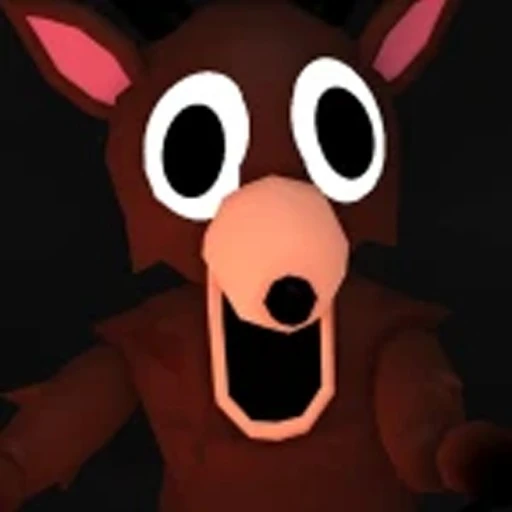
Two of the biggest horror experiences on Roblox could not be more different. 99 Nights in the Forest drops you into a sprawling wilderness where you build camp, tame animals, rescue lost children, and survive nighttime terrors alongside your co-op team. Forsaken strips everything down to raw tension: eight survivors versus one player-controlled killer in a Dead by Daylight-inspired format where every match is a desperate sprint for survival.
Both are free to play, genuinely terrifying, and pulling massive concurrent numbers in 2026. But they represent opposite philosophies -- one is about building and enduring together over long sessions, and the other is about short, high-intensity rounds where a single mistake gets you killed.
This comparison covers every category that matters so you can decide which fits your playstyle -- or whether you should just play both.
99 Nights in the Forest vs Forsaken -- Quick Stats (2026)
| Category | 99 Nights in the Forest | Forsaken |
|---|---|---|
| Genre | Co-op horror survival | Asymmetric 8v1 horror |
| Place ID | 79546208627805 | 18687417158 |
| Developer | Grandma's Favourite Games | Forsaken Dev Team |
| Total Visits | 27.6B+ | 5.2B+ |
| Concurrent Players | ~330K CCU | ~70K CCU |
| Rating | Strong positive | 85.32% |
| Core Loop | Build camp, survive nights, explore biomes | Repair generators, escape the killer |
| Team Size | Co-op squad (PvE) | 8 survivors vs 1 killer |
| Key Game Pass | Decorator (199R) | VIP (799R) |
| Inspiration | Original survival concept | Dead by Daylight |
| Mobile-Friendly | Yes | Yes |
| Free-to-Play | Yes | Yes |
Gameplay -- What Do You Actually Do?
99 Nights in the Forest
99 Nights in the Forest is a survival game that takes the genre seriously. You spawn into a dense forest environment with nothing but your wits, and from there you need to gather resources, build a functional camp, and prepare to survive each passing night. The nights get progressively harder -- creatures grow more aggressive, resources become scarcer, and the forest itself seems to close in around you.
What separates this from a dozen other Roblox survival games is the depth of its systems. Building your camp is not just about slapping down walls. You are placing campfires strategically for warmth and light radius, setting up storage for food and crafting materials, and positioning defenses to funnel enemies into kill zones. The Decorator game pass (199 Robux) adds cosmetic customization, but the base building mechanics are free and surprisingly deep.
The biome system keeps exploration compelling across dozens of hours. Different regions contain different resources, creatures, and environmental hazards. One biome might have abundant wood but dangerous predators. Another might offer rare crafting materials but limited visibility due to fog. Learning which biomes to prioritize and when to risk venturing into dangerous territory is a core strategic decision.
Rescuing children scattered throughout the forest adds purpose that pure survival games often lack. Each rescued child contributes to your camp, giving tangible rewards for exploration. Taming animals serves a similar dual function: companionship and utility. A tamed animal can carry resources, alert you to threats, or provide other benefits that make each one worth the effort of earning its trust.
The co-op design means all of this scales with your squad. Splitting duties -- resource gathering, camp defense, exploration, child rescue -- creates natural division of labor. Communication matters. Planning matters. And when night falls and everything you built gets tested, the payoff hits different when you built it with friends.
Forsaken
Forsaken wastes no time. Eight survivors load into a dark environment. One player becomes the killer. The survivors need to locate and repair generators scattered across the map to power an escape route. The killer needs to hunt them all down before they get out. That is the entire premise, and the execution is razor-sharp.
Playing as a survivor is controlled panic from the opening seconds. You can see your objectives on a basic HUD, but reaching them means crossing open ground, navigating dark corridors, and listening constantly for the killer's approach. Repairing generators takes time -- time during which you are stationary, vulnerable, and making noise. Every repair is a calculated risk: do you commit to finishing this generator and risk getting caught, or do you abandon it and reposition when you hear footsteps getting closer?
The killer characters draw from Roblox myths and urban legends, giving Forsaken a distinct identity. Each killer has unique abilities -- some detect survivors through walls, others set traps at generators, some are fast but loud, others slow but nearly silent. Learning what you are up against each round is part of the challenge, and sometimes you do not figure it out until it is too late.
Playing as the killer is a power trip with a learning curve. You are stronger and faster than any individual survivor, but outnumbered eight to one. Effective killers learn patrol routes, predict behavior, and create pressure across the entire map rather than tunnel-visioning one target. The skill ceiling is genuinely high, and watching an experienced killer dismantle a coordinated team is compelling.
Rounds last between 5 and 15 minutes, which means you can fit several matches into an hour-long session. The quick turnaround keeps the energy high and ensures that a bad round does not cost you much time before you are back in the action.
Edge: 99 Nights in the Forest for depth and long-session engagement. Forsaken for intensity and quick-hit horror. The fundamental question is whether you want to build something over time or sprint for your life in short bursts.
Progression -- How Does Each Game Keep You Playing?
99 Nights in the Forest
Progression in 99 Nights is tied directly to your camp and your survival record. Each night you survive unlocks access to harder content, more dangerous biomes, and better crafting recipes. Your camp grows from a bare-minimum shelter into a fortified base with functional stations, storage systems, and defensive structures. The visual transformation of your camp from night one to night fifty is one of the most satisfying progression arcs on Roblox.
Animal taming functions as its own progression track. Finding, approaching, and earning the trust of different species takes patience and specific resources. Each tamed animal represents hours of investment, making them feel earned rather than collected. Losing one to a nighttime attack genuinely stings.
Child rescue serves as a quest system layered on top of survival. Each child is located in a specific area with specific challenges, giving directed objectives when open-ended survival starts to feel aimless. The rewards feed back into your camp's capabilities, creating a positive loop that rewards exploration without punishing cautious players.
The long-form nature means 99 Nights rewards dedication. A player with a hundred hours has a camp that reflects those hundred hours -- visible, tangible improvements that other players can walk through and appreciate. That social proof drives engagement in a way that hidden stat boosts cannot.
Forsaken
Forsaken handles progression through unlockable characters, perks, and cosmetics earned by playing matches. Experience accumulates regardless of whether you win or lose, though winning yields more, which keeps the grind feeling fair even during losing streaks. The killer unlock system is the standout -- each new killer plays differently enough that unlocking one feels like accessing a new gameplay mode rather than just getting a skin swap.
Survivor perks modify your toolkit in meaningful ways. Faster generator repairs, quieter movement, extended hearing range, the ability to temporarily hide your aura from killer detection -- each perk opens new strategic options. Two survivors running different builds will approach the same situation in noticeably different ways, encouraging experimentation.
Map knowledge is the hidden progression system. Forsaken's environments are dense with choke points, safe zones, risky shortcuts, and dead ends. A player with fifty hours of map knowledge will consistently outperform a mechanically skilled newcomer simply because they know where to run, where to hide, and where the killer is likely to approach from. This mastery curve rewards time investment without artificial gates.
Edge: 99 Nights in the Forest. The camp-building progression provides a tangible, visible record of your time investment that Forsaken's unlock system cannot match. Watching your camp evolve from a campfire in the dirt to a fortified woodland base is one of the most satisfying long-term progressions available on Roblox.
Graphics and Audio
99 Nights in the Forest
99 Nights gets mileage from its natural setting. Sunlight filters through the canopy during the day, casting dappled shadows. Nighttime plunges the world into convincing darkness where your campfire becomes the center of everything, and anything beyond its glow turns into vague, threatening shapes.
Biome variety keeps visuals fresh. Moving from dense pine forest to open meadow to swampy lowland changes the entire visual tone. Each biome has its own color palette, vegetation density, and weather patterns. Rain in the forest sounds different from rain in the swamp, and that environmental detail sells the world.
Audio work is atmospheric and functional. Animal sounds help locate wildlife before you see it. Creature noises scale in intensity as threats approach. A distant branch crack might be nothing -- or the only warning before something rushes your camp. The sound design trains you to listen like a real survivalist.
Forsaken
Forsaken's visual design uses darkness as a mechanic. Environments are underlit by design, forcing survivors to rely on limited light sources that simultaneously help them see and make them visible to the killer. Choosing whether to use your flashlight is a genuine tactical decision every second.
Killer character designs pull from Roblox myth iconography, giving them a visual identity that feels native to the platform. Each killer has unique animations, effects, and environmental tells that experienced survivors learn to recognize. When you spot a faint red glow around a corner, that split-second recognition can save your life.
Spatial audio is arguably Forsaken's most important system. Footsteps have directional audio telling you where threats are relative to you. Generator sounds carry through walls. The killer's ambient sounds -- breathing, mechanical noises, supernatural hums -- provide information skilled players decode in real time. Playing without headphones is a serious disadvantage.
Edge: 99 Nights in the Forest for environmental beauty and biome variety. Forsaken for functional horror atmosphere and sound design that directly serves gameplay. Both are top-tier on Roblox, but they aim for completely different moods.
Player Count and Community (July 2026)
99 Nights in the Forest is the larger game by every metric. Over 27.6 billion total visits and roughly 330K concurrent players place it among the most-played experiences on Roblox. Grandma's Favourite Games built something with mass appeal that transcends horror -- the building, taming, and exploration elements draw players who might never touch a pure horror game.
Forsaken holds strong at 5.2 billion visits and ~70K CCU with an 85.32% approval rating. The asymmetric format attracts a dedicated player base that returns consistently because PvP keeps matches fresh without relying on content updates. The community skews competitive, with tier lists, optimal perk builds, and highlight clips from both sides of the divide.
Community culture differs between the two. 99 Nights fosters collaboration -- players share camp designs, trade strategies, and help newcomers. Forsaken's community has a sharper competitive edge. Neither is toxic, but they attract different personalities.
Content creators have embraced both titles. 99 Nights generates long-form content -- camp tours, survival challenges, biome guides -- that performs well on YouTube. Forsaken produces viral short-form clips -- clutch escapes, impossible kills, jump scare compilations -- that thrive on TikTok and Shorts.
Edge: 99 Nights in the Forest. The raw numbers speak clearly. More than five times the total visits and several times the concurrent players demonstrate broader appeal and stronger retention. Forsaken is not small by any measure, but 99 Nights is operating on a different scale.
Game Passes and Monetization
99 Nights in the Forest
99 Nights keeps its monetization simple. The headline game pass is the Decorator (199 Robux), which unlocks cosmetic customization options for your camp. This is purely aesthetic -- it lets you personalize your base with decorative items, different material skins for structures, and visual flourishes that make your camp feel uniquely yours. No gameplay advantage, no power boost, just expression.
This restraint is noteworthy. The developers could easily sell structural upgrades or resource boosters, but they chose to keep the entire gameplay arc free and only monetize cosmetics. That player-friendly approach earns goodwill and likely contributes to the game's massive retention.
At 199 Robux (roughly $2.50 USD), the Decorator pass is affordable enough that most long-term players will grab it without feeling pressured. It is priced as a thank-you purchase rather than a gatekeeping mechanism.
Forsaken
Forsaken offers a broader lineup. The VIP pass (799 Robux) provides exclusive lobby areas, bonus experience, and VIP-only cosmetics. At roughly $10 USD, it is a serious commitment for players who know they will stick with Forsaken long-term.
The 2x Emotes pass (199 Robux) doubles your emote slots for social expression during lobbies and post-match screens. Entirely cosmetic, no gameplay impact, but in a social game the expanded library adds personality.
Forsaken's monetization is fair but asks more total investment than 99 Nights. The VIP pass alone costs four times the Decorator pass. Whether the perks justify that price depends on how much you value bonus experience and exclusive cosmetics -- nice-to-haves, not must-haves.
Edge: 99 Nights in the Forest. Cheaper entry point, cleaner monetization philosophy, and no temptation to spend big. The Decorator pass at 199R is the only purchase you will ever consider, and the game is fully enjoyable without it.
Social Features -- Playing with Friends
99 Nights in the Forest
99 Nights is co-op at its core, and the social design reflects that. Building camp together, dividing roles, and surviving increasingly brutal nights creates genuine team bonding that few Roblox games achieve. The shared struggle of barely making it through a night creates stories you will retell.
The camp becomes a social space. When you are not under threat, you are walking through a base your team built together -- each player's contributions visible in structures and defenses. Showing off your camp or visiting someone else's adds a dimension that pure action games lack. The Decorator pass enhances this with personality through camp aesthetics.
Animal taming adds shared experience. Discovering a species together, working out how to tame it, and integrating the animal into camp gives collaborative goals beyond raw survival -- the kind of moments that generate inside jokes and keep friend groups returning long after the mechanics become familiar.
Forsaken
Forsaken's social dynamics are more complex. The 8v1 format means cooperating with seven survivors while being hunted by a ninth player who might be your friend. Being hunted by someone who knows your habits adds personal stakes that strangers cannot.
Survivor communication is the lifeblood of good Forsaken play. Callouts about killer position, coordinated generator rushes, distraction plays -- the social interaction is constant and high-stakes. A friend group on voice chat will generate more memorable moments per hour than almost any other Roblox experience.
The post-match debrief is its own ritual. Survivors share close calls. The killer explains strategy. These conversations happen organically after every round and keep social energy flowing. Forsaken is as much about the stories you tell about it as the gameplay itself.
Edge: Forsaken. The asymmetric format creates richer, more varied social interactions per session. 99 Nights builds deeper cooperative bonds over time, but Forsaken generates more memorable social moments per hour. For a friend group looking for their next regular game night, Forsaken is the stronger pick.
Replay Value -- Will You Still Play Next Month?
99 Nights in the Forest
99 Nights has replay value that sneaks up on you. The early game is about survival basics -- first camp, crafting system, getting through the night. The mid-game opens up with deeper biomes, exotic animals, and children in dangerous locations. The late game is optimization, decoration, and mastery -- pushing your survival streak, building the most efficient camp, collecting everything the forest offers.
This arc sustains hundreds of hours before you feel like you have seen everything. And because the game keeps adding biomes, creatures, and events, the content keeps expanding. Grandma's Favourite Games maintains a consistent update cadence, so the replay value is not just what exists today but what is coming next.
The cooperative element extends longevity further. Even after mastering the loop yourself, helping a friend through their first twenty nights is a different experience. You are playing teacher, guide, and teammate simultaneously, and that role shift keeps familiar content fresh.
Forsaken
Forsaken's replay value is structural. The asymmetric PvP format means no two rounds are identical. An aggressive killer creates a sprint-for-your-life experience. A patient killer creates a slow-burn thriller. Eight survivors making unpredictable decisions generate complexity that AI scripting cannot replicate.
The dual-role design gives you two games. Once you start experimenting with killer roles, you approach familiar maps from a completely different perspective. The map knowledge that made you a great survivor becomes the map knowledge that makes you a terrifying killer.
The competitive element adds indefinite longevity. There is always a better killer to outplay, a harder team to escape from, a new strategy to test. You stop playing Forsaken when you stop wanting to get better, and for competitive players, that day never comes.
Edge: Forsaken. The human-driven unpredictability of asymmetric PvP creates replay value that content updates cannot match. 99 Nights has excellent long-term content and progression, but Forsaken's structural design means it is inherently replayable in a way that PvE games have to constantly work to achieve through new content drops.
Earning Potential -- Free Robux While You Play
Both games pair well with Earnaldo for earning free Robux during natural gameplay breaks. 99 Nights in the Forest has built-in downtime during daytime phases when threats are minimal -- perfect moments to tab over and complete quick earning tasks. Forsaken's 5-15 minute rounds with matchmaking gaps between games provide frequent short breaks that fit earning sessions naturally.
For game-specific strategies, check out our 99 Nights in the Forest free Robux guide and Forsaken free Robux guide. Stay current with working codes: 99 Nights codes | Forsaken codes.
Earn Free Robux for 99 Nights or Forsaken
Earnaldo lets you complete simple tasks and withdraw real Robux -- no generators, no downloads, no nonsense. Use your earnings to grab game passes in either title.
Head-to-Head Verdict -- 99 Nights in the Forest vs Forsaken in 2026
The Verdict
Choose 99 Nights in the Forest if you want a rich, long-form survival experience that rewards patience, teamwork, and exploration. The camp-building progression is one of the most satisfying on Roblox, the biome variety keeps the world feeling expansive, and the co-op design makes it one of the best games to play with a regular squad. Its 27.6 billion visits and 330K CCU are earned through genuine depth, not gimmicks. Best for players who want to invest in a game that grows with them over weeks and months.
Choose Forsaken if you want tight, high-tension horror rounds that deliver adrenaline in concentrated bursts. The asymmetric 8v1 format is masterfully executed, the killer designs are memorable, and the PvP unpredictability means the game stays fresh without needing constant content updates. Its 85.32% approval rating and 70K CCU prove the formula works. Best for players who want competitive horror with the thrill of outsmarting human opponents on both sides.
Overall winner: 99 Nights in the Forest -- by a meaningful but not overwhelming margin. The sheer depth of its survival systems, the visible camp progression, the broader player base, and the more accessible monetization make it the stronger recommendation for most Roblox players. However, Forsaken is the better horror game in pure intensity terms, and its competitive replay value is structurally superior. If you live for PvP tension, Forsaken might be your actual winner. These are different games solving different problems, and the best answer for many players is to keep both in rotation.
Who Should Play What?
- You love building and crafting: 99 Nights in the Forest. The camp system is deep, satisfying, and visually rewarding over long play sessions.
- You want maximum scare factor: Forsaken. Being hunted by a human-controlled killer with unique abilities creates real fear that AI threats cannot match.
- You have a regular co-op squad: 99 Nights in the Forest. The division of labor and shared camp ownership make it the better dedicated-group game.
- You enjoy competitive mind games: Forsaken. Outplaying a skilled killer or systematically dismantling a coordinated survivor team is deeply satisfying.
- You have limited play sessions (under 30 minutes): Forsaken. Quick 5-15 minute rounds mean you can fit meaningful gameplay into short windows.
- You want to spend as little Robux as possible: 99 Nights in the Forest. The Decorator pass at 199R is the only game pass, and it is entirely cosmetic.
- You want long-form progression: 99 Nights in the Forest. Watching your camp evolve from nothing to a fortified base is unmatched on Roblox.
- You want to earn Robux while playing: Both work with Earnaldo. 99 Nights has daytime lulls; Forsaken has between-match gaps. Pick the one that fits your earning style.
Frequently Asked Questions
Is 99 Nights in the Forest or Forsaken more popular on Roblox in 2026?
99 Nights in the Forest is the larger game. It commands roughly 330K concurrent players and has surpassed 27.6 billion total visits, making it one of the most-visited experiences on Roblox. Forsaken holds steady at around 70K CCU with 5.2 billion visits. Both are massive, but 99 Nights operates at a significantly larger scale in terms of raw player numbers.
Which game is scarier -- 99 Nights in the Forest or Forsaken?
Forsaken delivers sharper, more immediate scares because the killer is controlled by a human player making unpredictable decisions. The asymmetric format creates genuine tension that AI-driven threats struggle to replicate. 99 Nights in the Forest builds a different kind of horror -- slow-building dread as nights get darker, resources run low, and creatures attack from unexpected directions. Forsaken is scarier in the moment; 99 Nights is scarier across a full session.
Can you play 99 Nights in the Forest solo?
Yes, 99 Nights supports solo play, but it is designed for co-op teams. Going solo is significantly harder because building camp, gathering resources, taming animals, and surviving nights all demand multitasking that a team handles more naturally. It is playable alone, but the intended experience is cooperative. Forsaken requires multiple players because its 8v1 core mechanic cannot function solo.
Which game has better game passes -- 99 Nights or Forsaken?
99 Nights offers the Decorator pass at 199 Robux for cosmetic camp customization. Forsaken has VIP at 799 Robux (bonus XP, exclusive cosmetics, VIP lobby) and 2x Emotes at 199 Robux. 99 Nights has the cheaper and simpler option. Forsaken offers more variety but at a higher total price. Neither game locks gameplay behind paywalls -- both are fully enjoyable as free-to-play experiences.
Do 99 Nights in the Forest and Forsaken get regular updates?
Both games receive consistent updates from their development teams. Grandma's Favourite Games regularly adds new biomes, creatures, and seasonal content to 99 Nights, keeping the exploration loop fresh for returning players. Forsaken's dev team introduces new killer characters inspired by Roblox myths, new maps, and balance adjustments that keep the competitive meta evolving. Both studios have demonstrated strong post-launch support.
Which Roblox horror game should I try first -- 99 Nights or Forsaken?
If you are new to Roblox horror, start with 99 Nights in the Forest. Its co-op PvE format lets you learn the genre at your own pace without a human player actively trying to kill you. The building and taming systems give you goals beyond raw survival, which helps new players stay engaged. If you already enjoy horror games and want competitive tension, go straight to Forsaken -- the 8v1 format is immediately gripping and the short round times mean you can learn by playing rather than studying.