99 Nights in the Forest vs Grow a Garden (2026) -- Which Roblox Game Is Better?
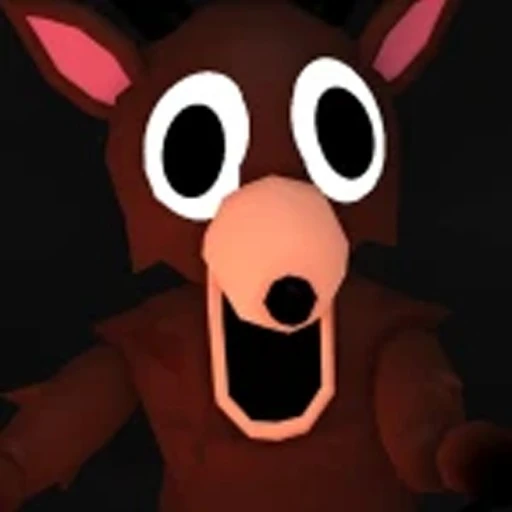
Two of the most played games on Roblox right now couldn't be more different. 99 Nights in the Forest drops you into a dark, hostile wilderness where every sound could mean something is hunting you. Grow a Garden hands you a watering can, a patch of dirt, and all the time in the world to turn it into something beautiful. One game makes your heart race. The other slows it down on purpose.
Together, these two titles account for over 63 billion visits and hundreds of thousands of concurrent players at any given hour. They represent opposite ends of the Roblox experience spectrum — adrenaline-fueled survival horror on one side, peaceful farming zen on the other. This comparison breaks down everything from core gameplay loops to progression systems so you can decide which one deserves your next session, or whether you need both in your rotation.
99 Nights in the Forest vs Grow a Garden -- Quick Stats (2026)
| Category | 99 Nights in the Forest | Grow a Garden |
|---|---|---|
| Genre | Co-op horror survival | Farming simulator |
| Developer | Grandma's Favourite Games | Grow a Garden Studio |
| Place ID | 79546208627805 | 126884695634066 |
| Total Visits | 27B+ | 35B+ |
| Peak CCU | 14.2M | 21.9M |
| Core Loop | Build camp, survive nights, rescue children, explore | Plant seeds, water crops, grow plants, trade |
| Team Size | 1-4 co-op | Solo or social multiplayer |
| Tone | Dark, tense, atmospheric horror | Calm, cozy, relaxing |
| Key Game Pass | Decorator (199 Robux) | Various cosmetic boosts |
| Mobile-Friendly | Yes | Yes |
| Free-to-Play | Yes | Yes |
Gameplay -- What Do You Actually Do?
99 Nights in the Forest
You and up to three teammates spawn at the edge of a dense, procedurally influenced forest with nothing but basic supplies. Your objectives shift depending on the session — sometimes you're rescuing lost children scattered across the map, other times you're surviving a set number of increasingly brutal nights while building and defending a base camp. The forest is divided into distinct biomes, each with its own environmental hazards, resource pools, and creature types that keep exploration from ever feeling routine.
During the day, the pace is methodical. You scavenge wood, stone, and food. You reinforce your camp's walls and craft tools. You scout nearby areas to plan your routes for when darkness falls. Then the sun disappears, and the game transforms. Visibility drops to whatever your flashlight can reach. Ambient sounds sharpen into direct threats. Creatures begin circling your camp with behavior patterns that shift based on the night number — early nights feel manageable, but by night five or six, multiple threat types converge simultaneously and test every piece of your preparation.
The animal taming system adds a surprising layer of depth. Certain creatures in the forest can be befriended with the right food items and patience, and tamed animals provide buffs like increased carrying capacity, threat detection, or passive resource gathering. Building up a roster of tamed companions across multiple sessions gives veteran players tools that genuinely change how they approach later challenges. The biome variety — from frozen tundra zones to swampy lowlands to volcanic ridges — means there's always a new environment to learn, and each biome demands different survival strategies.
Grow a Garden
Grow a Garden strips away every ounce of pressure and replaces it with patience and reward. You start with a small garden plot and a handful of basic seed types. You plant, you water, you wait. When your crops mature, you harvest them for coins, experience, or trade value. As you level up, you unlock new seed varieties, expanded garden space, decorative items, and entirely new areas to cultivate.
The brilliance of Grow a Garden is how satisfying it makes simple actions feel. Watering a row of seedlings produces a gentle visual feedback loop — the plants respond, the soil changes color, and progress bars fill at a pace that feels earned without being punishing. Rare seed types take longer to grow but yield significantly higher rewards, creating a natural progression curve where patience is the primary skill being tested. The game doesn't rush you. There are no timers counting down, no enemies threatening your crops, and no failure states that wipe your progress.
Trading is where the social layer opens up. Players can visit each other's gardens, compare crop collections, and trade plants directly. Rare and legendary plant varieties become status symbols and trading currency within the community. The trading economy has developed its own meta — certain plant combinations are worth more than the sum of their parts, and experienced traders build collections strategically to maximize value. For a game with such straightforward mechanics, the depth of its player-driven economy is remarkable.
Grow a Garden has earned its position as the biggest new Roblox game of 2026 not by adding complexity but by refining simplicity. Every system in the game serves the core loop of plant, grow, collect, and trade. There's no bloat, no feature creep, and no mechanic that distracts from the central experience of watching your garden expand.
Edge: Depends on your mood. 99 Nights wins for players who want mechanical depth, strategic decision-making, and high-stakes tension. Grow a Garden wins for players who want a stress-free experience that rewards consistency over skill. These are fundamentally different types of gameplay, and comparing them on the same axis would be reductive.
Progression -- How Deep Does It Go?
99 Nights in the Forest uses a layered progression system built around survival milestones. Every session grants experience based on nights survived, children rescued, creatures defeated, and resources gathered. Leveling up unlocks new crafting recipes that expand your survival toolkit — better walls, stronger weapons, upgraded flashlights, and specialized gear for specific biomes. The Decorator Game Pass (199 Robux) adds a cosmetic progression track for camp customization, letting you personalize your base with furniture, lighting, and aesthetic items that carry over between sessions. Seasonal events introduce limited-time content that keeps the unlock pipeline fresh.
The biome unlock system provides meaningful long-term goals. New biomes become accessible as you reach certain levels and complete specific challenges in previous areas. Each new biome introduces unique resources, creatures, and crafting recipes that aren't available elsewhere. This structure gives players clear targets to work toward and ensures that the 50-hour experience feels meaningfully different from the 5-hour experience.
Grow a Garden takes an approach to progression that mirrors its gameplay philosophy — gradual, visible, and deeply satisfying. Your garden itself is your progression. Every new seed type unlocked, every plot expanded, every rare plant grown is a tangible mark of how far you've come. The level system gates access to new garden areas, each with distinct soil types, weather conditions, and plant varieties suited to that environment. A desert greenhouse plays differently from a tropical rainforest plot, and unlocking each one feels like opening a new chapter.
The collection system drives completionist behavior in a healthy way. There are hundreds of plant varieties across common, uncommon, rare, epic, and legendary tiers. Filling out your plant encyclopedia becomes an overarching goal that gives purpose to every seed you plant. Some legendary plants can only be obtained through specific growing conditions or trading, which ties progression directly to community engagement.
Edge: 99 Nights in the Forest. Its progression has more mechanical depth — unlocking a new crafting recipe changes how you play, while unlocking a new seed in Grow a Garden extends the same loop. Both are satisfying, but 99 Nights offers more variety in what progression actually gives you.
Graphics and Atmosphere
These two games could not look or feel more different, and both are exceptional at what they're going for.
99 Nights in the Forest is one of the best-looking horror games on Roblox, period. The dynamic lighting system creates real tension — your flashlight beam cuts through volumetric fog, casting long shadows that move with the wind and make you second-guess whether that shape between the trees is a rock or something waiting. The biome diversity keeps the visual experience fresh across dozens of hours. Frozen biomes bathe everything in pale blue moonlight against white snow. Volcanic biomes glow with amber haze and distant lava flows. Swamp biomes use heavy fog and muted green tones that limit sightlines to an oppressive degree. The sound design ties it all together — distant animal calls, rustling underbrush, the crack of a branch that might be you stepping on it or might be something else entirely.
Grow a Garden goes in the exact opposite direction and lands with equal precision. The visual palette is warm, bright, and inviting. Plants are rendered with detailed growth stages that make watching them develop genuinely pleasant. Water effects shimmer. Soil textures change as moisture levels shift. Garden areas are designed with cozy aesthetics — stone pathways, wooden fences, hanging lanterns, and seasonal decorations that rotate throughout the year. The audio matches the visuals: gentle ambient music, the soft patter of a watering can, birdsong that changes based on time of day and garden location. Everything in Grow a Garden is designed to lower your heart rate.
Edge: Tie. 99 Nights is a technical showcase for horror atmosphere on Roblox. Grow a Garden is a masterclass in cozy game design. Both execute their respective visions at the highest level the platform allows.
Player Count and Community (July 2026)
99 Nights in the Forest has built a massive audience over time, surpassing 27 billion visits with peaks reaching over 14 million concurrent players. The community centers around co-op strategy — Discord servers are packed with LFG channels, biome-specific survival guides, and tamed animal tier lists. YouTube and TikTok content leans toward highlight reels of close survival runs, new biome explorations, and update breakdowns. The player base skews toward older Roblox players who enjoy team coordination and high-stakes gameplay. For detailed strategies and code redemptions, see our 99 Nights in the Forest free Robux guide.
Grow a Garden has established itself as the breakout hit of 2026, crossing 35 billion visits in a remarkably short window. The game's appeal cuts across every demographic on Roblox — young players love the low-stress gameplay, experienced players get hooked on the trading meta, and casual players appreciate being able to make meaningful progress in short sessions. The community is one of the friendliest on the platform, with garden showcases, trading hubs, and growing guides dominating its social spaces. Content creators have gravitated toward Grow a Garden for its photogenic qualities — lush garden tours perform well on every platform. Our Grow a Garden free Robux guide covers earning strategies tailored to the game.
Both communities are active and welcoming, though they attract different personality types. If you're drawn to strategic discussion and teamwork, 99 Nights' community will resonate. If you prefer sharing accomplishments and trading in a relaxed social environment, Grow a Garden's community is hard to beat.
Game Passes and Monetization
99 Nights in the Forest keeps its monetization lean and player-friendly. The headline offering is the Decorator Game Pass at 199 Robux, which unlocks an extensive camp customization system with furniture, lighting options, wall skins, and decorative items. This pass is entirely cosmetic and social — it doesn't provide any survival advantage, but it adds a meaningful layer of personal expression to your base camp. Additional passes offer quality-of-life improvements like expanded inventory slots and cosmetic character outfits. The game's core content, including all biomes, crafting recipes, and gameplay mechanics, is fully accessible without spending anything.
Grow a Garden monetizes through a mix of cosmetic passes and optional convenience items. Garden decoration packs let you personalize your plots with themed furniture and ornaments. Speed-growth boosts reduce waiting times for specific crops, offering a shortcut that doesn't affect the trading economy in any meaningful way. Cosmetic character outfits and gardening tool skins round out the shop. Like 99 Nights, all core gameplay is free — you can grow every plant variety, access every garden area, and participate in every trade without spending Robux.
Edge: Tie. Both games follow the same philosophy — charge for cosmetics and convenience, give away the actual game for free. Neither title engages in aggressive monetization, and neither gates meaningful content behind paywalls. The Decorator pass in 99 Nights is a strong value proposition for players invested in camp building, while Grow a Garden's shop offers small quality-of-life perks that never feel mandatory.
Social Features
99 Nights in the Forest is fundamentally a social game disguised as a survival horror title. The four-player co-op structure demands constant communication — who's gathering resources, who's reinforcing the camp, who's scouting, and who's on watch when night falls. Voice chat compatibility and an in-game ping system facilitate real-time coordination. The shared inventory management forces collaborative decision-making about resource allocation. Private servers let established friend groups run sessions together without random matchmaking interference. The difficulty scales with team size, so duo runs feel as intentionally designed as full four-player sessions. The bonds that form during a tense night-seven survival are the kind of shared experiences that keep friend groups coming back.
Grow a Garden takes a gentler approach to social interaction that matches its overall vibe. You can visit other players' gardens to see their layouts, browse their plant collections, and initiate trades. The visiting system is opt-in and low-pressure — there's no competitive element, no way to sabotage someone's garden, and no reason to interact with anyone who doesn't want to. Trading is where the social depth lives. Negotiating rare plant swaps, building relationships with regular trading partners, and participating in community trading events create organic social connections without the stress of competitive or survival contexts. Garden showcases — where players open their gardens for public viewing — have become a community tradition that's as much about socializing as it is about showing off.
Edge: 99 Nights in the Forest. Its co-op design makes social interaction essential rather than optional, which creates stronger bonds between players. Grow a Garden's social layer is pleasant and well-designed, but it's supplementary to the core experience rather than central to it.
Replay Value -- Will You Still Play Next Month?
99 Nights in the Forest generates replay value through variety and challenge escalation. The biome system means you're experiencing meaningfully different environments as you progress. Difficulty tiers transform familiar maps into fresh challenges — a forest biome on Normal and the same biome on Nightmare are functionally different games in terms of threat density, resource scarcity, and creature behavior. Seasonal events add limited-time content that creates urgency to play during specific windows. The co-op format also means that team composition affects every session — running with a new group produces different dynamics than playing with your regular squad. The animal taming system adds a collection element that gives completionists long-term goals beyond survival.
Grow a Garden's replay value is built into its DNA. The game is designed to be played in short, regular sessions over weeks and months rather than marathon sittings. Plant growth timers mean you check in, water your crops, harvest what's ready, plant new seeds, and come back later. This cadence keeps the game in your daily rotation without demanding hours of continuous attention. The steady drip of new seed unlocks, area expansions, and seasonal plant varieties maintains a sense of forward momentum that never stalls. The trading economy adds social replay value — there's always a new rare plant to hunt for, a better trade to negotiate, or a collection milestone to reach.
Both games receive consistent developer updates. 99 Nights adds new biomes, creatures, seasonal events, and crafting content on a regular schedule. Grow a Garden pushes frequent updates with new seed types, garden areas, decorative items, and community events that keep the content pipeline flowing.
Edge: Grow a Garden. Its session structure is specifically designed for sustained daily engagement over months, and the trading economy creates social reasons to keep playing that don't depend on developer content drops. 99 Nights has excellent replay value, but its longer session format means players are more likely to take extended breaks between play periods.
Earning Free Robux While You Play
Whether you're saving up for the Decorator Game Pass in 99 Nights or eyeing a cosmetic bundle in Grow a Garden, Earnaldo lets you earn free Robux by completing straightforward tasks like surveys, watching videos, and trying mobile apps. Both games have natural idle moments that line up well with earning — 99 Nights during daytime scavenging phases, Grow a Garden during crop growth timers — making it easy to stack Robux earning on top of your normal play sessions.
For game-specific earning strategies, check out our 99 Nights in the Forest free Robux guide and our Grow a Garden free Robux guide.
Earn Free Robux for Either Game
Complete simple tasks on Earnaldo and withdraw real Robux -- no downloads, no generators, no scams.
Head-to-Head Verdict -- 99 Nights in the Forest vs Grow a Garden in 2026
The Verdict
Choose 99 Nights in the Forest if you want a game that tests your nerve and rewards teamwork under pressure. Grandma's Favourite Games has built one of the most polished co-op survival horror experiences on Roblox — the biome variety, creature behavior, camp building, and animal taming systems create a game with real mechanical depth. With 27 billion visits and an all-time peak north of 14 million concurrent players, the audience has spoken: this is the standard for Roblox horror in 2026. It demands your attention, punishes carelessness, and delivers the kind of tension that makes every successful survival feel earned.
Choose Grow a Garden if you want a game that respects your time and rewards your patience. The biggest new Roblox game of 2026 didn't earn its 35 billion visits through flashy mechanics or competitive pressure — it earned them by making the simple act of growing a garden feel genuinely satisfying. The trading economy adds social depth, the progression feels generous without being trivial, and the entire experience is designed to be a calm space in a platform full of high-intensity titles. This is the game you play when you want to feel good without any preconditions.
The bottom line: These games serve completely different needs, and the best answer for most players is to have both in rotation. Play 99 Nights when you want adrenaline and teamwork. Play Grow a Garden when you want peace and progress. They complement each other perfectly precisely because they share nothing in common except being two of the best things on Roblox right now.
Who Should Play What?
- You want heart-pounding survival with friends: 99 Nights in the Forest. Its four-player co-op horror is built for squads who communicate and coordinate.
- You want a relaxing game to unwind after school or work: Grow a Garden. Its entire design philosophy is built around calm, rewarding gameplay.
- You enjoy collecting and trading: Grow a Garden. The plant trading economy is one of the most active on Roblox.
- You like exploring new environments: 99 Nights in the Forest. Its biome system delivers genuinely distinct worlds to discover and master.
- You play in short sessions: Grow a Garden. Its check-in-and-go structure fits perfectly into busy schedules.
- You play in long sessions with a dedicated group: 99 Nights in the Forest. Multi-night survival runs are best experienced in extended sittings with a consistent squad.
- You're looking for a game your younger sibling can enjoy: Grow a Garden. Zero stress, zero scares, all smiles.
- You want to tame animals and build a base: 99 Nights in the Forest. The taming and camp systems add depth that most Roblox games lack.
Frequently Asked Questions
Both games are among the most visited titles on Roblox. 99 Nights in the Forest has surpassed 27 billion visits with an all-time peak of over 14 million concurrent players. Grow a Garden has crossed 35 billion visits and holds the title of the biggest new Roblox game of 2026. In terms of total visits, Grow a Garden has actually pulled ahead, and its growth trajectory has been extraordinary for a farming simulator.
Yes, both games support multiplayer. 99 Nights in the Forest is designed for co-op teams of up to four players who survive together. Grow a Garden lets you visit friends' gardens, trade plants, and share the farming experience in a more relaxed social setting. The multiplayer experience is fundamentally different — one is about survival coordination under pressure, the other is about casual hangouts and cooperative trading.
Grow a Garden is the clear choice for younger players. Its calm farming gameplay, bright visuals, and zero-stress progression make it welcoming for all ages. 99 Nights in the Forest features dark environments, tense survival mechanics, and creature encounters designed to be frightening — it's intended for players who enjoy horror and can handle the associated tension.
Neither game requires Robux to access its core content. 99 Nights in the Forest offers optional game passes like the Decorator pass (199 Robux) for camp customization. Grow a Garden sells cosmetic items and optional quality-of-life boosts. Both games are generous with free content and don't lock essential progression behind paywalls.
Both development teams maintain active update schedules. Grow a Garden pushes updates frequently with new seed types, garden areas, and seasonal events — its rapid growth in 2026 has been supported by consistent content drops. 99 Nights in the Forest receives regular updates with new biomes, creatures, and seasonal events on a slightly less frequent but equally substantial cadence.
Yes. Platforms like Earnaldo let you earn free Robux by completing tasks such as surveys, watching videos, and trying apps. The Robux you earn can be spent on game passes or cosmetics in either game. Check out our dedicated free Robux guides for 99 Nights in the Forest and Grow a Garden for game-specific earning strategies.