99 Nights in the Forest vs Steal a Brainrot (2026) -- Which Roblox Game Is Better?
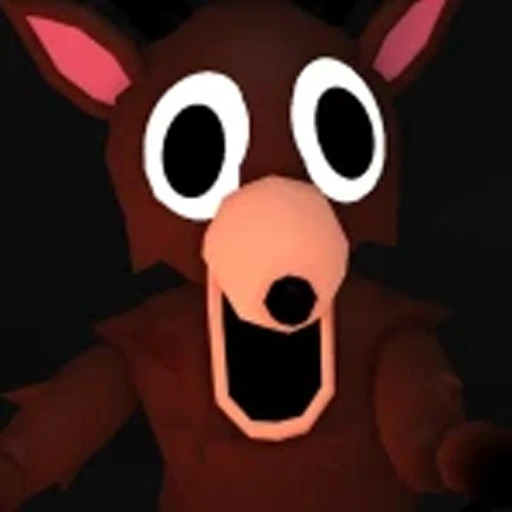
Two of the most-played games on Roblox right now serve completely different appetites. 99 Nights in the Forest is a co-op horror survival experience where you build camp, gather resources, rescue lost children, and survive 99 increasingly brutal nights in a haunted forest. Steal a Brainrot is a chaotic PvP collector where you buy meme-inspired voxel characters off a conveyor belt, stack passive income, and steal brainrots from other players before they steal yours.
One is atmospheric, tense, and built around long-term teamwork. The other is loud, fast, and built around outsmarting everyone around you. Both pull massive concurrent player numbers. Both are free to play. And both have earned their spots near the top of the Roblox charts throughout 2026.
This comparison breaks down every category that matters -- gameplay depth, progression systems, visuals, monetization, social features, replay value, and more -- so you can figure out which one deserves your time. Or whether you should just keep both in rotation.
99 Nights in the Forest vs Steal a Brainrot -- Quick Stats (2026)
| Category | 99 Nights in the Forest | Steal a Brainrot |
|---|---|---|
| Genre | Co-op horror survival | PvP brainrot collector |
| Place ID | 79546208627805 | 109983668079237 |
| Developer | Grandma's Favourite Games | BRAZILIAN SPYDER (SpyderSammy) |
| Total Visits | 26B+ | 67B+ |
| Concurrent Players | ~169K CCU | ~176K CCU |
| All-Time Peak CCU | 14.2M | 25.8M (Roblox record) |
| Core Loop | Build camp, survive nights, rescue children | Buy brainrots, earn income, steal from rivals |
| Team Size | Co-op squad (PvE) | Free-for-all PvP servers |
| Key Game Passes | Decorator (199R), Survival Kit (299R) | VIP (499R), 2x Money (299R), Flying Carpet (375R) |
| Inspiration | Original survival horror concept | Italian Brainrot memes + capture the flag |
| Mobile-Friendly | Yes | Yes |
| Free-to-Play | Yes | Yes |
Gameplay -- What Do You Actually Do?
99 Nights in the Forest
You and your squad spawn into a dense, cursed forest with nothing. The goal: gather resources during the day, build and fortify your camp, and survive the horrors that emerge each night. Nights get progressively worse -- creatures grow more aggressive, new entity types appear, and the forest closes in around your position.
The day-night cycle drives everything. Daylight means chopping trees, hunting animals for pelts and food, and exploring structures scattered across the map -- cottages, crashed planes, strongholds -- each containing potential weapons, loot, or clues about the four lost children you need to rescue. When the sun sets, you get back to camp, fuel your campfire, and brace for whatever comes.
Camp construction goes well beyond placing walls. You position campfires for optimal light radius, build crafting stations and storage systems, and create defensive layouts that funnel enemies into kill zones. The class system lets you specialize -- a Scavenger gets extra inventory space, while other classes bring different passive abilities that shape your team role.
The biome system keeps exploration rewarding across dozens of hours. The Jungle Biome (added March 2026) brought new terrain and a Cat Entity. Volcanic areas offer late-game content with Cultist Kings. Each biome has its own resource pools, creatures, and hazards, so pushing into new territory always feels like genuine progress.
Steal a Brainrot
You start with a base, a small amount of cash, and access to a conveyor belt running through the center of the map. Brainrots -- voxel characters based on the Italian Brainrot meme phenomenon -- appear on the belt at various rarities and price points. Buy them, place them in your base, and they passively generate income. Rarer brainrots produce more cash. The goal is to accumulate the richest collection possible.
The twist is right there in the title: you can steal brainrots from other players. Walking into someone's base, grabbing a brainrot, and sprinting back is the core competitive mechanic. But when you steal, you get slowed, stripped of all items, and the owner is alerted. Every player on the server can attack you while you carry stolen goods. That risk-reward tension keeps every session unpredictable.
Defense matters equally. Your base has a shield button that temporarily locks other players out. Timing it correctly -- locking down when you spot a thief approaching, or baiting someone into overcommitting before slamming the shield -- adds genuine strategy beneath the simple surface mechanics.
The rebirth system provides long-term depth. Resetting cash, brainrots, and upgrades in exchange for permanent multipliers, extra base slots, extended lock timers, and new gear creates a prestige loop that compounds over time. Each rebirth makes subsequent runs faster and more profitable.
Edge: 99 Nights in the Forest for gameplay depth and system complexity. Steal a Brainrot for immediate accessibility and competitive tension. 99 Nights asks for commitment and rewards it with a rich survival experience. Steal a Brainrot lets you jump in, start collecting, and engage in PvP theft within minutes.
Progression -- How Does Each Game Keep You Playing?
99 Nights in the Forest
Progression in 99 Nights is visible and tangible. Your camp starts as a bare campfire on dirt and evolves into a fortified base with crafting stations, storage systems, and defensive structures. Every returning player can see how far they have come by looking at what they built.
The night counter itself serves as a progression marker. Surviving night 10 feels different from surviving night 50, which feels different from pushing past night 80. Each tier introduces new threats and unlocks harder biomes and better crafting recipes. Child rescue gives directed objectives when open-ended survival needs a break, and animal taming adds emotional stakes -- losing a companion to a nighttime attack genuinely hurts.
The class system encourages replaying with different specializations. A second run as a different class shifts your team role and resource priorities, extending the progression timeline well beyond a single completed playthrough.
Steal a Brainrot
Progression runs on two parallel tracks: collection and rebirth. The collection track is straightforward -- acquire rarer brainrots, grow passive income, expand your base. The rebirth system is where long-term retention lives. Trading everything for permanent upgrades creates a prestige loop that accelerates over time. The Coins Shop unlocks new gear with each rebirth, ensuring veterans feel mechanically distinct from newcomers.
The theft mechanic adds a wild card. You can spend an hour building your collection through legitimate purchases, only to have a rare brainrot stolen in the final minutes. That volatility keeps progression feeling risky and exciting in a way that PvE systems cannot replicate.
Edge: 99 Nights in the Forest. The camp-building progression creates a physical record of your investment that other players can walk through and appreciate. Steal a Brainrot's rebirth loop is addictive, but it literally resets your visible progress each cycle. For players who want to build something lasting, 99 Nights delivers that feeling better than almost any game on Roblox.
Graphics and Audio
99 Nights in the Forest
Sunlight pushes through the canopy during the day, casting shifting shadows. Nighttime plunges the world into convincing darkness where your campfire becomes the only anchor -- everything beyond its glow dissolves into shapes that may or may not be threats. Biome variety keeps the visual experience fresh. Dense forest, swampy lowlands, volcanic areas, and the new Jungle Biome each have distinct color palettes, vegetation density, and weather patterns.
Audio design pulls serious weight. Distant creature sounds create ambient tension. A branch cracking behind you could be nothing or the only warning you get before something rushes your camp. Experienced players process audio cues subconsciously, reacting to threats before they consciously identify them.
Steal a Brainrot
Steal a Brainrot leans into a different visual identity entirely. The voxel art style is bright, exaggerated, and designed to make the Italian Brainrot characters instantly recognizable. Each brainrot has a distinct look that communicates its rarity tier at a glance -- you can tell the difference between a common and a legendary across the map, which is critical for theft decision-making.
The map design prioritizes gameplay clarity over atmospheric immersion. Bases are clearly delineated. The conveyor belt is visually prominent. Sightlines let you spot approaching thieves. Nothing about the art direction tries to be subtle, and that directness serves the fast-paced gameplay well. You are never confused about what is happening or where things are.
Audio in Steal a Brainrot is functional rather than atmospheric. Alert sounds when someone enters your base are sharp and unmistakable. The conveyor belt has audio cues for rare items appearing. Combat sounds communicate hits and misses clearly. It is not trying to create a mood -- it is trying to deliver information fast, and it succeeds at that narrow goal.
Edge: 99 Nights in the Forest. The atmospheric horror visuals, biome variety, and functional sound design create an immersive world that rewards attention. Steal a Brainrot's visuals are effective for their purpose, but they are not trying to compete on the same axis. If visual and audio quality matter to you, 99 Nights is the clear pick.
Player Count and Community (July 2026)
Steal a Brainrot holds the all-time Roblox concurrent player record at 25.8 million CCU. With over 67 billion total visits, it ranks among the most-visited experiences in Roblox history. Its current CCU hovers around 176K, consistently placing it in the platform's top five. The community is enormous, meme-driven, and heavily represented on TikTok and YouTube Shorts.
99 Nights in the Forest has surpassed 26 billion total visits with a current CCU of around 169K and an all-time peak of 14.2 million. A movie adaptation is in development at 20th Century Studios -- a signal of how deeply the game has reached mainstream awareness. The community skews toward longer-form content: camp tours, survival challenges, and co-op let's plays on YouTube.
Community cultures differ sharply. 99 Nights fosters collaboration -- players share camp designs and guide newcomers. Steal a Brainrot thrives on competition, meme culture, and the shared joy of watching someone lose a legendary brainrot to a well-timed heist.
Edge: Steal a Brainrot. The raw numbers give it the advantage -- more total visits, a higher peak CCU, and a broader cultural footprint through meme-driven social media content. 99 Nights is massive by any standard, but Steal a Brainrot operates at a scale that very few games on any platform have reached.
Game Passes and Monetization
99 Nights in the Forest
99 Nights keeps monetization tight. The Decorator pass (199 Robux) unlocks cosmetic camp customization -- a Paintbrush for changing furniture colors and a Hammer for removing placed items. The Survival Kit (299 Robux) provides two playable classes and 20 gems. Two passes, both under 300 Robux, neither required. No luck boosts, no power upgrades, no premium currency bundles.
Steal a Brainrot
Steal a Brainrot has a broader lineup. VIP (499 Robux) gives a 0.5x money boost, VIP chat tag, and +10 seconds to base lock duration. 2x Money (299 Robux) doubles passive income. Flying Carpet (375 Robux) gives aerial mobility. Laser Gun (749 Robux) provides ranged combat. Server Luck comes in three consumable tiers: 2x for 15 minutes (249R), 4x for 30 minutes (999R), and 8x for 45 minutes (2999R). The Admin Panel sits at 7499 Robux.
The consumable Server Luck passes are the most aggressive monetization element in either game -- you pay Robux for temporary boosts, meaning repeat purchases are built into the design. Nothing is required for competitive play, but the spending temptation surface is wider than 99 Nights offers.
Edge: 99 Nights in the Forest. Two affordable passes, no consumables, no pressure. The Decorator at 199R is the kind of purchase you make once and forget about. Steal a Brainrot's monetization is fair for a free-to-play game, but the consumable luck boosts and wide pass catalog mean spending temptation is always present.
Social Features -- Playing with Friends
99 Nights in the Forest
99 Nights is cooperative at its core. Dividing roles -- one player gathers resources, another manages camp defense, a third explores for children -- creates meaningful interdependence. The camp becomes a shared project everyone feels ownership over. Barely surviving a night because your teammate reinforced the walls at the last second, or rescuing a child while the squad provides covering support -- these moments build genuine bonds that keep friend groups returning.
Steal a Brainrot
Playing with friends means sharing a server where everyone is simultaneously an ally and a threat. The unspoken negotiation of "I will not steal from you if you do not steal from me" creates tension that cooperative games cannot generate. When a legendary brainrot appears on the conveyor, friends who were peacefully coexisting suddenly have to decide if their friendship outweighs the drop. These chaotic moments thrive on social media, and the meme-driven culture means engagement extends well beyond active gameplay.
Edge: 99 Nights in the Forest. The cooperative design creates deeper, more meaningful social bonds. Building something together and surviving together generates a type of connection that competitive games trade for excitement. Steal a Brainrot produces more viral social moments, but 99 Nights produces stronger friendships. For a regular gaming group looking for their next long-term game, 99 Nights is the better foundation.
Replay Value -- Will You Still Play Next Month?
99 Nights in the Forest
The biome system means there is always a new area to explore and new creatures to encounter. Seasonal events (the Easter update in March 2026 brought egg hunts, an NPC, and puzzles) inject fresh content regularly. The cooperative structure extends longevity through social replay -- helping a friend through their first run feels different from pushing your own record, and the class system encourages restarting with different specializations.
Steal a Brainrot
Replay value here is structural. The PvP theft mechanic means every session differs because human players are unpredictable. A server full of aggressive thieves plays nothing like one where everyone collects peacefully. The rebirth system adds a built-in grind -- each cycle makes the next run faster, and compounding returns create a satisfying acceleration curve. New brainrot characters and events tied to meme culture keep the meta shifting in culturally relevant ways.
Edge: Steal a Brainrot. The PvP unpredictability and rebirth loop create structural replay value that does not depend on content updates. 99 Nights has strong content-driven longevity, but Steal a Brainrot's design means it stays fresh through player behavior alone. When content updates land on top of that inherent variety, the combination is potent.
Earning Potential -- Free Robux While You Play
Both games pair naturally with Earnaldo for earning free Robux during gameplay breaks. 99 Nights in the Forest has built-in downtime during daytime resource gathering phases -- moments where your character is safe and your attention can briefly shift to completing earning tasks. Steal a Brainrot offers gaps between rebirth cycles and during base-shield cooldowns that fit quick earning sessions without disrupting your gameplay flow.
For game-specific earning strategies, check out our detailed guides: 99 Nights in the Forest free Robux guide and Steal a Brainrot free Robux guide. Stay current with working promotional codes: 99 Nights in the Forest codes | Steal a Brainrot codes.
Earn Free Robux for 99 Nights or Steal a Brainrot
Earnaldo lets you complete simple tasks and withdraw real Robux -- no generators, no downloads, no nonsense. Use your earnings to grab game passes in either title.
Head-to-Head Verdict -- 99 Nights in the Forest vs Steal a Brainrot in 2026
The Verdict
Choose 99 Nights in the Forest if you want atmospheric survival that rewards patience, cooperation, and long-term investment. The camp-building progression is one of the most satisfying on Roblox, the biome variety keeps exploration rewarding, and the minimal monetization means you never feel pressured to spend. Best for players who want depth and something to build together over weeks.
Choose Steal a Brainrot if you want fast-paced competitive action with a collecting hook that is hard to put down. The steal-or-be-stolen mechanic keeps sessions unpredictable, the rebirth system gives veterans a power curve to chase, and the meme-driven culture extends well beyond the game itself. With 67 billion visits and a record-breaking 25.8 million CCU peak, its cultural impact is undeniable.
Overall: these games serve different needs, and neither is a universal winner. 99 Nights wins on gameplay depth, atmosphere, co-op design, and monetization fairness. Steal a Brainrot wins on player count, competitive replay value, accessibility, and cultural relevance. For a brand-new Roblox player, Steal a Brainrot's lower barrier to entry makes it the easier starting point. For anyone willing to invest time, 99 Nights delivers a richer experience that sticks with you longer. The best move is to keep both installed and rotate based on your mood.
Who Should Play What?
- You love survival and base building: 99 Nights in the Forest. The camp system is one of the deepest on Roblox, and watching it evolve over time is half the appeal.
- You want competitive PvP with stakes: Steal a Brainrot. Stealing a legendary brainrot from someone's base while the entire server chases you down is a rush that PvE cannot replicate.
- You have a regular co-op squad: 99 Nights in the Forest. Dividing roles, building together, and surviving together creates bonds that competitive games trade for excitement.
- You have 15-20 minutes to play: Steal a Brainrot. Drop in, buy some brainrots, attempt a heist, drop out. The game works in short sessions without losing its appeal.
- You want horror and atmosphere: 99 Nights in the Forest. The nighttime terror, the creature sound design, and the forest environment create genuine dread that Steal a Brainrot does not attempt.
- You follow meme culture: Steal a Brainrot. The entire game is built on Italian Brainrot memes, and the community extends the jokes across TikTok, YouTube, and Discord.
- You want to spend as little Robux as possible: 99 Nights in the Forest. Two passes under 300R each, no consumables, no upsells. Steal a Brainrot is free too, but the temptation surface is wider.
- You want to earn Robux while playing: Both work with Earnaldo. 99 Nights has daytime lulls; Steal a Brainrot has between-rebirth gaps. Match your earning style to your gameplay style.
Frequently Asked Questions
Is 99 Nights in the Forest or Steal a Brainrot more popular on Roblox in 2026?
Steal a Brainrot holds the edge in raw numbers. It has over 67 billion total visits compared to 99 Nights' 26 billion, and it set the all-time Roblox concurrent player record at 25.8 million CCU. Both games currently sit near 170K concurrent players on average, placing them among the most-played experiences on the platform. Steal a Brainrot has the larger historical footprint, but both are operating at massive scale.
Which game is better for playing with friends -- 99 Nights or Steal a Brainrot?
99 Nights in the Forest is the stronger cooperative pick. Its survival mechanics are built around teamwork -- dividing roles, building camp together, and protecting each other during nighttime attacks. Steal a Brainrot supports playing on the same server with friends, but the competitive stealing mechanic means everyone is simultaneously an ally and a rival. Pick 99 Nights for deep co-op; pick Steal a Brainrot for competitive chaos with people you know.
Can you play 99 Nights in the Forest or Steal a Brainrot for free?
Both games are completely free to play with no required purchases. 99 Nights offers two optional passes: Decorator (199 Robux) for cosmetic camp customization and Survival Kit (299 Robux) for class unlocks. Steal a Brainrot has a wider pass catalog including VIP (499 Robux), 2x Money (299 Robux), and others. Every core mechanic in both games is accessible without spending Robux.
Which game has more game passes -- 99 Nights or Steal a Brainrot?
Steal a Brainrot has a significantly larger game pass selection. It offers VIP, 2x Money, Flying Carpet, Laser Gun, three tiers of Server Luck boosts, and the Admin Panel. 99 Nights in the Forest keeps things minimal with just the Decorator and Survival Kit passes. If you prefer a game with fewer monetization touchpoints, 99 Nights is the cleaner experience.
Do 99 Nights in the Forest and Steal a Brainrot get regular updates?
Both games receive consistent updates. Grandma's Favourite Games pushes new biomes, entities, seasonal events, and quality-of-life patches for 99 Nights -- the Jungle Biome and Cat Entity both arrived in March 2026. BRAZILIAN SPYDER updates Steal a Brainrot with new brainrot characters, events, balance changes, and map adjustments on a regular schedule. Both development teams have demonstrated reliable post-launch support throughout 2026.
Which game should I try first -- 99 Nights in the Forest or Steal a Brainrot?
If you prefer survival games, horror atmosphere, and cooperative teamwork, start with 99 Nights in the Forest. Its loop rewards patience and exploration across long sessions. If you prefer fast-paced PvP, collecting mechanics, short play sessions, and meme culture, start with Steal a Brainrot. Its core loop is immediately understandable and engaging within minutes. Both are free, so trying the other after you have spent time with one costs nothing but a download.