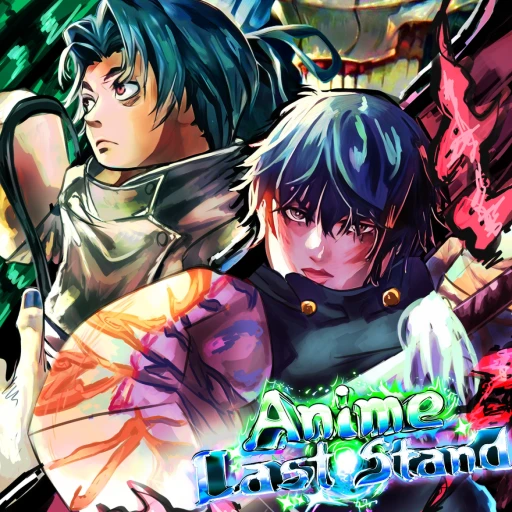
Anime Last Stand vs All Star Tower Defense (2026) — Which Roblox TD Is Better?
Anime Last Stand (ALS) and All Star Tower Defense (ASTD) are two of the most played anime tower defense games on Roblox heading into mid-2026. ALS, developed by [B:S] ALS Team, has crossed 1 billion visits and brought a fresh take on the genre with its unit evolution and trait mechanics. ASTD, built by Top Down Games, sits at a staggering 7.6 billion visits and remains one of the longest-running anime TD titles on the platform. Both games drop you into waves of enemies with anime-inspired towers, but they handle progression, unit systems, endgame content, and farming in fundamentally different ways.
This guide breaks down every major aspect of both games so you can decide which one deserves your time in 2026, or whether you should be playing both.
Quick Stats Comparison
| Category | Anime Last Stand | All Star Tower Defense |
|---|---|---|
| Developer | [B:S] ALS Team | Top Down Games |
| Total Visits | 1B+ | 7.6B+ |
| Place ID | 12886143095 | 4996049426 |
| Unit Count | 80+ units | 200+ units |
| Max Unit Tier | S+ (Evolved) | 6-Star |
| Primary Currency | Gems | Gems & Stardust |
| Endgame Mode | Infinite Mode | Infinite Mode |
| Key Mechanic | Trait System & Evolution | Orb System & 6-Star Upgrades |
| Story Mode | Limited | Full Story Campaign |
| Trading | Yes | Yes |
| Mobile Support | Yes | Yes |
| Active Since | 2023 | 2020 |
Gameplay and Core Mechanics
At a surface level, both ALS and ASTD follow the same formula: place anime-themed units along a path, upgrade them during waves, and try to survive as long as possible. The execution, however, sets them apart in meaningful ways.
Anime Last Stand Gameplay
ALS leans into fast-paced tower placement with a focus on unit synergies. The trait system is what makes the game stand out from other anime TDs on Roblox. Each unit can roll different traits that modify their stats, abilities, or behavior. A Johnny (Infinite Spin) with the right trait combination can output significantly more damage than one with average rolls, which adds a layer of min-maxing that keeps veteran players grinding. Unit evolution takes certain characters from their base form into a powered-up version with entirely new abilities and visual effects. This mechanic gives players a tangible sense of progression beyond simply pulling higher-rarity units from the gacha.
Map design in ALS tends toward tighter, more compact layouts where tower placement strategy matters. Positioning your evolved units at key choke points makes a noticeable difference, and the game rewards players who think about line of sight and attack range rather than just stacking their strongest towers in a cluster.
All Star Tower Defense Gameplay
ASTD takes a broader approach. The game has been around since 2020, which gives it a massive advantage in content volume. The core loop involves summoning units using gems, upgrading them through the star system (topping out at 6-star), and farming both Story mode and Infinite mode for resources. The ASTD code system provides regular gem and Stardust bonuses that help players keep summoning without spending Robux.
The Orb system adds a secondary layer of unit customization. Orbs provide bonus stats and passive effects that can transform a mediocre unit into a viable option for harder content. Stacking the right Orbs on 6-star units like Frieren or Michishibo is what separates casual players from those pushing deep into Infinite Mode waves. ASTD also has a full Story mode campaign that guides newer players through the game's mechanics before throwing them into the endgame grind. ALS does not have anything comparable in terms of structured PvE content outside of its wave-based modes.

Unit Systems and Roster Depth
The unit system is where these two games differ the most, and it is the single biggest factor in deciding which one you will enjoy more in the long run.
ALS Unit System: Traits and Evolution
Anime Last Stand structures its roster around a rarity tier system that goes from common units all the way up to S+ tier. The standout feature is unit evolution. Certain S-tier and S+ tier units can be evolved into enhanced versions that gain new attack animations, higher base stats, and sometimes entirely different abilities. Johnny (Infinite Spin) is the poster child for this system. In his base form, Johnny is already a strong DPS option. Evolved, he becomes one of the strongest towers in the game with area-of-effect spinning attacks that shred waves of enemies in Infinite Mode.
The trait system layers on top of evolution. Every unit you summon rolls a set of random traits. Traits range from stat boosts like increased attack speed or damage to more specialized effects like bonus damage against certain enemy types. The randomness of trait rolls means that even after pulling a top-tier unit, you might need to summon duplicates to get the trait combination that pushes it into the best possible configuration. This drives replayability but also means farming is a constant activity.
ALS currently has around 80+ units in its roster. That is smaller than ASTD, but each unit arguably has more depth thanks to the trait and evolution systems. A single unit in ALS can exist in dozens of stat variations depending on trait rolls, making the effective roster larger than the raw number suggests.
ASTD Unit System: Stars and Orbs
All Star Tower Defense uses a star-based upgrade system. Units start at lower star levels and can be upgraded all the way to 6-star status through a combination of duplicate units and currency investment. The 6-star tier represents the peak of unit power in ASTD, and reaching it requires dedicated farming. Units like Frieren (6-star) and Michishibo (6-star) currently define the meta, providing crowd control and raw DPS that trivialize most Story mode content and form the backbone of competitive Infinite Mode teams.
The Orb system functions as ASTD's answer to ALS traits. Orbs are equippable items that provide passive stat boosts and special effects to individual units. The difference is that Orbs are separate items you farm and assign, rather than random rolls attached at the moment of summoning. This gives players more control over their unit builds but introduces another resource to grind. Building a fully Orbed 6-star unit takes significant time and currency investment.
ASTD's roster exceeds 200 units, drawing from a massive range of anime and manga series. The sheer variety means there is almost always a unit that matches your favorite show, and the game regularly introduces new characters through limited-time banners and update events. That volume also makes the game more approachable for collectors who enjoy building a complete roster over time.
Infinite Mode Comparison
Both games feature Infinite Mode as their primary endgame content, but the experience plays out differently in each title.
Infinite Mode in ALS
ALS Infinite Mode is where the trait system truly shines. Players build teams of their strongest evolved units and push through escalating waves of enemies with no upper limit. Rewards kick in at key wave milestones, with rare gem drops and trait materials becoming available around wave 50 and scaling upward from there. Top players routinely push past wave 200, though reaching those heights requires fully evolved S+ units with optimal trait combinations. The mode runs at a relatively brisk pace compared to ASTD, with individual waves resolving quickly in the early stages and only slowing down once enemy health pools start reaching extreme numbers.
Team composition matters heavily in ALS Infinite Mode. You need a balance of single-target DPS for boss waves, area-of-effect damage for swarm waves, and support units that buff your carries. Evolved Johnny remains the cornerstone of most high-wave teams, but the supporting cast around him is what determines whether a run stalls at wave 120 or keeps climbing.
Infinite Mode in ASTD
ASTD Infinite Mode is the primary Stardust and Orb farming method for endgame players. The mode follows a similar structure: waves that never stop, enemy stats that keep climbing, and rewards that scale with how deep you push. Competitive ASTD players target wave 100+ using optimized lineups of 6-star units. Frieren provides the crowd control needed to survive late waves, while Michishibo and other heavy hitters pile on DPS during boss phases.
The main difference is pacing. ASTD waves tend to scale more aggressively in difficulty, which means the gap between a mediocre team and an optimized one shows up much earlier. Players without 6-star meta units may hit a wall in the 40-60 wave range, while fully built teams cruise to 100 and beyond. The Orb system plays a major role here because properly Orbed units gain enough bonus stats to survive the steeper scaling curve that ASTD throws at you in later waves.
Farming and Progression
How you spend your time outside of pushing Infinite Mode waves is another major point of difference between ALS and ASTD.
Farming in ALS
Anime Last Stand centers its farming loop around gem collection and unit summoning. Daily missions provide a consistent gem income, and completing specific challenges unlocks bonus rewards. The gem economy in ALS is generally considered generous for newer players, letting you build a competitive team within the first week of dedicated play. However, the trait system introduces a secondary grind: pulling duplicate units to get optimal trait rolls. This can stretch out endgame progression considerably, because having the right unit is only half the equation. Having the right unit with the right traits is what pushes you into the highest Infinite Mode waves.
ALS also rewards Infinite Mode farming itself. Each run generates resources based on the wave you reach, creating a feedback loop where stronger teams farm faster, earn more resources, and pull more units to become even stronger. The progression curve feels satisfying in the early and mid game but becomes more incremental once you have assembled your core team and are chasing marginal trait improvements.
Farming in ASTD
All Star Tower Defense splits its farming across multiple systems. Story mode missions offer reliable gem rewards on a per-completion basis, and they serve as the primary way new players build their initial roster. Once you transition to endgame, Infinite Mode becomes the main farming target for Stardust and Orbs. The Stardust currency is essential for upgrading units through the star system, and accumulating enough to push a unit from 5-star to 6-star takes extended grinding sessions.
ASTD has a dual-currency system that ALS does not. You need both gems (for summoning) and Stardust (for upgrading), which means you are always balancing two resource pools. This gives the game more structure but also more things competing for your time. Banner events with limited-time units add urgency to the gem spending decisions, because missing a powerful limited banner unit can set you back relative to other players who secured it.
The Orb farming layer adds a third dimension to ASTD progression. Orbs drop from Infinite Mode and specific challenge content, and getting the right Orbs for your key units requires persistence. The total time investment to build a fully optimized 6-star team with matching Orbs in ASTD is substantial, potentially spanning weeks or months of regular play.
Community and Player Base
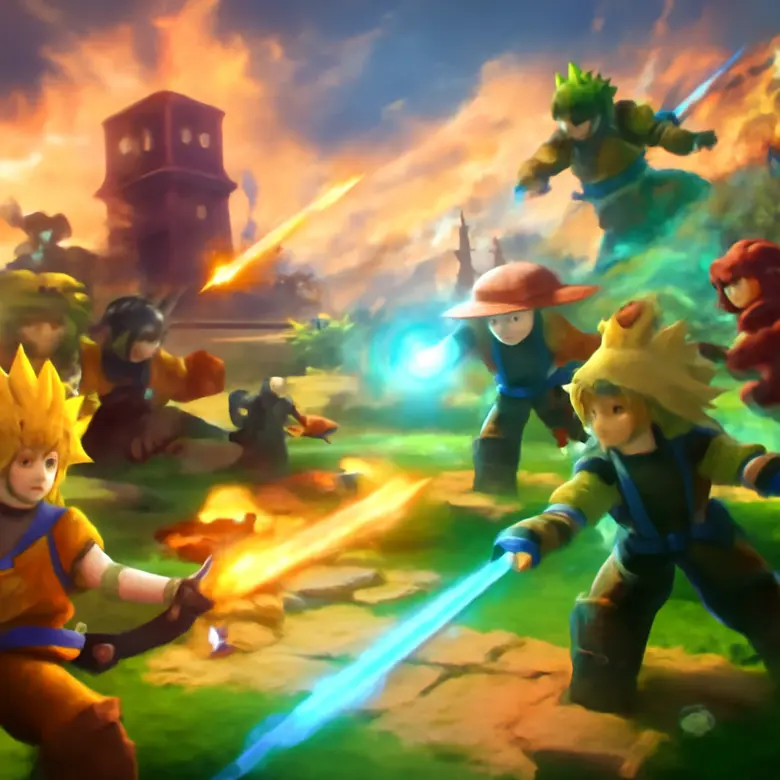
ASTD has the larger community by a wide margin. With 7.6 billion total visits across its lifetime, it has built one of the most active anime game communities on Roblox. The trading scene alone involves thousands of daily transactions, and community-maintained tier lists and value guides are constantly updated to reflect meta shifts after each update. Discord servers for ASTD host tens of thousands of members who share strategies, trade units, and organize group farming sessions.
ALS is the newer game, but its community has been growing at a strong pace since launch. Crossing 1 billion visits puts it firmly in the upper tier of Roblox games, and its subreddit and Discord communities are active with strategy discussions, tier list debates, and trading posts. The ALS community tends to be more focused on theory-crafting around traits and evolution combos, while the ASTD community leans more toward trading and roster completion.
Both games have responsive development teams that push regular content updates. ASTD benefits from years of iteration and a well-established update cadence. ALS updates tend to bring bigger mechanical changes since the game is still evolving its core systems. If you prefer a game that is still finding its identity and experimenting with new features, ALS is the more exciting pick. If you prefer a stable, content-rich platform with predictable update cycles, ASTD delivers that reliability.
Meta Units and Tier Lists
The current meta in both games centers on a handful of units that define optimal team compositions for Infinite Mode.
ALS Meta (July 2026)
Johnny (Infinite Spin) in his evolved form remains the top DPS unit in ALS. His area-of-effect attacks and high base damage make him the default carry for any serious Infinite Mode team. The ideal Johnny has traits that boost attack speed and damage, with secondary traits providing either range bonuses or anti-boss damage. Beyond Johnny, the S+ tier includes several other evolved units that fill support and secondary DPS roles. The ALS meta rewards players who invest deeply in a small number of units rather than spreading resources across a large roster. For a full breakdown, check our ALS guide.
ASTD Meta (July 2026)
Frieren (6-star) and Michishibo (6-star) currently sit at the top of the ASTD tier list. Frieren provides unmatched crowd control that slows and weakens enemy waves, giving your DPS units more time to deal damage before enemies reach the end of the path. Michishibo delivers raw burst damage that melts boss-type enemies. The meta in ASTD is broader than in ALS because the larger roster means more viable team compositions exist. Orb selection further diversifies builds, letting players customize units to fill specific roles within a team. See our ASTD overview for the latest tier rankings and Orb recommendations.
Graphics, Performance, and Polish
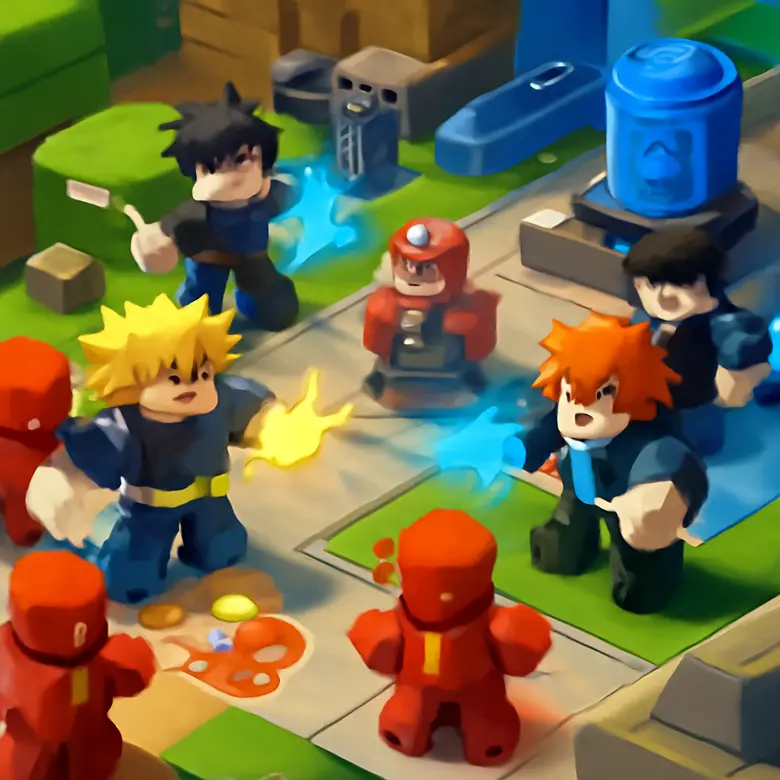
ALS benefits from being the newer game. Its unit models, attack animations, and visual effects are noticeably more polished than what ASTD offered at a similar stage of development. Evolution transformations in ALS are particularly well-done, with distinct visual overhauls that make evolved units feel like genuine upgrades. The game runs smoothly on both PC and mobile, though later Infinite Mode waves with many active units on screen can cause frame drops on lower-end mobile devices.
ASTD has improved its visual quality over multiple years of updates, but some older units still show their age. The 6-star upgrade animations are the visual highlight, and recent character additions feature much higher quality models than units from the game's early days. Performance is generally solid thanks to years of optimization, and ASTD tends to handle large numbers of on-screen units slightly better than ALS in late-wave scenarios. Both games load quickly and have minimal downtime during server transitions.
Who Should Play What?
The right game for you depends on what you value most in a tower defense experience.
Play Anime Last Stand if you want:
- A modern anime TD with unit evolution and trait customization
- Faster-paced Infinite Mode gameplay with brisk wave resolution
- Deep min-maxing potential through random trait rolls on individual units
- A growing game that is still adding major new systems and content
- A community focused on strategy and theory-crafting
Play All Star Tower Defense if you want:
- The largest anime unit roster on Roblox with 200+ characters
- A full Story mode campaign to work through before hitting endgame
- A massive and established trading community with an active economy
- Years of content, events, and limited-time units to collect
- The Orb system for structured unit customization
Play both if you want:
- The complete anime tower defense experience on Roblox
- To switch between games based on which has an active event or new banner
- Variety in your TD gameplay across two different mechanical systems
Final Verdict
All Star Tower Defense wins on content volume, community size, and total playtime potential with 7.6 billion visits and 200+ units across years of updates. Anime Last Stand wins on mechanical depth, visual polish, and the unique combination of trait rolls and unit evolution that no other anime TD on Roblox currently matches. Neither game is strictly better than the other. ASTD is the safer recommendation for newcomers to the genre because of its Story mode and larger support community. ALS is the pick for experienced TD players who want a game that rewards optimization and theory-crafting at the highest level. The best approach for dedicated anime TD fans is to play both and let the current update cycle determine which one gets your time on any given week.
Both Anime Last Stand and All Star Tower Defense receive regular code drops that provide free gems, currency, and summoning resources. Bookmark our ALS codes page and ASTD codes page to stay current. For detailed Robux-earning strategies specific to each game, see our ALS free Robux guide and ASTD free Robux guide.
Earn Free Robux for Both Games
Whether you are summoning units in ALS or upgrading to 6-star in ASTD, extra Robux helps you progress faster. Earnaldo lets you earn free Robux through simple tasks and surveys, then withdraw directly to your Roblox account.
Frequently Asked Questions
All Star Tower Defense is significantly more popular with over 7.6 billion total visits compared to Anime Last Stand's 1 billion visits. ASTD has been on the platform since 2020 and benefits from years of community growth. However, ALS has been climbing rapidly since its launch and regularly pulls 30,000 to 50,000 concurrent players during major updates.
All Star Tower Defense has 200+ units including its 6-star system and regularly adds new characters. Anime Last Stand has a smaller roster of around 80+ units but features a trait system and evolution mechanic that gives each unit more depth. ALS S+ tier units like Johnny (Infinite Spin) can carry entire Infinite Mode runs, while ASTD relies on stacking 6-star units like Frieren and Michishibo for late-game content.
Both games are fully playable without spending Robux. Anime Last Stand gives generous gem income through daily missions and Infinite Mode farming, making it easier to summon units early on. All Star Tower Defense requires more grinding for Stardust and gems but has a wider variety of free farming methods across Story mode and Infinite mode. Neither game paywalls any content.
Both games feature Infinite Mode as their endgame content. ALS Infinite Mode rewards rare gems and trait materials starting around wave 50, with top players pushing past wave 200 using evolved S+ units. ASTD Infinite Mode centers on Orb farming and Stardust accumulation, with competitive players reaching wave 100+ using optimized 6-star lineups. ALS Infinite Mode tends to run faster per wave, while ASTD waves scale more aggressively in difficulty.
Anime Last Stand supports direct unit trading between players, with an active trading community on Discord and fan-maintained value lists. All Star Tower Defense also has a trading system, though it is more established due to the game's longer lifespan. ASTD's trading economy is larger, with rare 6-star units and limited banners driving high demand. Both communities use Discord servers for price checks and negotiation.
If you want a massive roster of 200+ anime units, a deep Story mode, and the largest anime TD community on Roblox, start with All Star Tower Defense. If you prefer a more modern TD experience with unit evolution, a trait system, and faster-paced gameplay, Anime Last Stand is the better starting point. Many players actively play both games and switch depending on which title has a live event or new banner running.