Anime Last Stand vs Anime Defenders (2026) — Which Roblox Game Is Better?
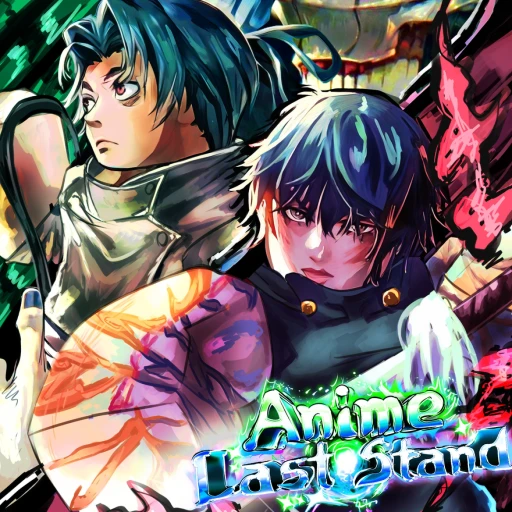
Roblox's anime tower defense category keeps growing, and two games consistently draw the biggest crowds. Anime Last Stand by Starter Studios has crossed 1 billion visits with its wave-based defense gameplay and steadily expanding unit roster. Anime Defenders by Astral Studios dominates the genre with over 3.4 billion visits, a 96.7% approval rating, and one of the most active gacha economies on the platform.
Both games share the same foundation: summon anime-inspired characters, place them on tower defense maps, upgrade them during waves, and survive increasingly brutal enemy rushes. The formula is familiar, but the differences in execution matter more than you might expect. Unit systems, gacha mechanics, map design, trading economies, and update cadence all diverge in ways that shape the day-to-day experience. This comparison covers every angle so you can decide where your time and summons belong.
If you already play one of these games and want tips on earning Robux for game passes or gem packs, check out our Anime Last Stand free Robux guide or our Anime Defenders free Robux guide.
Anime Last Stand vs Anime Defenders — Quick Stats (2026)
| Category | Anime Last Stand | Anime Defenders |
|---|---|---|
| Genre | Anime tower defense | Anime tower defense |
| Place ID | 12886143095 | 17017769292 |
| Developer | Starter Studios | Astral Studios |
| Total Visits | 1B+ | 3.4B+ |
| Approval Rating | High | 96.7% |
| Core Loop | Place units, defend waves, upgrade | Place units, defend enemies, collect rare units |
| Unit Source | Gacha banners | Gacha banners |
| Co-op | Yes | Yes |
| Trading | Yes | Yes |
| Mobile-Friendly | Yes | Yes |
| Free-to-Play | Yes | Yes |
Gameplay — What Do You Actually Do?
Anime Last Stand
Anime Last Stand follows the core anime tower defense blueprint. You summon units from gacha banners using gems earned through gameplay, then bring those units into wave-based defense maps. Enemies march along predetermined paths, and you place your anime-inspired characters at strategic positions to deal damage, slow enemy movement, and prevent anything from reaching the end point.
What sets Anime Last Stand apart within the genre is its emphasis on wave survival as the central challenge. Maps are designed around extended wave counts that test your team composition and upgrade timing over long sessions. Early waves are manageable with basic units, but the difficulty ramps sharply in later stages where boss enemies require specific damage types and well-timed ability activations to bring down. The game rewards players who understand how different units interact — pairing area-of-effect damage dealers with single-target specialists and support characters that buff nearby allies.
Unit placement carries real weight in Anime Last Stand. Chokepoints on maps are obvious, but optimal positioning within those chokepoints depends on your specific unit lineup, their attack ranges, and their targeting priorities. A support unit placed one tile too far from your main damage dealer can mean the difference between clearing wave 40 and wiping at wave 38. This level of positional depth keeps experienced players engaged well beyond the initial learning curve.
Anime Defenders
Anime Defenders operates on the same tower defense skeleton but wraps it in a more mature and content-rich package. The core loop is identical at a glance — summon units, place them, survive waves — but the execution benefits from a larger development timeline and a studio that has iterated on the formula through years of player feedback. The result is a game that feels more polished in its moment-to-moment gameplay, with smoother animations, more responsive unit placement, and tighter wave pacing.
The standout feature of Anime Defenders is its unit collection depth. With a roster that has grown to well over 100 characters, the game draws inspiration from a staggering number of anime franchises. Each unit has distinct stats, abilities, and rarity tiers that range from Common to Mythic. The rarest units are not just stat sticks — they have unique abilities that fundamentally change how you approach specific maps and bosses. A single Mythic pull can open up strategies that were previously impossible, which keeps the summoning loop compelling even for veteran players.
Anime Defenders also places a heavier emphasis on collecting rare units as an endgame goal in itself. Beyond clearing maps, players chase specific limited-time banner characters for their trading value, their team-building utility, or simply the satisfaction of completing a collection. This collector's mindset gives the game a secondary progression system that runs parallel to the core tower defense gameplay and keeps players engaged between content updates.
Edge: Anime Defenders for overall polish, roster depth, and the richness of its collection metagame. Anime Last Stand for focused wave survival gameplay that rewards precise unit placement and strategic planning.
Unit Systems — Summoning, Upgrading, and Rarity
The gacha summoning system is the engine that drives both games, and differences here shape the entire player experience from the first hour through endgame.
Anime Last Stand uses a banner-based summoning system where you spend gems to pull random units from a rotating pool. Standard banners feature a general selection of characters across all rarity tiers, while limited-time banners spotlight specific high-rarity units with boosted drop rates. The top-tier units have low pull rates, typically sitting around 1% or less for the highest rarity. Free gem income comes from completing maps, daily quests, login rewards, and event participation. The system is straightforward — spend gems, get units, and hope for the best. Duplicate units feed into upgrade systems that increase star levels and boost stats.
Anime Defenders runs a similar banner structure but benefits from more refined gacha mechanics developed over a longer period. Pity systems are better defined, limited banner schedules are more predictable, and the sheer volume of banners means there is almost always something worth summoning for. The upgrade system uses duplicate units and specific materials to evolve characters into stronger forms with enhanced abilities. Because the roster is larger, the team-building possibilities are more varied, and the meta shifts with each new banner release. Community-maintained tier lists are essential reading for players trying to optimize their gem spending.
Both games offer VIP game passes and premium currency bundles that accelerate summoning. Neither game locks specific units behind real-money-only walls — everything is technically obtainable through free play. The practical difference is that Anime Defenders' larger pool of units means building a specific dream team through free play alone takes significantly more time and luck.
Edge: Anime Defenders for roster size, refined gacha mechanics, and deeper team-building options. Anime Last Stand for a more accessible summoning pool where building a competitive team requires less time investment.

Map Design and Difficulty Progression
Map variety and difficulty tuning determine how long a tower defense game stays interesting, and both titles approach this differently.
Anime Last Stand focuses on wave density and escalation. Maps start simple with clear paths and obvious chokepoints, giving new players room to learn placement fundamentals without getting overwhelmed. As you advance, maps introduce longer paths with multiple branches, faster enemy types, and boss waves that require focused single-target damage. The difficulty curve is intentionally steep in the later stages — clearing the hardest content demands optimized unit compositions and precise placement that exploits every tile of advantage. This design philosophy rewards players who study maps individually and adapt their strategies to each layout's unique geometry.
Anime Defenders offers a broader selection of maps across multiple difficulty tiers, with more variation in environmental design. Some maps feature terrain modifiers that affect unit performance — zones that boost attack speed, areas that slow enemy movement, and positions that grant range bonuses. These environmental elements add a puzzle dimension to placement that goes beyond raw unit power. The game also introduces challenge modes and event-specific stages with unique mechanics that keep veteran players engaged. Co-op scaling is well-tuned, so bringing a full team of four does not trivialize the content but instead opens up coordinated strategies that feel rewarding to execute.
Both games support co-op play for up to four players, which significantly enhances the experience. Combining unit rosters with teammates opens up compositions that no solo player could field alone, and coordinating placement across a map adds a social strategy layer that elevates the gameplay beyond solitary grinding.
Edge: Anime Defenders for map volume, environmental mechanics, and overall content variety. Anime Last Stand for a tighter difficulty curve that demands mastery of each individual map.
Trading Economy and Social Features
Unit trading transforms both of these games from standard tower defense titles into social economies, and the differences in how each game handles trading have a meaningful impact on the player experience.
Anime Defenders has the more established trading ecosystem. With years of banner releases building up a massive roster, the trading meta is deep and well-documented. Community-run Discord servers maintain value lists that track every unit's relative worth based on rarity, utility, and availability. Limited banner units that will not return hold premium value, and savvy traders monitor upcoming banner announcements to anticipate value shifts. The trading scene adds an entire metagame layer — some players spend as much time trading as they do playing tower defense maps, building collections through smart exchanges rather than pure summoning luck.
Anime Last Stand also supports unit trading, and its trading economy is active but less mature. Because the game's roster is smaller and newer, the value hierarchy is still being established. This creates opportunities for early adopters who acquire units that may appreciate as the game grows. The trading community is centered on Discord, with dedicated channels for offers, looking-for trades, and value discussions. Both games enforce anti-scam measures and prohibit real-money trading through their terms of service.
Beyond trading, both games feature social lobbies, friend systems, and community events that bring players together. Anime Defenders' larger player base means lobbies are consistently full and finding co-op partners is faster. Anime Last Stand's community is tighter-knit, with regulars who recognize each other and form ongoing co-op partnerships. For players who enjoy the social dimension of multiplayer games, both titles deliver, but in different scales.
Edge: Anime Defenders for its mature, deep trading economy and larger active player base. Anime Last Stand for a tighter community where individual players can make a bigger impact on the emerging meta.
Player Count and Community (July 2026)
Anime Defenders holds the dominant position in the anime tower defense genre on Roblox with over 3.4 billion total visits and a 96.7% approval rating. Those numbers reflect a game that has consistently delivered content and maintained player trust over an extended period. The community is massive — YouTube channels dedicated to Anime Defenders content pull strong viewership, TikTok summon videos routinely go viral, and Discord servers run 24/7 with trading, tier list discussions, and event coordination. The game benefits from a virtuous cycle where a large player base attracts content creators, whose coverage brings in more players.
Anime Last Stand has crossed the 1 billion visit milestone, which is impressive in its own right but puts it in a different weight class from Anime Defenders. The community is growing and enthusiastic, with active Discord servers and an emerging content creator scene. Being a smaller community has advantages — feedback reaches the developers faster, meta discussions involve a higher percentage of the player base, and competitive players can establish themselves more easily. Starter Studios has shown consistent commitment to updates and community engagement, which keeps existing players invested and attracts new ones through word of mouth.
Both communities overlap significantly. Many players in the anime tower defense space play multiple titles and move between them based on which game has the most compelling current event or newest banner. This cross-pollination means improvements in one game often push the other to respond, benefiting players of both titles.
Game Passes and Monetization
Both games monetize through a combination of gem purchases for gacha summoning, VIP game passes for ongoing benefits, and limited-time bundles tied to events and banner releases.
Anime Last Stand offers gem packs at various price points, a VIP pass that boosts gem income and provides quality-of-life benefits like faster auto-collection, and seasonal bundles that package gems with exclusive cosmetics. The monetization is standard for the genre and does not feel aggressive. Free players can clear all content with patience, and the gem income from daily activities and events is steady enough to keep summoning without spending Robux. Spending accelerates collection progress but does not gate access to any maps, modes, or gameplay features.
Anime Defenders has a similar monetization structure but at a larger scale, reflecting its bigger player base and more extensive content library. Gem packs, VIP benefits, auto-farm passes, and limited bundles are all available. The higher volume of banners and units means there are more things to spend on, which can create pressure for players who want to keep up with every limited release. The flip side is that Anime Defenders' scale also means more frequent free gem events, codes, and community milestones that reward all players regardless of spending status. The approval rating of 96.7% suggests the player base broadly considers the monetization fair.
Edge: Roughly even. Both games follow the same monetization playbook. Anime Last Stand is less overwhelming for budget-conscious players due to fewer banners competing for your gems. Anime Defenders offers more free gem sources but also more temptation to spend.
Graphics, Audio, and Performance
Visual presentation matters in anime-styled games, and both titles invest heavily in making their units look and feel like the characters they reference.
Anime Last Stand delivers clean character models with recognizable anime-inspired designs and smooth attack animations. Ability effects are well-executed without being overwhelming, which is important during late-game waves when dozens of units are firing simultaneously. The visual clarity holds up even on busy maps, allowing you to track enemy health bars and unit cooldowns without the screen becoming unreadable. Map environments are functional and well-lit, with distinct visual themes for each zone that prevent the game from feeling repetitive.
Anime Defenders pushes visual fidelity further. Character models are more detailed, ultimate abilities produce spectacular screen-filling effects, and the overall animation quality is a step above most competitors in the genre. Boss designs are particularly impressive, with multi-phase encounters featuring transformation sequences and arena-wide attacks that create memorable gameplay moments. The trade-off is slightly higher hardware demand — older mobile devices may experience frame drops during the most intense encounters, though the developers have added performance settings to mitigate this.
Audio in both games serves the gameplay well without standing out dramatically. Anime Defenders has more dynamic music that shifts with wave intensity, while Anime Last Stand keeps its soundtrack more consistent. Both games feature satisfying hit effects and ability sound cues that provide useful gameplay feedback.
Update Frequency and Developer Communication
Consistent updates are the lifeblood of live-service games, and both developers maintain active development schedules.
Astral Studios behind Anime Defenders releases new banners, events, and content updates on a rapid cadence. New units arrive every few weeks, limited-time events run frequently, and quality-of-life improvements roll out between major content drops. The development team communicates through Discord announcements, Twitter posts, and in-game news feeds. The consistency of updates is one of the primary reasons Anime Defenders has sustained its massive player count — there is always something fresh to log in for.
Starter Studios keeps Anime Last Stand on a regular update schedule as well, though the cadence is slightly slower. Updates tend to be more focused, often centering on a new map, a batch of units, and associated events released together. The developer communication is direct and responsive, with community feedback visibly influencing development priorities. Being a smaller operation means each update gets more concentrated attention, and the quality of individual content drops is consistently high.
Earning Free Robux While You Play
Tower defense games pair naturally with Earnaldo for earning free Robux. Both Anime Last Stand and Anime Defenders have built-in downtime between waves, during lobby transitions, and while waiting for co-op partners. These gaps are perfect for completing Earnaldo tasks on a second device or between matches. The strategic, low-reflex nature of TD gameplay means you can manage earning tasks without compromising your in-game performance.
For game-specific strategies, check out our Anime Last Stand free Robux guide and Anime Defenders free Robux guide. If you play other anime TD games on Roblox, our Anime Vanguards free Robux guide and All Star Tower Defense free Robux guide cover those titles as well.
Earn Free Robux for Anime Last Stand or Anime Defenders
Complete simple tasks on Earnaldo and withdraw real Robux to your account. No generators, no downloads, no scams — just real rewards you can spend on gem packs, game passes, and more.
Head-to-Head Verdict — Anime Last Stand vs Anime Defenders in 2026
The Verdict
Choose Anime Last Stand if you want a focused wave defense experience with a growing roster, a developing trading economy, and a community small enough that your presence matters. Anime Last Stand rewards players who invest in learning each map's specific challenges and who enjoy watching a game evolve in real time. The smaller unit pool also means building a competitive team is more achievable through free play, and the meta is still flexible enough for creative team compositions to shine.
Choose Anime Defenders if you want the most content-rich anime tower defense experience on Roblox. With over 3.4 billion visits, 100+ units, a deep trading economy, and a 96.7% approval rating, Anime Defenders is the genre's benchmark. The volume of maps, banners, events, and community resources ensures you will never run out of things to do. If collecting rare units, trading strategically, and staying current with a fast-moving meta sounds compelling, this is the game that delivers at the highest scale.
Overall: Anime Defenders is the safer recommendation for most players due to its larger community, more content, and proven track record. But Anime Last Stand is not a distant second — it offers a polished, engaging experience that stands on its own. The best approach for dedicated anime TD fans is to play both and shift focus based on which game has the most compelling content in any given week. The genre is better for having strong competition between these titles.
Who Should Play What?
- You want the biggest unit roster: Anime Defenders. Over 100 units with frequent new additions through banner updates.
- You want a developing meta you can shape: Anime Last Stand. The community is still discovering optimal strategies and tier placements.
- You want active unit trading: Anime Defenders has the more mature and liquid trading economy, though both games support it.
- You are new to anime tower defense: Either game works. Anime Last Stand has a smaller learning curve due to fewer units to track. Anime Defenders has more guides and resources available.
- You want the hardest endgame content: Both games offer challenging late-stage maps. Anime Defenders has more total endgame content due to its larger map pool.
- You play mainly on mobile: Both are well-optimized for mobile. Anime Last Stand is slightly lighter on device resources.
- You want to earn Robux while playing: Both pair well with Earnaldo. TD gameplay has natural downtime between waves that is ideal for earning tasks.
Frequently Asked Questions
Anime Defenders leads with over 3.4 billion total visits and a 96.7% approval rating compared to Anime Last Stand's 1 billion visits. Anime Defenders has had more time to build its player base and benefits from a larger content library. However, Anime Last Stand is growing steadily and maintains strong concurrent player numbers during events and update windows.
Both games are fully playable without spending Robux. Anime Last Stand's smaller unit pool means building a competitive team through free play is more achievable in less time. Anime Defenders offers more free gem sources through events and codes but has a larger roster to chase, which spreads your resources thinner. Neither game locks maps or modes behind paywalls.
Yes, both games support player-to-player unit trading. Anime Defenders has a more established trading economy with community-maintained value lists and dedicated trading Discord servers. Anime Last Stand's trading scene is newer but active and growing, offering opportunities for players who want to get in early on a developing economy.
Anime Defenders has the larger roster with over 100 units spanning dozens of anime franchises. Anime Last Stand has a smaller but growing collection that expands regularly with each update. Both games feature units inspired by popular anime characters with distinct abilities and rarity tiers. Anime Defenders wins on pure volume, while Anime Last Stand's smaller pool makes each individual unit feel more significant.
Yes, both games are fully playable on mobile through the Roblox app on iOS and Android. Tower defense gameplay translates naturally to touchscreens — tapping to place and upgrade units works intuitively on both titles. Both games are optimized for mobile and do not require high-end devices, though Anime Defenders may perform slightly better on newer hardware due to its more intensive visual effects.
If you want the most content, the deepest trading economy, and the largest community from day one, start with Anime Defenders. If you prefer a fresher experience where the meta is still being established and your individual contributions to the community carry more weight, Anime Last Stand is a strong starting point. Many dedicated anime TD fans play both games and shift focus based on which title has the best current event or newest banner release.