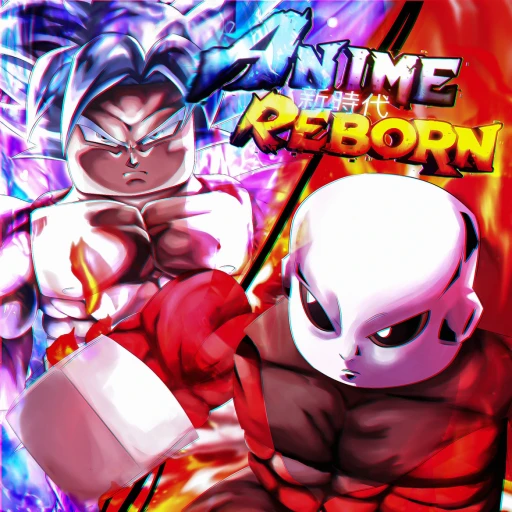
Anime Reborn vs Anime Overload (2026) -- Which Roblox Game Is Better?
The anime game category on Roblox is absolutely packed, but two titles keep showing up in every recommendation thread: Anime Reborn and Anime Overload. They share the anime aesthetic and summon-based gameplay, but they take wildly different approaches to what you actually do once you have your units. One is a tight tower defense experience with gacha summoning. The other is an action-strategy hybrid with raids, story content, and hero management. This comparison will help you figure out which one is worth your time -- or whether you should just play both.
Quick Stats Comparison
| Feature | Anime Reborn | Anime Overload |
|---|---|---|
| Genre | Anime Tower Defense / Gacha | Anime Action / Strategy |
| Roblox Place ID | 17046374415 | 126297188712308 |
| Core Mechanic | Summon units, defend waves | Summon heroes, raids, story mode |
| Summoning System | Banner-based gacha pulls | Hero fragment collection + gacha |
| Multiplayer | Co-op wave defense | Co-op raids, guild system |
| Content Modes | Campaign, Infinite, Challenge | Story, Raids, Arena, Events |
| Trading | Not available | Limited hero trading |
| Update Cycle | New banners every 2-3 weeks | Content patches every 2-4 weeks |
| Price | Free (optional purchases) | Free (optional purchases) |
Gameplay Overview
Anime Reborn follows the established tower defense formula that games like All Star Tower Defense popularized on Roblox. You summon anime-themed units from gacha banners, place them on a map, upgrade them during waves, and try to survive increasingly punishing enemy hordes. The appeal comes from collecting powerful units, optimizing your team composition, and pushing further into higher difficulty stages than you thought possible.
The game does this formula well. Maps have interesting layouts that force you to think about unit placement rather than just stacking your strongest characters in one spot. Different enemy types require different counters -- some resist physical damage, others are immune to crowd control, and boss waves demand specific strategies that change based on the stage. It's not breaking new ground, but it executes the fundamentals with polish.
Anime Overload is harder to pin down because it does more. The game combines real-time action combat with strategic hero deployment. You control a main character directly while also commanding summoned heroes who fight alongside you. Story mode takes you through an original narrative with cutscenes and dialogue. Raids pit you and other players against massive bosses with phase-based mechanics. An arena mode lets you test your hero lineup against other players' teams.
The breadth of content in Anime Overload is impressive, but it comes at the cost of depth in any single area. The action combat is serviceable but not as tight as dedicated action games. The tower defense elements in raid fights are interesting but not as refined as Anime Reborn's wave defense. It's a jack-of-all-trades game that does many things well without mastering any one of them.
Edge: Anime Reborn for focused, polished tower defense. Edge: Anime Overload for content variety.
Summoning and Gacha Systems
Both games use gacha mechanics to distribute their units, but the implementation differs in ways that affect how you play day to day.
Anime Reborn's Banner System
Anime Reborn uses rotating banners with featured units. When a new banner drops, you spend gems (the primary summoning currency) for a chance at the featured characters. Rates follow a standard rarity system -- Common, Rare, Epic, Legendary, and Mythic. Featured units have a small rate-up on their respective banner, and a pity system guarantees at least one Legendary unit within a set number of pulls.
The economy is straightforward. You earn gems through daily logins, stage completions, challenge modes, and event missions. A free-to-play player can reasonably save enough gems between banners to hit pity on most featured characters. The game is generous enough that you won't feel stuck, but building a roster of all the top-tier units takes months of consistent play or some well-timed Robux purchases.
Anime Overload's Hero System
Anime Overload splits its summoning into two paths. You can pull heroes from a gacha system similar to Anime Reborn's, but you can also collect hero fragments through story missions and raids that let you craft specific heroes over time. This dual path gives you more control over what you're working toward -- if you want a specific hero, you can grind their fragments rather than relying purely on luck.
The downside is that Anime Overload's economy feels tighter. Summoning currency comes in slower, and the fragment grind for top-tier heroes is genuinely time-consuming. The game also introduces more upgrade layers -- heroes need leveling, skill upgrades, gear, and awakening materials. Each layer requires different resources, which spreads your attention thin and makes it harder to fully build out any single hero quickly.
Edge: Anime Reborn for a cleaner, more generous gacha. Edge: Anime Overload for the hero fragment crafting path.
Tower Defense vs Action-Strategy
This is the fundamental difference, and it's the main thing that should drive your decision.
Anime Reborn's tower defense gameplay is about preparation and adaptation. Before a round starts, you pick your team. Once waves begin, you place and upgrade units in real time, reacting to enemy types and path patterns. The game gradually introduces modifiers on higher-difficulty stages: enemies that teleport, bosses that disable your units temporarily, waves that split into multiple paths. Success comes from knowing which units counter which threats and positioning them efficiently.
The satisfying part of Anime Reborn is watching a well-built team demolish waves that crushed you before. There's a genuine puzzle-solving element to figuring out the optimal setup for each stage, and the tower defense format means you can play at your own pace without the pressure of real-time combat reflexes.
Anime Overload asks you to be directly involved in combat. Your main character fights alongside summoned heroes, and you're constantly dodging attacks, activating abilities, and managing cooldowns during raids. The action component adds excitement and skill expression that tower defense can't match, but it also means the game demands more from you every second you're playing. There's no sitting back and watching your team work -- you need to be actively engaged.
For raids specifically, Anime Overload shines. Boss fights have multiple phases with distinct mechanics, and coordinating with other players in real time creates moments of tension and triumph that feel genuinely memorable. The raid content is where the game's action-strategy hybrid design works best, because both your personal combat skill and your hero lineup matter.
Edge: Anime Reborn for relaxed strategic gameplay. Edge: Anime Overload for engaging action moments.
Progression and Long-Term Grind
Both games have long progression tails, but they structure the grind differently.
Anime Reborn's progression is unit-focused. You're always working toward the next banner pull, the next unit upgrade, or clearing the next difficulty tier. The game adds new stages and units regularly, which keeps the power ceiling rising. Infinite mode provides an endless scaling challenge for players who want to push their teams to the absolute limit. The grind is repetitive by nature -- it's tower defense, so you're replaying stages with better teams -- but the loop stays satisfying because each new unit meaningfully changes your strategy.
Anime Overload spreads progression across multiple systems. Your main character has their own leveling path. Each summoned hero has individual experience, skill trees, gear slots, and awakening stages. The story mode gates certain features behind completion progress. Guild milestones unlock additional rewards. There's always something to work on, which is great for players who like checking boxes, but the sheer number of systems can make progress feel slow when no single system advances quickly.
If you prefer a focused grind with clear milestones, Anime Reborn is cleaner. If you like having fifteen different things to optimize simultaneously, Anime Overload will keep you busy indefinitely.
Edge: Anime Reborn for focused progression. Edge: Anime Overload for progression breadth.
Multiplayer and Social Features
Anime Reborn supports co-op wave defense where you and friends can tackle stages together, each placing your own units on the map. It's a fun way to combine rosters and handle stages neither of you could solo. The multiplayer is functional and lag-free in most cases, though the experience doesn't differ dramatically from solo play -- you're doing the same thing with more units on the field.
Anime Overload builds its entire endgame around multiplayer. Raids require coordination between multiple players. The guild system provides daily missions, group challenges, and a shared progression track. Arena mode pits your hero lineup against other players for competitive rankings. The social layer in Anime Overload is substantially deeper, and if playing with friends or guildmates is a priority, it offers a significantly better experience.
Edge: Anime Overload for multiplayer depth and social features.
Visuals and Presentation
Anime Reborn keeps things clean and colorful. Unit designs are detailed, ability animations are satisfying to watch at higher tiers, and the maps use varied themes that prevent visual monotony. The UI is well-organized and easy to navigate, which matters more than people realize in a game where you're managing a roster of dozens of units.
Anime Overload goes bigger visually. The story mode features proper cutscenes. Raid bosses have elaborate attack animations. The game world feels more alive because you're running through it in real time rather than viewing it from a top-down tower defense perspective. Hero designs are detailed and their awakened forms look genuinely impressive. The presentation quality is a step above what you'd expect from a Roblox anime game.
The trade-off is performance. Anime Overload demands more from your device, and mobile players may notice frame drops during busy raid fights. Anime Reborn rarely stutters because the tower defense format is inherently less demanding on hardware.
Edge: Anime Overload for visual ambition. Edge: Anime Reborn for consistent performance.
Monetization
Both games are free to play with optional Robux purchases. Neither is pay-to-win in the strictest sense -- you can clear all content in both games without spending money -- but both incentivize spending through their gacha systems.
Anime Reborn sells gem packs and occasional bundles that include exclusive units. The pity system means spending guarantees you'll get something, and the generous free gem income keeps the game accessible to non-spenders. Special banners sometimes feature cosmetic variations that don't affect gameplay.
Anime Overload's monetization runs wider. Gem packs, stamina refills (the game uses an energy system for raids), hero fragment bundles, and premium cosmetics are all available. The energy system is the most contentious element -- it caps how many raids you can run per day unless you spend gems or Robux to refill. Free-to-play players will hit this wall daily, and it's the single biggest frustration in an otherwise generous game.
Edge: Anime Reborn for no energy system and cleaner monetization.
Final Verdict
Choose Anime Reborn if you want a focused, polished tower defense experience with generous gacha, smooth mobile performance, and a grind you can enjoy at your own pace. Choose Anime Overload if you want more content variety, deeper multiplayer, action-oriented gameplay, and don't mind a more complex progression system. Anime Reborn does one thing very well. Anime Overload does many things well. Your preference between depth and breadth should guide the decision.
Earn Free Robux for Summons
Need extra gems for that next banner or raid refill? Earnaldo lets you earn free Robux through simple offers and tasks. A few minutes of your time translates directly into summoning currency for whichever game you pick.
Which Game Fits Your Playstyle
Pick Anime Reborn If You...
Enjoy strategic planning over reflexes. Tower defense is a thinking game, and Anime Reborn rewards players who optimize unit placement, team synergy, and upgrade timing. You don't need fast reaction times -- you need a good plan and the units to execute it.
Play primarily on mobile. The tower defense format translates beautifully to touchscreens, and Anime Reborn's performance on mobile devices is consistently smooth. You can play a full session on the bus without missing a beat.
Prefer collecting and team-building. If the joy of gacha for you is building the perfect roster and seeing your units grow stronger over time, Anime Reborn's progression loop scratches that itch perfectly. Our Anime Reborn free Robux guide covers ways to boost your summon budget while you play.
Pick Anime Overload If You...
Want to be actively involved in combat. If sitting back and watching units fight feels too passive, Anime Overload puts you in the middle of the action. Your personal skill matters alongside your hero roster, which makes every fight feel more engaging.
Prioritize playing with friends. The guild system, co-op raids, and competitive arena give you constant reasons to play together. Anime Overload is built around its social features in a way Anime Reborn simply isn't.
Like having many things to do. If you're the type who bounces between story missions, raids, arena matches, and daily guild tasks, Anime Overload's variety will prevent boredom. The Anime Overload free Robux guide on our blog has tips for getting the most out of your sessions.
Content Updates and Developer Support
Anime Reborn maintains a steady banner rotation, dropping new featured units every two to three weeks. Each banner usually coincides with new challenge stages or limited-time events that give extra summoning resources. The development team communicates regularly through social media and responds to community feedback on balance changes. The game has grown steadily since launch and shows no signs of slowing down.
Anime Overload pushes content patches every two to four weeks, with each update typically adding new story chapters, raid bosses, or hero additions. The pace is slightly slower than Anime Reborn's banner cadence, but individual updates tend to be meatier. The guild war feature added in early 2026 brought a significant new competitive layer that keeps veteran players engaged. Both development teams are communicative and responsive, so neither game feels abandoned or neglected.
Community and Player Culture
Anime Reborn's community centers around tier lists, team composition guides, and summon showcase videos. Discord and Reddit discussions focus heavily on which units to pull and which to skip, optimal stage strategies, and upcoming banner predictions. The community is welcoming to beginners because the game is straightforward enough that new players can contribute to discussions quickly.
Anime Overload's community is split between PvE and PvP camps. Raid guides and hero build discussions dominate the PvE side, while arena tier lists and matchup analysis drive the PvP side. Guild recruitment is a constant topic. The community tends to be more fragmented because the game itself is more fragmented -- there are more things to talk about, but fewer shared reference points.
Frequently Asked Questions
Anime Reborn is more beginner-friendly. Its tower defense format is straightforward -- place units, upgrade them, and defend against waves. The tutorial walks you through the basics clearly. Anime Overload drops you into a more complex system with raids, story missions, and hero management right from the start, which can feel overwhelming for new players. If you are new to anime games on Roblox, start with Anime Reborn.
Neither game publishes exact rates in-game, but community testing suggests Anime Reborn has slightly more generous rates for mid-tier units while being equally stingy at the top. Anime Overload spreads its rarity pool more evenly, meaning you pull usable heroes more consistently but the absolute top-tier heroes are harder to obtain. Both games give enough free summon currency through daily play to pull regularly without spending Robux.
Anime Reborn does not currently support player-to-player unit trading. Your roster is locked to your account. Anime Overload has a limited trading system for duplicate heroes, though trades are restricted by rarity tier and a daily trade cap. If trading matters to you, Anime Overload offers that option while Anime Reborn does not.
Anime Reborn runs better on mobile. Tower defense games are naturally suited to touchscreen controls, and the developers have optimized the UI for smaller screens. Anime Overload's action combat and raid mechanics can feel clunky on mobile due to the number of on-screen buttons and the precision required during boss fights. If mobile is your primary platform, Anime Reborn is the safer choice.
Yes. Anime Reborn releases codes that grant summon tickets, gems, and XP boosts. Anime Overload codes typically reward hero fragments, raid tokens, and cosmetic items. Both games update their code lists regularly, especially around major updates and milestones. Check our Anime Reborn codes guide and Anime Overload codes guide for the latest working codes.
Anime Overload has more raw content variety thanks to its story mode, raid system, and hero progression paths. Anime Reborn focuses its content on an ever-growing roster of summonable units and increasingly difficult tower defense stages. If you measure content by the number of distinct activities available, Anime Overload wins. If you measure it by depth within a single mode, Anime Reborn holds its own.
Anime Reborn and Anime Overload both deliver strong anime experiences on Roblox, but they cater to different appetites. One gives you a laser-focused tower defense loop that's easy to pick up and hard to master. The other gives you a sprawling action-strategy playground with more to do but more complexity to manage. Try whichever sounds closer to your taste -- and if you find yourself wanting the other experience too, they pair surprisingly well as a one-two combination.