Anime Rift Tower Defense vs All Star Tower Defense (2026) -- Which Roblox Game Is Better?
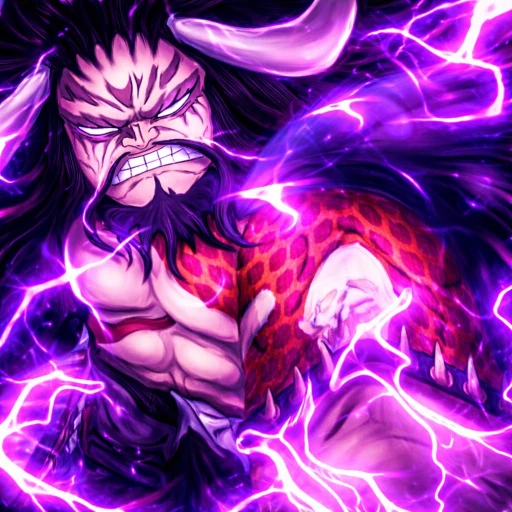
The Roblox anime tower defense genre has never had more options, and two games worth putting side by side right now are Anime Rift Tower Defense by Rift Studios and All Star Tower Defense by Top Down Games. One is a newer title building momentum with gacha summoning, unit evolution, and multiplayer raids. The other is a genre institution sitting at over 30 billion total visits with a roster of hundreds of units accumulated across six years. If you only have room for one in your rotation, this comparison covers every angle that matters.
Anime Rift Tower Defense has pulled in approximately 200 million visits and maintains a concurrent player base of around 5,000 to 10,000 players. It builds on the familiar anime TD formula with a unit evolution system and gacha summoning experience that feels built for the current generation of the genre. All Star Tower Defense, developed by Top Down Games, is one of the most visited games in Roblox history and regularly draws 15,000 to 30,000 concurrent players with a massive content library that grows with every update cycle.
Both games share the same fundamental premise: summon anime units, deploy them on tower defense maps, and upgrade them to survive increasingly brutal enemy waves. But the way each game executes that premise differs in ways that genuinely matter. Before we get into specifics, check out our dedicated guides for both: the Anime Rift Tower Defense free Robux guide and the All Star Tower Defense free Robux guide.
Anime Rift Tower Defense vs All Star Tower Defense -- Quick Stats (2026)
| Category | Anime Rift Tower Defense | All Star Tower Defense |
|---|---|---|
| Genre | Anime tower defense | Anime tower defense |
| Place ID | 115684951340700 | 4996049426 |
| Developer | Rift Studios | Top Down Games |
| Total Visits | ~200M+ | ~30B+ |
| Concurrent Players | ~5K–10K | ~15K–30K |
| Core Loop | Summon anime units, defend waves, upgrade units | Collect anime characters, place towers, defeat waves |
| Key Features | Gacha summoning, unit evolution, multiplayer raids | Massive anime roster, story mode, raids, infinite mode |
| Trading | Yes (unit trading) | Yes (unit trading) |
| Mobile-Friendly | Yes | Yes |
| Free-to-Play | Yes | Yes |
Gameplay — Core Mechanics and How They Differ
Anime Rift Tower Defense
Anime Rift Tower Defense delivers a clean, modern take on the anime TD formula. You summon units through a gacha system, place them on maps to intercept waves of enemies, and upgrade them mid-match to increase their power. The game's standout feature is its unit evolution system -- rather than just leveling units, you transform them into more powerful forms that unlock new abilities and distinct visual upgrades. This gives every unit a development arc that extends well beyond the initial pull from a banner.
The wave structure in Anime Rift is well-paced. Early waves let you establish your formation and figure out synergies before the difficulty starts compounding. Evolution becomes a genuine strategic factor mid-run -- knowing when to evolve a unit versus holding resources for your next upgrade cycle adds a decision layer that keeps sessions mentally engaging rather than purely mechanical. Maps have clearly defined enemy paths with enough variation in chokepoints and placement zones to reward thoughtful positioning over brute-force unit density.
Multiplayer raids are a highlight of what Anime Rift offers socially. These are cooperative encounters where groups of players bring their own unit rosters to tackle powerful raid bosses together. Raid content is tuned for team play and rewards coordination, giving the game a meaningful endgame activity that goes beyond standard wave defense. The raid loop provides a consistent reason to log in and work toward unit loadouts optimized for group content rather than solo grinding.
Even with the gacha system at the core, the evolution mechanic softens bad luck considerably. A lower-rarity unit that you invest in through its full evolution chain can become a genuine contributor, which means every pull has potential value and you're not entirely dependent on landing high-rarity characters to feel strong.
All Star Tower Defense
All Star Tower Defense built many of the conventions that newer anime TD games on Roblox now follow. You collect units through star remnant summons, deploy them onto maps, upgrade them between and during waves, and push through a content library that has grown alongside the game for years. ASTD's roster draws from a massive range of anime series -- Dragon Ball, Naruto, One Piece, Bleach, Jujutsu Kaisen, and many more -- and that breadth is a genuine selling point for anyone who wants characters from their favorite franchise on the field.
ASTD's gameplay has real depth once you get into team composition. Units are categorized by attack type and damage profile, with some excelling at area attacks against swarms and others specializing in single-target burst against bosses. Building effective teams means understanding these categories, identifying synergies, and making upgrade priority decisions during each match. The meta shifts regularly as new units arrive and existing ones receive balance adjustments, which keeps the game fresh even for long-term veterans.
The game's story mode provides a structured path for newer players, working through chapters that introduce different map layouts and enemy types. Beyond story, infinite mode is the real test -- you survive endlessly scaling waves against increasingly challenging enemies. Raids and seasonal events rotate through the calendar with unique challenges and exclusive rewards. This variety means you can always find something different to do within ASTD, regardless of where you are in your progression journey.
Edge: ASTD for raw content volume, anime roster variety, and years of accumulated strategic depth. Anime Rift for a fresher unit evolution system and purposeful raid design built around cooperative group play as a first-class experience.
Progression — How Long Does It Take to Get Strong?
Anime Rift Tower Defense
Anime Rift's progression runs on two parallel tracks: acquiring new units through gacha summons, and evolving the units you already have. The evolution system means you can make meaningful progress even during stretches when banner pulls aren't landing well. Each evolution stage has clear material requirements, so your next milestone is always visible and you always know what you need to reach it.
Early game in Anime Rift is welcoming. Tutorial content and opening stages drop enough resources to fund your first summons and build a functional starting roster. Mid-game is where evolution really starts to matter -- the units you've been running from the start can transform into powerhouses if you've invested in their upgrade chains consistently. This creates a satisfying sense of progress that doesn't depend entirely on pulling new units every session.
Endgame in Anime Rift centers on maximizing your evolved roster and tackling the hardest raid content. Because the game is newer, the total content depth is smaller than ASTD's -- which works in your favor if you prefer reaching endgame without a months-long grind. Rift Studios maintains an active update schedule, so the content library is growing with each patch and the endgame ceiling is moving upward regularly.
All Star Tower Defense
ASTD's progression reflects six years of iterative development. New players start in story mode, earn their first units and resources, and steadily unlock access to more challenging content. The early game is generous with starter units, free summons, and active redemption codes. Mid-game is where progression naturally slows -- specific high-rarity units become necessary to push through harder stages, and acquiring them requires either lucky pulls or sustained currency farming over multiple sessions.
The upgrade ecosystem in ASTD has accumulated real complexity. Units can be leveled, evolved along multiple paths, and enhanced with additional materials. Understanding which branching evolution path serves your team composition is the kind of decision-making that separates experienced players from newcomers. It's deeply rewarding once it clicks, but it can feel opaque before you've built up enough knowledge to make those calls confidently. The community's extensive wiki and tier list resources help significantly here.
ASTD's endgame revolves around collecting the rarest units, completing their full upgrade paths, and building teams capable of the hardest infinite mode waves and raid content. For a player starting fresh in 2026, the catch-up period is real. The trade-off is that you have an enormous backlog of content to work through -- ASTD never leaves you without something to chase, and the variety of goals keeps veteran players engaged year after year.
Edge: Anime Rift for a cleaner, more accessible progression path where your next step is always clear. ASTD for long-term depth and the sheer volume of content to work through over months of consistent play.
Graphics and Audio
Anime Rift Tower Defense
Anime Rift was built with current Roblox rendering capabilities in mind. Character models are detailed and well-animated, with evolution tiers providing visible upgrades that make progression feel tangible -- you can see the power increase reflected in the unit's design. Ability animations scale from lower-rarity basics to high-rarity spectacles without obscuring the tactical information you need to actually play well. Map environments are varied and atmospheric, with enough visual identity across different stages that extended play sessions don't feel repetitive.
The user interface is modern and approachable. Menus are organized logically, the summoning screen is built to feel exciting, and the in-match upgrade panel communicates options without cluttering your view of the wave. Audio design uses dynamic soundtracks that ramp up in intensity as waves escalate, and ability sound effects are punchy enough to provide useful feedback even when the field is crowded with units and enemies simultaneously.
All Star Tower Defense
ASTD's visual style is instantly recognizable. Character models are stylized representations of iconic anime characters, rendered in Roblox's aesthetic with enough detail to be immediately identifiable -- Dragon Ball fighters look like Dragon Ball fighters, Naruto characters carry the right visual cues. This recognition factor contributes to the excitement of summoning and collecting units from favorite series. Ability effects range from simple projectiles to full-screen spectacles for the rarest units, and the payoff for landing a top-tier pull is satisfying.
The UI carries some legacy from its earlier iterations and can feel dense once your unit collection grows, particularly in the inventory and upgrade screens that have accumulated features over five years. Newer players may spend some time learning where everything lives. Audio design is functional and consistent: background music sets an appropriate tone without being intrusive, and ability sound effects provide adequate feedback during combat. ASTD isn't the most visually cutting-edge game on Roblox in 2026, but its art direction is cohesive and serves the gameplay effectively.
Edge: Anime Rift for modern visual polish, cleaner UI, and more contemporary presentation quality. ASTD for the recognizable anime character designs and visual clarity on maps crowded with dozens of units and enemies.
Player Count and Community
The community comparison between these two games tells a clear story about where each sits in its lifecycle. All Star Tower Defense has accumulated over 30 billion total visits, placing it among the most-visited games in Roblox history. Its concurrent player count sits between 15,000 and 30,000, reflecting a stable and dedicated core audience that continues engaging through regular updates and seasonal content cycles.
Anime Rift Tower Defense has approximately 200 million total visits with concurrent players in the 5,000 to 10,000 range. These are solid numbers for a newer title, and the active player community tends to be engaged and invested in the game's direction. Newer games often have communities where developers are more visibly responsive to feedback, and Rift Studios has demonstrated that attentiveness through consistent update cycles that expand what the game offers.
The community infrastructure gap is where ASTD's age becomes a real advantage. Community wikis for ASTD are exhaustive, Discord servers are massive, and content creators have produced thousands of guides, tier lists, and summoning videos. If you have a question about ASTD, someone has answered it in detail, and probably made a video about it too. This depth of available resources is genuinely valuable for a game with as many systems as ASTD has developed over its lifetime.
Anime Rift's community is smaller but active and growing. Discord servers are engaged, content creation is picking up as the player base expands, and trading value lists are emerging organically as more units enter the market. For players who want to be part of a community in its formative stage -- where early participation genuinely matters and shapes community norms -- Anime Rift provides that experience in a way a long-established game can't replicate.
Edge: ASTD for community size, the breadth of available guides and resources, and the depth of the established trading economy. Anime Rift for a more visible developer-player relationship and the opportunity to be involved during the game's growth phase.
Game Passes and Monetization
Anime Rift Tower Defense
Anime Rift's monetization follows the standard Roblox anime TD model: game passes providing ongoing quality-of-life benefits, and premium currency options for additional summons. VIP-style passes offer increased resource income, bonus event rewards, and convenience features that speed up daily play without being required for any core content. The unit evolution system provides a natural buffer for free-to-play players -- even without frequent premium summons, consistent investment in existing units delivers real power gains over time.
The free-to-play experience in Anime Rift is solid. Players who choose not to spend can reach the same power levels as those who do, though the timeline is longer. For players who want to spend, the options feel purposeful -- you're buying time efficiency rather than paying to access otherwise unavailable content. The unit trading system also serves as an alternative pathway, letting you work toward specific characters through player-to-player exchange rather than pure summoning luck.
All Star Tower Defense
ASTD's monetization has been refined over six years of operation. The VIP Game Pass at approximately 300 Robux is widely considered one of the better-value purchases in Roblox tower defense, providing permanent increases to gem income and bonus rewards from map completions that pay off in every future session. The 3x Speed Game Pass at 799 Robux triples game speed during matches, a substantial time-saver when farming content you've already mastered. The Star Pass Ultra at 799 Robux functions as a seasonal battle pass with exclusive units and cosmetics.
ASTD's free-to-play economy is well-established. Active codes distribute free gems on a regular basis, daily rewards provide a steady trickle of resources, and gameplay itself generates enough currency to maintain reasonable summoning frequency. The trading economy also serves free players -- a duplicate of a high-value unit can be traded for something you actually need rather than wasting the pull. The community consensus is clear: the VIP pass at 300 Robux is the single best Robux investment in ASTD, delivering permanent value across every future session.
Edge: ASTD for its specifically well-priced VIP pass at 300 Robux and the practical, permanent value of the 3x Speed upgrade. Anime Rift for a unit evolution system that reduces pressure on the gacha and gives free players strong progression regardless of summon luck.
Social Features — Co-op, Trading, and Multiplayer
Co-op is meaningful in both games, and this is where anime TD shines brightest. Working through difficult content with a coordinated team that covers each other's weaknesses is satisfying in both Anime Rift and ASTD. Both games support co-op for their most challenging content, and both are noticeably more enjoyable when played with friends than solo.
Anime Rift's multiplayer raids are a dedicated co-op experience with purpose-built boss encounters that reward team coordination. Bringing the right mix of unit roles -- DPS, area damage, support -- and coordinating upgrade timing with teammates adds a cooperative layer that goes beyond just playing on the same map. The game's raid difficulty is tuned around group play specifically, which makes co-op a meaningful reason to connect with other players rather than optional flavor on top of a solo experience.
ASTD's co-op system is mature and well-tested across years of use. The community has developed established strategies for co-op maps and difficult multiplayer content, with guides readily available for anyone who wants to optimize their team approach. The trading economy in ASTD is also deep and active, with community-maintained value lists and dedicated trading Discord servers. Anime Rift has unit trading too, though the market is newer and values are still stabilizing -- which creates both volatility and opportunity for early participants.
Edge: ASTD for the maturity and depth of its trading economy and years of established co-op strategies. Anime Rift for raid design specifically built to make group play a first-class, rewarding experience from the ground up.
Replay Value — What Keeps You Coming Back?
Replay value in tower defense comes from two sources: new content to clear and the motivation to optimize existing runs. Both games deliver on this, but through different proportions of each.
All Star Tower Defense has six years of accumulated content. Hundreds of units to collect, dozens of maps across multiple difficulty tiers, story mode chapters, infinite mode leaderboards, rotating raids, and seasonal events with limited-time rewards. A player starting fresh in 2026 has months of content to work through before approaching endgame. For veterans, each major unit addition shifts the meta and creates new team-building puzzles to solve. The seasonal event calendar provides regular engagement spikes throughout the year, and the trading economy generates an ongoing social metagame that exists entirely outside of playing maps.
Anime Rift compensates for its smaller total content library with per-session engagement quality. Maps include challenge modifiers that add replayability beyond a clean first clear. The evolution system gives every unit you pull a long-term development arc, so sessions feel purposeful rather than routine. Raid content rewards repeated runs as you refine your team composition and upgrade priorities. Regular updates from Rift Studios mean the available content is actively growing -- what's accessible today is materially less than what will be available several months from now.
Both games benefit from the anime IP cycle. When a highly anticipated character drops on a banner, both communities light up with summoning sessions, tier list debates, and team-building discussions. These recurring excitement cycles are built into the genre's DNA and keep both games feeling alive between major content updates.
Edge: ASTD for total content volume and the genuine longevity of its progression journey. Anime Rift for per-session engagement quality and the raid loop as a recurring, purposeful reason to keep playing with other people.
Earning Free Robux While You Play
Tower defense games are a natural fit for earning Robux on the side through Earnaldo. The wave-based structure means there's consistent downtime between waves, during lobby queues, and while managing your unit inventory -- time you can use to complete tasks on a second device or in another browser tab. Because neither Anime Rift nor ASTD demands the constant reflex-intensive input that action games do, multitasking doesn't hurt your performance in the game.
The Robux you earn through Earnaldo can go directly toward whatever you need in either game. For ASTD players, earning 300 Robux unlocks the VIP game pass -- a permanent upgrade that pays off in every future session. For Anime Rift players, earned Robux can fund summons or pass purchases that support your unit evolution grind. Either way, the investment compounds over time the longer you play.
For game-specific tips on maximizing free currency and Robux earnings, see our Anime Rift Tower Defense free Robux guide and our All Star Tower Defense free Robux guide. If you want to see how ASTD compares to another major competitor in the genre, our All Star Tower Defense vs Anime Vanguards comparison is worth a look too.
Earn Free Robux for Anime Rift or All Star Tower Defense
Complete simple tasks on Earnaldo and withdraw real Robux to your account -- no downloads, no generators, no scams. Put it toward game passes, summons, or anything else in the Roblox catalog.
Head-to-Head Verdict — Anime Rift Tower Defense vs All Star Tower Defense in 2026
The Verdict
Choose Anime Rift Tower Defense if you want a modern, focused anime TD experience with a satisfying unit evolution system and raid content built around cooperative group play. The evolution mechanic means your progression feels meaningful even when banner pulls aren't going your way. The visual design is polished, the UI is clean, and Rift Studios is actively expanding the content library. If you prefer playing with a group and want raids that genuinely reward coordination rather than just stacking extra units, Anime Rift is the better fit right now.
Choose All Star Tower Defense if you want the most content-rich anime tower defense experience on Roblox with an unmatched roster of characters from your favorite anime series. Six years of updates mean hundreds of units, dozens of maps, multiple game modes, and a trading economy with genuine depth. The VIP game pass at 300 Robux is one of the best-value permanent upgrades in the genre, and the community resources available -- guides, wikis, tier lists, content creators -- are unrivaled. If long-term collection depth and an established community with all the infrastructure that implies matter to you, ASTD is the proven choice.
Overall: These games target slightly different priorities within the same genre. ASTD wins on content volume, roster breadth, community infrastructure, and long-term staying power. Anime Rift wins on modern design polish, evolution-driven progression, and raid quality. The practical answer for many players is to start with ASTD to experience the genre at its deepest, then check into Anime Rift when you want something fresher. Both are worth your time.
Who Should Play What?
- You want the biggest unit roster: All Star Tower Defense. Hundreds of units from Dragon Ball, Naruto, One Piece, Bleach, Jujutsu Kaisen, and more, with six years of additions behind them.
- You want meaningful progression between lucky pulls: Anime Rift Tower Defense. The unit evolution system lets you develop existing characters into genuine powerhouses rather than depending entirely on gacha RNG.
- You want to trade units actively: Both support trading. ASTD has the more mature economy with established value lists; Anime Rift's market is newer with more volatility and opportunity for early participants.
- You want dedicated multiplayer raids: Anime Rift Tower Defense. Its raid content is designed as a first-class group experience with bosses that specifically reward team coordination and complementary unit builds.
- You want the best budget game pass: ASTD's VIP pass at 300 Robux. Earn that through Earnaldo and it pays off permanently across every future session.
- You want community guides and tutorials readily available: All Star Tower Defense. Years of content creator coverage and wiki documentation mean any question you have is already answered somewhere.
- You prefer modern UI and visual design: Anime Rift Tower Defense. Built more recently with a cleaner interface and more polished ability animations throughout.
- You want the largest active player base for co-op matchmaking: All Star Tower Defense. With 15,000 to 30,000 concurrent players, finding co-op partners at any time of day is never a problem.
Frequently Asked Questions
All Star Tower Defense has a significantly larger total visit count at over 30 billion, accumulated across six years of continuous operation by Top Down Games. Anime Rift Tower Defense sits at roughly 200 million total visits and maintains a concurrent player base of around 5,000 to 10,000. ASTD's peak concurrent players typically run between 15,000 and 30,000. By raw numbers ASTD is the bigger game, but Anime Rift has a passionate and growing community that is building steadily.
Both games are fully playable without spending Robux. All Star Tower Defense provides a steady supply of free gems through active redemption codes, story mode completions, and daily login rewards. Anime Rift Tower Defense offers its own free summon income through gameplay and event participation. Neither game locks core content behind a paywall, though ASTD's longer history means a wider range of available free codes and more community resources for maximizing free progression.
Yes, both games are fully playable on mobile through the Roblox app on iOS and Android. Tower defense gameplay maps well to touchscreens since the main actions are tapping to place and upgrade units. Anime Rift Tower Defense has been built with modern mobile optimization in mind, while ASTD's older codebase works well though it can occasionally feel less smooth on lower-end devices.
All Star Tower Defense wins this category by a large margin. With over six years of continuous updates, ASTD has accumulated hundreds of units drawn from anime series including Dragon Ball, Naruto, One Piece, Bleach, and Jujutsu Kaisen among many others. Anime Rift Tower Defense has a smaller but focused roster with a strong unit evolution system that gives each character meaningful long-term development. If sheer collection variety is your priority, ASTD is the clear choice.
Yes, both games feature multiplayer raids and co-op gameplay. Anime Rift Tower Defense includes multiplayer raids as a key endgame activity, letting groups of players combine their unit rosters to tackle powerful raid bosses. All Star Tower Defense has a long-established raid system with rotating challenges and exclusive rewards. Co-op play is central to both games, especially for harder content that benefits from coordinated unit placement and complementary team builds.
If you are new to the genre, both games have enough onboarding content to get you started. All Star Tower Defense has the advantage of vastly more community guides, YouTube tutorials, and a detailed wiki built over years, so answers to any question you have are easy to find. Anime Rift Tower Defense offers a fresher experience with modern design conventions and a unit evolution system that feels immediately rewarding. Try both, and stick with whichever core loop keeps you coming back.