Devil Hunter Free Robux Guide (2026) — All Codes, Fiends, Weapons & Tips
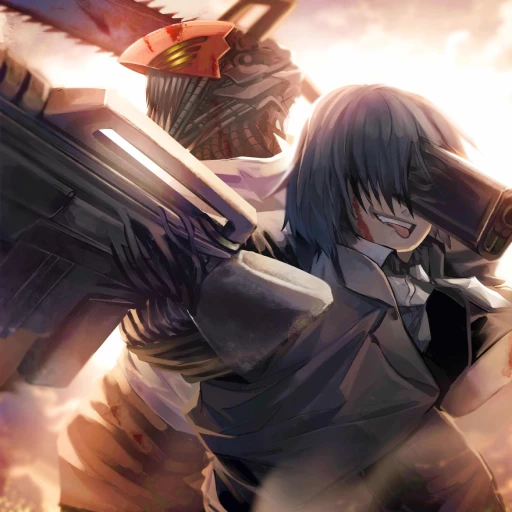
Devil Hunter is one of the most ambitious Chainsaw Man-inspired games on Roblox right now. Between the 12 Fiend Talents, branching weapon skill trees, devil contracts, and a mix of PvP and PvE in an open world, there's a lot to take in. Whether you're still running through The Induction or you've already got your sights on the Gun Devil raid, this guide covers everything you need to know in April 2026 — including all working codes, the best Fiend strategies, and how to pick up some free Robux for that Accessory Coloring game pass.
Table of Contents
- Getting Started — The Induction Tutorial
- All Working Devil Hunter Codes (July 2026)
- How to Redeem Codes in Devil Hunter
- The Fiend Talent System Explained
- Weapons, Skill Trees & Devil Contracts
- PvP vs PvE — Choosing Your Path
- Clans & Legendary Clan Rolls
- Gun Devil Raid Guide
- Advanced Tips & Strategies for 2026
- How to Get Free Robux for Devil Hunter
- Frequently Asked Questions
Getting Started — The Induction Tutorial in 2026
When you first load into Devil Hunter, you won't be able to access most of the game's systems right away. The Induction is a mandatory tutorial quest that every new player has to complete, and it's the key that unlocks everything from code redemption to PvP combat and devil contracts.
The tutorial itself isn't complicated, but it can trip you up if you don't know where to go. You need to track down all 6 Division Captains who are spread across the starting area. Each Captain gives you a brief overview of their division and the gameplay systems they oversee. Think of it like an orientation — the game wants to make sure you've at least seen how combat, Fiend Talents, weapons, and contracts work before it sets you loose.
- Spawn into the starting zone and talk to the first NPC you see for your initial quest marker.
- Follow the quest markers to locate each of the 6 Division Captains across the map. They're in distinct areas, so keep an eye on your minimap.
- Speak to every Captain and complete their short introduction dialogue. Some may ask you to perform a basic action like attacking a training dummy or equipping a weapon.
- After meeting all 6 Captains, head back to Kintoki to complete The Induction and receive your First Class Hunter rank.
Once you've reported to Kintoki, you'll officially be a First Class Hunter. This rank is important because it's the minimum requirement for redeeming codes — if you try to enter codes before finishing The Induction, they simply won't work. You'll also unlock access to the full open world, PvP zones, devil contract negotiations, and the Fiend Talent system.

All Working Devil Hunter Codes (July 2026)
Codes in Devil Hunter are genuinely valuable. Unlike a lot of Roblox games that hand out small currency drops, Devil Hunter codes give you rerolls for your Fiend Talent, clan, hair color, and eye color — plus occasionally rare items like the Eraser Devil. The developers drop codes around milestones and updates, so it's worth checking back regularly.
Here are all the currently active codes as of July 2026:
| Code | Reward | Status |
|---|---|---|
| ARTHURSAGENTS | 18 Fiend Rerolls, 8 Clan Rerolls, 5 Haircolor Rerolls, 5 Eyecolor Rerolls, 1 Eraser Devil | Active |
| 40MVISITS! | Milestone Rewards | Active |
| 9M30SHOTFIX | Compensation Rewards | Active |
| BUGFIXES | Bug Fix Compensation | Active |
| 200KLIKES | Like Milestone Rewards | Active |
| 900KMEMBERS | Community Milestone Rewards | Active |
How to Redeem Codes in Devil Hunter (2026)
The code redemption process in Devil Hunter is a bit different from most Roblox games. There's no settings menu or separate code button on the main HUD — everything goes through the in-game phone system.
- Make sure you've completed The Induction tutorial and reached First Class Hunter rank. Codes won't work without this.
- Open your in-game phone by tapping the phone button at the bottom of your screen. On PC, you can also press the N key as a shortcut.
- Navigate to the codes app on the phone interface.
- Type the code exactly as shown (codes are case-sensitive) and hit redeem.
- Your rewards will be added to your inventory immediately. Check your Fiend Rerolls, Clan Rerolls, and item inventory to confirm.
If a code isn't working, double-check three things: your hunter rank (must be First Class), the exact spelling of the code, and whether you've already redeemed it on that account. Each code can only be used once per account.
The Fiend Talent System Explained in 2026
The Fiend Talent system is the core identity mechanic in Devil Hunter. It determines your character's unique abilities, combat style, and how you approach both PvP and PvE content. There are currently 12 Fiend Talents in the game, and each one plays drastically differently from the others.
When you first create your character, you'll get a random Fiend Talent assigned to you. This is where those Fiend Rerolls from codes become incredibly important — they let you re-roll for a different Talent without starting over. But here's the thing: not every Talent will click with your playstyle, and some are genuinely harder to use effectively at lower levels.
Why You Should Save Fiend Rerolls Until Level 15+
This is probably the single most important piece of advice for new Devil Hunter players. Don't burn through your Fiend Rerolls the moment you get them. Here's why:
- You don't know what you like yet. At level 1-10, you haven't experienced enough of the combat system to know if you prefer melee-heavy Fiends, ranged specialists, or hybrid builds. Give yourself time to actually play.
- Some Fiends scale late. A Fiend Talent that feels weak at level 5 might become one of the strongest options once you unlock its full skill tree at level 15-20. If you reroll away from it too early, you'll never know.
- Rerolls are finite. Unless new codes drop, the rerolls you have are all you're going to get. The ARTHURSAGENTS code gives you 18 — that sounds like a lot, but with 12 possible Talents and RNG involved, you could easily burn through them chasing one specific Fiend.
- Level 15 is the sweet spot. By this point, you've seen enough combat, tried some PvP, and have a clear picture of what you enjoy. You can reroll with intention instead of just hoping for the best.

The Cosmo Fiend — Newest Addition
The Cosmo Fiend was added in one of the most recent bi-weekly updates and has quickly become a community favorite. It's a Fiend Talent centered around area-of-effect damage and spatial control, which makes it incredibly effective in both group PvE encounters and chaotic PvP fights. If you're the type of player who likes controlling space and punishing groups of enemies, Cosmo is worth rolling for.
That said, Cosmo does have a learning curve. Its abilities have wind-up times that leave you vulnerable if you mistime them, and in 1v1 PvP situations, more mobile Fiends can dodge around your AoE attacks. It's at its strongest when you're fighting alongside teammates or dealing with multiple PvE threats at once.
The Eraser Devil
The Eraser Devil is a special Fiend that you can get directly from the ARTHURSAGENTS code — no reroll RNG required. It's a solid all-rounder that works well for players who want a balanced kit without committing to a hyper-specialized playstyle. Think of it as a reliable "main" while you figure out which of the 12 Talents you want to pursue long-term.
Weapons, Skill Trees & Devil Contracts in 2026
Devil Hunter doesn't just hand you a sword and call it a day. The weapon system has genuine depth, with each weapon type featuring its own branching skill tree that you progress through as you use it. This means your choice of weapon isn't just about base stats — it's about which abilities and passive bonuses you unlock over time.
Weapon Skill Trees
Every weapon in Devil Hunter has a dedicated skill tree that unlocks new moves, combo extensions, and passive buffs as you gain experience with that weapon. The key thing to understand is that weapon skill tree progress is per-weapon, not global. If you switch from a katana to an axe at level 20, you're starting fresh on the axe skill tree.
This creates an interesting strategic choice: do you go deep on one weapon and master its entire tree, or do you spread your time across multiple weapons to have more versatility? For most players, especially in PvP, mastering one weapon and knowing its full combo set inside and out will serve you better than being mediocre with three different options.
Recent balance updates have adjusted several weapon skill trees to ensure that no single weapon dominates the meta. The developers have been actively tuning damage values, combo windows, and passive effects based on community feedback and internal data.
Devil Contracts
Devil contracts are the game's power-enhancement system. By forming a contract with a specific devil, you gain access to unique abilities and bonuses that complement your Fiend Talent and weapon choice. The contract system is where Devil Hunter's Chainsaw Man inspiration really shines through — you're literally making deals with devils for power, and each contract has its own tradeoffs.
Contracts are available after completing The Induction, and you can negotiate with different devil NPCs found throughout the open world. Some contracts boost your raw damage output, others enhance your defensive capabilities, and a few provide utility effects like increased movement speed or resource regeneration.
The recent balance patches have also touched devil contracts, adjusting power levels to make previously underused contracts more competitive. The dev team has been clear that they want every contract to feel like a viable option rather than having one "best" pick that everyone runs.
PvP vs PvE — Choosing Your Path in Devil Hunter
Devil Hunter gives you both PvP and PvE content in its open world, and how you balance the two is entirely up to you. That said, the optimal build decisions differ significantly depending on which mode you focus on.
PvE Content
PvE in Devil Hunter revolves around taking on devil enemies, completing quests, and participating in server-wide events like the Gun Devil raid. The PvE content is where you'll earn most of your experience and resources for weapon upgrades. If you're still leveling up or trying to progress your weapon skill trees, PvE is where you should be spending most of your time.
For PvE, you generally want Fiend Talents and contracts that offer consistent damage output and survivability. Burst damage matters less when you're grinding mobs — what matters is how long you can stay in the field without needing to reset. AoE Fiends like Cosmo excel in PvE because they can handle groups efficiently.

PvP Combat
PvP is where the real skill expression happens. Devil Hunter's PvP system tests your understanding of your Fiend Talent, weapon combos, and how to counter your opponent's kit. It's not about who has the bigger numbers — it's about who reads the other player better.
In PvP, you want Fiends with strong mobility or burst damage. Being able to close distance quickly, land a combo, and disengage before your opponent can retaliate is the core PvP loop. Weapons with fast startup on their combos tend to perform better here than slow, heavy-hitting options that leave you open during wind-up animations.
The best PvP players in Devil Hunter tend to know the full combo trees of at least 3-4 different weapons, even if they only main one. Why? Because knowing what your opponent can do is just as important as knowing what you can do. If you can recognize the startup animation of a weapon's combo, you can dodge or counter it before the damage lands.
Building for Both
If you don't want to pick just one mode, that's completely fine. Many Fiend Talents work reasonably well in both PvP and PvE — you just won't be optimal in either. The Eraser Devil from the ARTHURSAGENTS code is actually a solid choice for hybrid players because its kit doesn't lean too hard in either direction. Pair it with a medium-speed weapon that has decent AoE on some skills and single-target damage on others, and you'll hold your own in any situation.
Clans & Legendary Clan Rolls in 2026
The clan system in Devil Hunter adds another layer of character customization through passive bonuses and cosmetic effects. When you create your character, you're assigned a random clan, but you can reroll it using Clan Rerolls from codes. The ARTHURSAGENTS code gives you 8 Clan Rerolls, which is a solid number to work with.
Most clans provide small passive bonuses that won't dramatically change your build, but the legendary clans are a different story. Gunji and Fushai are the two legendary clans currently in the game, and a recent update made them rollable through the standard clan system. Before this change, they were essentially unobtainable for most players, so this is a big deal.
Legendary clans offer noticeably stronger passive effects and come with unique visual indicators that make your character stand out. If you're planning to use your Clan Rerolls, it's worth aiming for one of these two — but keep in mind that legendary rates are low, so don't be surprised if you burn through all 8 rerolls without hitting one.
Gun Devil Raid Guide for 2026
The Gun Devil raid is Devil Hunter's premier PvE event and one of the most intense experiences the game has to offer. It's a server-wide boss fight that spawns periodically, and when it shows up, everyone in the server gets a notification to rally together.
The Gun Devil is no joke. It's got massive health pools, devastating ranged attacks that can wipe out unprepared players, and phases that change its attack patterns as its health drops. You can't solo this — it's designed as a group encounter that requires coordination from multiple hunters in the server.
How to Prepare
- Level up first. Don't attempt the Gun Devil raid if you're under-leveled. You'll go down quickly and contribute nothing to the group effort. Get your weapon skill tree progressed and your Fiend abilities unlocked.
- Bring a defensive contract. Raw damage doesn't help if you're dead. A devil contract that gives you survivability will keep you in the fight longer, which means more total damage output over the course of the encounter.
- Watch for the phase transitions. The Gun Devil changes its attack patterns at health thresholds. If you keep spamming the same approach after a phase shift, you'll get caught off-guard by new attacks.
- Stick with the group. The Gun Devil's ranged attacks are easier to dodge when there are multiple targets for it to focus on. If you stray too far from the group, you become the sole target and that rarely ends well.
Defeating the Gun Devil drops rare loot and materials that you can use for weapon upgrades and other progression. The drops are distributed to all participants based on contribution, so even if you're not the highest-damage player, you'll still get rewarded for helping out.
Advanced Tips & Strategies for Devil Hunter in 2026
After spending a lot of time with Devil Hunter, here are the strategies that consistently separate good players from great ones:
1. Master One Weapon Before Branching Out
It's tempting to try every weapon the game offers, but your weapon skill tree progress is per-weapon. Pick one weapon, learn its full combo set, and get deep into its skill tree before experimenting with others. A fully upgraded katana will outperform a half-upgraded axe every single time, even if the axe has higher base stats.
2. Learn the Matchups
Every Fiend Talent has strengths and weaknesses against other Talents. Some Fiends counter others hard — if you know which matchups are in your favor and which ones you need to play carefully around, your PvP win rate will improve dramatically. Spend time watching how other players use their Fiends, especially in the PvP zones.
3. Use the Open World to Your Advantage
Devil Hunter's open world isn't just empty space between quest markers. The terrain matters in both PvP and PvE. Elevated positions give ranged Fiends an advantage, narrow corridors limit the effectiveness of AoE attacks, and environmental obstacles can be used to break line of sight against the Gun Devil's ranged attacks. Think about positioning, not just your abilities.
4. Don't Sleep on Cosmetic Rerolls
The 5 Haircolor Rerolls and 5 Eyecolor Rerolls from ARTHURSAGENTS might seem like throwaway rewards, but Devil Hunter's community puts a lot of value on character appearance. If you're into the social side of the game — trading, group content, or just hanging out in hubs — looking distinctive can actually make a difference in how people interact with you.
5. Stay Current with Bi-Weekly Updates
ShhConceited and the Devil Hunter May Cry team push updates every two weeks. These aren't just bug fixes — they regularly include balance changes to Fiend Talents, weapons, and contracts. A build that's top-tier one week might get adjusted the next. Follow the game's official channels to stay informed about what's changing.

6. Game Pass Value Assessment
Devil Hunter is impressively free-to-play friendly. The only game pass available is Accessory Coloring at 500 Robux, and it's purely cosmetic — it lets you customize the colors of your accessories. No weapon boosts, no stat increases, no exclusive Fiend Talents behind a paywall. Every single piece of gameplay content is accessible without spending a dime. That said, if character customization matters to you, the Accessory Coloring pass is a nice quality-of-life upgrade that lets you personalize your hunter's look.
How to Get Free Robux for Devil Hunter
If you want to grab the Accessory Coloring game pass or save up Robux for other Roblox games, Earnaldo lets you earn Robux for free by completing simple online tasks. It's straightforward and doesn't require any credit card or payment info.
- Head to earnaldo.com and create a free account. Link your Roblox username so your earned Robux can be sent to the right place.
- Browse the available tasks — these include watching short videos, answering surveys, and trying out app offers. Each task earns you points.
- Once you've accumulated enough points, convert them to Robux and withdraw them directly to your Roblox account.
- Use your Robux to purchase the Accessory Coloring game pass (500 Robux) in Devil Hunter, or save them for game passes in other titles you play.
Earn Free Robux for Devil Hunter
Want the Accessory Coloring game pass or Robux for other games? Earn them for free on Earnaldo — no credit card needed.
More Roblox Game Guides
If you play other Roblox anime games or action titles, check out these guides for codes, tips, and free Robux strategies:
- Jujutsu Shenanigans Free Robux Guide (2026) — Anime fighting with Domain Expansions and cursed techniques.
- The Strongest Battlegrounds Free Robux Guide (2026) — One Punch Man-inspired brawler with ranked PvP.
- Blade Ball Free Robux Guide (2026) — Fast-paced deflection combat with ability unlocks.
- Anime Defenders Free Robux Guide (2026) — Tower defense meets anime with deep unit progression.
- Blox Fruits Free Robux Guide (2026) — The original anime RPG with Devil Fruits and sea exploration.
Frequently Asked Questions About Devil Hunter (2026)
The current active codes are ARTHURSAGENTS (18 Fiend Rerolls, 8 Clan Rerolls, 5 Haircolor Rerolls, 5 Eyecolor Rerolls, 1 Eraser Devil), 40MVISITS!, 9M30SHOTFIX, BUGFIXES, 200KLIKES, and 900KMEMBERS. You must be First Class Hunter rank to redeem any of them.
Open your in-game phone by tapping the phone button at the bottom of the screen or pressing N on PC. Navigate to the codes section and type in the code exactly as shown. You must have completed The Induction tutorial and reached First Class Hunter rank before codes will work.
There are 12 Fiend Talents, and the "best" one depends on your playstyle. The Cosmo Fiend is the newest and excels at AoE damage for PvE and group PvP. The Eraser Devil (free from the ARTHURSAGENTS code) is a strong all-rounder. Save your Fiend Rerolls until at least level 15 so you understand which combat style suits you before committing.
Not at all. All gameplay content in Devil Hunter is completely free. The only game pass is Accessory Coloring at 500 Robux, which is purely cosmetic. Every weapon, Fiend Talent, devil contract, and combat ability can be earned through gameplay alone.
The Induction requires you to meet all 6 Division Captains scattered around the starting area and then report back to Kintoki. This unlocks your First Class Hunter rank, gives you access to code redemption, and opens up the full game including PvP and devil contracts.
Gunji and Fushai are the two legendary clans currently available. A recent update made them rollable through the standard clan reroll system. They provide stronger passive bonuses and unique visual effects compared to regular clans. Use the 8 Clan Rerolls from the ARTHURSAGENTS code to try for them.
The Gun Devil raid is a server-wide PvE event that spawns periodically. All players in the server can participate to take it down. The Gun Devil has multiple health phases with changing attack patterns. It drops rare loot and weapon upgrade materials distributed based on your contribution to the fight.
Devil Hunter has been publicly available since January 2, 2026. The game receives bi-weekly updates from the ShhConceited / Devil Hunter May Cry development team. Recent updates have added the Cosmo Fiend, rebalanced weapons and contracts, and made legendary clans rollable.