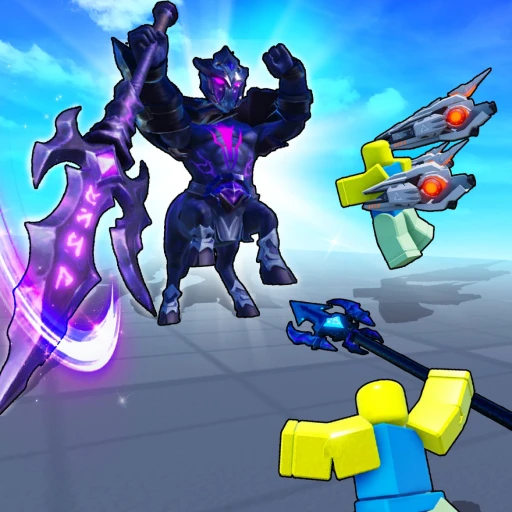
Dungeon Hunters Roblox — Guides, Codes & Tips (2026)
Dungeon Hunters from The Evac Syndicate has carved out a loyal following within the Roblox action RPG space, surpassing 149 million visits and holding steady at around five thousand concurrent players on any given day. This hub page collects every guide, code list, and comparison article we have published for the game so you can find exactly what you need in one place.
At its core, Dungeon Hunters drops you into procedurally generated dungeon floors where every room can spawn a fresh wave of enemies, a treasure chest, a trap, or a boss encounter. You pick a class at the start of each run, gear up through loot drops as you push deeper, and try to survive increasingly punishing floors where enemy density and damage output scale aggressively. The game borrows from classic dungeon-crawling traditions while layering in Roblox-native mechanics like pet companions, weapon enchantments, and seasonal event dungeons that rotate on a regular schedule.
Combat leans heavily on positioning and ability timing rather than raw stat checks. Each class carries a distinct ability kit: melee fighters excel in tight corridors where they can cleave through clustered mobs, ranged specialists thrive in open chambers where kiting is viable, and support-oriented classes shine in co-op runs where healing and crowd control keep the party alive through boss phases that would overwhelm a solo player. Weapon rarity tiers run from common gray drops through legendary gold items, and the enchantment system lets you reroll secondary stats to fine-tune a piece of gear for your specific build.
The Evac Syndicate has maintained a consistent update cadence since launch. New dungeon biomes introduce unique enemy types and environmental hazards that force you to adapt your strategy rather than relying on a single approach. Limited-time events bring exclusive cosmetics, weapons, and pet companions that are only available during their active window, rewarding players who log in regularly. Balance patches adjust class performance and weapon scaling so the meta shifts often enough to keep theorycrafting interesting without invalidating builds that players have invested time into.
💸 Playing Dungeon Hunters? Get paid for it
Codes come and go — earning is forever. Earnaldo pays you real Robux for playing Roblox games and finishing simple tasks. Free to join, no human verification, cash out from your very first point.
Earn Robux instead →Quick Stats
All Dungeon Hunters Guides & Articles
Tap any card below to jump straight to the full article. Each piece is kept current with the latest game changes so you always have accurate information at hand.
Dungeon Hunters Tier List (2026) — Best Weapons Ranked
All 19+ weapons ranked from SS to C tier. Covers DPS, AOE potential, boss viability, and which gacha pulls are worth your gems.
GuideDungeon Hunters Free Robux Guide (2026)
Step-by-step walkthrough for earning free Robux while playing Dungeon Hunters. Covers Earnaldo tasks, watch-to-earn options, and referral bonuses you can put toward weapon crates and game passes.
CodesDungeon Hunters Codes (July 2026)
Every active and expired promo code for Dungeon Hunters compiled in one regularly updated list. Includes redemption steps and a breakdown of what each code rewards.
ComparisonDungeon Hunters vs Anime Defenders (2026)
A detailed side-by-side look at two popular Roblox games with very different combat philosophies. Find out which one fits your preferences for loot systems, progression, and endgame depth.
Earn Free Robux While You Play
Want more Robux for Dungeon Hunters and other Roblox games? Earnaldo lets you earn free Robux by completing simple tasks — no surveys, no downloads, just real rewards.
Why Play Dungeon Hunters?
The action RPG genre on Roblox has no shortage of competitors, but Dungeon Hunters distinguishes itself through its commitment to procedural generation and build diversity. No two runs feel identical because floor layouts, enemy compositions, and loot tables are randomized on every attempt. That structural unpredictability keeps the core loop from growing stale even after dozens of hours, and it rewards players who understand how to adapt their strategy on the fly rather than memorizing a fixed sequence of encounters.
Class selection drives the first major decision point. Warriors absorb incoming damage with shield abilities and crowd-control slams that stagger groups of enemies, creating breathing room for teammates in co-op. Assassins trade durability for burst damage and mobility, excelling at isolating high-priority targets like healers and ranged casters before they can support the rest of the pack. Mages deliver devastating area-of-effect spells that clear entire rooms but rely on careful cooldown management and positioning to avoid being overwhelmed during ability downtime. Each class encourages a fundamentally different playstyle, and mastering more than one gives you the flexibility to fill whatever role a party needs.
Loot is the engine that drives long-term engagement. Every enemy has a chance to drop equipment, and rarity tiers determine both the base stat range and the number of secondary affixes an item can carry. A legendary weapon with the right combination of critical chance, attack speed, and lifesteal can transform a struggling build into one that pushes comfortably through the hardest content. The enchantment table lets you reroll individual affixes at the cost of in-game currency, adding a controlled layer of progression on top of the random drop system so dedicated players can incrementally improve their loadout without relying entirely on luck.
Boss encounters anchor each dungeon biome with multi-phase fights that test your knowledge of attack patterns, positioning windows, and cooldown timing. Early bosses serve as skill checks that teach core mechanics, while endgame bosses layer in environmental hazards, add-spawn phases, and enrage timers that demand near-perfect execution. Defeating these encounters on higher difficulty tiers increases the quality and quantity of loot, creating a clear incentive to push beyond your comfort zone once your gear catches up.
Co-op play elevates the experience beyond what solo runs offer. Party composition matters because classes complement each other in ways that solo play cannot replicate. A warrior holding aggro at a chokepoint while a mage blankets the area behind with damage and an assassin flanks to eliminate ranged threats creates emergent tactical moments that feel genuinely rewarding. The game scales enemy health and damage based on party size, so grouping up does not trivialize content. Instead, it shifts the challenge from individual survival toward team coordination, communication, and role discipline.
Seasonal events and limited-time dungeon biomes provide a steady stream of reasons to return. These events typically introduce themed enemies, unique boss encounters, and exclusive reward tracks that include cosmetics, pets, and weapons unavailable outside the event window. The Evac Syndicate has been consistent in delivering these updates on a predictable schedule, which helps the community plan ahead and ensures that returning players always have fresh content waiting for them.
We will continue expanding this hub as Dungeon Hunters receives new updates and events. If there is a specific topic or strategy breakdown you want to see covered, drop a suggestion in our Discord server and we will work it into our content schedule.