Last checked: June 10, 2026
Dungeon Hunters Free Robux Guide (2026) — Weapons, Codes & Strategies
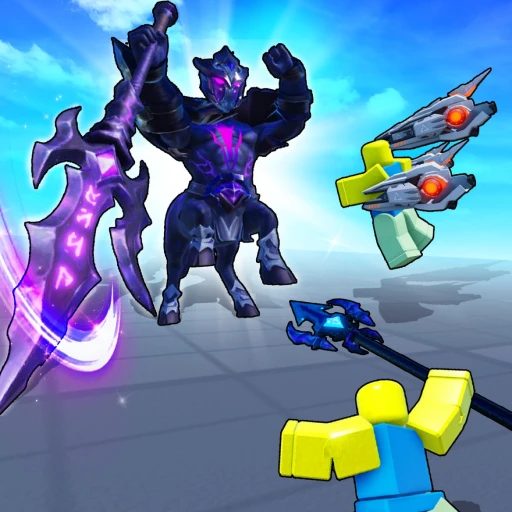
Dungeon Hunters by The Evac Syndicate has become one of the most addictive action RPGs on Roblox since launching in October 2025. With 149M+ visits, 76+ monster types, 19+ weapons locked behind a gacha pull system, and co-op dungeon crawling that actually requires coordination, the game has earned its massive player base. This guide covers everything — from the weapon tier list and active codes to gem farming routes, skill builds, and wave-based survival strategies that will keep you alive on the hardest floors.
Table of Contents
- What Is Dungeon Hunters?
- Active Codes — April 2026
- Weapon Tier List (2026)
- Getting Started — New Player Walkthrough
- Gacha Pull Strategy — Maximizing Your Gems
- Co-Op Dungeon Guide — Floor-by-Floor Breakdown
- Skills & Builds — What to Level First
- Wave-Based Modes — Survival Strategies
- Gem Farming Routes (2026)
- Monster Guide — 76+ Types Explained
- Frequently Asked Questions
What Is Dungeon Hunters on Roblox?
Dungeon Hunters is an action RPG built around cooperative dungeon exploration. You and up to three teammates drop into procedurally arranged dungeon floors, fight through rooms packed with monsters, collect loot, and push deeper into increasingly dangerous territory. The game launched in October 2025 on Roblox (Place ID: 120217704230083) and has already crossed 149 million visits.
The core gameplay loop is straightforward: enter a dungeon, clear rooms of monsters, collect gems and materials, use those gems to pull weapons from the gacha system, then take your upgraded loadout into harder content. What makes Dungeon Hunters stand out from other Roblox dungeon crawlers is the depth of its combat system. With 19+ weapons, each with distinct movesets and stat profiles, your weapon choice fundamentally changes how you play. A Death Scythe user plays nothing like someone running a Tentacle Reach Extender.
The Evac Syndicate has built a monster roster of 76+ types, and they're not just reskins. Each monster category has unique attack patterns, elemental resistances, and behavioral quirks. The skeleton archers on floor 3 behave completely differently from the crystal golems on floor 12. Learning monster patterns is half the battle in Dungeon Hunters, and that's what keeps the game engaging hundreds of hours in.

Active Dungeon Hunters Codes — April 2026
Codes in Dungeon Hunters give you gems — the primary currency for gacha weapon pulls. They expire without warning, so redeem them the moment you see them. Here's every working code as of July 2026:
| Code | Reward | Status |
|---|---|---|
| k300_LIkEs | Gems | Active |
How to Redeem Codes in Dungeon Hunters
- Launch Dungeon Hunters on Roblox
- Look for the gear icon in the top-right corner of your screen
- Tap the gear icon to open the settings/code panel
- Type or paste the code exactly as shown — codes are case-sensitive (note the capital L, I, and E in k300_LIkEs)
- Click OK and your gems will be added to your account instantly
That free gem injection from codes can be the difference between pulling a common weapon and landing something from A-Tier or above. Every gem counts in the gacha system, and free gems from codes have no downside.
Dungeon Hunters Weapon Tier List — 2026
With 19+ weapons available through the gacha pull system, knowing which ones are worth investing in saves you from wasting gems and upgrade materials. This tier list reflects the April 2026 meta after extensive testing across dungeon floors and wave-based modes.
SS-Tier (Game-Changing)
| Weapon | Type | Why It's SS-Tier |
|---|---|---|
| Death Scythe | AOE Melee | The single best weapon in Dungeon Hunters. Its sweeping arc hits everything in a 270-degree cone, and each swing applies a stacking bleed effect. In wave-based modes, nothing else comes close to the Death Scythe's room-clearing speed. The bleed damage alone accounts for 30-40% of your total output on bosses. |
S-Tier (Top-Tier Picks)
| Weapon | Type | Why It's S-Tier |
|---|---|---|
| Tentacle Reach Extender | Extended Melee | +50% attack range changes how you approach every encounter. You can hit enemies before they enter their own attack range, which is especially valuable against the hard-hitting monsters on floors 15+. Slightly lower raw DPS than the Death Scythe but vastly safer to play. |
| Void Blade | Single-Target Melee | Highest single-target DPS in the game. Melts bosses faster than anything else in the weapon pool. Limited AOE keeps it out of SS-Tier, but in boss-focused content, nothing beats it. |
| Thunder Bow | Ranged | Best ranged option available. Chain lightning effect bounces between grouped enemies, giving it pseudo-AOE capability. The safest weapon for newer players who want to deal damage from the back line. |
A-Tier (Excellent Weapons)
| Weapon | Type | Why It's A-Tier |
|---|---|---|
| Crystal Hammer | AOE Melee | Slower than the Death Scythe but hits harder per swing. Ground slam ability creates crystal shards that deal lingering damage. Great for holding chokepoints in co-op. |
| Shadow Daggers | Dual Wield | Fastest attack speed in the game. Lower per-hit damage but excels at proccing on-hit effects and building combo chains. Pairs well with lifesteal skills. |
| Flame Staff | Ranged Caster | Fireball projectiles with splash damage on impact. Strong crowd control with burn DOT. Falls behind Thunder Bow at higher floors due to slower projectile speed. |
| Frost Spear | Melee | Every third hit applies a 2-second slow to enemies. Excellent utility weapon for co-op play where slowing dangerous monsters gives your team breathing room. |

Weapon Priority Verdict
If you pull a Death Scythe, stop pulling and invest everything into upgrading it. For everyone else, the Tentacle Reach Extender or Thunder Bow are the best realistic targets — they appear more frequently in the gacha pool and will carry you through 90% of the game's content without issue.
Getting Started in Dungeon Hunters — New Player Walkthrough (2026)
Your first session in Dungeon Hunters determines how fast you progress. Follow this sequence to avoid the common mistakes that trap new players in the early floors for far too long.
- Redeem the k300_LIkEs code immediately. Open the gear icon, enter the code, click OK. Free gems before you swing a weapon.
- Complete the tutorial dungeon. It takes roughly 5 minutes and teaches you the basic combat mechanics. You'll receive a starter weapon and a small gem bonus. Don't skip the tutorial — the dodge timing lesson saves lives on later floors.
- Spend your gems on a multi-pull. Multi-pulls (10x) offer slightly better odds than single pulls. If you land anything A-Tier or above, equip it and stop pulling. If you get all commons, farm gems from floors 1-3 and try again.
- Clear floors 1 through 5 solo. These floors are designed for single players with starter weapons. Use them to learn monster attack patterns and practice dodge timing without the pressure of holding back a co-op team.
- Join a co-op party for floors 6 and beyond. The difficulty spike at floor 6 is significant. Teaming up splits monster aggro and lets you tackle content above your gear level. Use the party finder or the game's social features to find groups.
- Invest skill points into your primary weapon's synergy tree. Every weapon benefits from specific skills. Don't spread points across everything — focus on the skills that amplify your main weapon's strengths first.
Gacha Pull Strategy — Maximizing Your Gems in Dungeon Hunters (2026)
The gacha system is the primary way to obtain weapons in Dungeon Hunters. Understanding the pull mechanics saves you from burning gems on bad banners and walking away with nothing useful.
How the Gacha System Works
You spend gems to pull from the weapon banner. Each pull has weighted drop rates: common weapons drop most frequently, uncommon and rare weapons have moderate rates, and S-Tier or SS-Tier weapons have very low pull chances. The Death Scythe, as the only SS-Tier weapon, sits at the bottom of the probability table.
Multi-Pull vs. Single Pull
Multi-pulls (10 at once) cost slightly fewer gems per pull than singles. They also guarantee at least one uncommon or better result in the batch. If you have enough gems for a multi-pull, always go that route. Singles are only worth it when you're 1-2 pulls away from a guaranteed pity threshold.
The Pity System
Dungeon Hunters has a soft pity system. After a certain number of pulls without a high-rarity weapon, your drop rates for rare weapons increase incrementally. This means long dry streaks eventually end. The key takeaway: if you're deep into a pulling session with nothing to show for it, keep going — you're likely close to the pity threshold. But only pull if you have the gems to spare. Never spend gems you've earmarked for skill upgrades on desperation pulls.
When to Save Gems
The Evac Syndicate occasionally runs banner events with boosted drop rates for specific weapons. If you already have a viable A-Tier weapon, save your gems for these events. A boosted banner can double or triple your odds of pulling an S-Tier weapon compared to the standard banner. Watch the game's announcement feed and community channels for banner rotation schedules.

Co-Op Dungeon Guide — Floor-by-Floor Breakdown (2026)
Dungeon Hunters is designed around co-op play, and the floor structure reflects that. Here's what to expect as you push deeper, and how to handle the difficulty spikes that catch most players off guard.
Floors 1-5: Learning Phase
These floors are soloable with any weapon. Monsters have low HP pools and telegraph their attacks clearly. Use these floors to master dodge timing, learn the room layouts, and experiment with different weapon combos. The monsters here include basic skeletons, slimes, and low-tier undead — none of which pose a real threat unless you stand still and take hits.
Floors 6-10: The First Wall
Floor 6 introduces monsters with ranged attacks, elemental resistances, and significantly more HP. Solo players with common weapons will struggle here. This is where co-op becomes important. A standard party of 2-3 players can clear these floors efficiently by splitting aggro: one player draws monster attention while the others deal damage from behind. Armored knights and fire elementals first appear on floor 8, and they require focused fire to take down before they overwhelm your party.
Floors 11-15: Mid-Game Grind
Monster density increases sharply. Rooms can spawn 15-20 enemies simultaneously, and several new monster types introduce mechanics like shield blocks, teleportation, and area denial attacks. Crystal golems on floor 12 are a common party-wiper — they have a ground pound that hits in a circle around them. The Tentacle Reach Extender shines here because its +50% range lets you hit golems without standing in their ground pound zone.
Floors 16+: Endgame Territory
Boss monsters spawn alongside regular enemies. Every room is a potential wipe if your team isn't coordinated. Death Scythe users dominate these floors because the bleed AOE can thin out packs before the boss reaches your party. Communication matters — call out boss attack patterns, coordinate dodge windows, and designate one player to handle add control while the others focus the boss.
Skills & Builds in Dungeon Hunters — What to Level First (2026)
The skill system in Dungeon Hunters gives you meaningful choices about how your character fights. Each skill point matters, and spreading them too thin is the most common mistake players make in the mid-game.
Core Skill Categories
Skills fall into three branches: Offensive, Defensive, and Utility. Offensive skills boost damage output, critical hit rates, and attack speed. Defensive skills improve HP, damage reduction, and dodge effectiveness. Utility skills enhance movement speed, gem collection radius, and item find rates.
Best Skill Build for Melee Weapons
If you're running the Death Scythe, Crystal Hammer, or Shadow Daggers, prioritize Offensive skills first. Put your first 10 points into critical hit chance and attack speed. These two stats multiply each other — faster swings with more crits dramatically outscale raw damage bonuses. After that, invest 5 points into Defensive HP to survive hits on harder floors. Skip Utility skills entirely until your combat stats are maxed.
Best Skill Build for Ranged Weapons
Thunder Bow and Flame Staff users benefit from a split build. Put 8 points into Offensive damage and 7 into Defensive dodge effectiveness. Ranged players shouldn't be getting hit often, but when they do, having enough survivability to take one mistake without dying is the difference between clearing a floor and restarting it. Round out the build with projectile speed from the Utility tree — faster projectiles mean more hits on moving targets.
Respeccing Skills
You can respec your skill points at a cost of gems. It's expensive, so avoid respeccing frequently. The best approach is to commit to one build, push as far as it takes you, and only respec when you pull a new weapon that fundamentally changes your playstyle. Switching from a melee Death Scythe build to a ranged Thunder Bow build is worth the respec cost. Minor adjustments within the same weapon class are not.
Wave-Based Modes — Survival Strategies for Dungeon Hunters (2026)
Beyond the standard dungeon floors, Dungeon Hunters features wave-based survival modes where endless waves of monsters spawn with increasing intensity. These modes are the best source of gems per hour once you can survive past wave 20.
How Wave Mode Works
Monsters spawn in waves of increasing size and difficulty. Each wave you clear awards gems and has a small chance to drop upgrade materials. The gem payout scales with the wave number, so reaching wave 30 awards significantly more per wave than wave 10. There's no cap — you play until your team wipes.
Best Weapons for Wave Mode
Death Scythe is the undisputed champion here. Its 270-degree arc and stacking bleed effect were practically designed for wave mode, where enemies approach from all directions. The Crystal Hammer is a solid second choice because its ground slam creates area denial that funnels monsters into kill zones. Ranged weapons struggle in wave mode because you can't kite effectively when enemies spawn behind you.
Wave Mode Team Composition
The ideal 4-player wave mode team runs two Death Scythe or AOE melee users, one Frost Spear for crowd control (the slow effect is invaluable when 30+ monsters rush you), and one ranged DPS for picking off stragglers that break through the front line. Position your melee players at two chokepoints while the ranged player covers the open lanes.

Surviving Past Wave 25
The difficulty spike at wave 25 is where most teams fail. Monster HP doubles and new elite variants start appearing in every wave. Elites have glowing health bars, higher resistances, and unique abilities — some teleport behind your back line, others generate shields for nearby enemies. Focus-fire elites the moment they spawn. Letting two or three elites build up in a single wave is usually a death sentence.
Gem Farming Routes in Dungeon Hunters (2026)
Gems are the currency that drives everything in Dungeon Hunters — weapon pulls, skill respecs, and consumable purchases. Efficient farming separates players who pull S-Tier weapons within a week from those who grind for months with commons.
Floor 5 Speed Runs
The fastest early-game gem farm. Floor 5 can be cleared in under 3 minutes with any A-Tier weapon, and it drops a consistent 150-200 gems per run. At that rate, you can accumulate enough for a multi-pull in roughly 30-40 minutes of focused grinding. This is your bread-and-butter farm until your gear supports floor 10 speed runs.
Floor 10 Boss Farming
Floor 10's boss drops a large gem bonus on first daily clear and a smaller but still worthwhile amount on repeat clears. The boss has predictable attack patterns once you learn the 3-phase rotation. A co-op team of two A-Tier weapon users can farm the floor 10 boss every 5-6 minutes, yielding roughly 300-400 gems per run including trash mob drops.
Wave Mode Gem Farming
Once your team can consistently reach wave 25+, wave mode becomes the best gems-per-hour source in the game. A strong team reaching wave 30 can earn 2,000+ gems in a single 20-minute session. The catch is that you need solid gear and coordination to reach those waves, so this route opens up in the mid-to-late game.
Daily and Weekly Gem Sources
Don't overlook the passive gem income. Daily login rewards, first-clear bonuses on new floors, and weekly challenge completions all provide guaranteed gem payouts. A player who logs in every day, clears their daily first-clears, and finishes weekly challenges earns roughly 3,000-4,000 gems per week before farming a single extra dungeon.
Monster Guide — Understanding 76+ Types in Dungeon Hunters
Dungeon Hunters' monster roster is one of the deepest on Roblox. With 76+ distinct types, you'll encounter new enemies well into the late game. Here's a breakdown of the major categories and how to handle each one.
Melee Monsters
Skeletons, zombies, armored knights, and brutes make up the melee roster. They rush toward you and attack at close range. Most have clear wind-up animations before their strikes, giving you a dodge window. Armored knights take reduced damage from frontal attacks — circle behind them or use AOE weapons that bypass their shield. Brutes are slow but hit hard enough to two-shot most builds, so dodge their overhead slam and punish during the recovery frames.
Ranged Monsters
Skeleton archers, fire elementals, and crystal mages attack from a distance. Their projectiles move at different speeds — arrows are fast, fireballs are moderate, and crystal shards track slightly. Prioritize killing ranged monsters first in any room. A single fire elemental can chip 40% of your HP from across the room while you're busy fighting melee adds. Close the distance quickly or use ranged weapons to trade with them.
Elite Monsters
Elites appear on higher floors and in late wave-mode stages. They have glowing health bars, 3-5x the HP of standard monsters, and unique abilities. Shadow elites teleport behind you. Shield elites generate barriers for nearby allies. Exploder elites detonate on death, dealing heavy AOE damage. Learn which elite types spawn on each floor and develop specific tactics for each. The fastest way to wipe is to ignore an elite and let it use its ability unchecked.
Bosses
Floor bosses appear every 5 floors and have multi-phase fight mechanics. Each boss has 2-3 distinct phases that trigger at HP thresholds. Phase transitions often change the boss's attack patterns and sometimes spawn additional enemies. The floor 10 boss, for example, summons skeleton adds at 50% HP that must be cleared before you can continue damaging the boss. Bring a weapon that can handle both single-target and AOE damage, or coordinate with your co-op team to split boss duty and add control.
Related Action RPG Guides
If you enjoy Dungeon Hunters, you'll likely want to explore these other action-focused Roblox games. Each guide covers strategies, codes, and progression tips at the same depth.
- Anime Defenders Free Robux Guide (2026) — Tower defense with strategic unit placement and anime heroes
- Anime Vanguards Free Robux Guide (2026) — Wave-based combat with anime-inspired character rosters
- Best Roblox Games in 2026 — Full ranking of the top games across every genre
Want Free Robux for Dungeon Hunters?
Earnaldo lets you earn free Robux by completing simple tasks. Put those Robux toward weapon pulls, game passes, or any other Dungeon Hunters purchase — no credit card required.
Frequently Asked Questions — Dungeon Hunters (2026)
Dungeon Hunters is an action RPG / dungeon crawler developed by The Evac Syndicate. You explore procedurally arranged dungeons in co-op, fight 76+ monster types, collect weapons through a gacha pull system, and progress through increasingly difficult wave-based modes. The game launched in October 2025 and has surpassed 149 million visits.
The Death Scythe is the best overall weapon as of July 2026. It's SS-Tier with the strongest AOE damage in the game and a stacking bleed effect that shreds bosses. The Tentacle Reach Extender is the second-best pick, offering +50% attack range that makes harder dungeon floors significantly safer. The Thunder Bow is the top ranged option with its chain lightning mechanic.
Yes. The active code k300_LIkEs gives you gems when redeemed. To use it, tap the gear icon in the top-right corner, enter the code exactly as written (case-sensitive), and click OK. Check back regularly for new codes — The Evac Syndicate releases them at like milestones.
You spend gems to pull from the weapon banner. Drop rates are weighted — common weapons appear most often, while SS-Tier weapons like the Death Scythe have very low rates. Multi-pulls (10x) offer slightly better value than singles and guarantee at least one uncommon result. A soft pity system gradually improves your odds after long streaks without a rare pull.
Tap the gear icon in the top-right corner of the screen while in-game. Enter the code in the text field exactly as shown — codes are case-sensitive. Click OK to redeem, and your rewards appear in your account immediately.
Yes, Dungeon Hunters is completely free to play. All 19+ weapons can be obtained through the gacha pull system using gems earned in-game. Robux can speed up progression through gem purchases, but every piece of content in the game is accessible without spending real money.
The game features 76+ distinct monster types spread across dungeon floors and wave-based modes. Each type has unique attack patterns, elemental resistances, and behaviors. Categories include melee fighters, ranged attackers, elites with special abilities, and multi-phase floor bosses that appear every 5 floors.
Solo play is viable for floors 1-5 and early wave-mode waves. Beyond that, co-op with 2-4 players is strongly recommended. Teaming up lets you split monster aggro, coordinate skills, and revive fallen teammates. The difficulty past floor 6 is designed around group play, and trying to solo floor 15+ without an S-Tier weapon is extremely punishing.