Enter Brainrot vs Steal a Brainrot (2026) — Which Roblox Game Is Better?
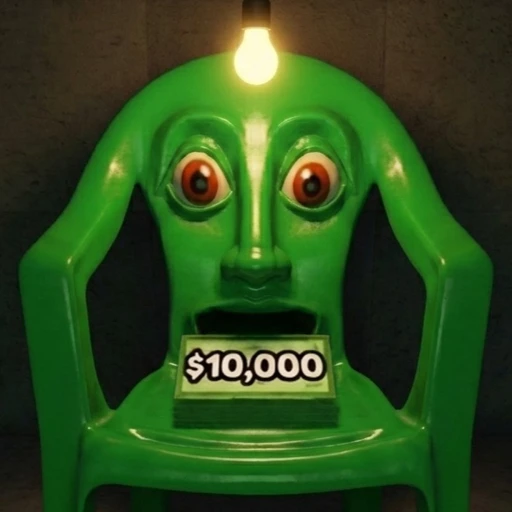
The brainrot genre on Roblox has exploded in 2026, and two games sit at the center of it all: Enter Brainrot and Steal a Brainrot. Enter Brainrot by Monk Mountain is an obby platformer that has crossed 72 million visits by challenging players to climb the legendary Mount Brainrot. Steal a Brainrot goes in a completely different direction, blending tycoon mechanics with PvP stealing in a format that hit a staggering 25.8 million concurrent players at its peak.
Both games ride the same cultural wave of brainrot memes and internet humor, but the actual gameplay could not be more different. One tests your platforming precision. The other tests your ability to build, collect, and protect your stash from rival players. Whether you are a brainrot veteran or just curious about why these games are everywhere on your Roblox feed, this comparison will help you figure out which one fits your vibe.
Already a fan? Check out our Enter Brainrot free Robux guide and Steal a Brainrot free Robux guide for tips on earning Robux for game passes.
Enter Brainrot vs Steal a Brainrot — Quick Stats (2026)
| Category | Enter Brainrot | Steal a Brainrot |
|---|---|---|
| Genre | Obby / platformer | Tycoon-PvP hybrid |
| Place ID | 114357963370524 | N/A |
| Developer | Monk Mountain | Popular brainrot studio |
| Total Visits | 72M+ | Hundreds of millions |
| Peak Concurrent | High | 25.8M (record-breaking) |
| Core Loop | Climb Mount Brainrot, platform through obstacles | Build base, collect brainrots, steal from rivals |
| Skill Type | Platforming precision | Resource management + PvP |
| Co-op | Parallel (same server) | Competitive + co-op elements |
| Mobile-Friendly | Yes (harder on touch) | Yes |
| Free-to-Play | Yes | Yes |
Gameplay — Climbing vs Stealing
Enter Brainrot
Enter Brainrot is, at its core, a vertical obby. You start at the base of Mount Brainrot and climb. That sounds simple, but Monk Mountain has designed the ascent to test every platforming skill you have. The early stages introduce basic jumps and timing challenges that most players can handle. By the midpoint, you are dealing with moving platforms, shrinking footholds, fake surfaces that crumble when you land on them, and gap jumps that demand pixel-perfect timing.
The mountain is divided into themed zones that shift in visual style and obstacle design as you climb higher. Lower sections use brainrot meme aesthetics with recognizable internet characters and references that keep the mood light and funny. Higher zones get progressively more surreal and challenging, with obstacle designs that feel intentionally punishing. Falling does not always send you back to the bottom — checkpoint systems are spaced throughout the climb — but a bad fall at the wrong spot can erase 10 or 15 minutes of progress, which creates real stakes for every jump.
What makes Enter Brainrot stand out from the hundreds of other obbies on Roblox is the Mount Brainrot concept itself. The climb has a narrative arc. You are not jumping through disconnected obstacle rooms — you are ascending a massive structure with visual continuity and escalating difficulty that creates a genuine sense of journey. Reaching new heights feels like an accomplishment, and the view from the top is earned through skill rather than time investment alone. Speedrunners have turned the climb into a competitive scene, with leaderboards tracking the fastest ascents and community races drawing spectators.
Steal a Brainrot
Steal a Brainrot takes the brainrot theme and wraps it around a tycoon-PvP hybrid that has captivated millions. You start by building a base where brainrots — collectible characters based on internet meme culture — generate automatically over time. Your job is to grow your collection, upgrade your production capacity, and expand your base with better defenses and storage. So far, it sounds like a standard tycoon. The twist is the stealing mechanic.
Other players in your server can raid your base and steal your brainrots. You can do the same to them. This creates a competitive tension that transforms the lazy tycoon formula into something genuinely engaging. Do you invest in defenses to protect what you have, or do you prioritize offensive tools to raid other players and grow faster? Do you save up for a massive upgrade or spend your resources on security before someone cleans you out? These decisions happen constantly and create a strategic layer that most tycoon games completely lack.
The brainrot collection itself drives much of the engagement. Different brainrot variants have different rarity tiers, and collecting rare ones provides both bragging rights and functional bonuses. Some rare brainrots generate resources faster, unlock special abilities during raids, or provide passive buffs to your base. The collection metagame encourages repeated play sessions and creates social dynamics where players trade, negotiate, and form temporary alliances to protect their stashes from common rivals.
Edge: Enter Brainrot for pure skill-based gameplay and the satisfaction of conquering a physical challenge. Steal a Brainrot for strategic depth, competitive tension, and the addictive tycoon-PvP loop.
Progression — Climbing Higher vs Building Bigger
Progression in these games feels completely different, reflecting their distinct genres.
Enter Brainrot progression is measured in altitude. You start at the bottom, and every session pushes you higher up Mount Brainrot. Checkpoints mark your progress, and reaching a new checkpoint feels like a genuine milestone because it required skill improvement, not just time. The progression is transparent — you can see how far you have climbed relative to the summit, and the percentage complete gives you a clear goal. There is no grinding for currency or waiting for timers. Your progress is gated entirely by your ability to execute platforming challenges. This means that a highly skilled player can reach the summit in hours, while a less experienced player might take weeks, and both timelines are perfectly valid.
Steal a Brainrot uses a multi-layered progression system. Your base level increases as you invest resources, unlocking new production facilities, defensive structures, and cosmetic upgrades. Your brainrot collection grows over time through production and successful raids. Your player level tracks overall activity and unlocks access to higher-tier content, better raid tools, and more valuable brainrot variants. The progression is faster in short bursts but extends indefinitely — there is always a rarer brainrot to chase, a bigger base to build, or a leaderboard position to climb. The 25.8 million concurrent record shows just how compelling this loop is at scale.
Edge: Enter Brainrot for clear, skill-based milestones with a definitive endpoint. Steal a Brainrot for broader, open-ended progression with more systems to engage with over the long term.
Graphics — Meme Aesthetics at Different Scales
Both games lean into brainrot meme culture for their visual identity, but the execution serves different purposes.
Enter Brainrot builds its visual appeal around the Mount Brainrot ascent. Each themed zone has a distinct color palette and visual style that communicates the difficulty shift as you climb. Lower zones are bright and meme-heavy with recognizable internet references splashed across platforms and backgrounds. Higher zones become more abstract and intense, with visual effects that subtly distract you during precision jumps. The art direction supports gameplay — platforms are visually distinct from backgrounds, safe surfaces read differently from traps, and checkpoint markers are unmissable. Performance is consistently smooth because the game only renders the zone around your current position, keeping frame rates stable even on older devices.
Steal a Brainrot invests its visual budget in base customization and brainrot character design. Bases transform visually as you upgrade them, going from simple starter plots to elaborate compounds with walls, turrets, and decorative elements. The brainrot characters themselves are varied and expressive, with rare variants featuring unique visual effects and animations. Raid sequences have their own visual flair — alarms, particle effects, and dramatic camera shifts create excitement during both offensive and defensive encounters. The game handles dozens of players and their bases on a single server without major performance issues, which is technically impressive given the visual density.
Audio follows genre conventions. Enter Brainrot uses upbeat, meme-adjacent music that keeps energy high during climbs without becoming grating over extended sessions. Steal a Brainrot has more dynamic audio with alert sounds for raids, satisfying collection chimes for brainrot drops, and ambient base sounds that scale with your compound's size.
Player Count — Two Giants of the Brainrot Genre
Both games command massive audiences, but Steal a Brainrot operates at a different scale entirely.
Steal a Brainrot hit a peak of 25.8 million concurrent players, a number that places it among the most-played Roblox experiences of all time. Daily active player counts remain enormous, and the game consistently appears in Roblox's trending section. The community spans Discord servers with hundreds of thousands of members, YouTube channels dedicated to raid strategies and rare brainrot showcases, and TikTok videos that routinely go viral. The game benefits from a network effect — the more players in a server, the more dynamic the stealing and raiding gameplay becomes, which drives even more players to join.
Enter Brainrot has crossed 72 million total visits, which is impressive by any standard. The community is large and active, with speedrunning leaderboards, challenge videos, and route-sharing channels on Discord. YouTube content focuses on summit attempts, trick jumps, and speedrun records. While the concurrent player counts do not match Steal a Brainrot's peak numbers, Enter Brainrot maintains a dedicated player base that returns regularly for update-driven content like new zones, seasonal challenges, and competitive events.
The player count difference reflects the games' social structures. Steal a Brainrot scales with player count — more players means more raiding targets and more dynamic gameplay. Enter Brainrot is fundamentally a solo experience that happens to take place on a shared server, so player count matters less to the core experience.
Game Passes — What Your Robux Gets You
Both games offer optional purchases, but the value propositions differ based on gameplay structure.
Enter Brainrot sells game passes that ease the climbing experience without eliminating the challenge. Checkpoint skip passes let you bypass sections you have already cleared, speed boost passes increase movement speed for smoother platforming, and cosmetic trail effects let you customize your character's visual presence on the mountain. None of these passes let you skip straight to the summit — the game preserves the skill requirement while offering convenience for players who have already proven they can clear specific sections. Pricing ranges from 50 to 400 Robux for most passes, keeping things affordable.
Steal a Brainrot has a broader selection of game passes reflecting its more complex economy. Collection multipliers speed up brainrot production, exclusive brainrot variants are available through premium bundles, auto-collect features reduce the busywork of managing your base, and defensive upgrade packs provide early protection against raids. VIP passes offer ongoing benefits like bonus resources, priority matchmaking, and exclusive cosmetic themes for your base. The monetization is deeper but stays optional — free players can compete at every level given enough time investment.
Edge: Steal a Brainrot for variety of premium options and more ways to customize your experience. Enter Brainrot for simpler, more affordable passes that respect the game's skill-based core.
Social Features — Solo Climbing vs Competitive Communities
The social dynamics in these games reflect their genre differences perfectly.
Enter Brainrot is primarily a solo experience with social elements layered on top. You climb Mount Brainrot at your own pace, but you can see other players climbing alongside you on the same server. Passing someone who is stuck on a difficult section or being passed by a speedrunner creates unscripted social moments. The community's social hub is external — Discord servers and YouTube comment sections are where players share routes, celebrate summit reaches, and organize races. In-game, the social experience is ambient rather than interactive.
Steal a Brainrot is inherently social. Every aspect of the gameplay involves other players — raiding their bases, defending against their attacks, negotiating truces, forming alliances, and competing for leaderboard positions. The game creates stories through player interaction. Getting revenge on someone who raided you, pulling off a massive heist against the server's top player, or banding together with neighbors to defend against a common threat — these emergent narratives are what make the game compelling beyond its mechanical systems. In-game chat is active, and the social dynamics within a server evolve over the course of a session.
For players who want a social game, Steal a Brainrot wins by a wide margin. For players who want a focused, personal challenge with optional social context, Enter Brainrot provides that cleaner experience.
Replay Value — One Summit vs Infinite Raids
Replay value is where these games diverge most sharply.
Enter Brainrot has a natural endpoint — the summit. Once you reach the top, the primary challenge is complete. Replay value comes from speedrunning (beating your personal best or competing on leaderboards), tackling new zones added through updates, completing seasonal challenges with unique rewards, and the personal satisfaction of improving your execution on sections that previously gave you trouble. Monk Mountain adds new content regularly, including alternate routes and bonus challenges, to keep returning players engaged. But the core experience is finite in a way that tycoon games never are.
Steal a Brainrot has effectively infinite replay value. There is always a rarer brainrot to collect, a bigger base to build, and a new server to dominate. The competitive nature means that every session plays out differently based on who else is in your server and how they choose to play. Seasonal events introduce limited-time brainrot variants that drive collection urgency. The game's social dynamics ensure that no two sessions feel identical, even on the same server, because player behavior is unpredictable. The 25.8 million concurrent peak was not a one-time event — the game sustains massive numbers because people keep coming back.
Neither approach is better in absolute terms. Enter Brainrot delivers a focused, completable experience that respects your time. Steal a Brainrot offers an open-ended sandbox that rewards ongoing investment. Your preference depends on whether you want a game you can finish or a game that keeps going.
Earn Free Robux for Enter Brainrot or Steal a Brainrot
Complete simple tasks on Earnaldo and withdraw real Robux to your account. No generators, no downloads, no scams — just real rewards for game passes, boosts, and premium brainrots.
Head-to-Head Verdict — Enter Brainrot vs Steal a Brainrot in 2026
The Verdict
Choose Enter Brainrot if you want a pure skill test wrapped in brainrot culture. Climbing Mount Brainrot is one of the most satisfying obby experiences on Roblox — the level design is tight, the checkpoint system is fair, and reaching the summit delivers a genuine sense of accomplishment. With 72 million visits and an active speedrunning scene, the community backs up the quality. If you enjoy platformers and want a game where your progress depends entirely on your skill, Enter Brainrot is the pick.
Choose Steal a Brainrot if you want a competitive, social experience with deep progression and endless replay value. The tycoon-PvP hybrid format is fresh, the stealing mechanic adds tension that transforms every session, and the brainrot collection loop is genuinely addictive. A 25.8 million concurrent peak speaks for itself — this game captured something special with its design. If you enjoy competing against other players, building systems, and chasing rare collectibles, Steal a Brainrot delivers on all fronts.
Overall: These games share a theme but target completely different playstyles. Steal a Brainrot is the broader recommendation because its social and competitive elements give it wider appeal and longer engagement loops. But Enter Brainrot offers something Steal a Brainrot cannot — a focused, completable challenge that tests pure skill. The brainrot genre is big enough for both, and many players actively enjoy switching between the two depending on their mood.
Who Should Play What?
- You love obbies and platformers: Enter Brainrot. Mount Brainrot is one of the best-designed climbing challenges on Roblox.
- You love tycoons with a twist: Steal a Brainrot. The PvP stealing mechanic transforms the tycoon formula into something competitive and unpredictable.
- You want a competitive experience: Steal a Brainrot. Server-wide raiding and leaderboard competition keep every session intense.
- You want a personal challenge: Enter Brainrot. Your progress depends entirely on your own skill, not on other players.
- You play casually: Steal a Brainrot. The tycoon loop works well in short sessions, with passive generation running while you are away.
- You enjoy speedrunning: Enter Brainrot. Active leaderboards and community races give skilled players a competitive outlet.
- You want to earn Robux while playing: Both pair with Earnaldo. Obby break times and tycoon idle periods create natural earning windows.
Frequently Asked Questions
Steal a Brainrot holds the overall popularity lead with its record-breaking 25.8 million concurrent players. Enter Brainrot has crossed 72 million total visits and maintains a strong, dedicated community. Both games are among the top brainrot titles on Roblox, but Steal a Brainrot draws larger simultaneous player counts due to its social and competitive design.
Enter Brainrot is more mechanically challenging — climbing Mount Brainrot demands precise platforming, timing, and spatial awareness. Steal a Brainrot is less about mechanical skill but adds competitive pressure through its PvP raiding system where other players can steal your progress. The difficulty comes from different sources: one tests your fingers, the other tests your strategy.
Yes, both games work on mobile through the Roblox app on iOS and Android. Enter Brainrot's obby platforming is trickier on touchscreens since precision jumps require accurate input — a tablet or larger phone screen helps significantly. Steal a Brainrot's tycoon and collection mechanics translate naturally to touch controls and play comfortably on any mobile device.
Steal a Brainrot is more casual-friendly with its tycoon loop that lets you progress at your own pace. Resources generate passively, and you can engage with the PvP stealing as much or as little as you want. Enter Brainrot demands platforming skill, and difficult sections of Mount Brainrot can frustrate casual players who are not used to precision obbies. Both games are accessible to beginners, but Steal a Brainrot has a lower skill floor.
Yes, both games offer optional game passes. Enter Brainrot sells checkpoint skips, speed boosts, and cosmetic trail effects, with most passes priced between 50 and 400 Robux. Steal a Brainrot offers collection multipliers, exclusive brainrot variants, auto-collect features, and VIP benefits. Neither game requires purchases to enjoy the full experience — game passes accelerate progress or add cosmetic flair.
Yes. Earnaldo lets you complete simple tasks and withdraw real Robux to your Roblox account. Between obby attempts in Enter Brainrot or during tycoon idle time in Steal a Brainrot, you can work on Earnaldo tasks on a second device. The Robux you earn can go toward game passes, speed boosts, or premium brainrot bundles in either game.