Grow a Garden vs Dress to Impress (2026) -- Which Roblox Game Is Better?
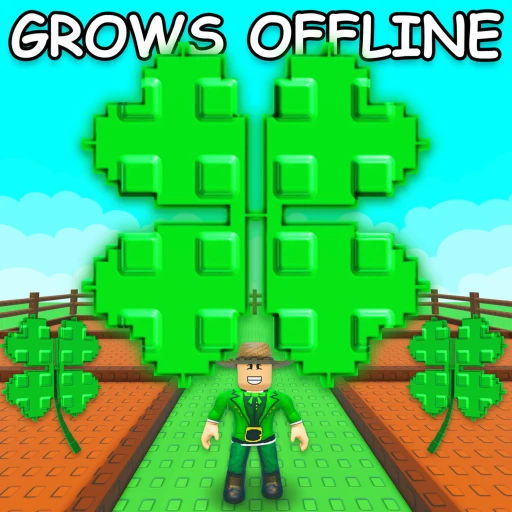
Two of the biggest games on Roblox right now appeal to completely different instincts. Grow a Garden hands you a plot of soil, a watering can, and an invitation to build something beautiful at your own pace. Dress to Impress throws you onto a runway with a theme, a six-minute timer, and thousands of clothing items to assemble into a look that survives a public vote. One game rewards patience. The other rewards creativity under pressure.
Between them, these two titles have accumulated over 90 billion visits and represent two of the most successful Roblox experiences ever created. Grow a Garden shattered the all-time concurrent player record in 2025 with 22.3 million simultaneous players. Dress to Impress built one of the most dedicated fashion communities on any gaming platform. This comparison breaks down every dimension that matters — gameplay, progression, community, monetization, and more — so you can figure out which one deserves your next session, or why the answer might be both.
Grow a Garden vs Dress to Impress -- Quick Stats (2026)
| Category | Grow a Garden | Dress to Impress |
|---|---|---|
| Genre | Farming / gardening simulator | Fashion / avatar competition |
| Developer | Jandel | Dress to Impress Studios |
| Place ID | 126884695634066 | 15101393044 |
| Total Visits | 35B+ | 57B+ |
| Peak CCU | 22.3M (all-time Roblox record) | 1M+ |
| Typical CCU (July 2026) | ~1M | ~78K |
| Core Loop | Plant seeds, water, grow, harvest, trade | Receive theme, dress avatar, runway walk, vote |
| Session Length | 5-30 min check-ins | 8-10 min per round |
| Tone | Calm, cozy, relaxing | Creative, competitive, social |
| Key Game Pass | Various cosmetic and QoL boosts | Extra wardrobe slots (24 items) |
| Mobile-Friendly | Yes | Yes |
| Free-to-Play | Yes | Yes |
Gameplay -- What Do You Actually Do?
Grow a Garden
Grow a Garden strips gaming down to one of humanity's oldest satisfactions: planting something and watching it grow. You start with a modest garden plot, a handful of basic seeds, and a watering can. The core loop is deceptively simple — plant a seed, water it, wait for it to mature, then harvest for coins, experience, or trade value. As you level up, the game expands outward: new seed varieties unlock, your garden plots multiply, decorative items become available, and entirely new biomes open up with unique soil types and weather conditions that support different plant families.
The genius of the game lies in how satisfying it makes every small action feel. Watering a row of seedlings produces gentle visual feedback — soil darkens, leaves unfurl, stems push upward through carefully animated growth stages. Rare seed types demand more patience but yield dramatically higher rewards, creating a natural progression curve where waiting is the primary skill. There are no enemies, no timers counting down to failure, no penalty for logging off mid-session. The game respects your time by making every minute spent in it feel productive without ever demanding more than you want to give.
The trading system is where Grow a Garden reveals its surprising depth. Players can visit each other's gardens, browse plant collections, and negotiate trades directly. Rare and legendary plant varieties function as status symbols and trading currency. The player-driven economy has developed its own meta — certain plant combinations hold more value than their individual components, and experienced traders curate collections strategically. Community trading events, plant showcases, and garden tours have become social rituals that transform a simple farming game into a living marketplace. For active codes and strategies, check our Grow a Garden codes page.
What launched Grow a Garden into the stratosphere was its accessibility. The game launched in 2025 and immediately broke records that established Roblox titans took years to reach. Total visits crossed 35 billion, and in August 2025, it briefly held the all-time concurrent player record at 22.3 million players online simultaneously — surpassing every game on every platform, including Fortnite and PUBG. That number has settled into a more sustainable rhythm in 2026, but the game consistently maintains around one million concurrent players at any given hour, making it one of the most actively played games on Roblox.
Dress to Impress
Dress to Impress takes the opposite approach to player engagement. Where Grow a Garden asks for patience, DTI asks for speed, creativity, and the confidence to put your artistic choices in front of an audience. Each round begins with a theme announcement — anything from "Cyberpunk Prom" to "Cottagecore Wedding" to "Villain Origin Story." You then have 360 seconds to assemble a complete look from thousands of UGC (User Generated Content) clothing items, accessories, hairstyles, and cosmetics. The wardrobe is enormous, and learning where specific items are categorized is a skill unto itself.
When the timer expires, the competition begins. Players strut their outfits down a runway where they can strike poses to showcase their styling choices. Other players rate each outfit from one to five stars, and scores are tallied to determine a winner. The social dynamics of the judging phase are half the fun — the chat erupts with compliments, the crowd reacts to bold choices, and the runway walk itself becomes a performance. A well-timed pose with a perfectly coordinated outfit can swing votes in ways that pure clothing quality alone cannot.
The depth of Dress to Impress lives in its wardrobe curation and theme interpretation. Veteran players develop encyclopedic knowledge of the item catalog, knowing exactly which combination of skirt, top, accessory, and hairstyle captures a specific aesthetic. Theme interpretation separates good players from great ones — the difference between "I wore something pink for the Valentine's theme" and "I built a complete narrative outfit with matching accessories, color theory, and a pose that tells a story" is immediately visible on the runway. The game has spawned an enormous community of fashion content creators, outfit guides, and styling tutorials across TikTok and YouTube. For current codes and earning strategies, see our Dress to Impress codes page.
With over 57 billion total visits, Dress to Impress achieved that milestone faster than almost any game in platform history. Its peak concurrent numbers have exceeded one million players, and while its typical concurrent count in May 2026 sits around 78K, the game's cultural footprint extends far beyond raw player numbers. Brand collaborations, a licensed toyline through PhatMojo, and a feature in YouTube's Roblox Museum have cemented DTI as one of the most commercially successful Roblox games ever made.
Edge: Depends entirely on what you value. Grow a Garden wins for players who want zero-pressure progression and a meditative gameplay loop. Dress to Impress wins for players who want creative expression, social competition, and the thrill of putting an outfit together against the clock. These games solve fundamentally different problems — one is a place to decompress, the other is a place to perform.
Progression -- How Deep Does It Go?
Grow a Garden builds its progression system around visible, tangible growth. Your garden itself is your progress — every new seed variety unlocked, every plot expanded, every rare plant successfully grown is a permanent mark of how far you've come. The leveling system gates access to new garden areas, each with distinct environmental conditions. A desert greenhouse supports different plants than a tropical rainforest plot, and unlocking each zone feels like opening a new chapter in an ongoing story. The collection aspect drives completionist behavior in a healthy way: there are hundreds of plant varieties across common, uncommon, rare, epic, and legendary tiers. Filling out your plant encyclopedia becomes the overarching goal that gives meaning to every seed you put in the ground. Some legendary plants require specific growing conditions or can only be obtained through trading, which ties progression to community engagement.
Dress to Impress approaches progression differently because its core loop doesn't have a traditional "level up" structure. Progression in DTI is measured in three ways: your wardrobe breadth (how many items you have access to), your styling skill (how consistently you win or place highly in rounds), and your social reputation within the community. The game awards in-game currency for participating in rounds and scoring well, which can be spent on new clothing items and accessories. Seasonal content drops and brand collaborations regularly inject new items into the wardrobe, creating natural progression gates as players work to acquire the latest pieces. Game modes beyond the standard runway — including team challenges, style showdowns, and themed events — offer varied paths to earn rewards and expand your fashion options.
The quest system in Dress to Impress adds a structured progression layer on top of the freeform creativity. Quests challenge players to use specific item types, achieve certain scores, or participate in particular game modes, and completing them unlocks exclusive rewards. This system gives directed purpose to players who thrive on checklists while leaving the creative experience open for those who just want to dress up and compete.
Edge: Grow a Garden. Its progression is more visible and more permanent — every session adds something concrete to your collection. Dress to Impress progression is real but more abstract, tied to skill development and wardrobe expansion rather than a clear advancement path. Players who want to feel tangible forward momentum will find Grow a Garden more satisfying on that axis.
Graphics and Atmosphere
Grow a Garden and Dress to Impress both excel at visual design, but they're solving completely different aesthetic problems.
Grow a Garden's visual identity is built around warmth, color, and detail at the micro level. Plants are rendered with multiple growth stages, each visually distinct and satisfying to watch unfold. Water effects shimmer across soil as you irrigate. Seasonal weather changes shift the lighting and ambiance across your garden. Stone pathways, wooden fences, hanging lanterns, and flowering hedges create a cozy world that feels handcrafted. The audio design is equally intentional: soft ambient music shifts with time of day, watering produces gentle splashing sounds, and birdsong fills the background with a rhythm that changes based on your garden location. Every sensory element is calibrated to make you feel calm. The game doesn't want your heart rate to go up. It wants you to exhale.
Dress to Impress invests its visual polish in two areas: the wardrobe and the runway. The clothing items are remarkably detailed for Roblox — fabric textures, color variations, layering compatibility, and accessory placement all feel considered. The runway environment is designed for spectacle: lighting rigs, stage effects, and camera angles create a fashion-show atmosphere that elevates simple avatar dress-up into something that genuinely feels like a performance. The voting interface is clean and intuitive, making the transition from creation to competition seamless. Background music pulses with energy during outfit assembly and shifts to dramatic runway beats during the walk phase. The entire audio-visual experience is designed to make you feel like you're on a real fashion show stage.
Edge: Tie. Grow a Garden is a masterclass in cozy game aesthetics — every detail contributes to relaxation. Dress to Impress is a masterclass in presentation design — every detail contributes to spectacle. Both games execute their visual identities at the top of what Roblox allows, just in completely opposite directions.
Player Count and Community (July 2026)
Grow a Garden's numbers tell a story of explosive growth that redefined what a Roblox game could achieve. Crossing 35 billion visits with a peak concurrent count of 22.3 million players — a number that broke not just the Roblox record but the all-time record for any video game on any platform — established the game as a cultural phenomenon. In May 2026, the game sustains approximately one million concurrent players at typical hours, a figure that most games would consider their peak. The community is one of the friendliest on Roblox, centered around garden showcases, trading hubs, growing guides, and plant collection comparisons. Content creators have gravitated toward the game's photogenic qualities: lush garden tours and rare plant reveals perform consistently well across TikTok and YouTube. For strategies to maximize your game pass purchases, our Grow a Garden free Robux guide covers everything.
Dress to Impress has built its community around creative expression and fashion culture in a way that transcends typical gaming communities. With over 57 billion total visits and a current typical CCU of around 78K players, DTI's influence extends far beyond its real-time player count. The game's community has produced an extraordinary volume of external content — outfit idea compilations, theme interpretation guides, wardrobe tier lists, and runway highlight reels dominate Roblox fashion content across every social platform. Brand collaborations have brought real-world fashion sensibilities into the Roblox ecosystem, and the PhatMojo toyline expanded DTI's reach into physical retail. The game was featured in YouTube's Roblox Museum in August 2025 with a dedicated exhibit. For earning strategies specific to DTI, check our Dress to Impress free Robux guide.
The communities attract different personality types but overlap more than you'd expect. Many Roblox players have both games in regular rotation — Grow a Garden for unwinding and Dress to Impress for socializing and competing. The crossover is so common that TikTok creators frequently post "dressing as Grow a Garden items in DTI" challenge videos, blending the two communities in creative ways.
Game Passes and Monetization
Grow a Garden monetizes through cosmetic and convenience items that never compromise the core experience. Garden decoration packs let you personalize your plots with themed furniture, ornamental items, and aesthetic upgrades. Speed-growth boosts reduce waiting times for specific crops, offering a shortcut that doesn't distort the trading economy. Cosmetic character outfits and gardening tool skins round out the shop offerings. The critical point is that every plant variety, every garden area, and every trading feature is accessible without spending a single Robux. The monetization layer sits on top of a complete free game rather than carving out essential features to sell back.
Dress to Impress takes a similar player-friendly approach. The most notable game pass expands your wardrobe capacity from the standard 18 equipped items to 24, giving paying players slightly more creative flexibility per outfit. Additional passes offer cosmetic accessories, exclusive poses, and aesthetic enhancements. Seasonal passes tied to collaborations and events provide limited-time items that become collectible status symbols. Like Grow a Garden, the core experience — receiving themes, accessing the base wardrobe, competing on the runway, and voting — is completely free. The items available through game passes enhance the experience without creating a pay-to-win dynamic, since outfit quality depends on creative assembly rather than item rarity alone.
Edge: Tie. Both games follow the same ethical monetization philosophy: charge for cosmetics and convenience, give away the actual game for free. Neither title engages in aggressive tactics, and neither gates meaningful content or gameplay behind mandatory purchases. Both developers deserve credit for building sustainable businesses without exploiting their largely young player bases.
Social Features
Grow a Garden's social layer is warm, opt-in, and built around sharing rather than competing. The garden visit system lets you tour other players' creations, which functions as both social interaction and inspiration for your own designs. Trading is the primary social mechanism — it requires communication, negotiation, trust, and relationship building. Regular traders develop reputations and partnerships that create genuine connections over time. Community trading events, where players gather to showcase collections and negotiate deals, have become social gatherings in their own right. The game also supports private servers for players who want a more controlled social experience. Everything about the social design reflects the game's core philosophy: no pressure, no obligation, just pleasant interaction with people who share your interests.
Dress to Impress is inherently social in a way that Grow a Garden is not. Every round is a performance in front of an audience. Your outfit is evaluated by real people in real time. The runway walk is a public moment that requires a degree of social confidence. Chat during rounds is active, expressive, and often supportive — the DTI community has developed a culture of hyping up strong outfits regardless of whether they're competing against yours. Team game modes deepen the social element by requiring coordination between players who need to style complementary outfits under time pressure. The competitive-but-friendly atmosphere is DTI's signature social achievement: it created a space where being judged feels like being celebrated.
Edge: Dress to Impress. Social interaction is woven into the core gameplay loop rather than layered on top of it. Every round in DTI is a social experience by definition — you cannot play the game without interacting with other people's creativity. Grow a Garden's social features are excellent but optional, meaning they enhance the experience without being essential to it.
Replay Value -- Will You Still Play Next Month?
Grow a Garden's replay value is engineered into its session structure. The game is designed to be played in short, regular check-ins over weeks and months rather than marathon sessions. Plant growth timers mean you log in, water your crops, harvest what's ready, plant new seeds, check the trading market, and come back later. This cadence keeps the game in your daily rotation without demanding hours at a stretch. The steady drip of new seed unlocks, seasonal plant varieties, area expansions, and community events maintains forward momentum that never stalls. The trading economy adds indefinite replay value — there's always a better trade to find, a rarer plant to acquire, or a collection milestone to chase. Update cadence from developer Jandel has been consistent and responsive, with new content arriving frequently enough to keep the experience fresh.
Dress to Impress generates replay value through infinite creative permutations. No two rounds produce the same outfit, even with identical themes, because the wardrobe is vast enough and the creative decisions are personal enough that every session yields something new. The rotating theme system ensures variety — you might build a gothic ballgown one round and a beach vacation outfit the next. Seasonal content, brand collaborations, and new game modes provide structured reasons to return. The social replay factor is significant: playing with friends, challenging each other to styling battles, and participating in community events create experiences that can't be replicated in solo play. The skill ceiling is effectively infinite — there's always room to improve your theme interpretation, speed-dressing ability, and creative vision.
Both games receive consistent developer support. Grow a Garden's content pipeline includes new seeds, biomes, events, and economy features. Dress to Impress regularly adds wardrobe items, themes, game modes, and collaborative content. Neither game shows signs of slowing down its update cadence.
Edge: Grow a Garden. Its check-in session structure is specifically designed for sustained daily engagement over months. The plant growth timer mechanic creates a natural reason to return every day that doesn't depend on developer content drops. Dress to Impress has excellent replay value driven by creative variety, but its round-based format means players tend to binge sessions rather than maintain daily habits, which can lead to longer breaks between play periods.
Earning Free Robux While You Play
Whether you're saving up for a premium garden decoration pack in Grow a Garden or eyeing the expanded wardrobe game pass in Dress to Impress, Earnaldo lets you earn free Robux by completing straightforward tasks like surveys, watching videos, and trying mobile apps. Both games have natural idle moments that align perfectly with earning — Grow a Garden's crop growth timers give you built-in waiting periods, and Dress to Impress's lobby time between rounds provides easy multitasking windows.
For game-specific earning strategies, check out our Grow a Garden free Robux guide and our Dress to Impress free Robux guide.
Earn Free Robux for Either Game
Complete simple tasks on Earnaldo and withdraw real Robux -- no downloads, no generators, no scams.
Head-to-Head Verdict -- Grow a Garden vs Dress to Impress in 2026
The Verdict
Choose Grow a Garden if you want a game that respects your pace and rewards your patience. Jandel created something extraordinary — a farming simulator that broke every concurrent player record in gaming history and sustains over a million active players months after launch. The gameplay loop of planting, growing, harvesting, and trading is simple enough for anyone to understand and deep enough to keep completionists engaged for hundreds of hours. With 35 billion visits and counting, this is the cozy game that proved a watering can could be more compelling than a weapon. This is the game you choose when you want Roblox to feel like a warm blanket.
Choose Dress to Impress if you want a game that challenges your creativity and puts it on a stage. Dress to Impress Studios built the definitive fashion game on Roblox — over 57 billion visits, brand collaborations, a physical toyline, and a community of millions who treat avatar styling as a legitimate art form. The six-minute theme-to-runway pipeline is one of the most tightly designed gameplay loops on the platform. Every round is a fresh creative challenge, every runway walk is a performance, and every vote is a conversation between players about what style means. This is the game you choose when you want to express yourself and be seen.
The bottom line: These games don't compete with each other — they complement each other. One is where you go to breathe. The other is where you go to shine. The fact that they coexist in Roblox's top tier proves how broad the platform's appeal has become. Most players who love one will find genuine value in the other. Keep both in your rotation and let your mood decide which one gets your next session.
Who Should Play What?
- You want a relaxing game to unwind after school or work: Grow a Garden. Its entire design philosophy is built around calm, rewarding gameplay with zero stress.
- You want to express your creativity and compete: Dress to Impress. Every round is a creative challenge judged by real people in real time.
- You enjoy collecting and trading: Grow a Garden. The plant trading economy is one of the most active player-driven markets on Roblox.
- You love fashion, styling, and aesthetic curation: Dress to Impress. No game on Roblox does fashion better.
- You play in very short sessions: Grow a Garden. Its check-in-and-go structure fits perfectly into five-minute windows.
- You want a social game to play with friends: Dress to Impress. Every round is a shared social experience with built-in interaction.
- You're looking for something your younger sibling can enjoy: Both work well. Grow a Garden has no stress at all. Dress to Impress is family-friendly but involves competitive voting.
- You want to watch your progress grow over time: Grow a Garden. Your expanding garden is a permanent, visible record of everything you've achieved.
- You want a game with infinite creative variety: Dress to Impress. No two rounds ever produce the same outfit, and the wardrobe keeps expanding.
- You want the game more people are playing right now: Grow a Garden. Its concurrent player count in 2026 dwarfs virtually everything else on the platform.
Frequently Asked Questions
Grow a Garden is currently more popular by a significant margin in terms of real-time players. It sustains approximately one million concurrent players and set the all-time record at 22.3 million CCU in August 2025. Dress to Impress has more total lifetime visits at 57 billion compared to Grow a Garden's 35 billion, but its typical concurrent count is around 78K in May 2026. Both are considered top-tier Roblox experiences.
Yes, both games support multiplayer. Grow a Garden lets you visit friends' gardens, trade plants, and farm together in a relaxed social setting. Dress to Impress puts you in fashion rounds with friends where you compete on the same runway, vote on each other's outfits, and collaborate in team game modes. Both are excellent social games — one is a chill hangout, the other is a creative competition.
Both games are appropriate for younger players. Grow a Garden has zero stress, no fail states, and calming gameplay that works well for all ages. Dress to Impress is also family-friendly with its creative fashion focus, though the competitive voting system means younger players may feel disappointed if their outfits score low. Neither game contains violence or scary content.
Neither game requires Robux to enjoy the core experience. Grow a Garden offers optional cosmetic boosts and quality-of-life items. Dress to Impress sells game passes like expanded wardrobe capacity (24 items instead of the default 18) and exclusive accessories. Both games provide extensive free content and do not gate essential gameplay behind paywalls.
Both games maintain active and responsive update schedules. Grow a Garden pushes frequent updates with new seed types, garden areas, seasonal events, and economy features that have fueled its explosive growth. Dress to Impress regularly adds new clothing items, themes, game modes, brand collaborations, and seasonal content. Both development teams are highly engaged with their communities.
Yes. Platforms like Earnaldo let you earn free Robux by completing tasks such as surveys, watching videos, and trying apps. The Robux you earn can be spent on game passes or cosmetics in either game. Check out our dedicated free Robux guides for Grow a Garden and Dress to Impress for game-specific earning strategies.