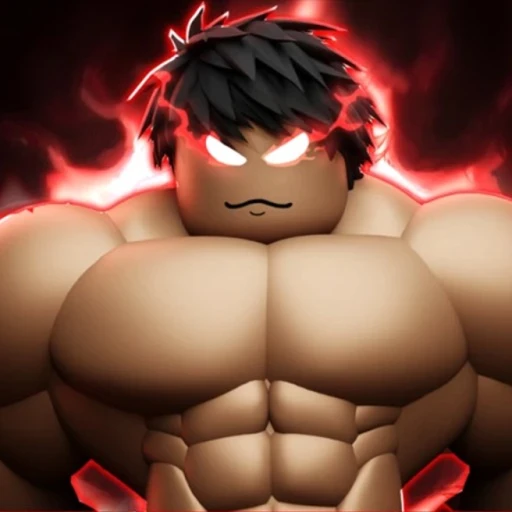
Gym League vs The Strongest Battlegrounds (2026) -- Which Roblox Game Is Better?
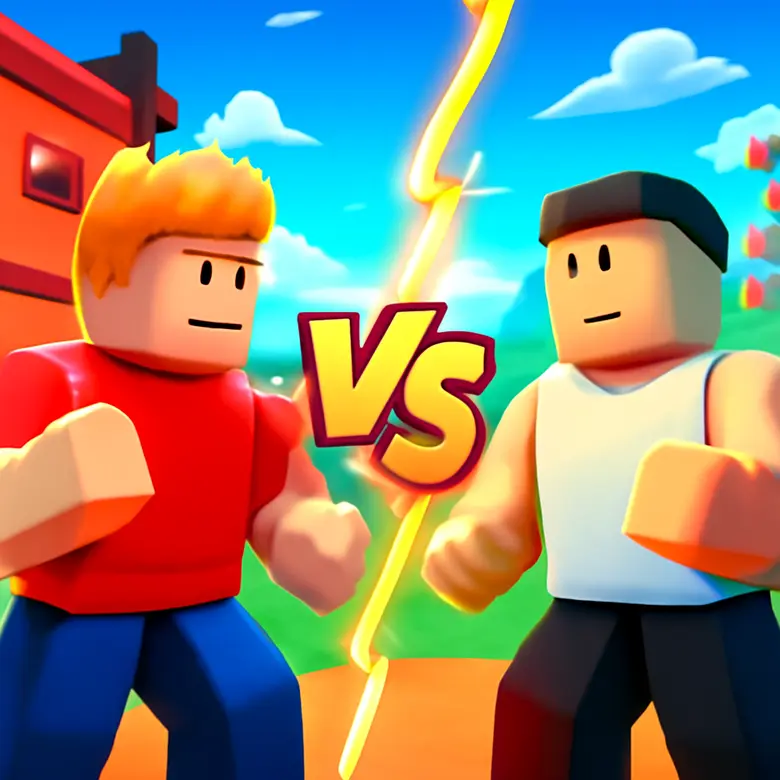
This might look like an unusual matchup on paper. Gym League is a bodybuilding simulator where you lift weights, train stats, and flex on other players. The Strongest Battlegrounds is a hardcore anime PvP fighter where you pick a character and beat people up with devastating combo strings. Different genres, sure -- but both games center on strength, power fantasy, and proving you're tougher than everyone else. Here's how they compare in 2026.
I've spent serious time in both -- grinding to absurd strength levels in Gym League and learning combo routes across TSB's roster. These games attract overlapping audiences despite their mechanical differences, and there's a real case for each one depending on what kind of power fantasy you're chasing.
Quick Stats Comparison
| Metric | Gym League | The Strongest Battlegrounds |
|---|---|---|
| Genre | Bodybuilding Simulator | Anime PvP Fighter |
| Total Visits | 778 Million | 18.5 Billion |
| Core Loop | Train, upgrade, compete, flex | Fight, combo, win matches |
| Skill Requirement | Low (time-based) | High (mechanical skill) |
| PvP Focus | Secondary (arm wrestling, competitions) | Primary (1v1 and free-for-all) |
| AFK Potential | Moderate (auto-train features) | None (active play required) |
| Progression Type | Incremental / numbers go up | Skill-based / practice makes perfect |
| Social Features | Strong (flexing, competitions) | Moderate (matchmaking, lobbies) |
| Roblox Place ID | 17450551531 | 10449761463 |
The visit gap is enormous: TSB sits at 18.5 billion compared to Gym League's 778 million. The Strongest Battlegrounds has been a Roblox staple for longer and benefits from the massive anime fighting game community. But Gym League punches way above its weight in terms of engagement and time-per-session, because simulator players tend to log longer hours grinding stats.
Gameplay Loop: Grind vs Skill
Gym League -- The Number Goes Up
Gym League taps into something primal: the satisfaction of watching numbers get bigger. You start weak, train at basic gym equipment, earn currency, unlock better gyms and equipment, and watch your strength stat climb into absurd territory. The progression curve starts gentle and accelerates into ridiculous multipliers that make early numbers look microscopic.
The training loop is simple but effective. Each piece of gym equipment gives different stat gains, and optimizing your training rotation -- which machines to use, which supplements to take, which gym to train at -- creates a satisfying micro-optimization puzzle. You're always calculating the most efficient path to higher numbers.
Beyond pure stat grinding, Gym League adds social competition through arm wrestling matches, posing competitions, and strength leaderboards. There's a whole cosmetic layer with gym outfits, muscle definitions, and visual effects that show off your progress. It's a simulator at heart, but the bodybuilding theme gives it more personality than most games in the genre.
For training strategies, check our Gym League training guide and equipment tier list.
The Strongest Battlegrounds -- Learn to Fight
TSB is a proper fighting game. You select a character inspired by anime fighters (primarily One Punch Man, with characters from other series mixed in), learn their moveset, and fight other players. The game demands mechanical skill -- knowing your combos, reading your opponent, timing your blocks, and executing under pressure.
Each character plays differently. Some are rushdown fighters who get in your face with fast multi-hit combos. Others are zoners who keep distance with projectile attacks. A few are grapplers who punish mistakes with devastating single-hit moves. Learning one character deeply takes hours of practice, and mastering matchups across the full roster is a long-term commitment.
The skill ceiling is genuinely high. Top TSB players chain together combo strings that look like they belong in a traditional fighting game, not Roblox. Perfect blocking (parrying), animation cancels, and frame-tight punishes separate the elite from everyone else. It's the kind of game where you can feel yourself getting better the more you play.
Our TSB character tier list covers who's dominant in the current meta.
Edge: Depends entirely on your preference. Gym League rewards time investment. TSB rewards skill investment. Neither approach is inherently better -- they're fundamentally different types of satisfaction. Gym League is a "lean back" experience; TSB is a "lean forward" one.
PvP: Who Beats Who?
This is where the comparison gets interesting, because both games technically have PvP, but the experiences couldn't be more different.
Gym League's PvP is mostly friendly competition. Arm wrestling matches pit your strength stat against another player's, with some timing mechanics layered on top. Posing competitions are judged events. Strength challenges test who grinded harder. It's competitive, but it's not stressful. You're flexing, not fighting, and the vibe is more "friendly rivalry" than "intense competition."
TSB's PvP is the whole game. Every match is a test of your mechanical skill, character knowledge, and ability to adapt. Losing means you got outplayed, and winning means you executed better. The 1v1 mode is where most serious competition happens, but free-for-all lobbies offer chaotic fun for casual sessions. Ranked matchmaking ensures you're fighting players around your skill level, so matches stay challenging without being completely one-sided.
If you're someone who gets tilted by losing, TSB will test your patience. You'll lose a lot while learning, and experienced players won't go easy on you. Gym League's competition is lower-stakes by design -- you're comparing numbers, not reflexes, and losing an arm wrestling match just means you need to train more.
Edge: The Strongest Battlegrounds. If PvP is what you're looking for, TSB delivers a fighting game experience that rivals standalone titles. Gym League's competitive features are fun additions, but they're not why most people play.
Progression and Long-Term Motivation
Gym League excels at long-term engagement. The progression never really stops -- there are always higher tiers of equipment to unlock, stronger gyms to access, and bigger numbers to chase. Prestige systems let you reset progress for permanent multipliers, adding a meta-progression layer that keeps veteran players coming back. The grind is the game, and if you enjoy watching progress compound over time, it's deeply satisfying.
TSB's progression is skill-based, which means it's less tangible but arguably more rewarding. You don't unlock power; you develop it through practice. The progression curve is your own improvement as a player -- landing combos you couldn't hit last week, reading opponents better, learning new characters. There are cosmetic unlocks and character unlocks that gate some content behind playtime, but the real progression is internal.
The key difference: Gym League progress is permanent and measurable. TSB progress is personal and skill-dependent. Take a month off from Gym League, and your stats are exactly where you left them. Take a month off from TSB, and your reflexes and matchup knowledge will be rusty. Both systems have merits, but they suit very different player mindsets.
Check our Gym League prestige guide for optimal reset timing strategies.
Edge: Gym League for tangible progress. The incremental progression system gives you clear milestones and permanent gains. TSB's skill progression is more rewarding moment-to-moment, but it lacks the same "I can see how far I've come" satisfaction that stat growth provides.
Social Experience and Community
Gym League has one of the more social simulator experiences on Roblox. The gym environment naturally encourages player interaction -- you're working out alongside others, challenging them to arm wrestling, showing off your physique, and comparing stats. The game's humor (absurdly muscular Roblox avatars doing deadlifts) creates a lighthearted atmosphere that makes socializing easy. The community tends to be welcoming and meme-friendly, with Discord servers focused on training tips and flexing screenshots.
TSB's community is more competitive by nature. Discord servers focus on matchup discussion, combo tech, and tournament organization. The in-game social experience revolves around fighting lobbies where you'll encounter the same players repeatedly and develop rivalries. It's less casual-friendly but creates stronger bonds between regular players who learn each other's playstyles. The content creator scene is also massive, with combo montages and tutorial videos driving consistent viewership.
Toxicity exists in both communities but manifests differently. In Gym League, it's mostly harmless trash talk about strength levels. In TSB, it's the standard fighting game toxicity -- teabagging, taunting after wins, and lobby chat that gets heated. Neither community is worse than the other; they just express competitive energy differently.
Monetization: What Your Robux Gets You
Gym League sells training multipliers, exclusive gym access, cosmetic items, and convenience features like auto-training. The multiplier gamepasses are the most impactful purchases, significantly accelerating your stat growth. Free players can reach the same numbers eventually, but the time difference is substantial. Cosmetics let you style your character's gym look without affecting gameplay.
TSB monetizes through character unlocks and cosmetics. Some characters are locked behind Robux purchases or significant gameplay investment. The cosmetic shop offers skins, effects, and emotes. Importantly, purchased characters aren't inherently stronger than free ones -- balance applies across the roster. You're paying for variety and style, not power.
Both games keep their monetization on the fair side. Neither locks critical content behind paywalls, and neither game feels like you need to spend to enjoy the core experience. Gym League's multipliers are the closest thing to "pay for advantage," but since PvP isn't the primary focus, it's more about personal progression speed than competitive edge.
Performance and Accessibility
Gym League runs smoothly across most devices. Simulator games are generally lightweight, and Gym League doesn't push the envelope graphically. It loads fast, plays stable, and works well on mobile -- which is important since a huge chunk of Roblox's playerbase is on phones and tablets. The controls are simple: tap to train, tap to interact, tap to compete.
TSB is more demanding both technically and in terms of input precision. The fighting mechanics require responsive controls, which means the game plays best on PC with a keyboard. Mobile is technically playable but puts you at a significant disadvantage in PvP. The game runs well on modern hardware but can drop frames during visually intense ultimate abilities, especially on older devices.
Edge: Gym League. It's accessible on every device, requires no prior gaming skill, and runs smoothly everywhere. TSB's technical demands and skill requirements create a higher barrier to entry.
Content Creator and Streaming Appeal
TSB is a content creator's dream. Fighting games produce natural highlights -- clutch parries, devastating combos, comeback victories -- that translate perfectly to YouTube and TikTok. The anime aesthetic adds visual appeal, and the competitive nature creates narratives (rivalries, upsets, underdog stories) that viewers love. TSB content consistently performs well on social platforms.
Gym League content is more niche but has its own audience. "I trained for 24 hours straight" challenge videos, speed-run to max strength attempts, and strength comparison content all find audiences. The humor of absurdly buff Roblox characters carries entertainment value, and the simulator community on YouTube is massive. It doesn't generate the same viral moments as TSB, but it sustains consistent viewership.
Who Should Play What?
Play Gym League if you:
- Love the satisfaction of watching numbers grow over time
- Want a relaxing, low-stress Roblox experience
- Prefer games that reward time investment over mechanical skill
- Play primarily on mobile
- Enjoy social simulator environments and friendly competition
- Like prestige/rebirth progression systems
Play The Strongest Battlegrounds if you:
- Want a genuine fighting game experience on Roblox
- Enjoy learning combos and mastering matchups
- Thrive on competitive PvP where skill determines outcomes
- Are a fan of anime fighting series (especially One Punch Man)
- Play on PC and want responsive, precise controls
- Like games where improvement comes from practice, not grinding
These games serve fundamentally different cravings. Gym League is comfort food: predictable, satisfying, and great in long sessions when you want to zone out. TSB is a competitive sport: demanding, thrilling, and rewarding when you push through the learning curve. Some players bounce between both -- grinding Gym League when they're tired and jumping into TSB when they want intensity. That's genuinely a solid approach.
Our Verdict
The Strongest Battlegrounds is the more impressive game from a design and skill-expression standpoint. It's one of the best fighting games on Roblox, period. But Gym League fills a completely different role -- it's a top-tier simulator that nails the "numbers go up" satisfaction loop and provides a relaxing social experience. Comparing them head-to-head isn't entirely fair because they're targeting different player needs. If you want competition and skill growth, TSB. If you want progression and chill vibes, Gym League. Both are excellent at what they set out to do.
Earn Robux for Characters and Gamepasses
Unlock TSB characters or grab Gym League training multipliers without spending your own cash. Earnaldo lets you earn free Robux through quick tasks you can complete between matches or training sessions.
Frequently Asked Questions
The Strongest Battlegrounds has far more total visits at 18.5 billion compared to Gym League's 778 million. TSB has been around longer and benefits from the massive anime fighting game community on Roblox. Gym League has carved out a strong niche in the simulator space with dedicated players who log long sessions.
Yes, Gym League features PvP through arm wrestling matches, strength competitions, and posing contests. However, PvP isn't the main focus -- it's a supplementary feature to the core stat-grinding loop. If PvP is your priority, The Strongest Battlegrounds is built entirely around it and delivers a much deeper competitive experience.
The Strongest Battlegrounds requires significantly more mechanical skill. It's a fighting game with combos, blocking, parrying, dodging, and character-specific techniques that take hours to master. Gym League is more about time investment and understanding optimal training rotations -- the "skill" is knowledge and efficiency rather than reflexes and execution.
Both are fully free to play with optional Robux purchases. Gym League sells training multipliers, exclusive gym access, and cosmetics. TSB sells character unlocks and cosmetic skins. Neither game requires spending money to access its core gameplay or reach endgame content.
Gym League is much more casual-friendly. You can progress at your own pace without facing skilled opponents who outclass you mechanically. TSB's PvP-centric design means you'll regularly match against experienced fighters, which can be frustrating during the learning phase. If you want to relax and make progress, Gym League is the clear pick.
Yes. Gym League adds new equipment, training areas, competitions, and cosmetics on a regular schedule. TSB adds new characters, balance patches, map updates, and seasonal events. Both development teams maintain active update cadences in 2026, keeping their respective communities engaged with fresh content.