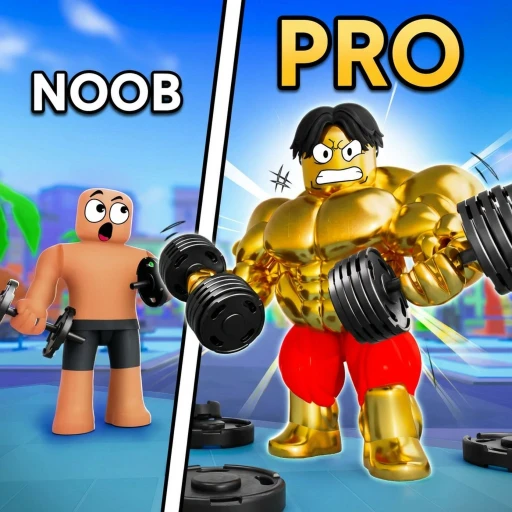
Gym Star Simulator vs Strongman Simulator (2026) -- Which Roblox Game Is Better?
Two Roblox games, two different paths to getting absurdly huge. Gym Star Simulator puts you through the bodybuilding grind -- pumping iron, running treadmills, doing pull-ups, and competing in physique contests until your avatar looks like it swallowed a truck. Strongman Simulator takes a different approach: you drag ridiculously heavy objects across arenas, burn energy in the gym, and watch your character balloon into a walking mountain. Both are strength simulators. Both have pets. Both want you to become the biggest, strongest player on the server. But the way they get you there feels different enough that picking the right one matters.
I've put serious hours into both of these titles over the past few months, chasing leaderboard spots and testing every training method I could find. Gym Star Simulator is the newer game with momentum behind it, while Strongman Simulator is the established veteran with years of updates under its belt. Here's how they stack up across every category that matters in 2026.
Quick Stats Comparison
| Metric | Gym Star Simulator | Strongman Simulator |
|---|---|---|
| Developer | Gym Simulator Club | The Gang Stockholm |
| Genre | Bodybuilding / Fitness Simulator | Strength Training Simulator |
| Total Visits | 509 Million+ | 1.6 Billion+ |
| Concurrent Players | ~7,900 | ~1,800 |
| Core Loop | Train muscles, collect pets, compete in contests | Drag heavy items, burn energy, grow stronger |
| Worlds / Maps | Multiple themed worlds to unlock | Multiple arenas with heavier objects |
| Pet System | Yes (large collection, tiered rarity) | Yes (stat-boosting companions) |
| AFK Potential | Moderate (auto-train features) | Moderate (auto-drag features) |
| Platform | PC, Mobile, Console | PC, Mobile, Console |
| Roblox Place ID | 70906625936847 | 10735227403 |
The visit numbers tell an interesting story. Strongman Simulator has three times the total visits, which makes sense -- it launched years earlier and had a long run as one of the top simulator games on Roblox. But look at concurrent players and the picture flips. Gym Star Simulator is pulling roughly four times the active player count, sitting around 7,900 concurrent users compared to Strongman Simulator's 1,800. That gap points to where the momentum sits right now: Gym Star Simulator is growing while Strongman Simulator is on a downward trend from its peak.
Total visits are a lifetime metric that favors older games. Active player count tells you what people are choosing to play today. And today, Gym Star Simulator is winning that race convincingly.
Gameplay Loop: Bodybuilding vs Strongman
Gym Star Simulator -- The Complete Gym Experience
Gym Star Simulator gives you a full bodybuilding routine to work through. You're not just tapping one button -- you're rotating between different exercise stations that target different muscle groups. Bench press for chest, deadlifts for back, squats for legs, curls for arms. Each station builds specific stats, and the optimization puzzle is figuring out which rotation maximizes your overall strength growth per minute of play time.
The game layers progression through unlockable worlds. You start in a basic gym, build up your stats, and eventually qualify for more advanced training facilities in themed zones. Each new world introduces higher-tier equipment that accelerates your stat gains but also raises the ceiling on how strong you need to be to progress further. It creates a satisfying rhythm: grind, unlock, discover new equipment, grind faster, repeat.
Bodybuilding contests add a competitive twist. You can enter posing competitions and strength showdowns against other players on the server, putting your training to the test in a public setting. Winning these events grants bonus rewards and bragging rights, and seeing your massive avatar flex next to someone else's creates that immediate visual comparison that simulator fans love.
For codes and free boosts, check our Gym Star Simulator codes page -- we keep it updated with every working code.
Strongman Simulator -- The Heavy Pull
Strongman Simulator takes a more focused approach to the strength fantasy. The central mechanic is dragging heavy objects -- crates, vehicles, boulders, and increasingly absurd items -- across an arena to earn energy. You spend that energy in the gym to convert it into raw strength, which makes your character physically larger and lets you drag even heavier things. The feedback loop is tight: drag, earn, train, grow, drag heavier stuff.
What makes the dragging mechanic work is the visual feedback. Your character physically strains against the weight, the object slowly slides across the ground, and you can feel the resistance through the animation. Heavier items take longer to move but reward substantially more energy. Choosing which items to drag based on your current strength level is the core optimization decision -- go too heavy and you waste time struggling, go too light and you leave efficiency on the table.
The arena progression follows a similar unlock structure to Gym Star Simulator. New areas contain heavier objects with better rewards, gated behind strength thresholds. The game also features leaderboards and ranking systems that track who has achieved the highest strength levels, feeding the competitive drive that keeps long-term players coming back.
Grab free rewards with our Strongman Simulator codes list for July 2026.
Edge: Gym Star Simulator. The variety of exercises and muscle-specific training stations creates a more engaging moment-to-moment experience than dragging objects back and forth. Both games are clicker simulators at their core, but Gym Star Simulator disguises the grind more effectively through its bodybuilding theme and station rotation.
Pet Systems: Collection and Power
Pets are a massive part of both games, and for most players, they represent the real endgame grind. Both games use pets as stat multipliers that passively boost your progression speed, but the implementation differs enough to matter.
Gym Star Simulator Pets
Gym Star Simulator goes deep on the collection side. The pet roster is large, with multiple rarity tiers ranging from common workout buddies to legendary-tier creatures that radically transform your stat gains. Hatching eggs from different worlds yields different pet pools, which encourages you to progress through the game's zones not just for better equipment but for access to rarer pet eggs.
The pet fusion and upgrade systems add another layer. You can combine duplicate pets to create stronger versions, and the rarest fused pets become significant multipliers. Pet inventory management -- deciding which to keep, which to fuse, which to trade -- becomes its own mini-game within the larger experience. Trading with other players is active, and rare pets hold serious value in the community economy.
Strongman Simulator Pets
Strongman Simulator's pet system is more functional and less collection-focused. Pets boost your strength gains and energy earnings, and the rarer the pet, the bigger the multiplier. The system works and adds meaningful progression speed, but it doesn't have the same depth of collection, fusion, and trading mechanics that Gym Star Simulator offers.
That said, Strongman Simulator's pets integrate cleanly into the core loop without overwhelming it. If you prefer pets as a background boost rather than a separate collection grind, this approach might suit you better. Not every player wants to spend time managing a pet inventory -- some just want to drag heavy things and get stronger.
Edge: Gym Star Simulator. The pet collection system is more developed, with deeper fusion mechanics, better rarity tiers, and a more active trading economy. If you enjoy the pet-collecting side of simulators, Gym Star Simulator gives you substantially more to chase.
Progression Speed and Depth
Both games want you to invest hours, but they structure long-term progression differently. This matters because simulator lifespan depends entirely on how long the game can keep you interested in pushing further.
Gym Star Simulator front-loads satisfaction. Early progression is fast -- you'll see your character grow, unlock new gyms, and hatch your first good pets within the first session. The game keeps feeding you small rewards and milestones that maintain momentum through the mid-game. Where it gets interesting is the later stages, where optimization becomes critical: picking the right training rotation, equipping the best pet loadout, and timing your world transitions all compound into measurable differences.
Strongman Simulator has a steadier, more linear progression curve. The early game is slightly slower because the dragging mechanic takes longer per action than tapping an exercise station. But the game scales well over time, and the late-game strength numbers get entertainingly absurd. Veteran players who stuck with Strongman Simulator for years have reached strength levels that dwarf anything a newer player can imagine, and the gap creates aspirational goals.
Rebirth and prestige mechanics exist in both games, offering permanent multipliers in exchange for resetting your progress. These systems extend the game's lifespan significantly by giving veteran players a reason to start over -- each cycle is faster than the last because your permanent bonuses compound. Gym Star Simulator's rebirth system feels more polished, with clearer reward breakpoints and more impactful bonuses per reset.
Edge: Gym Star Simulator. The faster early progression hooks new players better, and the rebirth system is more rewarding. Strongman Simulator's progression is solid but feels slower by comparison, especially in the first few hours where first impressions form.
World Design and Visual Quality
Roblox simulators aren't known for stunning graphics, but the environment design matters for keeping sessions interesting. Nobody wants to stare at the same four walls for hundreds of hours, and both games address this through themed zones and visual upgrades.
Gym Star Simulator delivers a brighter, more colorful world design. The different gym environments have distinct themes -- from basic starter gyms to flashy VIP training facilities with neon lighting and premium equipment. The visual variety keeps each world transition feeling like meaningful progress, not just a number change. Character models also show visible muscle growth as your stats increase, which is the core visual payoff of any bodybuilding game.
Strongman Simulator opts for a grittier aesthetic that matches its theme. The arenas look like industrial yards and training compounds, and the objects you drag range from everyday items to bizarre novelty objects at higher levels. The visual style is more muted than Gym Star Simulator, which fits the strongman theme but can feel repetitive during long sessions. Character growth is dramatic, though -- watching your avatar swell from a normal person into a grotesquely muscular giant is satisfying in a way that never fully gets old.
Edge: Gym Star Simulator. The brighter color palette, more varied environments, and overall visual polish make it the more visually appealing game. Strongman Simulator's industrial aesthetic works for its theme but doesn't offer the same variety.
Community and Player Base
The health of a game's community affects everything from finding populated servers to active trading and consistent developer updates. Both games have established communities, but the dynamics differ.
Gym Star Simulator's community is currently more active. With nearly four times the concurrent player count, finding full servers is easy. The trading community around pets is thriving, Discord servers are buzzing with strategy discussion, and content creators on YouTube and TikTok are regularly producing guides and progression showcases. Being a newer game with upward momentum attracts players who want to be part of something growing rather than something stable.
Strongman Simulator's community is smaller but has deep roots. Players who stuck with the game for years have extensive knowledge of its systems and optimization strategies. The Discord is less active than it used to be, but it still functions as a helpful resource for new players. The developer -- The Gang Stockholm -- has a track record of maintaining their games long-term, which gives existing players confidence that the game won't be abandoned.
The content creator landscape favors Gym Star Simulator right now. Newer games generate more YouTube interest because creators can ride the wave of search traffic from players discovering the game for the first time. Strongman Simulator still has a loyal content creator base, but the volume of new content has slowed compared to its peak.
Edge: Gym Star Simulator. The larger active player base, more active trading community, and stronger content creator presence make it the more socially vibrant option in 2026.
Monetization and Gamepass Value
Both games monetize through Robux gamepasses and in-game purchases, following the standard Roblox simulator model. The question isn't whether they monetize -- it's whether the free experience is satisfying and whether paid options feel fair.
Gym Star Simulator sells strength multipliers, exclusive training areas, auto-train functionality, and premium pet eggs. The multiplier passes have the biggest impact on progression speed, letting paying players advance several times faster than free players. Cosmetic items -- gym outfits, muscle effects, and accessories -- round out the shop without affecting gameplay. The free experience is fully playable, but the gap between free and paid progression speed is noticeable enough that some players will feel pressure to buy.
Strongman Simulator follows a similar structure with energy multipliers, auto-drag features, and VIP passes that grant access to exclusive areas with better objects to drag. The monetization feels slightly less aggressive than Gym Star Simulator's, partly because the game is older and has had time to settle into a more balanced economy. Free players can reach endgame content, and the paid shortcuts are helpful but not essential.
Neither game crosses into pay-to-win territory. Both are single-player or cooperative experiences where spending money speeds up your personal progression without negatively affecting other players. The competition is against leaderboards and personal goals, not direct PvP, so paying for multipliers doesn't create unfair matchups.
Edge: Draw. Both games monetize fairly within the simulator genre's norms. Gym Star Simulator's shop is slightly more aggressive about multiplier passes, while Strongman Simulator's is slightly more restrained. Neither approach is problematic, and both let free players enjoy the full game.
Developer Support and Updates
A simulator's long-term value depends on how actively the developer adds new content. Both games benefit from studios that have a history of maintaining their titles, but current update cadence tells you what to expect going forward.
Gym Star Simulator by Gym Simulator Club has been receiving frequent updates since its August 2024 launch. New worlds, equipment, pets, events, and codes arrive on a regular schedule. The speed of updates reflects a studio that's actively investing in the game's growth -- they recognize the momentum and are feeding it with fresh content to keep players engaged and attract new ones. The game has grown from zero to over 509 million visits in roughly 18 months, which signals strong execution on the development side.
Strongman Simulator by The Gang Stockholm still receives updates, but the pace has slowed from its earlier days. The studio -- based in Sweden and known for other titles like Sumo Wrestling Simulator -- maintains the game with periodic content drops, bug fixes, and seasonal events. The updates are quality additions, but they don't arrive with the same frequency as Gym Star Simulator's. This is normal for a mature game -- the core systems are established, so updates tend to be refinements rather than overhauls.
Edge: Gym Star Simulator. The update frequency and volume of new content additions are higher. Strongman Simulator is still maintained, but the development energy clearly favors the newer title right now.
Performance and Accessibility
Simulator games are generally forgiving on hardware since they don't require complex physics or high-fidelity rendering. Both Gym Star Simulator and Strongman Simulator run well across Roblox's supported platforms, including low-end mobile devices.
Gym Star Simulator loads quickly and maintains stable frame rates on mobile, PC, and console. The UI is clean and touch-friendly, making it a genuine mobile-first experience. The tutorials guide new players through the core mechanics without overwhelming them, and the learning curve is essentially flat -- you understand the game within minutes.
Strongman Simulator runs equally well technically. The dragging mechanic works on touch screens without issues, and the game performs consistently across devices. The interface is slightly more dated than Gym Star Simulator's, reflecting its older development timeline, but it's functional and doesn't create confusion.
Edge: Draw. Both games run well everywhere and are accessible to all skill levels. Gym Star Simulator has a slightly more modern UI, but it's not a meaningful differentiator.
Who Should Play What?
Play Gym Star Simulator if you:
- Want a bodybuilding-themed simulator with exercise variety
- Enjoy deep pet collection and trading systems
- Prefer a game with strong growth momentum and frequent updates
- Like competing in posing contests and strength showdowns
- Want a larger active community for finding populated servers
- Appreciate colorful, varied world designs
Play Strongman Simulator if you:
- Prefer the strongman/dragging fantasy over traditional bodybuilding
- Want a more established game with years of content already built
- Enjoy a focused, streamlined core mechanic without too many side systems
- Like the satisfying visual of dragging increasingly massive objects
- Prefer less aggressive monetization and a settled in-game economy
- Value a proven developer with a long track record of game maintenance
Here's the reality: if you're a simulator fan who enjoys the strength-building power fantasy, both games deliver on that promise. The question is whether you want the more varied, collection-heavy, socially active experience (Gym Star Simulator) or the more focused, streamlined, mechanically satisfying one (Strongman Simulator). Neither choice is wrong. Some players even bounce between both depending on their mood -- the grind in one doesn't interfere with progress in the other since you can maintain both.
Our Verdict
Gym Star Simulator takes this comparison in 2026. It's the more polished, more active, and more feature-rich game right now. The bodybuilding theme gives it more gameplay variety than Strongman Simulator's object-dragging focus, the pet system has more depth, the community is larger and more engaged, and the update cadence is faster. That said, Strongman Simulator is far from a bad game -- it's a well-built simulator with a proven track record and a unique core mechanic that no other Roblox game replicates as well. If the strongman fantasy speaks to you specifically, it's worth playing. But if you're choosing between the two and don't have a strong preference for one theme over the other, Gym Star Simulator is the game with more to offer and more runway ahead of it.
Earn Robux for Gamepasses and Pets
Grab those training multipliers or hatch premium pet eggs without spending your own cash. Earnaldo lets you earn free Robux through quick tasks you can knock out between training sessions.
Frequently Asked Questions
Strongman Simulator has more total visits at around 1.6 billion compared to Gym Star Simulator's 509 million, thanks to being several years older. However, Gym Star Simulator currently has far higher concurrent player counts -- roughly 7,900 active players versus Strongman Simulator's 1,800. In terms of current momentum and daily activity, Gym Star Simulator is the more popular game in April 2026.
Gym Star Simulator has the more developed pet system with a larger collection, deeper fusion mechanics, more rarity tiers, and a more active trading economy. Strongman Simulator's pets are functional stat boosters that serve their purpose well, but they lack the collection depth and trading dynamics that pet-focused players look for. If pets are a big part of why you play simulators, Gym Star Simulator is the better pick.
Yes. Both Gym Star Simulator and Strongman Simulator run well on mobile devices with touch-friendly controls. Simulator games are generally lightweight on hardware, and both titles are optimized for phone and tablet play. You can train, collect pets, and progress fully on mobile without missing out on any features.
Both games are beginner-friendly since they're clicker-style simulators with straightforward mechanics. Gym Star Simulator has a slightly more polished onboarding experience with clear tutorials and guided early progression. Strongman Simulator is also easy to pick up -- the drag-and-train loop is intuitive from the first minute. Neither game will confuse a new player.
Yes, both games regularly release codes that grant free boosts, currency, and sometimes pet eggs. Check our Gym Star Simulator codes and Strongman Simulator codes pages for all currently active codes in April 2026.
Both games sell multiplier gamepasses that significantly speed up progression. In Gym Star Simulator, the strength and endurance multipliers give the best value. In Strongman Simulator, the auto-drag and energy multiplier passes save the most time. Neither game requires spending Robux to enjoy the full experience, but the multiplier passes are worthwhile if you want to progress faster and have the budget for them.