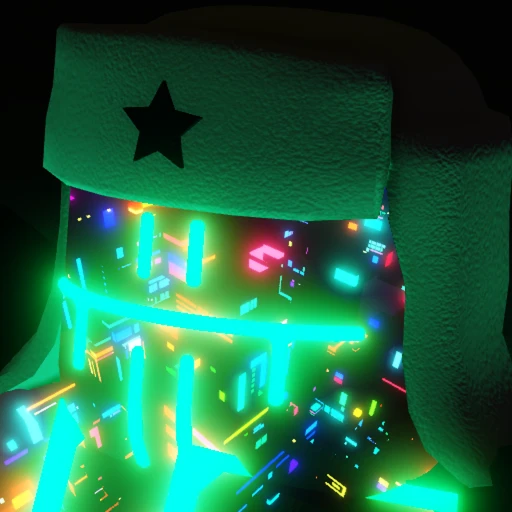
HOURS vs The Strongest Battlegrounds: Roguelite Mastery or Arena Combat Glory?
On the surface, comparing HOURS and The Strongest Battlegrounds might seem like comparing apples to oranges. One is a single-player roguelite hack-and-slash built around time manipulation. The other is a competitive anime PvP arena with millions of active fighters. But both games deliver Roblox's best combat experiences, and if you have limited time to invest, this comparison will help you pick the one that fits how you like to play.
Quick Stats Comparison
| Feature | HOURS | The Strongest Battlegrounds |
|---|---|---|
| Genre | Roguelite Hack-and-Slash | Anime Arena Fighter |
| Play Style | PvE (Solo/Co-op) | PvP (1v1, Teams) |
| Playable Characters | 15 Hosts | 20+ Fighters |
| Peak CCU | 15K+ | 80K+ |
| Place ID | 5732973455 | 10449761463 |
| Core Mechanic | Time Manipulation | Combo-Based PvP |
| Mobile Support | Yes | Yes |
| Free-to-Play | Yes | Yes |
The numbers immediately reveal the fundamental difference between these two titles. The Strongest Battlegrounds (TSB) dwarfs HOURS in raw player count, which is expected for a PvP game that benefits from network effects. But HOURS maintains a dedicated player base that punches well above its weight in terms of engagement and session length. These are two very different games designed for very different moods.
Gameplay and Combat Mechanics
HOURS
HOURS is one of the most inventive games on Roblox, period. The premise is straightforward: you choose a Host (playable character), fight through waves of enemies, defeat bosses, and try to survive. Where it becomes extraordinary is in the execution. Every Host has a fundamentally different relationship with time, and this is not a gimmick. It is the core design principle that informs every mechanic.
Take Witness, for example. This Host can slow time to a crawl, allowing you to precisely dodge attacks and position yourself for devastating counters. Or consider Prophet, who can see enemy attacks before they happen and set up pre-emptive counters. Each Host does not just play differently; each one asks you to think about combat in an entirely new way.
The roguelite elements add another dimension. Between encounters, you select upgrades that modify your Host's abilities. These upgrades stack and interact in ways that create wildly different run experiences. A Witness run built around time-slow duration plays completely differently from one built around damage during time-slow. The build variety is staggering for a Roblox title.
Boss design deserves special mention. Each boss has distinct patterns, telegraphs, and mechanics that require genuine skill to overcome. On higher difficulties, bosses gain new attacks and behaviors that force you to re-learn fights you thought you had mastered. The satisfaction of finally defeating Resident on the hardest difficulty setting is a gaming memory that sticks with you.
The Strongest Battlegrounds
TSB takes a proven formula and polishes it until it shines. The combat system is built on a foundation of light attacks, heavy attacks, blocks, and special abilities drawn from popular anime characters. What elevates it above typical anime fighters is the responsiveness. Inputs feel immediate, combos flow naturally, and the animation canceling system rewards technical execution without feeling exploitative.
Each character in TSB has a unique moveset inspired by their anime source. Saitama plays like a heavy hitter with devastating single strikes. Goku offers a balanced mix of ranged ki blasts and close-range combos. The roster is designed with competitive balance in mind, and the tier list shifts meaningfully with each patch.
The 1v1 ranked mode is where TSB truly excels. Matches are tense, technical, and deeply rewarding when you outplay your opponent. The ranking system places you against increasingly skilled opponents, and the skill gap between ranks is noticeable. Climbing from Bronze to Diamond requires genuine improvement, not just time investment.
Team modes add variety without sacrificing depth. Coordinated team play introduces positioning and callout strategies that solo queue cannot replicate. The competitive scene around TSB team battles has grown substantially in 2026.
Progression and Unlocks
HOURS
HOURS uses a clean progression structure. You start with a handful of Hosts and unlock more by meeting specific in-game conditions. Some require defeating certain bosses, others require completing runs with specific modifiers active, and a few demand truly challenging feats that test your mastery of the game's mechanics.
The unlock conditions are brilliantly designed because they teach you how to play. Unlocking Dreamer requires you to complete a run without taking damage during a specific boss phase, which forces you to learn the boss's patterns intimately. By the time you unlock the Host, you have already developed the skills needed to play it well.
Beyond Host unlocks, each Host has individual mastery tracks. Playing a Host through multiple runs unlocks cosmetic variations, alternate ability configurations, and lore entries that flesh out the game's surprisingly deep narrative. The mastery system encourages you to revisit Hosts you might have set aside after your first successful run.
Difficulty modifiers serve as the endgame progression. Once you have beaten the game on standard difficulty, harder modes introduce new enemy behaviors, reduced resources, and additional boss phases. The highest difficulties are genuine challenges that even experienced players struggle with.
The Strongest Battlegrounds
TSB's progression revolves around the competitive ladder. Your rank is your primary marker of progress, and it reflects your actual fighting ability. The system is transparent about how it calculates rating changes, which helps players understand what they need to improve.
Character unlocks in TSB follow a currency-based system. Matches award coins regardless of outcome, with wins granting significantly more. New characters cost varying amounts, with more complex fighters generally costing more. The grind is moderate; dedicated players can unlock a new character every few days of regular play.
A cosmetic prestige system adds long-term goals. Once you reach a certain rank threshold, you can prestige to reset your rank in exchange for exclusive cosmetic rewards. This system keeps the ladder fresh and gives high-ranked players a reason to climb again.
Weekly challenges provide supplementary progression. These challenges ask you to perform specific feats in matches, such as landing a certain number of combos or winning with characters you do not normally play. The rewards are modest but the challenges themselves encourage you to expand your gameplay.
Graphics and Visual Design
HOURS
HOURS employs a minimalist art style that belies its depth. The environments are clean, geometric, and purposeful. Every visual element serves gameplay: enemy telegraphs are clear, ability effects are readable, and the time manipulation effects are both beautiful and functional. When you slow time with Witness, the color palette shifts subtly and particles hang in the air. When Prophet sees the future, ghostly outlines of incoming attacks appear with precise timing markers.
The boss arenas are the visual highlight. Each boss fight takes place in a distinct environment that reflects the boss's theme and introduces environmental hazards. The Resident boss arena, with its shifting geometry and reality-warping visuals, is one of the most visually striking spaces on the platform.
Performance is excellent across all devices. The minimalist style keeps polygon counts low and frame rates high, which is critical for a game that demands precise timing and quick reactions.
The Strongest Battlegrounds
TSB goes for a more conventional anime-inspired look. Character models are detailed with accurate anime proportions and smooth animations. Special abilities feature flashy particle effects, screen shakes, and slow-motion finishers that capture the over-the-top energy of anime fight scenes.
The arenas are varied and visually interesting, with destructible elements that react to combat. Craters form from heavy impacts, walls crack and crumble, and the environment gradually shows the evidence of a hard-fought match. These details add weight to the combat without affecting gameplay.
The UI design is clean and informative, showing health bars, ability cooldowns, and combo counters without cluttering the screen. The recent UI overhaul in early 2026 brought the presentation up to a professional standard.
Player Count and Community
The Strongest Battlegrounds dominates in raw numbers. Peak CCU regularly exceeds 80,000, and the game benefits from a thriving content creator ecosystem. Major Roblox YouTubers feature TSB regularly, and competitive tournaments draw significant viewership. Matchmaking is fast at every skill level, and the ranked ladder is populated enough to provide fair matches consistently.
HOURS has a smaller but intensely dedicated community. Peak CCU sits around 15,000, which is strong for a primarily single-player title. The HOURS community is concentrated on Discord and Reddit, where players share run strategies, speedrun routes, and Host tier lists. The game's depth fosters the kind of passionate community discussion that keeps players engaged between sessions.
Content creation differs between the two. TSB content tends toward highlight reels and tier list discussions. HOURS content leans toward deep-dive guides, challenge runs, and lore analysis. Both communities are active, but they attract different types of engagement.
For multiplayer accessibility, TSB is the clear choice since its entire design depends on having opponents. HOURS can be enjoyed alone indefinitely, which is either a strength or weakness depending on your perspective.
Game Passes and Monetization
HOURS
HOURS has an extremely light monetization model. A supporter Game Pass exists that provides cosmetic benefits and a badge, priced at a modest 99 Robux. There is no pay-to-win element whatsoever. All Hosts, all upgrades, and all content are unlockable through gameplay. The developer has stated publicly that this philosophy will not change.
This approach limits the game's revenue potential but builds enormous community goodwill. Players regularly cite the fair monetization as a reason they recommend the game to others. In a platform where aggressive monetization is common, HOURS stands out as a genuine labor of love.
The Strongest Battlegrounds
TSB offers a broader range of Game Passes. Cosmetic skins range from 49 to 399 Robux. A VIP pass provides bonus coin earnings and exclusive cosmetic options for 599 Robux. Private server access costs 199 Robux and is popular among competitive players for practice sessions.
The monetization remains cosmetic-only, with no characters or abilities locked behind Robux. The developers have maintained this stance through multiple updates, which has built trust with the competitive community. Seasonal cosmetic bundles drive most of the revenue, and the quality of these cosmetics has improved significantly over time.
Social Features
TSB is inherently social. Every match is an interaction with another player, and the competitive ladder creates natural rivalries and community connections. The crew system allows groups of players to form teams with shared stats and cosmetics. In-game chat, emote systems, and post-match lobbies facilitate social interaction. The spectator mode is used extensively for tournament broadcasting.
HOURS is primarily a solitary experience, but it includes meaningful social elements. Co-op mode allows two players to tackle runs together, which changes the dynamic significantly since boss patterns adapt to multiple targets. Leaderboards track the fastest runs and highest scores globally, creating asynchronous competition. The challenge code system lets players share specific run configurations for others to attempt.
Both games rely on external platforms for deep social engagement. Discord servers for both titles are active and well-moderated, with dedicated channels for strategy discussion, matchmaking, and community events.
Replay Value
HOURS was built for replay value from the ground up. The roguelite structure means no two runs are identical, even with the same Host. Upgrade combinations create emergent strategies that keep experienced players experimenting hundreds of hours in. The fifteen Hosts each offer enough depth to sustain dozens of runs before you feel like you have seen everything a given Host can do.
The difficulty modifier system extends replay value further. Standard difficulty is just the beginning. Harder modifiers introduce new enemy types, boss phases, and environmental hazards that fundamentally change how you approach each encounter. Completing the game on the highest difficulty with every Host is a goal that can sustain hundreds of hours of play.
TSB generates replay value through competitive drive. The desire to improve, climb ranks, and master new characters provides an endless loop for competitive players. Seasonal resets and new character additions keep the meta shifting, which means the game you played last month is not quite the same game this month. For players motivated by competition and self-improvement, TSB provides indefinite replay value.
The fundamental difference is this: HOURS asks you to replay because the game is different each time. TSB asks you to replay because you can be better each time. Both are valid, but they appeal to different psychological motivators.
Earn Free Robux for Game Passes
Whether you want HOURS cosmetics or TSB skins, Earnaldo helps you earn Robux through straightforward tasks.
Who Should Play HOURS?
HOURS is made for players who appreciate game design craftsmanship. If you enjoy Hades, Dead Cells, or Slay the Spire, you will find a kindred spirit here. It rewards patience, experimentation, and mastery. The solo-focused nature makes it perfect for players who want a Roblox experience they can enjoy at their own pace without relying on matchmaking or dealing with toxic opponents.
It is also an outstanding choice for players who value mechanical novelty. The time manipulation systems are genuinely innovative, and each Host feels like it could be the central mechanic of its own standalone game. If you are tired of playing games that feel like copies of other games, HOURS is a breath of fresh air.
Choose HOURS if you want a deep, inventive single-player experience that respects your time and intelligence.
Who Should Play The Strongest Battlegrounds?
TSB is for the competitor. If you get a rush from outplaying a human opponent, from landing a perfectly timed combo, from climbing a ranked ladder and seeing tangible proof of your improvement, this is your game. The competitive infrastructure is mature, the balance is thoughtful, and the player base is large enough to always find a fair fight.
It is also the better choice for social players. Fighting games create stories naturally through competition, and the shared experience of ranked play bonds communities in ways that PvE content cannot replicate. If you want a Roblox game that gives you stories to share and opponents to remember, TSB delivers consistently.
Choose The Strongest Battlegrounds if you want a polished, competitive PvP experience with a thriving community and active tournament scene.
Final Verdict
These games complement each other rather than compete. HOURS is the better-designed game in terms of mechanical innovation, progression design, and artistic vision. The Strongest Battlegrounds is the better competitive experience with a larger community and more social value. HOURS wins our overall recommendation by a narrow margin because its uniqueness on the platform is unmatched, but TSB is the game you will likely spend more cumulative hours in if competitive PvP is your thing. The ideal setup is having both in your rotation: HOURS when you want focused, solo mastery, and TSB when you want the thrill of human competition. For deeper dives into each game, visit our HOURS guide and TSB guide.
Frequently Asked Questions
HOURS is the clear winner for solo play. It is designed as a single-player roguelite experience with deep PvE combat. The Strongest Battlegrounds is inherently a multiplayer PvP game and requires other players to function.
Both have strong replay value but from different sources. HOURS offers replayability through its 15 Hosts, multiple difficulty modifiers, and roguelite upgrade paths. TSB provides replayability through its competitive ladder and character mastery system.
Both games support mobile play. HOURS works well on touchscreen with its simplified control scheme. TSB is playable on mobile but the combo-heavy gameplay is significantly easier on PC or controller.
HOURS is more beginner-friendly because you can learn at your own pace against AI enemies. TSB throws you into PvP immediately, which means new players will face experienced opponents. However, TSB does have a practice mode for learning combos.
Neither game requires Robux for the core experience. HOURS is completely free with all Hosts unlockable through gameplay. TSB offers cosmetic Game Passes but no competitive advantages for purchase.
Each Host in HOURS has a unique relationship with time. Some can slow time during combat, others can rewind damage, and some manipulate cooldowns. The time mechanics are central to the game's identity and create genuinely unique gameplay moments that no other Roblox title replicates.