Jujutsu Seas vs Blox Fruits (2026) -- Which Roblox Game Is Better?
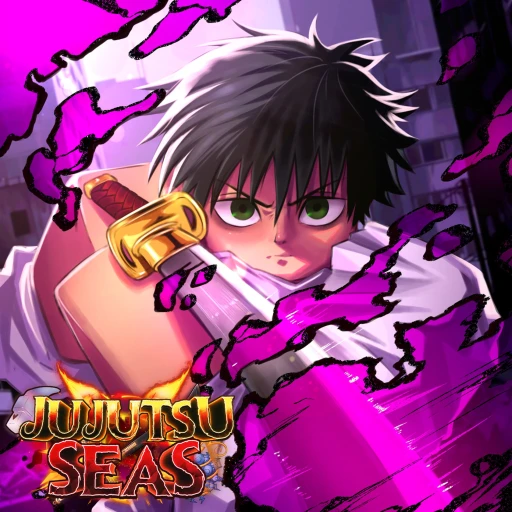
Both Jujutsu Seas and Blox Fruits drop you on an open ocean, hand you a fighting style, and tell you to grind your way to the top. One is a fresh Jujutsu Kaisen-flavored newcomer; the other is one of the most-played Roblox games of all time. This comparison breaks down the stats, mechanics, monetization, and community of each so you can pick the right sea to sail in 2026.
The short version: Jujutsu Seas is the new, fast-moving anime pirate game built around spinning for clans and cursed techniques, while Blox Fruits is the established giant with billions of visits and the deepest progression of any Roblox One Piece-style adventure. The right choice comes down to whether you want novelty and a smaller community or a polished world with years of content already in place.
Quick Stats (2026)
Here is a side-by-side look at the core numbers and systems for each game as of July 2026.
| Feature | Jujutsu Seas | Blox Fruits |
|---|---|---|
| Genre | Anime action RPG / open-sea adventure | Anime action RPG / open-sea adventure |
| Place ID | 121493238925077 | 2753915549 |
| Developer | Jujutsu Seas TM | Gamer Robot Inc |
| Concurrent Players | Smaller, update-driven (spikes during raids) | ~233,000 to 246,000 |
| Total Visits | 7.29 million | 62 billion+ |
| Core Loop | Sail seas, spin for clans and cursed techniques, fight and raid | Sail seas, grind fruits and fighting styles, beat bosses and raids |
| Key Features | Cursed techniques, clan and race spins, cinematic combat, PvP toggle | Devil Fruits, three seas, sword and gun mastery, sea events |
| Trading System | Limited; spin-focused rather than market-driven | Deep player-to-player fruit trading economy |
| Mobile-Friendly | Yes | Yes |
| Free-to-Play | Yes (optional Robux passes) | Yes (optional Robux passes) |
Blox Fruits wins almost every raw-numbers category, but raw numbers do not tell the whole story. A game with 7.29 million visits in under a year is growing quickly, and a smaller world can feel less crowded and grindy. The sections below dig into what each game actually plays like.
Gameplay
Both games share the same skeleton: an open ocean, a fighting power you build over time, and bosses to defeat. The differences come from theme, pacing, and how you acquire your abilities.
Jujutsu Seas Gameplay
Jujutsu Seas fuses Jujutsu Kaisen and One Piece into a single combat-focused adventure. When you spawn, you spin a wheel to roll your clan and race, then head out into a world packed with quests and battles. As you earn respect and progress, you unlock skills, weapons, titles, spins, and cursed fists.
The headline draw is the combat itself. The game leans on cinematic fighting animations and cursed techniques pulled from the JJK universe, which gives fights a flashier feel than the older Blox Fruits movesets. You can flip on PvP when you want a real challenge, or keep grinding quests and raids in relative peace.
Because the game launched on August 15, 2025, the content pool is still smaller than a years-old title. That is a double-edged sword. There is less to do long-term, but the grind to feel powerful is shorter, and updates such as holiday raids land frequently while the developer builds the game out.
Day-to-day play loops between clearing quests for currency and respect, grinding mobs to level your build, and queuing for raids that drop the better rewards. The combat depth comes from chaining cursed techniques and timing your fists rather than from a huge gear checklist, so skill expression shows up early. New players can reach a competent fighting kit within a handful of sessions, which is a deliberate contrast to the marathon climb in older sea games.
Blox Fruits Gameplay
Blox Fruits is the genre's heavyweight, with a world split across three seas that scale in difficulty. You start by training a basic fighting style, then chase Devil Fruits that grant transformation powers, ranging from common elemental fruits to rare beast and mythical types. Swords, guns, and fighting styles each have their own mastery tracks.
Progression is built around grinding levels, beating bosses, and clearing sea events and raids to earn rare drops. The First, Second, and Third Sea each unlock new islands, enemies, and gear, giving the game a clear long-term ladder that can take hundreds of hours to climb.
The trade-off is grind. Reaching max level and collecting top-tier fruits is a serious time investment, and newer players can feel the wall of content. The upside is depth: few Roblox games offer this much to chase.
Combat in Blox Fruits rewards build knowledge over raw reflexes. Pairing the right fruit with a strong sword, a fighting style, and accessories matters more than any single button, and high-level players plan around fruit awakenings and stat allocation. That makes the ceiling high but the early learning curve gentle, since the first sea eases you in. Edge: Blox Fruits, for sheer volume of content, though Jujutsu Seas wins on combat freshness.
Progression Systems
Progression is where these two games diverge most. Blox Fruits rewards patience and grinding; Jujutsu Seas rewards spinning and luck alongside skill.
In Jujutsu Seas, your power ceiling is shaped heavily by what you roll. Spinning for a strong clan, race, and cursed technique can fast-track you, and rerolling is a core part of optimizing a build. Quests and raids then feed the materials and levels you need to grow.
In Blox Fruits, progression is more deterministic. You level up by defeating enemies and bosses, save up in-game money (Beli and Fragments) for fruits and upgrades, and push through each sea in sequence. The path is long but predictable, and almost every milestone is documented in community wikis.
If you enjoy the dopamine of spinning for a rare roll, Jujutsu Seas fits better. If you prefer steady, earned progress where effort maps directly to power, Blox Fruits is the cleaner system. Edge: Tie, since it depends entirely on whether you like luck-based rolls or grind-based certainty.
Graphics & Audio
Neither game is a graphical showcase by AAA standards, but both look strong for Roblox, and the newer game has a slight visual edge in combat.
Jujutsu Seas was built in 2025 with modern Roblox tooling, and its cinematic combat animations and cursed-technique effects are its standout audio-visual feature. Attacks have weight and flashy particle work that fits the JJK source material.
Blox Fruits has a more functional, slightly older art style that prioritizes readability across hundreds of islands and dozens of fruits. Its sound design is recognizable and consistent, but the animations feel less cinematic than the newer title. Both run well on mobile and lower-end devices.
Player Count & Community
This is the most lopsided category. Blox Fruits is one of the biggest Roblox games ever, while Jujutsu Seas is a rising newcomer.
Blox Fruits sits among the top three most-played Roblox games by concurrent users, with roughly 233,000 to 246,000 players online at a time and more than 62 billion lifetime visits. Its like ratio sits around 92 percent across more than 11 million likes, and its wikis, Discords, and trading sites form a massive support ecosystem.
Jujutsu Seas is far smaller but punches above its weight on sentiment. It holds a 98.6 percent rating from 322,287 likes against just 4,439 dislikes, plus 164,968 favorites, all on 7.29 million visits since its August 2025 launch. That is a strong signal that the smaller, newer community genuinely enjoys the game.
For matchmaking, raids, and finding help, Blox Fruits is unmatched; you will never struggle to fill a server or find a guide. Jujutsu Seas offers a tighter-knit, hype-driven community where updates feel like events. Edge: Blox Fruits, on scale and resources.
Game Passes & Monetization
Both games are free to play and fund themselves with optional Robux game passes that speed up the grind rather than gate core content.
In Blox Fruits, the most popular passes are well-documented. 2x Mastery and 2x Money each cost 450 Robux, Fast Boats costs 350 Robux, an NPC drop-chance boost runs about 350 Robux, and the Fruit Notifier sits near 2,700 Robux. The cosmetic Dark Blade sword runs roughly 1,200 Robux. These are one-time purchases that grant permanent bonuses.
In Jujutsu Seas, monetization follows the familiar anime-RPG pattern: 2x experience and luck boosts, extra spins, and convenience passes priced in the few-hundred-Robux range, alongside in-game spin currency. Because the game is younger, its pass catalog is smaller and still expanding with updates.
Neither game forces you to spend, and both let free players reach the top with enough time. Blox Fruits offers more passes and a clearer value picture thanks to community documentation, while Jujutsu Seas keeps things simpler. Edge: Blox Fruits, for a more transparent, well-mapped pass economy.
Social Features
Both games support the usual Roblox social layer: public servers, friend joins, and chat. The depth of player interaction is where they split.
Blox Fruits has a thriving player-to-player trading economy. Permanent Devil Fruits hold real value, and entire third-party value lists exist to track them, which turns Blox Fruits into part fighting game, part trading market. Raids and sea events also encourage teaming up.
Jujutsu Seas leans more on co-op raids and PvP than on a formal trading market. The spin-based progression means power comes from your own rolls rather than a fruit market, so the social pull is more about fighting alongside or against others than swapping inventory. Both let you party up with friends for tougher content.
Replay Value
Replay value depends on whether you want a finished world to master or a growing one to grow with. Blox Fruits offers the deeper long-term ceiling, while Jujutsu Seas offers freshness and frequent updates.
Blox Fruits can absorb hundreds of hours through fruit collection, mastery grinds, three full seas, and trading. There is almost always another goal to chase, which is exactly why it has held a top-three spot for years.
Jujutsu Seas has less raw content today, but its rapid update cadence and roll-based builds give it strong short-to-medium-term replayability. Rerolling for a better clan or cursed technique adds a chase loop that keeps sessions varied, and getting in early means growing with the game.
The two games also age differently. Blox Fruits keeps players through scheduled major updates that add islands, fruits, and seasonal events, so even veterans return for the next big patch. Jujutsu Seas instead leans on the thrill of the spin and the surprise of frequent small drops, which suits players who like reinventing a build rather than mastering one. If you want a game you can sink a year into, Blox Fruits has proven it can hold attention; if you want a game you can hop into for a fast, high-energy session, Jujutsu Seas delivers.
Who Should Play What?
- Play Blox Fruits if you want the deepest content, a massive active community, and a real trading economy to invest in long-term.
- Play Jujutsu Seas if you want fresh Jujutsu Kaisen-themed combat, flashier animations, and a faster path to feeling powerful.
- Play Blox Fruits if you prefer steady, earned progression where effort reliably maps to power.
- Play Jujutsu Seas if you enjoy spinning for rare clans and cursed techniques and like getting in early on a rising game.
- Play both if you simply love anime pirate adventures; they share enough DNA that fans of one usually enjoy the other.
The Verdict
Blox Fruits is the better overall game in 2026 on pure depth, scale, and community, with 62 billion-plus visits and roughly 240,000 concurrent players backing up its years of content. Jujutsu Seas is the better pick if you want something fresh, fast, and combat-focused, with a fiercely positive 98.6 percent rating from its 7.29 million visits. If you crave a complete world to master, sail with Blox Fruits; if you want flashy JJK fights and a rising community to grow with, set course for Jujutsu Seas.
Earning Free Robux While You Play
Game passes in both titles cost Robux, from the 350 to 450 Robux quality-of-life passes in Blox Fruits to the boost and spin passes in Jujutsu Seas. Earnaldo lets you earn free Robux by completing simple tasks, so you can grab those passes without spending real money. You can read exactly how Earnaldo works before you start.
Want game-specific tips for stretching your Robux further? Check the dedicated guides: the Jujutsu Seas free Robux guide, the Blox Fruits free Robux guide, and the King Legacy free Robux guide for another One Piece-style sea adventure. Fans of the JJK theme should also see the Jujutsu Shenanigans free Robux guide.
Earn Free Robux While You Play
Want more Robux for Jujutsu Seas or Blox Fruits? Earnaldo lets you earn free Robux by completing simple tasks -- no surveys, no downloads, just real rewards.
Frequently Asked Questions
It depends on what you want. Jujutsu Seas offers fresh Jujutsu Kaisen-themed combat and a smaller, faster-moving community with 7.29 million visits, while Blox Fruits delivers a massive, polished world with over 62 billion visits and far more long-term content.
Blox Fruits has far more players, with roughly 233,000 to 246,000 concurrent users as of July 2026. Jujutsu Seas is a newer 2025 release with a much smaller live population that fluctuates with updates and raid events.
Yes, both games are free to play on Roblox. Each sells optional game passes for Robux, such as 2x Mastery at 450 Robux in Blox Fruits and various 2x boost and spin passes in Jujutsu Seas.
Blox Fruits has a deep, established player-to-player trading economy built around permanent Devil Fruits. Jujutsu Seas centers more on spinning for clans and cursed techniques than on a full fruit-trading market, so its trading scene is smaller.
Jujutsu Seas is easier to start because it is newer and has less content to grind. Blox Fruits has a steeper long-term curve across three seas, but its huge community means more guides, wikis, and help for new players.
Yes. Earnaldo lets you earn free Robux by completing simple tasks, which you can spend on game passes in either Jujutsu Seas or Blox Fruits.
Ready to set sail? You can play Jujutsu Seas on Roblox or jump into Blox Fruits on Roblox for free. Whichever ocean you choose, the grind is half the fun.