Knockout vs Blade Ball (2026) -- Which Roblox Game Is Better?
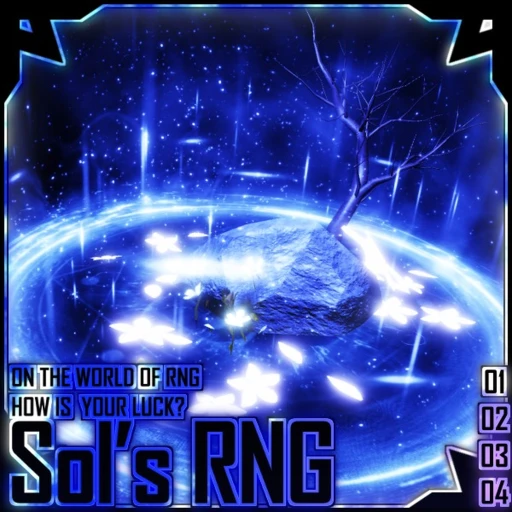
Two arena PvP games. Two completely different approaches to competitive Roblox. Knockout drops you into physics-based arenas as a penguin and tells you to punch everyone else off the platform. It's chaotic, hilarious, and carries a 97% approval rating that almost no Roblox game can match. Blade Ball puts a lethal orb in the center of the arena and dares you to deflect it at opponents — last player standing wins. It's precise, skill-driven, and has racked up 6 billion visits.
These games are fighting for the same slice of your free time. Both offer fast rounds, competitive tension, and that "one more game" pull that keeps you playing longer than you planned. But the feel is completely different — Knockout leans into physics comedy and accessible fun, while Blade Ball demands timing, positioning, and ability management. Here's how they stack up across every category that matters.
Knockout vs Blade Ball -- Quick Stats (2026)
| Category | Knockout | Blade Ball |
|---|---|---|
| Genre | Physics-based brawler | Deflection PvP arena |
| Developer | Knockout Games | Wiggity |
| Total Visits | 1B+ | 6B+ |
| Typical CCU (July 2026) | ~3K | ~17K (200K+ during events) |
| Approval Rating | 97% | ~85% |
| Core Loop | Punch opponents off platforms | Deflect orb, eliminate opponents |
| Round Length | 1-3 minutes | 2-5 minutes |
| Skill Type | Physics awareness, timing, positioning | Reaction time, ability management, prediction |
| Mobile-Friendly | Yes | Yes |
| Free-to-Play | Yes | Yes |
Gameplay -- What Do You Actually Do?
Knockout
You're a penguin. You punch other penguins. They fly off the platform. That's the pitch, and it's all you need. Knockout drops you into a rotating selection of arena maps — floating platforms, icy slopes, crumbling bridges, spinning obstacles — and the last penguin standing wins. The physics engine is the star here. Every punch sends opponents ragdolling in unpredictable but hilarious trajectories. The weight, momentum, and angle of your attacks all matter, and the environment interacts with the physics in ways that create moments you couldn't script if you tried.
Controls are simple: move, jump, punch, dodge. There's a charge attack that sends opponents further, and a dash that lets you close distance or escape the edge. The maps themselves are the real variable — some have hazards like rotating beams, breakaway floors, or bouncy surfaces that amplify the chaos. You don't need to read a wiki or watch a tutorial to understand what's happening. The first time a charged punch sends someone spinning off a cliff, the game clicks immediately.
The beauty of Knockout is that losing is almost as fun as winning. The ragdoll physics turn every elimination into a clip-worthy moment. You'll laugh at your own deaths as often as you celebrate your kills, and that's by design. The 97% approval rating doesn't come from mechanical depth — it comes from making every single round entertaining regardless of outcome.
Blade Ball
Blade Ball puts all players in a circular arena with a glowing orb that targets one player at a time. When the orb locks onto you, it accelerates toward your position. Your only defense is a timed deflect — hit the button at the right moment and the orb redirects toward another player. Miss the timing and you're eliminated. The orb gets faster with each deflect in a rally, creating escalating tension until someone fails. Last player alive wins the round.
Layered on top of the core deflection mechanic is an ability system. Players equip abilities — dashes, shields, slows, teleports, and other utilities — that add tactical depth to each encounter. Knowing when to use your ability versus saving it for a critical moment is a key skill separator between casual and competitive players. Some abilities are clearly stronger in the current meta, creating a tier list dynamic that the community actively debates and the developers periodically rebalance.
The skill expression in Blade Ball is high. At lower levels, it's a reaction time test — can you press the button fast enough? At higher levels, it's about positioning, ability timing, reading opponent tendencies, and managing the orb's trajectory to put pressure on specific players. The game rewards practice in a way that Knockout deliberately doesn't, and that's the fundamental philosophical difference between them.
Progression -- How Deep Does It Go?
Knockout keeps progression light and focused on cosmetics. You earn coins from matches that unlock penguin skins, hat accessories, punch effects, and celebration animations. There's a battle pass system that refreshes seasonally with a free and premium track offering exclusive cosmetics. The game doesn't gate power behind progression — a day-one player has exactly the same mechanical toolkit as a veteran. The only things you accumulate over time are visual flair and bragging rights from your win count displayed on your profile.
Blade Ball has a more layered progression system. You earn spins through gameplay that unlock new abilities from a randomized pool. Abilities vary in rarity, and the highest-tier abilities are genuinely stronger than common ones — this creates a progression-based power gap that Knockout avoids entirely. You also earn coins for cosmetic items (skins, trails, emotes) and can level up through a seasonal battle pass. The ability grind is the core progression driver: players spend hours rolling for specific high-tier abilities that they believe will give them a competitive edge.
Edge: Knockout for fairness. Blade Ball for depth. Knockout's flat power curve means skill is the only differentiator. Blade Ball's ability system adds strategic depth but introduces a grind-for-power element that some players find frustrating.
Graphics and Visual Style
Knockout commits to its cartoon penguin aesthetic with total confidence. The character models are round, expressive, and designed for comedy. Ragdoll animations are exaggerated in the best way — penguins tumble, spin, and flop with a weight that feels satisfying both to deliver and to receive. Map designs are colorful and varied, with clear visual language that tells you instantly where the danger zones are. The overall look is clean, readable, and charming. It's the kind of game that looks great in clips and thumbnails, which helps explain its strong content creator adoption.
Blade Ball goes for a sleeker, more stylized aesthetic. The arena designs feature neon accents, geometric patterns, and particle effects that pop against darker backgrounds. Ability effects are flashy and well-animated — dashes leave trails, shields pulse with energy, and the orb itself is a constantly glowing threat that draws the eye. The visual hierarchy is strong: you always know where the orb is, who it's targeting, and what abilities are being used. High-tier skins and effects add significant visual prestige, which drives the cosmetic economy.
Both games look good by Roblox standards, but they're aiming for different feels. Knockout wants you to laugh. Blade Ball wants you to feel cool.
Player Count and Community (July 2026)
Knockout has over 1 billion visits and averages around 3K concurrent players as of July 2026 — down from its peak of 55K but still a healthy community for a niche physics brawler. What stands out is the 97% approval rating, one of the highest on the platform. Players who try Knockout overwhelmingly enjoy it. The community is positive, meme-friendly, and less toxic than many competitive games. Content creators love the game's clip-worthy physics moments. For the latest codes and rewards, check our Knockout codes guide.
Blade Ball is a larger game with 6 billion visits and averages around 17K CCU in June 2026, though it still pulls 200K+ during major events. The community is more competitive and divided — tier list debates, ability balance discussions, and skill-gap arguments are constant. YouTube and TikTok content around Blade Ball skews toward montages, ability showcases, and competitive highlights. The game has a strong esports-adjacent community with tournament circuits and leaderboard chasers. For active codes and tips, see our Blade Ball codes guide, and if you want to see how Blade Ball stacks up against fighting games, our Blade Ball vs The Strongest Battlegrounds comparison is worth a read.
Game Passes and Monetization
Knockout's monetization is almost entirely cosmetic. The Premium Skins pass (199 Robux) unlocks a rotating set of exclusive penguin designs. The Map Vote pass (99 Robux) lets you vote for which arena plays next. The Battle Pass (149 Robux per season) adds a premium cosmetic track with exclusive items. Nothing you can buy affects gameplay. A free player and a max-spending player have identical combat capabilities, and that's a deliberate design choice the community deeply respects.
Blade Ball's monetization mixes cosmetic and functional elements. The Ability Slots pass (299 Robux) lets you equip additional abilities simultaneously — a genuine gameplay advantage. The Spin Booster (199 Robux) increases your chances of rolling rare abilities from the spin system. The Battle Pass (249 Robux per season) includes both cosmetic and functional rewards. Blade Ball's monetization isn't predatory, but the ability system's randomized unlocks and the functional advantages of certain passes create a spend-to-progress dynamic that Knockout intentionally avoids.
Edge: Knockout. Its purely cosmetic monetization is cleaner and fairer. Blade Ball's functional game passes don't ruin the experience, but they introduce a pay-for-advantage element that competitive players are right to scrutinize.
Social Features
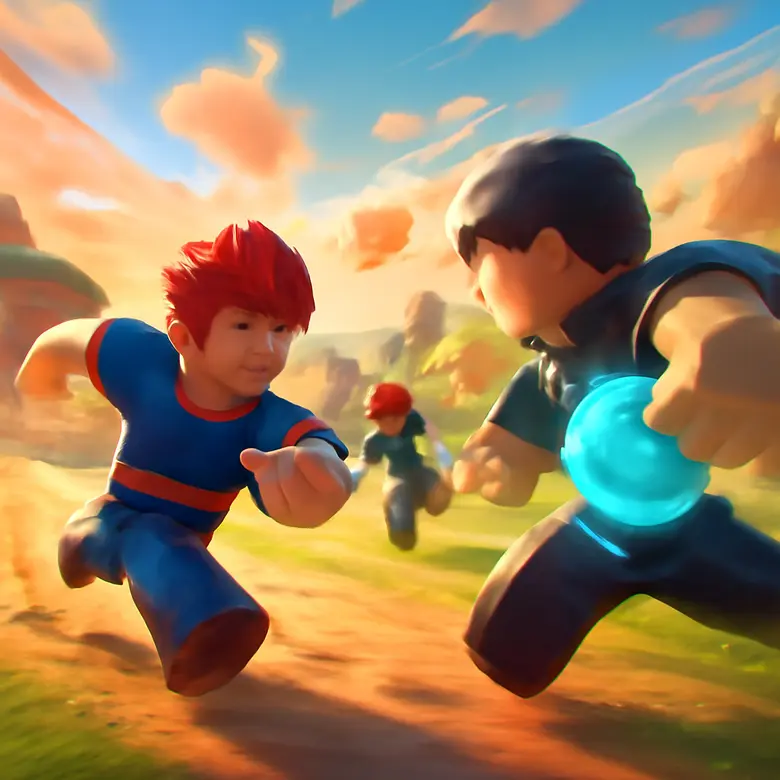
Knockout thrives on shared moments. The physics engine produces clip-worthy eliminations that players naturally want to share and discuss. The spectator mode after elimination lets you watch the rest of the round, cheering for specific players and reacting to wild physics interactions. Private servers are popular for friend groups who want to run custom matches with house rules. The game's lighthearted tone makes it a strong choice for mixed-skill groups — even the worst player in the lobby has fun because the physics produce entertaining outcomes regardless of who wins.
Blade Ball's social dynamics lean competitive. In-game chat tends to be more heated, especially in ranked modes. The ability system creates natural discussion topics — players compare loadouts, debate tier lists, and share strategies for specific ability combos. Tournament Discord servers have built a grassroots competitive scene with weekly events and prize pools funded by community contributions. Spectating high-level Blade Ball matches is genuinely engaging because the skill expression is visible and impressive. The game is social in the way fighting games are social — through competition, improvement, and shared respect for skill.
Replay Value -- Will You Still Play Next Month?
Knockout's replay value comes from the simple fact that the game is fun to play. The physics engine ensures that no two rounds feel identical, and the rotating map pool keeps the environments fresh. Seasonal battle passes and limited-time events add cosmetic incentives to return. The main limitation is depth — after you've mastered the movement system and learned the maps, the skill ceiling becomes apparent. Advanced Knockout play exists, but the gap between a good player and a great player is smaller than in most competitive games. You'll keep playing because it's fun, not because you're climbing a ladder.
Blade Ball has deeper competitive replay value. The ability system, meta shifts, and ranked ladder provide structural reasons to keep playing. New ability additions reshape the competitive landscape every few weeks. The skill ceiling is genuinely high — top Blade Ball players have reaction times, positional awareness, and ability management that casual players can't match even after months of practice. If you're the type who enjoys improving at a competitive game over the long haul, Blade Ball gives you more room to grow. The tradeoff is that the game can feel frustrating when you hit a skill plateau or face opponents with better abilities from the gacha system.
Both games receive regular updates. Knockout adds new maps, cosmetics, and seasonal events. Blade Ball introduces new abilities, balance changes, and competitive seasons.
Earning Free Robux While You Play
Both Knockout and Blade Ball have fast round cycles with brief breaks between matches, making them easy to pair with Earnaldo for earning free Robux between rounds. The downtime while matchmaking or waiting for a new round is the perfect window to complete a quick task.
For specific earning strategies, see our Knockout free Robux guide and Blade Ball free Robux guide.
Earn Free Robux for Knockout or Blade Ball
Complete simple tasks on Earnaldo and withdraw real Robux -- no downloads, no generators, no scams.
Head-to-Head Verdict -- Knockout vs Blade Ball in 2026
The Verdict
Choose Knockout if you want a PvP game that's fun above all else. The physics-based combat creates moments you can't get anywhere else on Roblox, the 97% approval rating speaks for itself, and the purely cosmetic monetization means everyone plays on equal footing. With over 1 billion visits and growing, Knockout has proven that accessible design and genuine fun can build a loyal audience without sacrificing competitive appeal. It's the game you recommend to everyone because everyone will enjoy it.
Choose Blade Ball if you want a competitive PvP game with real depth. The deflection mechanics reward practice and precision, the ability system adds strategic layers that keep the meta evolving, and the 6 billion visits prove the formula works at massive scale. It's the game you grind when you want to get better at something, and the ranked system gives your improvement tangible rewards. The skill ceiling is high enough that you'll always have room to grow.
The bottom line: Knockout is the better casual PvP game. Blade Ball is the better competitive PvP game. If you want to jump in, have fun, and not worry about meta or grinding, Knockout wins. If you want a game that rewards dedicated practice and offers genuine competitive progression, Blade Ball is the pick. Both are excellent — the right choice depends entirely on what you're looking for from your PvP experience.
Who Should Play What?
- You want something everyone in your friend group will enjoy: Knockout. Its accessible physics and comedy appeal to all skill levels.
- You want to grind and improve at a competitive game: Blade Ball. Its skill ceiling and ranked mode support long-term competitive investment.
- You play mostly on mobile: Knockout. Simpler controls translate better to touchscreen input.
- You enjoy ability-based combat and loadout theory: Blade Ball. The ability system adds depth that Knockout doesn't attempt.
- You value fair monetization above all else: Knockout. Its cosmetic-only approach is the gold standard on Roblox.
- You want fast rounds with instant action: Both work, but Knockout's 1-3 minute rounds are even shorter than Blade Ball's 2-5 minute matches.
Frequently Asked Questions
Blade Ball leads significantly with 6 billion total visits compared to Knockout's 1 billion. Blade Ball also pulls higher peak concurrent numbers during events. However, Knockout's 97% approval rating is one of the highest on Roblox, indicating that players who try it overwhelmingly stick with it. Blade Ball is the bigger game; Knockout is the more universally liked one.
Knockout has a lower barrier to entry. The controls are simple — move, jump, punch, dodge — and the physics engine makes the game intuitively understandable within seconds. Blade Ball requires learning deflection timing, understanding ability cooldowns, and developing positional awareness. New players will win their first Knockout rounds much faster than their first Blade Ball rounds.
Blade Ball has the higher skill ceiling by a significant margin. The deflection timing, ability management, positional play, and opponent reading create layers of competitive depth. Knockout's physics engine introduces an element of unpredictability that limits pure skill expression — even top players sometimes lose to random physics interactions, which is part of the charm but caps the competitive ceiling.
In Knockout, game passes are purely cosmetic (Premium Skins at 199 Robux, Map Vote at 99 Robux). They add visual flair and social features without affecting gameplay. In Blade Ball, the Ability Slots pass (299 Robux) and Spin Booster (199 Robux) provide functional advantages. Neither game requires purchases to enjoy, but Blade Ball's passes offer more tangible in-game benefits.
Yes, both games run well on mobile through the Roblox app on iOS and Android. Knockout's simpler controls translate naturally to touchscreen. Blade Ball's deflection timing can feel slightly trickier on mobile due to potential input latency, but the game is well-optimized and mobile players can compete effectively at all levels.
Knockout is the stronger casual pick. Rounds are shorter, the physics comedy means losing is still entertaining, and the 97% rating reflects near-universal enjoyment regardless of skill level. Blade Ball rewards dedicated players more but can frustrate casuals who encounter experienced opponents running optimized ability loadouts.