KPOP Demon Hunters vs Anime Girl RNG (2026) -- Which Roblox Game Is Better?
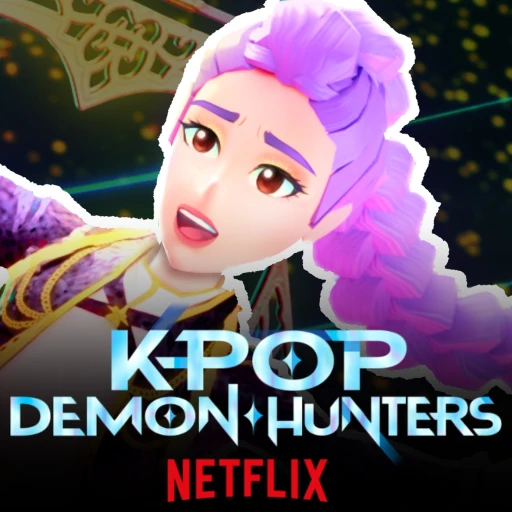
Two Roblox games that pull from anime and pop culture. Two wildly different ways to spend your time. KPOP Demon Hunters is the Netflix-backed action RPG where you build a KPOP idol and battle demons across polished Seoul-inspired maps. Anime Girl RNG is a gacha-style rolling game where you spin for increasingly rare anime characters, collecting them and chasing that rush of pulling something legendary. One game asks you to fight. The other asks you to roll. Both have dedicated fanbases, both are free to play, and both tap into anime culture from different angles. This comparison covers gameplay, progression, graphics, player count, game passes, social features, and replay value so you can decide which one fits your playstyle heading into mid-2026.
Table of Contents
Quick Stats Comparison
Here is a side-by-side snapshot of both games as of July 2026 to give you the broad picture before we go deeper.
Game Overviews
KPOP Demon Hunters
KPOP Demon Hunters launched as one of Netflix's most ambitious Roblox projects, developed alongside Twin Atlas. The concept stands out immediately: you create a KPOP idol who secretly hunts demons threatening Seoul. The game merges action RPG combat with idol management -- fighting through detailed maps, smashing destructible environments for XP, upgrading your hunter's abilities, collecting companion pets, and decorating your personal apartment. The Netflix partnership brings production quality that towers above most Roblox titles, with polished environments, crossover events like the CookieRun: Kingdom collaboration, and participation in platform-wide celebrations such as Bloxfest 2026.
Gameplay revolves around PvE demon encounters. You pick from a roster of hunters, each with distinct combat abilities, and progress through maps including Fan Meetup, Airplane, Home, and Bathhouse. There is no PvP element. Your enemies are AI demons, and difficulty scales based on your level and the map you select. The experience is structured around quests that guide you through content while rewarding completion with resources. For more details on hunter selection and leveling, see our KPOP Demon Hunters guide.
Anime Girl RNG
Anime Girl RNG occupies the opposite end of the gameplay spectrum. This is a gacha-style experience built entirely around rolling for random anime girl characters. The core loop is deceptively simple: you press a button to roll, watch the animation play out, and see what character you get. Characters come in various rarity tiers, from common pulls you will see dozens of times to legendary and mythic characters that appear at astronomically low odds. The chase for rare characters is the entire game.
But reducing Anime Girl RNG to "press button, get character" undersells the depth that emerges around that core mechanic. Characters can be traded with other players, creating an active marketplace where rare pulls hold real value. Upgrades and fusion systems let you combine duplicate characters to increase their power or rarity. Limited-time banners introduce exclusive characters that become highly sought-after collectibles. The game taps into the same psychology that makes gacha games so compelling across mobile and console platforms, translated into a streamlined Roblox package. For tips on maximizing your rolls and trading effectively, check our Anime Girl RNG guide.
Gameplay & Core Loop Edge: KPOP Demon Hunters
The two games could not be more different in how they spend your time. KPOP Demon Hunters asks you to actively play -- moving through maps, dodging attacks, chaining abilities, managing cooldowns. Anime Girl RNG asks you to watch and react -- pressing roll, evaluating results, deciding what to keep and what to trade. Both loops work, but they serve completely different moods.
KPOP Demon Hunters: Action-Driven Exploration
Every session in KPOP Demon Hunters follows a rewarding RPG structure. You load into a map, explore the environment to discover hidden XP caches in destructible objects, engage demon encounters that test your combat abilities, complete quests for bonus rewards, and return to your apartment to manage your inventory, pets, and cosmetics. The variety of activities within a single session keeps things from feeling monotonous. You are not doing one thing repeatedly -- you are cycling through exploration, combat, collection, and customization.
The maps themselves contribute to gameplay variety. Each location features different demon types with distinct attack patterns, environmental hazards that affect combat positioning, and unique destructible elements that reward thorough exploration. The Fan Meetup stage plays differently from the Airplane map, which plays differently from the Bathhouse. This environmental diversity means your combat strategies need to adapt, keeping veteran players engaged even after dozens of hours.
Anime Girl RNG: The Gacha Grind
Anime Girl RNG's core loop centers on rolling. You accumulate currency through passive generation, daily bonuses, codes, and in-game milestones, then spend that currency on rolls. Each roll produces a random anime girl character at a random rarity tier. Common characters fill your collection quickly, while rarer tiers -- Epic, Legendary, Mythic, and event-exclusive -- appear at progressively lower odds.
The simplicity is the point. You do not need mechanical skill, map knowledge, or combo execution. The satisfaction comes from probability -- will this next roll be the one? When you finally pull a Mythic character after hundreds of commons, the dopamine spike is real. Between rolls, you manage your collection, fuse duplicates for upgrades, and browse the trading market for characters you need. The loop is inherently passive compared to KPOP Demon Hunters, which makes it perfect for background play but less engaging as a primary activity.
Progression Systems Edge: KPOP Demon Hunters
Both games feature progression systems, but they are built on fundamentally different foundations. KPOP Demon Hunters gives you multiple interconnected systems to advance through. Anime Girl RNG provides a single progression axis -- your collection -- with supporting systems built around it.
KPOP Demon Hunters Progression
The progression architecture in KPOP Demon Hunters layers several systems on top of each other, ensuring you always have something to work toward:
- Hunter Levels: XP earned from demon kills and quest completion raises your hunter level, unlocking new abilities, stat increases, and access to harder maps with better rewards.
- Gear System: Weapons and equipment drop from demon encounters and can be purchased with Points. Each piece of gear modifies your combat stats, and upgrading gear extends its effectiveness into late-game content.
- Pet Collection: Pets provide passive bonuses -- XP multipliers, Point boosters, or combat stat enhancements. Rare pets offer significantly stronger bonuses and serve as both progression tools and status symbols.
- Apartment Customization: Unlocking and arranging furniture, wall art, and decorative items in your personal space is a progression vector aimed at creative expression rather than combat power.
- Event Milestones: Limited-time events like the CookieRun: Kingdom collaboration and Bloxfest 2026 introduce exclusive rewards that function as time-gated progression goals.
Having five distinct progression systems running in parallel means burnout on any single system does not stall your overall advancement. Hit a leveling plateau? Focus on pet upgrades. Bored of gear grinding? Redecorate your apartment. The variety keeps sessions fresh across weeks and months of play.
Anime Girl RNG Progression
Anime Girl RNG's progression is straightforward but effective. Your collection is your progress. Every new character you acquire, especially at higher rarity tiers, represents a concrete step forward. The collection log tracks what you have and what you still need, giving you a clear picture of your completion percentage at all times.
Supporting systems add texture to the collection grind. Fusion lets you combine duplicate characters to create upgraded versions, which means even common pulls have value as fusion material. Limited-time banners introduce characters that cannot be obtained after the event ends, creating urgency-driven progression windows. Trading with other players opens up an alternative path to completing your collection -- sometimes a well-negotiated trade is more efficient than rolling for a specific character.
The progression works, but it runs on a single track. If the thrill of rolling and collecting starts to fade, there is no secondary system to pivot to. KPOP Demon Hunters takes this edge because its multi-layered progression provides more sustained motivation and more ways to measure your advancement over time.
Graphics & Presentation Edge: KPOP Demon Hunters
Visual quality is one area where the Netflix backing makes a dramatic difference. KPOP Demon Hunters looks and feels like a premium Roblox experience, while Anime Girl RNG takes a simpler but effective approach to visual design.
KPOP Demon Hunters Visuals
The environments in KPOP Demon Hunters are among the most detailed on the Roblox platform. Seoul-inspired maps feature neon-lit streetscapes, concert venues with dynamic lighting, stylized interiors with destructible furniture, and atmospheric effects that give each location a distinct personality. Character models are polished with smooth animations -- combat abilities trigger fluid visual effects, and hunter outfits display impressive detail by Roblox standards. The overall aesthetic blends Korean pop culture with demon-slaying fantasy in a way that feels cohesive rather than disjointed.
The UI design matches the visual quality. Menus are clean, navigation is intuitive, and the interface does not overwhelm you with information. Loading screens feature original artwork, and transition effects between maps maintain immersion. Environmental destruction adds visual flair to combat -- smashing through objects scatters debris with satisfying particle effects.
Anime Girl RNG Visuals
Anime Girl RNG invests its visual budget into the characters themselves. Roll animations are designed to build tension and excitement, with escalating visual cues that signal rarity before the character is revealed. Character art uses an anime illustration style that looks clean and appealing, with rarer characters featuring more elaborate designs and special effects. The gacha presentation is well-executed -- rainbow flashes, screen shakes, and dramatic reveals make pulling rare characters feel appropriately special.
The surrounding environment is simpler. Hub areas where you roll, manage your collection, and interact with other players are functional but lack the environmental polish of KPOP Demon Hunters. This is not necessarily a criticism -- the game directs your visual attention toward the characters, which are the star of the show. But in a direct graphics comparison, KPOP Demon Hunters operates at a higher overall production tier.
KPOP Demon Hunters earns this edge through its consistently polished environments, character models, and combat animations. Anime Girl RNG looks good where it counts -- during rolls and character reveals -- but cannot match the overall visual package.
Player Count & Community Edge: Anime Girl RNG
Community size matters for different reasons in each game. For KPOP Demon Hunters, a larger community means more guides, more content creators, and a more active event scene. For Anime Girl RNG, community size directly affects gameplay through the trading system -- more players means a healthier marketplace.
Anime Girl RNG Community
RNG and gacha games thrive on Roblox, and Anime Girl RNG has tapped into that audience effectively. The game maintains strong concurrent player numbers, driven by the inherently shareable nature of gacha pulls -- players screenshot rare rolls, share their collections, and discuss trading strategies across social platforms. The trading community is particularly active, with established value hierarchies for rare characters and dedicated trading servers where players negotiate deals.
Content creators regularly feature Anime Girl RNG in "rolling for mythics" videos and collection showcase streams, which drive consistent new player acquisition. The game's simple premise is easy to understand from a thumbnail, making it highly streamable and shareable. Community-maintained tier lists and probability breakdowns help new players understand what they are rolling for and how to value their collection.
KPOP Demon Hunters Community
KPOP Demon Hunters benefits from Netflix's marketing reach but is still developing its organic community. The game attracts players through platform-level promotions, crossover events, and the novelty of its KPOP-meets-demon-slaying premise. Player counts are growing steadily, aided by participation in events like Bloxfest 2026 and the CookieRun: Kingdom collaboration that bring temporary traffic spikes.
The community is engaged but younger in terms of infrastructure. Guides are emerging, wikis are being built, and content creators are starting to cover the game more frequently. The Netflix connection provides a floor of visibility that most indie Roblox games cannot achieve, but the organic community has not yet reached the density of established titles. For tips on getting the most out of the current community resources, see our KPOP Demon Hunters guide.
Anime Girl RNG gets the edge here because its community is larger, more established, and directly enhances gameplay through trading. KPOP Demon Hunters has strong growth potential, but current community infrastructure favors Anime Girl RNG.
Game Passes & Monetization Draw
Both games are free to play with optional Robux purchases, and neither locks core content behind paywalls. The types of purchases differ based on each game's design, but the overall value proposition is comparable.
KPOP Demon Hunters Monetization
Game passes in KPOP Demon Hunters focus on convenience and cosmetics. XP boosters accelerate your leveling speed, premium outfits let you customize your idol with exclusive looks, and pet-related passes improve your chances of getting rare companions. Nothing you can buy replaces the need to actually play the game -- boosters speed up progression but do not skip it. The premium items are nice-to-have additions to an already complete free experience.
The Netflix branding also means the cosmetic items tend to be higher quality than what you find in average Roblox games. Licensed crossover items from events like the CookieRun collaboration are particularly well-designed and become collector items in their own right. Some premium items gain value over time as their associated events end and they become unobtainable.
Anime Girl RNG Monetization
Anime Girl RNG monetizes primarily through roll-related purchases. Robux can be used to buy additional rolls, increase your roll speed, unlock auto-roll functionality, or access premium banners with higher rates for rare characters. The gacha model means spending Robux does not guarantee specific outcomes -- you are purchasing chances, not certainties. This is standard for the genre but worth understanding before you spend.
The auto-roll game pass is particularly popular because it lets the game accumulate characters passively while you are away, which aligns with the game's low-effort design philosophy. Lucky boost passes temporarily increase rare character drop rates, providing a tangible advantage during focused rolling sessions.
This category is a draw. Both games offer fair free-to-play experiences with optional premium enhancements. Neither crosses into pay-to-win territory, and both provide enough free content to keep non-spending players engaged indefinitely.
Social Features Edge: Anime Girl RNG
Social interaction enhances both games, but Anime Girl RNG builds social features into its core gameplay loop in a way that KPOP Demon Hunters does not.
Anime Girl RNG Social Features
Trading is the centerpiece of Anime Girl RNG's social system, and it transforms the game from a solo rolling experience into a multiplayer marketplace. Every rare character pull has social value -- you can flex it in the lobby, negotiate trades with interested players, or use it as leverage to acquire characters you actually want. The trading system creates organic social interactions that extend far beyond the game itself. Discord servers, Reddit threads, and social media groups dedicated to Anime Girl RNG trading form a sprawling secondary community layer.
Rolling in public lobbies also creates shared experiences. When someone hits a Mythic pull, the lobby reacts. Spectating other players' rolls builds a communal atmosphere that solo rolling cannot replicate. The game also supports friend-based features that let you compare collections and track each other's progress, adding a competitive social dimension to the collection grind.
KPOP Demon Hunters Social Features
KPOP Demon Hunters supports multiplayer through cooperative map exploration and shared combat encounters. Playing with friends adds a social layer to the PvE experience -- coordinating abilities against tougher demons, exploring maps together, and showing off your apartment to visitors. The apartment system doubles as a social space where friends can visit, appreciate your decoration choices, and hang out between combat sessions.
However, the social features are supplementary rather than central. The game plays equally well solo, and there is no system equivalent to Anime Girl RNG's trading that makes social interaction a core gameplay mechanic. The co-op elements are welcome but not transformative.
Anime Girl RNG takes this edge because trading and public rolling create social gameplay that is integral to the experience, not optional. KPOP Demon Hunters' social features are solid additions but do not fundamentally change how you play.
Replay Value Draw
Both games are designed to keep you playing long-term, but they use different retention strategies. Understanding which approach appeals to you is key to choosing between them.
KPOP Demon Hunters Replay Value
KPOP Demon Hunters' replay value comes from breadth. Multiple hunters with different playstyles encourage replaying maps with new combat approaches. The pet collection and gear upgrade systems provide long-term progression goals that take weeks to fully pursue. Seasonal events and crossover collaborations introduce limited-time content that rewards consistent engagement. The apartment customization system appeals to creative players who enjoy iterating on their personal space over time.
The Netflix backing suggests a sustained content pipeline, with future maps, hunters, events, and collaborations planned. For a game this early in its lifecycle, the trajectory points toward increasing replay value as more content rolls out. Each major update adds new reasons to return, and the multi-system design means there is always something fresh to work toward even if you have exhausted one particular system.
Anime Girl RNG Replay Value
Anime Girl RNG's replay value is rooted in probability and completionism. The rarity system ensures that fully completing your collection takes an enormous number of rolls, creating a long tail of engagement for players who want every character. Limited-time banners add urgency -- if you miss an event-exclusive character, it may never return. The trading system creates an ongoing metagame where character values fluctuate, rewarding players who stay engaged with the community.
The inherent randomness of the gacha system means every session has the potential to be memorable. Your next roll could produce a character you have been chasing for weeks. That uncertainty is addictive in a way that deterministic progression systems cannot replicate. The flip side is that extended dry spells -- rolling hundreds of times without a notable pull -- can be demoralizing. The replay value is high but inconsistent in its emotional payoff.
This is a draw because both games offer compelling reasons to return, but through entirely different mechanisms. KPOP Demon Hunters provides structured, reliable replay value. Anime Girl RNG offers exciting, unpredictable replay value. Your personal preference determines which approach feels more sustainable.
Final Verdict
The Verdict: Different Games for Different Moods
Choose KPOP Demon Hunters if: You want an active gameplay experience with real-time combat, structured progression across multiple systems, polished visuals, and the production quality that comes with a Netflix partnership. If you prefer games that reward skill, exploration, and time investment with tangible power growth, KPOP Demon Hunters delivers a complete and consistently engaging experience. The game excels for players who want to do things -- fight, explore, customize, and progress -- during every session.
Choose Anime Girl RNG if: You love the thrill of gacha mechanics, enjoy building collections, and want a game with a strong social trading component. If you find satisfaction in probability-based rewards, enjoy the dopamine spike of rare pulls, and want a game that works well as a casual background activity, Anime Girl RNG is built for you. Its simplicity is a strength, not a limitation -- the game knows exactly what it is and executes that vision effectively.
Or play both. KPOP Demon Hunters is your active gameplay session. Anime Girl RNG is what you roll in between rounds or during downtime. The two games complement each other because they occupy completely different engagement spaces. There is no overlap in what they ask of you, which means playing both never feels redundant.
Progression Systems
Graphics & Presentation
Social Features
Game Passes and Replay Value rated as draws -- both games deliver solid value in their respective approaches.
Who Should Play What?
Your choice comes down to what kind of experience you are looking for on any given day. Here is a quick breakdown to make the decision easier:
- Pick KPOP Demon Hunters if you want active combat, multiple progression systems, high-quality visuals, and a structured RPG experience that rewards your time and attention consistently.
- Pick Anime Girl RNG if you enjoy collection games, love the excitement of random pulls, want a strong trading community to engage with, and prefer a game that works well in short bursts or as a background activity.
- Pick both if you want an action game for focused sessions and a collection game for casual downtime. They fill completely different slots in your Roblox rotation.
If you are coming from other anime fighting games like Jujutsu Shenanigans or Anime Battlegrounds X, KPOP Demon Hunters is the closer match for your playstyle. If you are coming from games like Sols RNG, Anime Girl RNG will feel immediately familiar.
How to Get Free Robux for Either Game
Whether you want XP boosters in KPOP Demon Hunters or extra rolls in Anime Girl RNG, Robux unlocks premium content in both games. Earnaldo lets you earn free Robux by completing offers and tasks at your own pace, so you can access premium game passes without spending real money.
Earn Free Robux for Either Game
Unlock premium game passes, extra rolls, and exclusive cosmetics without spending real money. Complete simple tasks on Earnaldo and withdraw Robux to your account.
For game-specific recommendations on where to spend your Robux, check out our dedicated guides: KPOP Demon Hunters Free Robux Guide and Anime Girl RNG Free Robux Guide. Both cover the best game passes to prioritize and which purchases give you the most value per Robux spent.
You can find both games directly on Roblox: KPOP Demon Hunters on Roblox and Anime Girl RNG on Roblox.
Frequently Asked Questions
Anime Girl RNG is more casual-friendly thanks to its simple roll-based mechanics that require minimal input. You tap a button, watch results, and collect characters. KPOP Demon Hunters has more active gameplay with combat and exploration, which makes it engaging but slightly more demanding of your attention. Both work well for casual sessions, but Anime Girl RNG is the lower-effort option.
KPOP Demon Hunters has higher production quality with Netflix-backed environments, polished character models, and detailed maps like Seoul districts and concert venues. Anime Girl RNG features stylized anime character art that looks appealing during rolls, but the overall world design is simpler. If visual polish matters to you, KPOP Demon Hunters has the edge.
Yes, both KPOP Demon Hunters and Anime Girl RNG are completely free to play. Each offers optional game passes and Robux purchases for premium content, but all core gameplay is accessible without spending. You can earn free Robux through Earnaldo to unlock premium items in either game.
Both games offer strong replay value but in different ways. KPOP Demon Hunters keeps you coming back with new maps, events, quests, and progression milestones. Anime Girl RNG hooks you with the chase for increasingly rare characters and the satisfaction of completing your collection. If you prefer variety in activities, go with KPOP Demon Hunters. If you love the thrill of rare drops, Anime Girl RNG is your game.
No. Anime Girl RNG is a gacha-style rolling game where the core loop revolves around spinning for random anime characters. There is no real-time combat system. KPOP Demon Hunters features active PvE combat where you fight demons using abilities and combos. If you want action gameplay, KPOP Demon Hunters is the clear choice.
As of May 2026, Anime Girl RNG regularly releases codes that grant free rolls and in-game bonuses. KPOP Demon Hunters does not currently have a traditional code system, though promotional events and collaborations sometimes provide free rewards. Check our KPOP Demon Hunters guide and Anime Girl RNG guide for the latest updates.