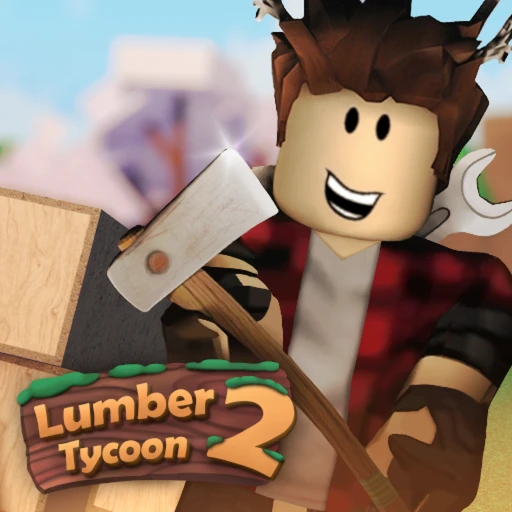
Lumber Tycoon 2 vs Welcome to Bloxburg (2026) — Which Roblox Game Is Better?
Lumber Tycoon 2 and Welcome to Bloxburg are two of the most well-known Roblox games ever created, and they both let you build things from the ground up. But beyond that surface similarity, they could not be more different. One drops you into a forest with an axe and tells you to figure it out. The other gives you a plot of land, a job application, and a furniture catalog. If you have been going back and forth trying to figure out which one deserves your time in 2026, this comparison breaks down every angle that matters.
We will cover gameplay loops, building mechanics, economy and progression, community atmosphere, update frequency, and long-term replay value. By the end, you will know exactly which game fits your play style — and maybe you will end up playing both.
Quick Stats Comparison
| Feature | Lumber Tycoon 2 | Welcome to Bloxburg |
|---|---|---|
| Developer | Defaultio | Coeptus |
| Genre | Tycoon / Sandbox | Life Simulation / Building |
| Total Visits | ~1.29 Billion | ~6.8 Billion |
| Place ID | 13822889 | 185655149 |
| Cost to Play | Free | 25 Robux (one-time) |
| Building Style | Freeform plank placement | Structured with presets & tools |
| Economy | Wood selling & player trading | Job wages & in-game purchases |
| Vehicles | Trucks for hauling lumber | Cars for personal transport |
| Multiplayer | Small servers, co-op focused | Neighborhood-style servers |
| Update Frequency | Occasional | Regular |
The numbers tell part of the story. Bloxburg has over five times the total visits, reflecting its broader appeal as a life simulation game. But raw popularity does not always equal a better experience — Lumber Tycoon 2 has carved out a fiercely loyal community that has stuck around for years.
Gameplay Loop and Core Mechanics
Lumber Tycoon 2
Lumber Tycoon 2 throws you into a sprawling map with forests, mountains, and hidden areas. Your main objective is to chop down trees, transport the logs to a sawmill, process them into planks, and sell those planks for money. That money goes toward better axes, vehicles, land expansions, and base upgrades.
What makes LT2 special is the freedom. There is no tutorial holding your hand. You figure out how the sawmill conveyor works, how to load logs onto your truck without them sliding off, and how to navigate the map's winding roads. The first time you successfully haul a full load of logs from the Swamp biome back to your base feels like a genuine accomplishment because nobody told you how to do it.
The wood variety system adds serious depth. Common trees like Elm and Birch grow near spawn and are easy to harvest. But the real money (and prestige) comes from rare woods hidden in dangerous or hard-to-reach locations. Phantom Wood, Lava Wood, Frost Wood, and Sinister Wood are all coveted by the community. Some of these woods only spawn under specific conditions, and finding them can take hours of exploration.
Welcome to Bloxburg
Bloxburg operates on a completely different wavelength. You start with a small plot of land and a modest budget. To earn money, you work one of several available jobs — pizza delivery driver, mechanic, cashier, hairdresser, miner, fisherman, and more. Each job has its own minigame-style gameplay, and you earn wages based on how efficiently you complete tasks.
The money you earn goes primarily toward building and decorating your house. Bloxburg's mood system adds a Sims-like layer where your character needs food, rest, fun, and hygiene. Ignoring these needs reduces your work performance and earning rate, creating a natural rhythm of work, play, and home management.
Where Bloxburg truly shines is the social simulation aspect. You can visit neighbors, hang out at community locations like the gym or the beach, and roleplay different scenarios. Many players use Bloxburg as a creative canvas rather than a game with win conditions, spending dozens of hours designing their dream home down to the last piece of wall art.
Edge: Tie. These are fundamentally different gameplay experiences. LT2 is a sandbox where you set your own goals. Bloxburg gives you a structured life to manage. Neither approach is better — it depends entirely on what kind of player you are.
Building Systems Compared
Both games center around building, but the systems could not be more different in execution.
Lumber Tycoon 2's Freeform Building
In LT2, building is raw and physical. You chop a tree, process it into planks, and then place those planks one by one to construct walls, floors, ramps, bridges, or whatever else you can imagine. There are no pre-made wall segments or snap-to-grid tools. Every structure you build was once a tree standing in the forest.
This approach creates a deeply satisfying feedback loop. You are not just placing objects from a catalog — you are working with materials you gathered yourself. The downside is that precision building is difficult. Aligning planks perfectly takes practice, and complex structures require patience and planning. Many experienced LT2 builders have developed their own techniques for creating smooth walls and clean angles, and sharing these methods is a big part of the community culture.
The wood type you use also matters aesthetically. Different woods have different colors and textures, so builders often mix and match woods to create unique color schemes. A house built entirely from Lava Wood looks dramatically different from one made with Walnut or Cherry.
Bloxburg's Structured Building
Bloxburg's building system is essentially a lightweight version of The Sims' build mode adapted for Roblox. You place walls, floors, and roofs using intuitive tools. The game offers a massive catalog of furniture, wallpapers, flooring options, lighting fixtures, landscaping elements, and decorative items. You can build multi-story houses, pools, garages, gardens, and entire estates.
The precision tools make it possible to create genuinely impressive architecture. Advanced builders in Bloxburg regularly produce mansions, restaurants, apartments, and even recreations of real-world buildings that look stunning. The system supports custom colors, material textures, and fine-tuned positioning that LT2 simply cannot match.
Bloxburg also added terrain editing tools that let you sculpt the land around your house, adding hills, water features, and elevation changes. These tools pushed creative building to another level and remain one of the game's strongest selling points.
Edge: Welcome to Bloxburg. If your primary goal is to build a beautiful house or structure, Bloxburg's tools are leagues ahead. LT2's building is charming and satisfying in its own way, but it cannot compete with Bloxburg's catalog depth, precision controls, and design flexibility.
Economy and Progression
How Money Works in Lumber Tycoon 2
LT2's economy is straightforward on the surface but surprisingly deep once you get into it. You sell processed wood at the Wood Dropoff for cash. Common woods earn modest amounts, while rare woods bring in significantly more per unit. The real complexity comes from the player-driven trading economy.
Players trade rare wood, limited-edition axes, and other items with each other using an informal value system that the community has developed over years. Phantom Wood and Lava Wood can sell for enormous sums to the right buyer. Rare axes from past events carry collector's value. The trading scene in LT2 is surprisingly active and has its own set of unwritten rules, scam-prevention methods, and value trackers maintained by community members.
Progression in LT2 is largely self-directed. You decide when to upgrade your sawmill, when to buy a better vehicle, and when to expand your base. There is no level system or skill tree — your progress is visible in the size of your base, the quality of your tools, and the rarity of your wood collection.
If you want to boost your LT2 experience with extra Robux for game passes, check out our Lumber Tycoon 2 free Robux guide for legitimate earning methods.
How Money Works in Welcome to Bloxburg
Bloxburg's economy is more structured and predictable. You earn money by working jobs, and different jobs pay different rates. As you level up within a job, your hourly wage increases. The money goes toward buying furniture, building materials, vehicles, and game passes that unlock additional features like multiple floors, basements, and advanced placement tools.
The progression curve in Bloxburg is steadier but can also feel grindy. Building the house you want often requires hours of pizza delivery or mining before you can afford the furniture and expansion permits. Game passes (purchased with Robux) can speed things up considerably — the Premium pass doubles your daily income, and other passes unlock building capabilities that are locked by default.
There is no player-to-player trading economy in Bloxburg. You cannot sell your house to another player or trade furniture items. Every player earns and spends independently, which keeps the economy clean but removes the social trading dynamic that makes LT2's economy so engaging.
Looking for ways to earn Robux for Bloxburg game passes? Our Welcome to Bloxburg free Robux guide covers the best methods available right now.
Edge: Lumber Tycoon 2. The player-driven trading economy gives LT2 a layer of depth and social interaction that Bloxburg's job-wage system does not match. Hunting for rare wood and negotiating trades with other players adds an entire metagame that keeps veterans coming back for years.
Graphics and Atmosphere
Neither game is pushing the boundaries of Roblox's graphics engine, but both have distinct visual identities.
Lumber Tycoon 2 has a natural, rustic look. The forests feel dense, the mountains feel imposing, and the various biomes (standard forest, safari, swamp, volcano area) each have their own color palette. The game world feels explorable, with hidden caves, bridges, and landmarks scattered throughout. The lack of a minimap reinforces the exploration-first design philosophy.
Welcome to Bloxburg goes for a cleaner, suburban aesthetic. The town center and community buildings have a polished Sims-like appearance. The game's lighting system, weather effects, and day-night cycle contribute to a warm, inviting atmosphere. Bloxburg also benefits from more frequent visual updates — new furniture items, seasonal decorations, and environmental improvements keep it looking fresh.
Edge: Welcome to Bloxburg. Bloxburg's cleaner art direction, more varied interior design options, and regular visual updates give it the advantage here. LT2's natural environments have their own appeal, but Bloxburg offers more visual variety overall.
Community and Social Features
The communities around these two games have developed very differently, and understanding those differences can help you choose where to invest your time.
Lumber Tycoon 2's Community
LT2's community is smaller but incredibly dedicated. Many players have been active for years, building extensive bases and accumulating rare wood collections. The trading community has established its own social structures — Discord servers with price lists, middlemen for high-value trades, and reputation systems to prevent scamming.
The in-game social experience in LT2 is unique because players can physically visit each other's bases. Seeing someone's massive, intricately designed base built entirely from rare woods is genuinely impressive and creates natural social moments. Players often collaborate on large builds or help newer players learn the ropes.
The flip side is that LT2 does have a scamming problem, especially around rare wood trades. New players should be cautious about trusting strangers offering deals that seem too good to be true. The community has developed workarounds, but it remains an issue.
Bloxburg's Community
Bloxburg's community is larger and more diverse. The 25 Robux entry fee acts as a natural filter, which tends to result in slightly more mature and invested players compared to free-to-play games. Roleplay is a huge part of Bloxburg's social scene — players create families, run businesses, and develop ongoing storylines with their neighbors.
The building community is particularly active, with players sharing house tours, speed-build videos, and design tips across YouTube and social media. Bloxburg's neighborhood system means you are always surrounded by other players' houses, creating a natural sense of community without requiring you to actively seek it out.
For another great Roblox sandbox experience, you might also enjoy Build a Boat for Treasure, which combines creative building with adventure gameplay.
Replay Value and Long-Term Appeal
Both games offer strong replay value, but the sources of that longevity differ significantly.
Lumber Tycoon 2 keeps players hooked through its collection and exploration aspects. There is always a rarer wood to find, a bigger base to build, or a more profitable trade to negotiate. The map has enough hidden content that even longtime players occasionally discover something new. The lack of a formal endgame means you are never truly "done."
Welcome to Bloxburg generates replay value through its creative tools and social systems. Building a new house, trying a different aesthetic, leveling up new jobs, and participating in seasonal events all provide reasons to keep playing. Both games save your progress between sessions, and both can easily provide 100+ hours of gameplay before you start running low on new things to do.
Game Passes and Monetization
Lumber Tycoon 2 is free to play with no mandatory purchases. Some game passes exist, but the core experience is fully accessible without spending Robux — making LT2 one of the best value propositions on Roblox.
Welcome to Bloxburg requires a 25 Robux entry fee (roughly $0.30 USD). Beyond that, several game passes enhance the experience — the Premium pass doubles daily earnings, and others unlock multi-story building, basements, and large plot sizes. You can enjoy Bloxburg without these passes, but the building experience is noticeably limited without at least a few of them. Neither game uses aggressive monetization like loot boxes or pay-to-win mechanics.
Update History and Developer Support
This is an area where the two games have diverged over the past couple of years.
Coeptus has maintained a steady update cadence for Bloxburg throughout 2025 and into 2026. New furniture collections, building tools, quality-of-life improvements, and seasonal events arrive regularly. The developer communicates with the community through social media and maintains a clear development roadmap. Players generally feel confident that Bloxburg will continue receiving meaningful updates.
Defaultio's update schedule for Lumber Tycoon 2 has been less consistent. While the game still receives updates, the gaps between them have grown longer. Some community members have expressed concern about the game's long-term development trajectory. That said, the game's sandbox nature means it remains enjoyable even without frequent updates — the player-driven content and trading economy provide entertainment that does not depend on developer-created content.
Who Should Play What?
After spending significant time in both games, here is how we would break down the decision based on player type.
Play Lumber Tycoon 2 if you:
Enjoy sandbox games where you set your own goals and pace. Love the idea of chopping trees, hauling logs, and building structures from raw materials. Get excited about trading economies and hunting for rare items. Prefer a game that does not cost anything to start playing. Like exploration and discovering hidden areas on a large map. Want a more chill, self-directed experience without structured objectives telling you what to do next.
Play Welcome to Bloxburg if you:
Love The Sims or similar life simulation games. Prioritize house building and interior design above everything else. Enjoy having structured goals like leveling up jobs and earning wages. Want a polished building system with a huge furniture catalog. Prefer a game with regular updates and seasonal content. Like roleplay and social simulation with other players in a neighborhood setting.
Play Both if you:
Have the time and want two very different sandbox experiences. Enjoy building in different contexts — raw material construction in LT2 and catalog-based design in Bloxburg. Want a free game for casual sessions (LT2) and a more structured experience for dedicated play sessions (Bloxburg). Like variety and switching between game types to prevent burnout.
Final Verdict
There is no outright winner here because these games serve different audiences and scratch different itches. Welcome to Bloxburg is the more polished and actively updated game with deeper building tools and broader appeal — it earned its 6.8 billion visits for good reason. But Lumber Tycoon 2 offers something Bloxburg does not: a genuine sandbox where every structure you build started as a tree you chopped down yourself, combined with a player-driven economy that creates organic social interaction. If forced to recommend just one, we would suggest Bloxburg for most players due to its stronger building tools and more consistent updates. But if you value freedom, exploration, and trading over structured progression, Lumber Tycoon 2 is the better choice — and it will not cost you a single Robux to find out.
Earn Free Robux for Your Favorite Roblox Games
Whether you need Robux for Bloxburg's entry fee, game passes, or just want to customize your avatar, Earnaldo lets you earn free Robux by completing simple tasks. No surveys, no downloads — just real rewards.
Frequently Asked Questions
Welcome to Bloxburg is significantly more popular, with roughly 6.8 billion visits compared to Lumber Tycoon 2's 1.29 billion. Bloxburg consistently maintains higher concurrent player counts and has a larger active community, though Lumber Tycoon 2 still has a dedicated player base that has stuck around for years.
For most players, absolutely. The 25 Robux cost is a one-time purchase that gives you access to one of the deepest building and life simulation experiences on Roblox. The paid entry also helps filter out bots and trolls, resulting in a generally better community atmosphere. If you do not want to spend Robux upfront, Lumber Tycoon 2 is a strong free alternative.
Welcome to Bloxburg has a more polished and feature-rich building system with preset furniture, wallpaper, terrain tools, and multiple floors. Lumber Tycoon 2 takes a hands-on approach where you physically chop trees, mill lumber, and place planks manually. Bloxburg wins for house design and precision; LT2 wins for the satisfaction of constructing something entirely from raw materials you gathered yourself.
Lumber Tycoon 2 has a deep player-driven trading economy, especially around rare wood types like Phantom Wood, Lava Wood, and Sinister Wood. These rare woods can be worth millions of in-game currency to the right buyer. Welcome to Bloxburg does not have a formal trading system — its economy is based on earning money through jobs and spending it on building and decorating your home.
Welcome to Bloxburg receives more frequent updates from developer Coeptus, including new furniture items, building features, seasonal events, and quality-of-life improvements. Lumber Tycoon 2 by Defaultio has slowed down in update frequency over the years, though it still receives occasional content drops. If regular new content matters to you, Bloxburg is the safer pick.
If you enjoy sandbox exploration, resource gathering, and player-driven trading, start with Lumber Tycoon 2 since it is completely free. If you prefer life simulation, house design, and structured progression through jobs, Welcome to Bloxburg is the better starting point despite the 25 Robux cost. Both games offer dozens of hours of content, so you really cannot go wrong with either choice.