Natural Disaster Survival Free Robux Guide (2026) -- Survival Tips & Strategies
Last checked: September 12, 2026
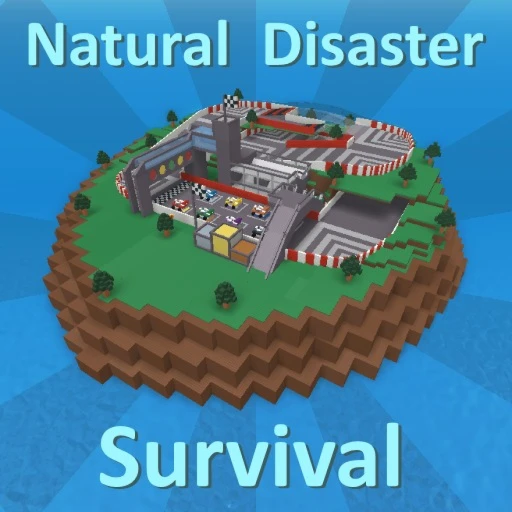
Natural Disaster Survival is one of the most iconic games ever made on Roblox. With 4.44 billion visits and a 90.8% approval rating as of September 12, 2026, and nearly two decades of history, Stickmasterluke's survival classic is still pulling in thousands of players every single day. Whether you're brand new to the game or you've been dodging Tsunamis since 2008, this guide covers everything you need to know -- from surviving all 13 disasters to picking the right game passes and earning Robux to fund them.
There are no active codes for Natural Disaster Survival, and there never have been. The game simply doesn't have a code system. But don't worry -- we'll walk you through the best survival strategies for every disaster, break down each game pass, and show you legitimate ways to get Robux without spending your own money.
Table of Contents
What Is Natural Disaster Survival?
Natural Disaster Survival (NDS) is a round-based survival game on Roblox created by Stickmasterluke. The concept is straightforward: you spawn on a randomly selected island map, a random disaster hits, and your only job is to survive until the timer runs out. Each round lasts around two to four minutes depending on the disaster type, and up to 30 players share the same server.
The game's Roblox place ID is 189707, and it first went live back in 2008, making it one of the oldest continuously played games on the entire platform. Over the years it has accumulated 4.44 billion visits and maintains a rock-solid 90.8% approval rating (4.39M likes to 446K dislikes) as of September 12, 2026, with around 7,200 people in-game at the time of checking. That kind of longevity speaks for itself -- NDS is simple, addictive, and endlessly replayable.
There are no leveling systems, no inventory management, and no complicated mechanics to learn. You spawn, you survive, and you do it again. The challenge comes from reading the disaster correctly, knowing the map, and making smart positioning decisions under pressure. Each island map features different structures like houses, towers, brick buildings, and elevated terrain -- all of which behave differently depending on the disaster. Some structures crumble during earthquakes while others catch fire or get swept away by floods.

Part of what keeps people coming back is the unpredictability. You might get three Tsunamis in a row, or a rare double-disaster round that throws a Meteor Shower and an Earthquake at you simultaneously. No two sessions ever feel identical, even after hundreds of hours of playtime. If you're looking for more survival-style Roblox games, check out our Evade guide and our Doors guide for similar survival experiences.
All 13 Disasters and How to Survive Each One
Knowing each disaster's behavior is the single most important factor in surviving consistently. Here's a complete breakdown of all 13 disasters currently in Natural Disaster Survival, along with specific strategies for each one.
1. Acid Rain
Acid Rain falls from the sky in green-tinted droplets that deal steady damage to any player caught in the open. It also eats structures: objects hit by the rain turn grey, then green, then detach from whatever they were part of — and a detached green block damages you on contact before it darkens to black and disappears. The rain also looks visually similar to regular rain at first, so pay attention to the green tint and the hissing sound effect.
To survive Acid Rain, get inside any building with an intact roof. It doesn't matter which structure -- even a small shack with a solid ceiling will protect you. Get as low in the building as you can and put as many layers of roof between you and the sky as possible, because the rain chews through the upper floors first. Avoid standing in doorways, and give any green-tinted debris a wide berth. This is one of the easier disasters as long as you move indoors quickly. If all nearby buildings are destroyed from a previous disaster in a double-disaster round, huddle under any remaining overhead cover you can find.
2. Avalanche
Avalanche is the newest disaster in NDS — it was added in October 2024, years after the original twelve. A huge mountain appears next to the island the instant the round starts, and once the warning fires ("Avalanche! Avoid the path of the snow!") it starts dumping large snow chunks down the slope. The snow does not poison or burn you: it shoves you, and the usual cause of death is being knocked clean off the island or crushed under a structure the snow collapses.
Because the mountain spawns before the warning, Avalanche is the easiest disaster in the game to call early — if you see a rocky slant appear at the edge of the map, you already know what is coming. Get out of the snow's lane. Anywhere directly downhill of the mountain is the kill zone, so move laterally, and prefer the far side of the island or the back of a well-supported building. Standing behind the mountain itself is also safe. Do not linger on the island's edge on the mountain side: one snow block is enough to push you into the ocean.
3. Blizzard
The Blizzard drops the temperature and covers the map in snow. Players take gradual cold damage when exposed to the open air, and visibility drops significantly due to the snowfall effect. The damage isn't instant, but it adds up fast if you stay outside for the entire round.
Get inside a building with walls and a roof to block the cold. Unlike Acid Rain where just a ceiling works, the Blizzard requires more complete shelter since the cold seeps in from open walls. Enclosed rooms are your best bet. If you can't find a fully enclosed room, any structure that blocks wind and snowfall on at least three sides will reduce damage. Keep moving to maintain awareness of your surroundings, as the reduced visibility can make it easy to lose track of the map layout.
4. Deadly Virus
The Deadly Virus is one of the most unique disasters in NDS. One random player gets infected at the start of the round and starts coughing out purple droplets that scatter across the map at varying distances. Infection happens on contact — with the infected player or, just as often, with a droplet they left behind — not from mere proximity. Once you're infected, your health drains steadily until the round ends or you die.
The strategy here is pure isolation. As soon as you see the purple droplets, run the opposite direction and watch the ground as well as the players. Get as far away from every other player as possible and stay alone for the entire round. Don't group up, don't follow crowds, and definitely don't stand in confined spaces with other people. High ground helps because you can see infected players approaching. This disaster rewards loners -- the further you are from everyone else, the safer you are.

5. Earthquake
Earthquakes cause the ground to shake violently, and structures begin to crumble and collapse. Brick buildings, towers, and houses will break apart, and the falling debris deals heavy damage if it lands on you. The ground itself can crack open in certain spots, creating gaps you can fall through.
Stay in open areas during Earthquakes. Being inside a collapsing building is one of the most common ways to die in NDS. Move to flat, open ground away from any structures. If you're on a map with limited open space, stay near the edges of the island where there are fewer buildings. Watch the ground for cracks forming and keep moving. Standing still in one spot makes you vulnerable to unpredictable terrain shifts.
6. Fire
Fire starts on one or more structures and spreads outward, engulfing buildings and the surrounding terrain. Walking into fire deals rapid damage that can kill you in seconds. The fire spreads gradually but steadily, and it can cover large portions of the map by the end of the round.
Move away from the source of the fire as soon as you spot it. Keep to the opposite side of the map from where the flames started. Water areas (if the map has them) are completely safe zones during Fire disasters. The key is staying ahead of the spread pattern -- don't back yourself into a corner on a peninsula or dead-end area. Keep open escape routes available at all times. If fire surrounds you, jump into the water immediately or find the widest gap between burning areas.
7. Flash Flood
Flash Floods send rising water across the entire map. The water level climbs steadily throughout the round, eventually submerging most ground-level terrain and lower structures. Players who get submerged take drowning damage and can die quickly.
Get to the highest point on the map immediately. Rooftops, towers, hilltops, and any elevated terrain are your friends. The water rises at a consistent rate, so you can usually gauge how much time you have before a particular elevation gets submerged. Don't waste time on ground level once the water starts rising. Climb as high as you can as early as you can. If the highest point on the map gets submerged, the Green Balloon game pass can save your life by letting you float above the water.
8. Meteor Shower
Meteors rain down from the sky in random patterns, each one creating a small explosion on impact. Getting hit directly by a meteor deals massive damage, and the explosions can destroy structures and launch nearby players. The randomness makes this disaster tricky because there's no safe zone -- meteors can strike anywhere.
Get inside the sturdiest building you can find. Brick buildings with thick roofs offer the most protection, though meteors can still punch through weaker structures. Stay near the center of buildings to minimize the chance of a meteor striking the wall next to you. If a building starts collapsing around you, move to the next closest shelter. Keep moving between intact structures if needed. Open ground is extremely dangerous during Meteor Showers -- you're essentially playing a randomized dodgeball game where the balls are on fire.
9. Sandstorm
The Sandstorm fills the screen with a sandy-yellow haze, but the haze is not what kills you — the in-game warning is "Sandstorm! Dodge flying objects!" for a reason. Sand travels across the map in one direction at speed, prying bricks and props loose and flinging them along with it. A player caught in the path of that debris is usually swept away and killed outright; direct sand hits can also strip around 50 HP.
Work out which way the sand is travelling and put something solid between you and it — the safest spot is the sheltered side of a sturdy building, facing away from the wind. Enclosed rooms are good; open-sided shelters on the windward side are not, because the debris comes in horizontally rather than falling on you. Because visibility is so limited, make sure you know where shelter is before the sandstorm intensifies. Players who wander around looking for a building during peak sandstorm conditions often die because they can't see structures until they're right next to them. Memorize the general layout of each map so you can navigate even when visibility drops to near zero.
10. Thunderstorm
Thunderstorms bring heavy rain and frequent lightning strikes. Lightning bolts target random positions on the map and deal instant, high damage to anyone standing at the strike point. The rain itself doesn't hurt you, but the lightning is lethal or near-lethal on a direct hit.
Get inside any building with a solid roof. Lightning won't strike through ceilings, so any overhead cover protects you completely from strikes. The danger comes from standing in open areas or on rooftops. Unlike Acid Rain, where rooftops are fine because the rain doesn't one-shot you, a single lightning bolt during a Thunderstorm can eliminate you instantly. Stay indoors, away from windows and open doorways. If you must cross open ground, sprint and keep moving -- standing still makes you a stationary target for random strikes.
11. Tornado
The Tornado is a massive spinning funnel that moves across the map, destroying everything in its path. It rips apart buildings, flings debris, and launches any player caught in its pull. Getting sucked into the tornado usually means death from fall damage when it spits you out.
Keep as much distance from the tornado as possible. Watch its movement path and stay on the opposite side of the map. Don't hide inside buildings that are in the tornado's trajectory -- it will tear the building apart with you in it. The tornado moves somewhat unpredictably, so don't commit to one position. Stay mobile and adjust your positioning as the funnel shifts direction. If the tornado starts heading your way, sprint perpendicular to its path rather than trying to outrun it head-on.

12. Tsunami
The Tsunami is one of the most dramatic disasters in NDS. A massive wall of water rushes in from one side of the map, flooding everything in its path. The water level after the initial wave remains high, and any player caught at ground level when the wave hits will almost certainly drown.
Climb to the highest point on the map immediately. The tallest building or structure is your best bet. You'll get an audio cue and visual warning before the wave arrives, so use every second to gain elevation. Don't bother with single-story buildings -- they'll be completely submerged. Multi-story structures, towers, and the highest terrain points are where you want to be. If you have the Yellow Compass game pass, you can vote on which map to play next, helping you pick maps with taller structures that are better suited for Tsunami survival. The Green Balloon also lets you float above the water after the wave hits.
13. Volcano
The Volcano eruption creates a volcanic vent that launches fireballs and lava projectiles across the map. The ground around the eruption point becomes lava, and fireballs strike random areas similar to Meteor Shower but with a burning lava effect. Contact with lava or direct fireball hits deals severe damage.
Move away from the eruption source and stay on the far side of the map. Sturdy buildings offer some protection from fireballs, but the lava flow on the ground can spread toward structures, making ground-level shelter risky. Elevation helps, but only if you're far enough from the volcano itself. The best approach is combining distance from the eruption with overhead cover from a structure on the opposite side of the map. Keep checking the ground near your position for approaching lava flows, and be ready to relocate if the fire spreads toward your shelter.
Game Passes -- Are They Worth Your Robux?
Natural Disaster Survival has three game passes available in the Roblox game store. None of them are required to survive or enjoy the game, but each one offers a situational advantage. Here's what you get with each pass and whether it's worth the Robux. All prices below were verified live from the Roblox store as of September 12, 2026.
Green Balloon -- 95 Robux
The Green Balloon is widely considered the best game pass in NDS. When activated, it lifts your character off the ground, allowing you to float above water, lava, and ground-level hazards. It's a lifesaver during Tsunamis, Flash Floods, and Volcano eruptions where the ground becomes unsurvivable. The balloon does have limitations -- you're still vulnerable to Acid Rain, lightning strikes, meteor hits, and tornado pull while floating. But for water-based and lava-based disasters, it essentially guarantees survival.
Verdict: this is the one to get if you're only buying one pass. The number of rounds it will save you over time makes it the best value in the game.
Red Apple -- 80 Robux
The Red Apple gives you a consumable health item that restores a portion of your HP. It's useful in situations where you've taken partial damage and need to top off before the disaster intensifies. Think of it as an insurance policy for rounds where you get caught in the open for a few seconds before reaching shelter. It won't save you from a direct meteor hit or a Tsunami wave, but it can keep you alive through Acid Rain exposure, Blizzard cold damage, or minor debris hits.
Verdict: decent quality-of-life purchase, but not as impactful as the Green Balloon. Get this second if you're a regular NDS player.
Yellow Compass -- 60 Robux
The Yellow Compass lets you vote on which map to play next from 3 randomly chosen options. This gives you some control over the map rotation, letting you pick maps you're most comfortable surviving on. It's the cheapest pass at 60 Robux and offers genuine tactical value, especially if you have strong preferences for certain map layouts over others.
Verdict: great for newer players who haven't memorized the disaster cues yet. Veterans probably won't feel like they need it.

Pro Tips for Consistent Survival
Once you understand the 13 disasters, the difference between surviving 60% of rounds and surviving 90% of rounds comes down to habits and awareness. Here are the strategies that separate casual players from NDS veterans.
- Identify the disaster within the first 3 seconds of a round. Listen for audio cues (rumbling for Earthquake, wind for Tornado, siren for Tsunami) and watch for visual indicators (green rain, darkening sky, volcanic smoke). The faster you identify what's coming, the more time you have to reposition.
- Memorize the high points on every map. Each island has different terrain and structures. Know where the tallest building is, where the enclosed shelters are, and where open ground exists on every map. This lets you make split-second decisions without hesitation.
- Don't follow the crowd. In NDS, other players often make poor decisions -- running toward danger, grouping up during Virus rounds, or hiding inside buildings during Earthquakes. Make your own survival choices based on what disaster is active rather than mimicking what everyone else is doing.
- Stay near the center of the map at the start of each round. From a central position, you can reach any part of the island quickly. Being stuck on a far edge when the wrong disaster hits can leave you with no escape route.
- Watch for double-disaster rounds. When two disasters stack, prioritize defending against the more lethal threat first. Water-based and impact-based disasters tend to kill faster than environmental damage like Acid Rain or Blizzard cold.
- Don't stand still. Even when you're in a safe spot, maintain awareness by looking around. Buildings can collapse, water can rise higher than expected, and tornados change direction. Keep a backup plan ready at all times.
If you enjoy the survival challenge of NDS, you'll probably also get a kick out of Tower of Hell, which tests your reflexes and spatial awareness in a completely different way. And for more horror-survival gameplay, Doors offers a great mix of puzzle-solving and survival tension.
A Quick Note on Codes
Let's be direct about this: Natural Disaster Survival does not have codes. There is no code redemption interface in the game, there are no promo codes, and there never have been in the game's entire 18-year history. If you see a YouTube video or a website claiming to have NDS codes or "free Robux codes for Natural Disaster Survival," it's fake. Don't waste your time, and definitely don't enter your Roblox password on any third-party site that promises code rewards.
The only way to get game passes for NDS is to purchase them with Robux through the official Roblox store. But Robux doesn't have to come from your wallet -- there are legitimate ways to earn it, which we'll cover in the next section.
How to Earn Robux for NDS Game Passes
If you want to grab the Green Balloon, Red Apple, or Yellow Compass without spending real money, there are a few legitimate paths to earning Robux. The total cost for all three passes is 235 Robux (as of September 12, 2026), which is very achievable through free methods.
The Roblox Affiliate Program pays you Robux when new players sign up through your referral links and make purchases. If you have friends who are new to Roblox, sharing your link is an easy way to passively earn Robux over time. You can also earn through selling items on the Roblox marketplace if you have a Premium subscription, though this requires more effort and creativity.
Earnaldo offers a straightforward way to earn Robux by completing simple tasks like surveys, watching videos, and trying out apps. It's a legitimate reward platform that pays out in Robux, and it's a solid option if you want to fund your NDS game passes without dipping into your own money. You can learn more about how the process works in our complete Robux earning guide for 2026.
Want Free Robux for NDS Game Passes?
Earn Robux by completing simple tasks on Earnaldo. No generators, no scams -- just real Robux for real tasks. The Green Balloon alone is worth every one of those 95 Robux.
Regardless of which method you use, stay away from any site or tool that claims to be a "Robux generator." These are always scams designed to steal your account credentials. If something promises unlimited free Robux with no effort, it's too good to be true. Stick to official Roblox features and verified reward platforms.
For more ways to spend your earned Robux wisely across the platform, check out our roundup of the best Roblox games in 2026 and their game pass recommendations.
Frequently Asked Questions
No. Natural Disaster Survival does not have a code redemption system. There are no promo codes, secret codes, or redeemable codes of any kind. The game has never featured codes since its original launch in 2008. Any website or video claiming otherwise is misleading you.
There are 13 unique disasters: Acid Rain, Avalanche, Blizzard, Deadly Virus, Earthquake, Fire, Flash Flood, Meteor Shower, Sandstorm, Thunderstorm, Tornado, Tsunami, and Volcano. Each round features a randomly selected disaster, and occasionally two disasters can overlap in the same round for extra challenge.
The game was created by Stickmasterluke, one of the most recognized developers on Roblox. It first launched in 2008 and has grown to 4.44 billion visits as of September 12, 2026, making it one of the most-played games in Roblox history. Stickmasterluke is also known for other classic Roblox games.
The Green Balloon (95 Robux) lets you float above ground-level disasters like floods and lava. The Red Apple (80 Robux) restores health when used. The Yellow Compass (60 Robux) lets you vote on which map to play next from 3 randomly chosen options. The Green Balloon is the best first purchase because it essentially guarantees survival during water and lava disasters.
Yes, double-disaster rounds do occur in NDS. When two disasters overlap, you need to prioritize defending against whichever one poses the more immediate lethal threat. These multi-disaster rounds are relatively uncommon but are some of the most intense moments in the game.
You can earn Robux through the Roblox Affiliate Program by sharing referral links, selling items on the marketplace with a Premium subscription, or using legitimate reward platforms like Earnaldo that exchange task completions for Robux. Avoid any site that promises "free Robux generators" -- they are always scams.
It's still well worth playing. With a 90.8% approval rating and consistent player counts across thousands of servers, NDS remains one of the most popular games on Roblox. The quick round format, low learning curve, and endless replayability make it accessible to everyone, and the survival challenge stays engaging no matter how many rounds you've played.
Get to the highest point on the map as fast as possible. Multi-story buildings, towers, and the tallest terrain features are your best bet. Avoid ground level entirely once you hear the Tsunami warning. If you have the Green Balloon game pass, activate it as the wave approaches to float above the water. The Yellow Compass game pass lets you vote on the next map, so you can choose maps with taller structures for better Tsunami survival odds.