Last checked: August 8, 2026
Piggy vs DOORS (2026) — Which Roblox Game Is Better?
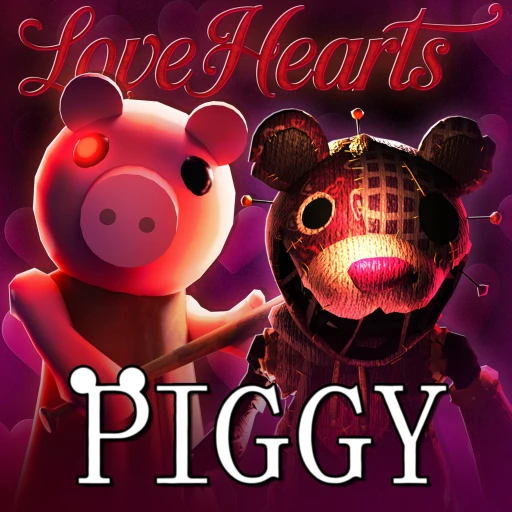
Roblox horror has two undeniable titans, and they could not be more different. Piggy — MiniToon's Bloxy Award-winning escape room survival game — has racked up over 14.1 billion visits since 2020 and turned an entire generation of players into puzzle-solving, key-hunting survivors. DOORS — LSPLASH's procedurally generated hotel crawler — has amassed 7.2 billion visits since 2022 and redefined what atmospheric horror looks like on the platform. Both are free. Both are massive. And both will have you second-guessing every corner you turn.
But they deliver horror in fundamentally different ways. Piggy gives you a map, a set of puzzles, and a terrifying pig chasing you while you try to solve them under pressure. DOORS drops you into a dark hotel with no map, no predetermined layout, and a roster of entities that each require specific knowledge to survive. One is structured and strategic. The other is unpredictable and suffocating. This comparison breaks down every major category so you can figure out which one fits your playstyle — or whether you should just play both.
Table of Contents
- Quick Stats Comparison
- Gameplay — Escape Room vs Procedural Horror
- Scare Factor and Atmosphere
- Progression Systems
- Player Counts and Community
- Game Passes and Monetization
- Social and Multiplayer Features
- Replay Value
- Earning Free Robux While You Play
- Head-to-Head Verdict
- Who Should Play What?
- Frequently Asked Questions
Piggy vs DOORS — Quick Stats (2026)
| Category | Piggy | DOORS |
|---|---|---|
| Genre | Horror / Survival / Escape Room | Horror / Exploration Survival |
| Place ID | 4623386862 | 6516141723 |
| Developer | MiniToon | LSPLASH |
| Total Visits | 14.1B+ | 7.2B+ |
| Rating | 90.2% | 92.9% |
| Max Players/Server | 6 | Up to 50 (co-op) |
| Core Loop | Solve puzzles, find keys, escape Piggy | Explore rooms, learn entities, survive |
| Perspective | Third-person | First-person |
| Session Length | 5–10 minutes per round | 15–30 minutes per run |
| Scare Style | Chase tension / time pressure | Jump scares / atmospheric dread |
| Content Structure | Story chapters + Build Mode | Procedural floors + entity roster |
| Key Feature | Build Mode (custom maps) | Procedural generation |
| Awards | Game of the Year (8th Bloxy Awards) | Multiple community awards |
| Mobile-Friendly | Yes | Yes |
| Free-to-Play | Yes | Yes |
Gameplay — Escape Room Puzzles vs Procedural Horror
Piggy
Piggy's core gameplay is deceptively straightforward but deeply satisfying. You spawn into one of many themed maps — a house, a hospital, a city, a carnival — and your job is to find items, solve environmental puzzles, locate keys, and escape before the Piggy catches you. Every map has a specific sequence of steps: find the wrench to open the vent, grab the blue key from the locked cabinet, use the plank to cross the gap, and so on. Once you learn a map's solution, execution under pressure becomes the real challenge.
The social deduction element sets Piggy apart from most Roblox horror games. In standard mode, one player takes on the role of Piggy and hunts the others. This transforms every round into a tense cat-and-mouse dynamic where the human players must balance puzzle-solving speed with survival awareness. The Piggy player is actively thinking, adapting, and predicting where survivors will go next. It is not just AI chasing you — it is another person making real-time decisions about how to cut off your escape routes.
The story mode is surprisingly deep for a Roblox game. Piggy features multiple books (seasons) with interconnected chapters that tell the story of an infection spreading through a cartoon animal world. Characters like Zizzy, Pony, Mimi, and Billy have actual narrative arcs and emotional moments. This gives the game a sense of purpose beyond individual rounds — you are progressing through a story while mastering each map's puzzle layout. The narrative has spawned a massive fan community that creates art, theories, and animations based on the Piggy lore.
Rounds are quick, typically five to ten minutes, which makes Piggy ideal for short play sessions. You can jump in, play two or three rounds, and log off feeling like you accomplished something. The learning curve is gentle — new players can contribute to a team by finding items even if they do not know the full escape route yet. But mastering every map's optimal path, learning to juke the Piggy player, and timing your movements perfectly takes genuine skill development over many hours.
DOORS
DOORS takes an entirely different approach. You enter a mysterious hotel and begin walking through a sequence of procedurally generated rooms. There is no predetermined map to memorize because the layout changes every run. Rooms are dark, cramped, and filled with furniture you must search for useful items like lockpicks, vitamins, and flashlight batteries. The deeper you go, the more dangerous things become.
The entity system is what makes DOORS special. Every entity in the game has specific behaviors that you must learn to survive. Rush charges through multiple rooms in rapid succession — you hear the lights flicker and the distant rumbling, and you have seconds to dive into a closet or under a bed before it arrives. Screech whispers from the darkness behind you, and you must turn around and look at it before it attacks. Figure is a blind creature that hunts by sound, forcing you to crouch and move silently through its rooms. Ambush bounces back and forth through a sequence of rooms, requiring you to hide multiple times in quick succession. Eyes float in rooms and damage you if you look directly at them. Seek chases you through flooding hallways in a parkour sequence. Each encounter is its own mini-puzzle, and death is how you learn the solutions.
The procedural generation keeps DOORS fresh in a way that handcrafted maps simply cannot match. Room layouts, entity spawns, item placements, and environmental details all shuffle between runs. A full successful run through Floor 1 or Floor 2 takes fifteen to thirty minutes, and reaching the final door is a genuine accomplishment that requires knowledge, composure, and quick reflexes. The game rewards patience and observation above all else — rushing through rooms without checking for threats is a guaranteed way to die.
Edge: Piggy for accessibility, social deduction gameplay, and narrative depth. DOORS for mechanical complexity, entity variety, and the thrill of procedurally generated unpredictability. Piggy is the game you play to solve puzzles with friends. DOORS is the game you play to test your survival instincts against the unknown.
Scare Factor and Atmosphere
Piggy
Piggy creates tension through a combination of time pressure and situational awareness rather than traditional horror atmosphere. You know the Piggy is somewhere on the map. You know it is coming for you. The question is whether you can solve the puzzle fast enough to escape before it catches you. That countdown-style pressure generates real anxiety, especially when you are one key away from the exit and you hear footsteps closing in.
The art style is intentionally cartoonish. Characters are colorful, round, and stylized — think Peppa Pig meets a survival horror game. This design choice makes Piggy approachable for a wider audience while still delivering genuine scare moments. Getting cornered in a dead-end hallway by the Piggy player is frightening regardless of whether the character model looks cute. The gap between the friendly aesthetic and the hostile gameplay creates an unsettling contrast that works surprisingly well.
Sound design in Piggy is effective but straightforward. Footstep sounds alert you to nearby threats, and the ambient music shifts based on proximity to danger. The sound cues are clear and functional — they tell you when to run rather than building a persistent mood of dread. Jump scares exist but are relatively mild compared to dedicated horror experiences. The game leans more toward suspense than shock, which is part of why it appeals to such a broad age range.
DOORS
DOORS is a masterclass in atmospheric horror within Roblox. The first-person perspective immediately places you inside the experience rather than observing it from a distance. You can only see what is directly ahead of you, which means threats lurk in your peripheral vision and behind every corner. The hotel is perpetually dark, with flickering lights and narrow corridors that create a claustrophobic, oppressive environment from the first room to the last.
Every audio cue in DOORS carries meaning, and learning to read those cues is essential for survival. The distant rumbling of Rush building speed, the quiet whisper of Screech appearing behind you, the heavy footsteps of Figure stalking through a library — these sounds are not just atmosphere, they are survival information. Players who turn up headphones and listen carefully survive dramatically longer than those who play casually. The sound design is so integral to the experience that playing DOORS without audio is effectively playing with a handicap.
The jump scares in DOORS are earned rather than cheap. Every scare comes from an entity with predictable-but-terrifying behavior. You know Rush is coming because the lights flicker. You know Figure is dangerous because you can hear it breathing. The anticipation of the scare is often worse than the scare itself, which is the hallmark of well-crafted horror. Even experienced players who have survived hundreds of runs still flinch during unexpected Ambush encounters because the audio-visual intensity never diminishes.
Edge: DOORS by a significant margin for pure horror atmosphere, sound design, and scare delivery. Piggy creates meaningful tension through gameplay pressure, but DOORS creates genuine fear through environmental design and entity encounters. If you want to be scared, DOORS is the clear choice.
Progression Systems
Piggy
Piggy offers a structured progression system built around its story mode. Each chapter is a new map with new puzzles, new characters, and new narrative developments. Completing chapters unlocks the next one, giving you a clear path forward and a sense of accomplishment with each victory. The story spans multiple books, and completing the full narrative requires mastering dozens of unique maps — each with its own puzzle sequence and layout.
Beyond story mode, Piggy tracks player statistics including wins, escapes, and Piggy eliminations. Tokens earned during gameplay can be spent on character skins and cosmetic items. The token economy is generous enough that free players can unlock a meaningful amount of content through regular play, while the x2 Tokens game pass (300 Robux) doubles the earning rate for players who want to accelerate their collection.
The Build Mode adds an entirely unique progression dimension. Players can design and share their own Piggy maps, complete with custom puzzle sequences, item placements, and environmental designs. Dedicated builders invest hundreds of hours into creating elaborate custom maps that other players can experience. This creative progression track is something DOORS simply does not have — it turns players from consumers into creators and extends the game's content far beyond what the developer alone could produce.
DOORS
DOORS progression is almost entirely knowledge-based. The game tracks your highest door reached, total runs completed, and entity encounters survived. But the numbers only reflect what matters — your understanding of how the game works. A player who consistently reaches Door 80 has not unlocked any special abilities or stat boosts. They have simply internalized every entity behavior, learned to search rooms efficiently, and developed the reflexes to respond to threats under pressure.
Badges and achievements mark milestones. Reaching specific door thresholds, surviving particular entity encounters, and discovering hidden secrets all award recognition that serves as a permanent record of your accomplishments. Cosmetic items like flashlight skins provide visual variety without affecting gameplay. The Floor 2 content update added an entirely new set of entities and room mechanics, effectively doubling the game's depth and giving veteran players fresh challenges to overcome.
The beauty of DOORS progression is its purity. There is no power creep, no level advantage, no pay-to-win mechanic. Every player enters every run on equal footing. The only thing separating a newcomer from a veteran is knowledge and skill, which makes improvement feel genuinely earned. When you finally complete a full run without dying, you know it happened because you got better — not because you ground out a stat boost.
Edge: Piggy for content variety and the creative outlet of Build Mode. DOORS for the satisfaction of pure skill-based progression where improvement is measured entirely by what you know and how you respond.
Player Counts and Community (July 2026)
Piggy stands as one of the most-visited games in Roblox history with 14.1 billion total visits and a 90.2% positive rating. Launching in early 2020 during the height of the pandemic, Piggy benefited from perfect timing and a concept that resonated with players of all ages. The game won Game of the Year at the 8th Bloxy Awards, cementing its status as a cultural touchstone in the Roblox community. Its community extends far beyond the game itself — Piggy fan art, animations, and merchandise are everywhere. Content creators have built entire channels around Piggy gameplay, lore analysis, and map walkthroughs.
DOORS has accumulated 7.2 billion visits since August 2022 and holds a 92.9% positive rating — one of the highest among major Roblox games. Despite launching two years after Piggy, DOORS has grown at a remarkable pace and shows no signs of slowing down. Its community is deeply invested in understanding every mechanical nuance of the game. Entity behavior guides, speedrun strategies, and lore theories fill YouTube, Discord, and Reddit. The DOORS community treats the game as something to be studied, dissected, and mastered — a stark contrast to the broader, more casual Piggy community.
Both developers maintain strong communication with their player bases. MiniToon releases new Piggy chapters and updates that advance the story and add new content. LSPLASH delivers less frequent but more substantial updates to DOORS that introduce entire new floors with fresh entity rosters and mechanics. Both games benefit from passionate fan communities that create supplementary content, fan games, and endless discussion about their respective titles.
The demographics tell an interesting story. Piggy's audience skews slightly younger and broader, thanks to its approachable art style and the social deduction mechanics that appeal to casual players. DOORS attracts an audience that skews slightly older and more dedicated, drawn to its challenging mechanics and atmospheric depth. There is significant overlap — many players enjoy both games — but the core communities have distinct personalities.
Edge: Piggy for raw popularity and cultural impact with nearly double the total visits. DOORS for the higher player rating and a community known for deeper engagement with the game's mechanics and systems.
Game Passes and Monetization
Piggy
Piggy offers a focused set of game passes that enhance the experience without breaking gameplay balance:
- x2 Tokens — 300 Robux: Doubles the tokens you earn per round, accelerating cosmetic unlocks and skin collection. This is the most popular pass because it directly speeds up progression toward items you want.
- x2 Piggy Chance — 150 Robux: Doubles your odds of being selected as the Piggy in standard mode. If you enjoy the hunter role more than the survivor role, this pass lets you play your preferred style more often.
- Abilities Slot — 500 Robux: Unlocks an additional ability slot, giving you more flexibility during rounds. This is the most gameplay-impactful pass in Piggy's lineup.
- Build Map Slots — 100 Robux each: Adds additional slots for saving custom maps in Build Mode. Essential for dedicated builders who want to maintain multiple projects simultaneously.
The total investment to buy every pass is modest by Roblox standards, and the most impactful pass — Abilities Slot at 500 Robux — is a one-time purchase that provides permanent value. Free players are never locked out of any core content, maps, or story chapters. The monetization respects players who choose not to spend while rewarding those who do with convenience and quality-of-life improvements.
DOORS
DOORS monetizes through revive tokens, cosmetic items, and supplementary purchases. Revive tokens allow you to continue a run after dying, which is particularly useful during the learning phase when you are still figuring out entity behaviors. Experienced players rarely need revives because they know how to handle every threat, which means the monetization naturally becomes less relevant as you improve. Cosmetic items including flashlight skins, visual effects, and character accessories provide ways to personalize your experience without any gameplay impact.
The DOORS approach to monetization is minimal and unobtrusive. There are no loot boxes, no randomized mechanics, and no timed offers designed to create urgency. The game never interrupts your run with purchase prompts or gates content behind paywalls. Every entity, every room type, every floor, and every mechanic is fully accessible to players who never spend a single Robux. The restraint in monetization is one reason DOORS maintains such a high player rating — the community trusts the developer to prioritize the game experience over revenue extraction.
Edge: Tie. Both games handle monetization responsibly. Piggy's passes are affordable and focused on convenience rather than power. DOORS' monetization is minimalist and becomes less relevant as you improve. Neither game feels predatory, and both deliver their complete experiences to free players without compromise.
Social and Multiplayer Features
Piggy
Piggy is built around social interaction from the ground up. The standard game mode requires one player to become the Piggy and hunt others — this asymmetric multiplayer format creates natural social dynamics that are hilarious, tense, and memorable in equal measure. Playing with friends means someone you know is actively hunting you, which adds a personal stakes layer that AI-controlled enemies cannot replicate. The six-player server limit keeps games intimate enough that every player's actions matter.
The social deduction elements shine in group settings. Communication becomes a tool — warning teammates about the Piggy's location, coordinating puzzle-solving across different areas of the map, and debating the best escape route all happen organically during rounds. Post-round discussions about what went wrong, who got caught, and what could have gone better are a natural part of the Piggy experience. The game generates stories that groups retell for weeks.
Build Mode extends the social dimension even further. Players can create maps and share them with friends or the broader community, turning Piggy into a platform for collaborative creativity. Building a custom map and watching other players try to solve it — or fail spectacularly — is a social experience that goes beyond traditional multiplayer gaming. The builder community within Piggy has its own culture, standards, and shared knowledge base that new builders can tap into.
DOORS
DOORS co-op mode transforms the solo survival horror experience into a shared ordeal where every player's decisions affect the group. Running the hotel with a team means someone can scout ahead while others search rooms for supplies. One player might specialize in listening for audio cues while another focuses on item management. Because most co-op runs are tackled in small friend groups, losing even one teammate significantly impacts your survival odds.
The high-stakes nature of co-op DOORS creates some of the most memorable multiplayer moments on Roblox. When Rush charges through and one player fails to hide in time, the entire group feels the consequences. When someone spots Eyes and warns the team to look away just in time, the relief is collective. These shared moments of terror, failure, and triumph are what make DOORS one of the most talked-about cooperative experiences on the platform. Friends who run DOORS together build a shared vocabulary of entity names, survival strategies, and inside jokes about past deaths.
The DOORS community is exceptionally collaborative in sharing knowledge. Wikis, video guides, Discord servers, and forum threads dedicated to entity behavior and room strategies make it easy for new players to learn. Veteran players frequently join public lobbies to help newcomers, explaining entity behaviors in real-time during runs. This culture of mentorship is rare in gaming and speaks to the quality of the community that DOORS has cultivated.
Edge: Piggy for the social deduction gameplay that makes every round a unique social experience, plus Build Mode as a creative social platform. DOORS for the intensity of cooperative survival where every teammate's actions carry real weight.
Replay Value — Will You Still Be Playing in Six Months?
Piggy
Piggy's replay value comes from three distinct sources: the story mode catalog, the player-vs-player dynamics, and Build Mode. The story mode spans multiple books with dozens of chapters, each featuring unique maps and puzzles. Completionists have a substantial amount of content to work through, and mastering the optimal escape route for every map is a long-term goal that rewards dedicated play.
The PvP element ensures that no two rounds play out identically. Even on maps you have memorized completely, the human-controlled Piggy introduces unpredictability. A skilled Piggy player will adapt to survivor patterns, cut off common escape routes, and set traps that force you to improvise. This dynamic makes Piggy endlessly replayable in the same way that any competitive multiplayer game stays fresh — the opposition is always learning, which means you must keep learning too.
Build Mode is the long-term content engine that keeps Piggy relevant years after launch. Player-created maps represent an essentially infinite supply of new content. The best community maps rival official chapters in quality and complexity, and new creations appear constantly. If you ever feel like you have seen everything Piggy has to offer, Build Mode will prove you wrong. The creative tools give players a reason to engage with Piggy even when they are not actively playing rounds — designing, testing, and refining custom maps is a game within the game.
DOORS
DOORS has exceptional replay value built into its core design. Procedural generation means that every single run through the hotel presents a different configuration of rooms, entities, and items. You can play a thousand runs and never encounter the exact same sequence twice. This fundamental unpredictability keeps the experience fresh in a way that handcrafted content struggles to match. The tension of not knowing what is behind the next door never fully diminishes because the answer is always genuinely uncertain.
The depth of entity interactions provides another layer of replay value. With 20-plus entities across Floor 1 and Floor 2, each with unique behaviors and counters, there is always something new to learn or a skill to refine. Multi-entity encounters — where Rush and Screech overlap, or where Figure appears in a room with Eyes — create complex survival scenarios that test the limits of your knowledge and reflexes. Mastering every possible combination takes hundreds of hours.
Major content updates from LSPLASH periodically reinvent the game. New floors introduce entirely new entity rosters and environmental mechanics that reset the learning curve for everyone. These updates generate massive community engagement as players collectively discover and document new threats. The speedrunning community provides yet another axis of replayability, with players competing to complete runs in the fastest possible time using optimized routes and techniques.
Edge: Piggy for Build Mode as a creative platform that produces infinite user-generated content. DOORS for procedural generation that keeps every individual run fresh and unpredictable. Both games have proven multi-year staying power that shows no signs of fading.
Earning Free Robux While You Play
If you use Earnaldo to earn free Robux, both Piggy and DOORS offer natural windows for multitasking. Piggy's shorter round format means you cycle between games and Earnaldo tasks more frequently, and the lobby time between rounds provides consistent breaks to check available tasks. DOORS has lobby downtime between runs where you can complete Earnaldo tasks, though the longer run format means fewer natural break points during active gameplay.
Earnaldo is a legitimate platform where you complete simple tasks — surveys, app installs, and offers — and withdraw real Robux to your account. There are no generators, no hacks, and no risk to your Roblox account. The Robux you earn can go toward game passes in either Piggy or DOORS, letting you enhance your experience in whichever game you prefer without spending your own money.
For game-specific strategies on maximizing your Robux earnings, check out our dedicated guides:
- Piggy free Robux guide — how to earn while playing Piggy
- DOORS free Robux guide — how to earn while playing DOORS
- Piggy codes — latest active codes for free rewards
- DOORS codes — latest active codes for free items
Earn Free Robux for Piggy or DOORS
Complete simple tasks on Earnaldo and withdraw real Robux — no downloads, no generators, no scams. Use your earnings to buy game passes in either game.
Head-to-Head Verdict — Piggy vs DOORS in 2026
The Verdict
Choose Piggy if you want a social horror experience with structured puzzles, a compelling narrative, and the creative freedom of Build Mode. Piggy excels at delivering quick, replayable rounds where human opponents keep things unpredictable, and its story mode gives you a clear sense of purpose and progression. With 14.1 billion visits and a Bloxy Award to its name, Piggy has earned its place as one of the most important Roblox games ever made. It is the horror game for players who want puzzles, competition, and creativity in one package.
Choose DOORS if you want pure atmospheric horror that tests your knowledge, reflexes, and nerve. DOORS delivers a more intense scare experience through its first-person perspective, procedurally generated rooms, and entity roster that demands genuine mastery. The 92.9% rating reflects a game that is mechanically tight, consistently terrifying, and deeply rewarding for players willing to invest the time to learn its systems. It is the horror game for players who want to be genuinely frightened and measured by their skill alone.
Overall: These are two of the best horror games on Roblox, and they serve different appetites. Piggy is escape room horror — social, strategic, and creative. DOORS is survival horror — atmospheric, knowledge-driven, and relentless. Most players will find room for both in their rotation because they scratch completely different itches. If you lean toward competitive social gameplay with friends and creative expression, Piggy is your game. If you lean toward solo or co-op survival challenges with deep mechanical systems, DOORS is your game. There is no wrong answer — only different flavors of fear. Either way, you can earn free Robux on Earnaldo to grab game passes in whichever title you choose.
Who Should Play What?
- You want structured puzzles: Piggy. Every map has a specific solution to learn and execute under pressure.
- You want atmospheric horror: DOORS. The first-person perspective and sound design create genuine dread that stays with you.
- You have short play sessions: Piggy. Five-to-ten-minute rounds fit into any schedule without commitment.
- You want meaningful co-op: DOORS. Every teammate's actions affect the group outcome in tangible ways.
- You enjoy competitive social gameplay: Piggy. Playing as the Piggy and hunting your friends never gets old.
- You enjoy mastering complex systems: DOORS. Learning 20-plus entity behaviors and their counters is a deep, rewarding challenge.
- You want to create content: Piggy. Build Mode lets you design, share, and play custom maps.
- You want maximum replay unpredictability: DOORS. Procedural generation means no two runs are ever identical.
- You are younger or new to horror: Piggy. The cartoon art style and approachable mechanics ease you into the genre.
- You want the highest-rated experience: DOORS. Its 92.9% rating is among the best on the entire platform.
- You want to earn Robux while playing: Both work with Earnaldo, but Piggy's shorter rounds offer more frequent natural breaks for completing tasks.
Frequently Asked Questions
Piggy leads significantly in total visits with over 14.1 billion compared to DOORS' 7.2 billion. However, Piggy launched in early 2020 while DOORS arrived in August 2022, giving Piggy a substantial head start. Both games maintain massive active player bases and show no signs of slowing down. DOORS holds a slightly higher player rating at 92.9% compared to Piggy's 90.2%. In terms of raw numbers Piggy wins, but both are firmly top-tier Roblox horror games.
DOORS is generally considered the scarier experience. Its first-person perspective, dark procedurally generated rooms, entity jump scares, and oppressive atmosphere create genuine dread that builds throughout each run. Piggy delivers tension through time pressure and the threat of being caught while solving puzzles, but its cartoon art style and third-person camera soften the horror element. Younger players who find DOORS too intense often prefer Piggy's more approachable brand of horror, which is still tense without being overwhelming.
Yes, both games fully support multiplayer. Piggy allows up to 6 players per server in a social deduction format where one player becomes the Piggy and hunts the others, creating a competitive dynamic that is at its best with a group of friends. DOORS supports co-op runs through the hotel where teammates share items, warn each other about incoming entities, and experience scares together. Both games are significantly more enjoyable with a group, though they deliver different kinds of multiplayer experiences.
Both games offer strong replay value through different approaches. Piggy provides replay value through its large story mode catalog, the unpredictability of human-controlled Piggy opponents, and Build Mode which lets players create and share custom maps for essentially infinite content. DOORS relies on procedural generation to shuffle room layouts, entity spawns, and item placements every single run, ensuring no two attempts are identical. Piggy wins on creative tools and content breadth, while DOORS wins on run-to-run unpredictability and mechanical depth.
Piggy is generally more accessible for younger and newer players. Its cartoon art style, familiar escape room mechanics, and shorter round times make it approachable for a wide age range. The social deduction element where a player becomes Piggy adds a fun competitive twist that younger audiences enjoy without being too complex. DOORS has a steeper learning curve and delivers more intense scares through its first-person perspective and entity encounters that can be overwhelming for younger players. That said, both games are appropriate for Roblox's general audience.
No, both games are completely free to play. Piggy offers optional game passes like x2 Tokens (300 Robux), x2 Piggy Chance (150 Robux), Abilities Slot (500 Robux), and Build Map Slots (100 Robux each) that provide convenience and customization. DOORS sells revive tokens and cosmetic items like flashlight skins. Neither game locks core content behind a paywall, and free players can fully experience everything both games have to offer. You can also earn free Robux on Earnaldo to buy game passes in either title.