Racket Rivals vs Blade Ball (2026) — Which Roblox Game Is Better?
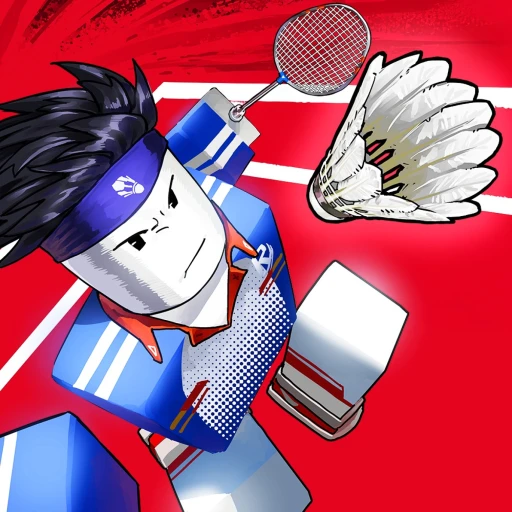
Racket Rivals and Blade Ball share one thing in common: a ball is flying at you, and you need to deal with it. That's roughly where the similarities end. Racket Rivals by Small World Games is a 3v3 racket sports game built around teamwork, court positioning, and special abilities. Blade Ball by Wiggity is a last-player-standing deflection game where a homing ball targets players one at a time and you need razor-sharp reflexes to survive. Both games revolve around timing and precision, but the way they deliver that core tension is wildly different.
Racket Rivals launched in June 2025 and has already pulled in over 381 million visits with a 95.5% approval rating — numbers that signal a game on the rise. Blade Ball has been a Roblox juggernaut for longer, crossing 5 billion visits and consistently ranking among the platform's most-played experiences. This comparison breaks down both games across gameplay, progression, graphics, community, monetization, and replay value so you can figure out which one deserves your time in 2026.
Racket Rivals vs Blade Ball — Quick Stats (2026)
| Category | Racket Rivals | Blade Ball |
|---|---|---|
| Genre | 3v3 Racket Sports | Deflect-the-Ball Combat |
| Place ID | 90906407195271 | 13772394625 |
| Developer | Small World Games | Wiggity |
| Concurrent Players | ~15K | High (often 50K–100K+ peak) |
| Total Visits | 381M+ | 5B+ |
| Approval Rating | 95.5% | ~90% |
| Core Loop | Win 3v3 matches, unlock abilities | Deflect ball, outlast opponents |
| Key Features | Team play, abilities, courts | Abilities, awakenings, skins |
| Launch Date | June 2025 | 2023 |
| Mobile-Friendly | Yes | Yes |
| Free-to-Play | Yes | Yes |
Gameplay — What Do You Actually Do?
Racket Rivals
Racket Rivals puts you on a team of three and hands you a racket. Matches play out on themed courts where your squad faces off against another trio in fast-paced rallies. The ball physics feel responsive and grounded — you can aim shots to different zones of the court, control power and placement, and set up your teammates for devastating finishing smashes. The rhythm of a well-coordinated rally, where all three players rotate coverage and exploit gaps, is genuinely satisfying once your team gets in sync.
What separates Racket Rivals from a standard sports game is the ability system. Each player selects abilities before a match that add a strategic layer on top of the athletic fundamentals. Some abilities boost your shot speed for a limited time, others create area-denial effects on the opponent's side of the court, and a few focus on defensive plays like extended reach or a temporary shield. Picking the right combination of abilities across your three-player squad creates a team composition meta that rewards experimentation and communication. You can read more about getting the most out of the game on our Racket Rivals codes page.
The court variety keeps things from getting stale. Different arenas introduce environmental twists — modified court dimensions, unique obstacles, and visual themes that affect how rallies play out. A match on a compact court rewards aggressive net play, while a wider court favors players who can hit precise cross-court angles. Learning the nuances of each court adds a layer of map knowledge that experienced players leverage heavily in ranked play.
Blade Ball
Blade Ball drops you into an arena with a group of other players and one glowing ball that wants someone eliminated. The ball homes in on a target, accelerating as the round progresses, and that player must deflect it at the right moment to redirect it toward someone else. Miss the timing and you're out. Last player standing wins the round. It's a deceptively straightforward premise that creates incredible tension — especially in the final moments of a round when the ball is moving at blistering speed and only two or three players remain.
The deflection mechanic is the entire foundation, and Wiggity built it well. Hitting the deflect button too early does nothing. Hitting it too late means you take the hit. The window shrinks as the ball speeds up, which means every round naturally escalates in difficulty. Experienced players develop a sense for the timing that borders on instinctive, and watching high-level Blade Ball play is genuinely impressive. The ball's trajectory shifts after each deflect, creating these chaotic arcs that keep every player on edge even when they're not the active target.
Abilities and awakenings add depth beyond the core deflect loop. Abilities like Dash, Phase, and Forcefield give you tools to reposition, avoid hits, or manipulate the ball's behavior. Awakenings are more powerful upgrades that transform your playstyle — some let you control the ball's path after deflecting, others provide passive advantages like increased deflection range. The ability meta has shifted multiple times since launch, and the current state of things in early 2026 keeps the strategic layer alive. Check our Blade Ball codes page for the latest freebies to help you unlock abilities faster.
Progression — How Quickly Does It Hook You?
Racket Rivals hooks you through its match-to-match loop. Your first game teaches you the basics — swing, aim, score — and the ability system introduces itself gradually as you level up and unlock new options. Within your first hour, you'll have a handful of abilities to experiment with and a feel for how 3v3 coordination works. The progression system rewards consistent play with new abilities, cosmetic unlocks, and access to additional courts. There's a ranked mode for players who want to measure their improvement with a visible number, and climbing the ranks provides clear short-term and long-term goals.
Blade Ball's hook is even faster. Your first round takes about 60 seconds, and by the end of it you either survived or you didn't. That instant feedback loop is addictive. You can lose five rounds in a row and still queue up for a sixth because you know the core skill — timing the deflect — is something you're actively getting better at. Progression revolves around earning currency to purchase abilities and skins, with awakenings serving as longer-term power goals. Seasonal events and limited-time abilities create urgency to play during specific windows.
The difference between these games' progression styles is structural. Racket Rivals gives you goals tied to team improvement and strategic depth — unlocking abilities that change how your whole squad plays, climbing ranked tiers, mastering different court layouts. Blade Ball gives you goals tied to personal mastery and collection — getting faster at deflections, unlocking the next ability, earning enough for a rare skin. Both systems work, but they scratch different itches.
Edge: Blade Ball, for the speed of its hook. The instant round-to-round loop gets players invested within their first five minutes. Racket Rivals' deeper progression system pays off over time, but Blade Ball's immediate feedback cycle is harder to put down during those first few sessions.
Graphics and Audio
Racket Rivals goes for a clean, polished sports aesthetic. The courts are colorful and well-designed, with distinct themes that give each arena its own personality. Character models are sharp and readable during fast rallies, which matters when you need to track three opponents and two teammates simultaneously. The ball effects during powered-up shots and ability activations add visual flair without cluttering the screen — a balance that many Roblox games struggle with. Sound design supports the gameplay well, with satisfying racket impact sounds and crowd reactions that scale with the intensity of a rally.
Blade Ball leans into a flashier, more stylized visual language. The arenas are built for spectacle — neon-lit platforms, floating islands, and themed environments that shift with seasonal updates. The ball itself is the visual centerpiece, glowing and leaving trails as it accelerates through the arena. Ability effects are bold and eye-catching, especially the awakening transformations that make your character visually distinct when you activate a powerful ability. The audio design amplifies the tension with escalating sound cues as the ball speeds up, and the satisfying "clang" of a successful deflect provides the kind of sensory reward that makes you want to hit it again.
Both games perform well on lower-end devices, which matters for a Roblox audience that plays across PC, mobile, and tablet. Racket Rivals maintains stable frame rates during intense 3v3 rallies, and Blade Ball handles large lobbies without significant performance drops. Neither game pushes Roblox's rendering limits in a way that locks out players on older hardware.
Edge: Blade Ball, for its flashier visual presentation and the way its audio design builds tension round after round. Racket Rivals looks great and prioritizes clarity, but Blade Ball's spectacle factor gives it the visual edge in side-by-side comparison.
Player Count and Community (July 2026)
The scale difference between these two games is significant. Blade Ball crossed 5 billion visits and regularly pulls concurrent player counts that put it in Roblox's top tier. Its community is massive, with an active presence on YouTube, TikTok, and Discord. Content creators produce montages, ability tier lists, and update breakdowns that pull millions of views. The game's simple-to-understand, hard-to-master appeal makes it a strong spectator experience, which fuels a content cycle that keeps bringing players back.
Racket Rivals sits at around 15,000 concurrent players and 381 million total visits as of July 2026 — smaller numbers, but remarkable for a game that launched in June 2025. The 95.5% approval rating is one of the highest on the platform for a competitive game, which signals that the players who do show up are having a great time. The community is tighter and more engaged on a per-player basis. Discord servers for Racket Rivals tend to have active strategy discussions and team-finding channels that feel more like a competitive gaming community than a casual hangout.
Community culture reflects the games' design philosophies. Blade Ball's community is broader and more meme-driven — clips of clutch deflections and wild awakening plays spread fast on social platforms. Racket Rivals' community is more strategy-focused, with players sharing ability builds, court-specific tactics, and team composition guides. If you want viral energy, Blade Ball has it. If you want a community that helps you get better at the game, Racket Rivals delivers that in spades.
Edge: Blade Ball, for sheer community size and cultural reach. Racket Rivals has a healthier approval ratio and a more engaged core community, but Blade Ball's player base is in a different weight class entirely.
Game Passes and Monetization
Both games follow Roblox's standard free-to-play model with optional game passes and in-game purchases. Neither locks core gameplay behind a paywall, and both let free players access the full competitive experience.
Racket Rivals offers game passes that include cosmetic bundles, XP boosters for faster progression, and exclusive court themes. The pricing sits in a reasonable range — most passes fall between 100 and 500 Robux. Small World Games has been careful not to sell abilities that provide direct competitive advantages, keeping the playing field level between free and paying players. Cosmetic items like racket skins and character outfits let you stand out on the court without affecting match outcomes. Visit our Racket Rivals free Robux guide for tips on getting game passes without spending your own money.
Blade Ball monetizes through ability purchases, skin bundles, and seasonal passes. Some abilities can be bought directly with Robux, which creates a shortcut compared to grinding for the in-game currency to unlock them. This is the one area where Blade Ball catches some criticism — while the core deflect mechanic is free and identical for everyone, players who purchase abilities early get access to strategic tools that free players need to grind for. Seasonal and limited-edition skins create FOMO-driven spending opportunities, which Wiggity has leaned into with rotating shop items and event-exclusive cosmetics. Our Blade Ball free Robux guide covers how to stretch your Robux further.
Edge: Racket Rivals, for a cleaner monetization approach that avoids selling gameplay advantages. Blade Ball's model works fine and nothing is truly pay-to-win, but the ability-purchasing shortcut creates a gap between spenders and grinders that Racket Rivals avoids.
Social Features
Racket Rivals is a team game at its core, and the social features reflect that. Every match requires coordination with two other players, which naturally creates social bonds — especially in ranked play where consistent squads develop real chemistry. The game supports party systems for queuing with friends, in-game communication tools for calling shots and strategies, and a robust matchmaking system that tries to balance teams by skill level. Finding regular teammates through Discord or the in-game friend system significantly improves the experience, and the community actively helps new players find squads.
Blade Ball is primarily a solo experience. You queue into a lobby, the ball flies, and you survive or you don't. There's no team to coordinate with, which makes it a great game for solo sessions when your friends aren't online. That said, the spectator element creates a passive social layer — watching the final two players trade deflects while the ball screams across the arena at maximum speed generates shared excitement even among eliminated players. Private servers let friend groups run their own tournaments, and the ability to spectate keeps everyone engaged even after they've been knocked out.
The social dynamics are fundamentally different. Racket Rivals builds friendships through shared effort and team coordination. Blade Ball builds rivalries through direct competition and clutch moments. Both create memorable social experiences, but they appeal to different social preferences.
Replay Value
Racket Rivals generates replay value through its strategic depth. The 3v3 format means that team compositions, ability loadouts, and court selections create a massive number of possible match scenarios. A ranked ladder gives competitive players a reason to keep grinding, and the meta shifts whenever Small World Games adjusts ability balance or adds new content. Players who get invested in the competitive scene find themselves theorycrafting builds, reviewing matches, and coordinating practice sessions with their team — the kind of engagement loop that sustains games for years.
Blade Ball's replay value comes from its adrenaline loop and its collection systems. The round-to-round format means you can play for five minutes or five hours — each round is a self-contained experience with a clear win or loss. The ability and awakening unlock tree gives long-term players something to work toward, and seasonal updates introduce new content that refreshes the meta regularly. Limited-time events and exclusive skins create additional reasons to log in during specific windows. The game also benefits from Roblox's social discovery — it's easy to drop into a Blade Ball lobby when you have ten minutes to kill between other activities.
Both games avoid the content drought problem that kills many Roblox titles. Racket Rivals keeps adding courts, abilities, and competitive features. Blade Ball keeps adding abilities, awakenings, and seasonal content. The difference is that Racket Rivals asks for longer session commitments (a full match takes several minutes), while Blade Ball works in shorter bursts. Your schedule and play style should factor into which game gets your time. If you want a game you can grind in long sessions with friends, Racket Rivals has the depth. If you want something you can hop into anytime for a quick adrenaline rush, Blade Ball is hard to beat.
Earning Free Robux for Game Passes
Whether you're after ability unlocks in Blade Ball or cosmetic gear in Racket Rivals, extra Robux opens up options that free play alone doesn't. You can also check out our Knockout free Robux guide if you're into other competitive Roblox games.
Earn Free Robux for Racket Rivals or Blade Ball
Want more Robux for game passes and in-game items? Earnaldo lets you earn free Robux by completing simple tasks — no generators, no scams, just real rewards sent to your account.
Head-to-Head Verdict — Racket Rivals vs Blade Ball in 2026
The Verdict
Choose Racket Rivals if you want a team-based competitive experience with strategic depth, ability builds, and the satisfaction of climbing ranked tiers with a coordinated squad. It's the right call for players who enjoy sports games, team coordination, and a community that actively helps you improve. The 95.5% approval rating isn't a fluke — the game delivers on its promise.
Choose Blade Ball if you want pure adrenaline in short bursts, a massive active community, and a game that tests your reflexes every single round. It's the pick for solo players, content creators chasing viral clips, and anyone who wants a game they can jump into for five minutes and walk away satisfied. Five billion visits prove the formula works.
Overall: These games occupy different slots in your Roblox rotation rather than competing for the same one. Blade Ball is the quick-hit reflex game you play between sessions of other things. Racket Rivals is the team game you schedule time for with friends. Blade Ball wins on accessibility, spectacle, and raw popularity. Racket Rivals wins on strategic depth, team play, and monetization fairness. The best answer for most players is to keep both in your favorites and play whichever fits the mood.
Who Should Play What?
- You love team-based competition: Racket Rivals, because the 3v3 format with ability builds creates a team experience that rewards coordination and communication.
- You want fast solo action: Blade Ball, because you can queue alone, play a round in under a minute, and get the same adrenaline rush every time.
- You enjoy strategy and theory-crafting: Racket Rivals, because the ability combinations and court-specific tactics create a meta game that rewards players who think between matches.
- You chase highlights and viral moments: Blade Ball, because clutch deflections at maximum speed are some of the most shareable clips on Roblox.
- You play mostly on mobile: Blade Ball, because tap-to-deflect translates well to touchscreen. Racket Rivals works on mobile but benefits from the precision of a keyboard and mouse.
- You want to earn Robux: Both games work with Earnaldo to help you earn free Robux for game passes and in-game items without spending your own cash.
Frequently Asked Questions
Blade Ball is significantly more popular by total visits, with over 5 billion compared to Racket Rivals' 381 million. Blade Ball also maintains higher peak concurrent player counts. However, Racket Rivals is a newer title (launched June 2025) and is growing fast with around 15,000 concurrent players and a 95.5% approval rating.
Both games have approachable basics but high skill ceilings. Racket Rivals requires learning shot placement, ability timing, and team coordination in 3v3 matches. Blade Ball demands split-second deflection timing and awareness of multiple threats. Most players find Blade Ball slightly easier to pick up since the core mechanic is straightforward, but mastering advanced techniques in either game takes serious practice.
Both games are playable on mobile through the Roblox app. Blade Ball's tap-to-deflect mechanic works well on touchscreens and many top players use mobile. Racket Rivals requires more precise directional input for shot placement and ability aiming, which can feel slightly less responsive on mobile compared to PC.
Neither game has a direct player-to-player trading system as of July 2026. Both games monetize through game passes, cosmetic items, and ability unlocks rather than tradeable inventories. Your progression and unlocks are tied to your own account.
Both games receive regular updates. Blade Ball by Wiggity has an established update cycle with new abilities, awakenings, and seasonal events rolling out consistently. Racket Rivals from Small World Games pushes frequent updates as a newer title, adding courts, abilities, and balance patches at a rapid pace to keep the growing player base engaged.
Neither game is pay-to-win. In Racket Rivals, game passes provide cosmetic benefits and convenience features, but matches are won through positioning, shot accuracy, and ability usage. Blade Ball sells abilities and cosmetics, but free players can earn abilities through gameplay and the core deflection mechanic is identical for everyone regardless of spending.