Sing It! Karaoke Battles vs Dress to Impress (2026) -- Which Roblox Game Is Better?
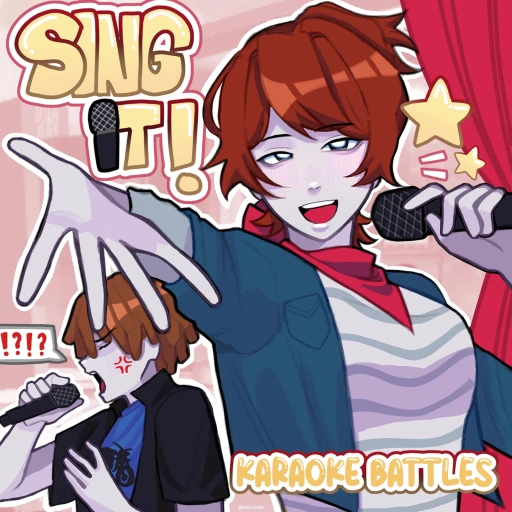
Two of the biggest social competition games on Roblox take completely different approaches to creative expression. Sing It! Karaoke Battles puts a microphone in your hand and scores your vocal performance against a catalog of over 1,500 songs. Dress to Impress hands you a massive wardrobe and a ticking clock, then lets the lobby decide whose outfit wins. One game tests your voice. The other tests your fashion sense. Both deliver fast-paced competitive experiences that reward creativity over grinding, and both pull tens of thousands of concurrent players every single day in 2026.
If you have limited time and want to know where to invest it -- belting out hits or styling outfits on the runway -- this comparison covers every angle. We break down gameplay loops, progression systems, graphics, communities, monetization, social features, and long-term replay value. By the final verdict, you will have a clear picture of which game fits your playstyle and personality.
Sing It! Karaoke Battles vs Dress to Impress -- Quick Stats (2026)
| Category | Sing It! Karaoke Battles | Dress to Impress |
|---|---|---|
| Developer | Stupid Simple Games | DTI team |
| Genre | Music / Social | Fashion / Social |
| Roblox Place ID | 15550215902 | 15101393044 |
| Total Visits | 244M+ | 4B+ |
| Concurrent Players | ~50K | ~70K |
| Core Loop | Pick a song, sing with voice recognition, earn cheers, unlock cosmetics | Dress avatar to theme, walk the runway, get voted by peers |
| Key Features | 1,500+ songs, voice recognition scoring, ranked leaderboards | Massive wardrobe, themed rounds, peer voting, seasonal events |
| Primary Input | Microphone (voice) | Touch / Mouse (selection) |
| Avg. Session Length | 15-30 min | 10-20 min |
| Game Passes | Premium (2x cheers) | VIP, 2x Money, cosmetic packs |
| Mobile-Friendly | Yes | Yes |
| Free-to-Play | Yes | Yes |
Gameplay -- How Each Game Works
Sing It! Karaoke Battles -- Voice-Powered Music Competition
Sing It! Karaoke Battles, developed by Stupid Simple Games, brings a genuinely novel mechanic to Roblox: real-time voice recognition scoring. You join a lobby, browse through a library of over 1,500 licensed and community-favorite songs spanning pop, hip-hop, rock, anime openings, and viral hits, then step up to the virtual stage and actually sing into your microphone. The game analyzes your pitch, timing, and rhythm against the original track and assigns you a performance score on the spot.
The competitive layer comes from lobbies where multiple players take turns performing. After each song, other players in the audience award cheers -- a social currency that feeds into your cosmetic progression and leaderboard standing. High scores on the voice recognition system earn you placement on ranked leaderboards, giving skilled vocalists a way to track their improvement and compete globally. The song library updates regularly with new tracks, keeping the catalog fresh and relevant to current music trends.
What makes Sing It stand apart from any other Roblox experience is that your physical skill matters. You cannot buy a better voice. You cannot grind your way to a higher pitch accuracy score. The game rewards genuine musical talent and practice in a way that almost no other title on the platform does. A brand new player with vocal training can walk into a lobby and outperform someone with a thousand hours logged, and that rawness gives the game an authentic competitive energy. For tips on maximizing your cheers and unlocking cosmetics faster, check our Sing It! Karaoke Battles free Robux guide.
The social dimension is equally strong. Lobbies function like karaoke bars where players cheer, react, and hype each other up. You can duet with friends, challenge other players to sing-offs, and build a reputation as a go-to performer in the community. The atmosphere is supportive and encouraging in most lobbies -- people tend to cheer for effort and bravery as much as technical perfection.
Dress to Impress -- Timed Fashion Competition
Dress to Impress distills the fashion competition concept into a tight, repeatable loop. Every round begins with a theme announcement -- anything from "villain era" to "Y2K nostalgia" to "enchanted forest" to "red carpet." You receive roughly five minutes to assemble a full outfit from a sprawling wardrobe of tops, bottoms, dresses, shoes, accessories, hairstyles, and makeup. When time runs out, each player walks the runway while the rest of the lobby votes on a one-to-five star scale. Scores drop, a winner is crowned, and the next round starts.
The creative pressure is what hooks people. You are battling a countdown clock, choosing from thousands of wardrobe pieces, and your finished product gets judged by real people immediately. There is no item rarity gating your options -- free players access the full core wardrobe and compete on equal terms with everyone else in the lobby. Your styling instincts, speed under pressure, and understanding of how pieces work together determine your results.
DTI has built massive cultural momentum through TikTok virality, influencer collaborations, and seasonal events that keep the wardrobe expanding. With over 4 billion visits and consistent concurrent counts around 70K, it has become one of the definitive social competition experiences on Roblox. The community creates outfit guides, theme tier lists, and runway highlight reels that generate millions of views across social platforms. For strategies on earning more in-game currency per round, see our Dress to Impress free Robux guide.
Edge: Tie. These games serve fundamentally different creative impulses. Sing It tests vocal performance and musical skill. DTI tests visual creativity and styling speed. Neither approach is objectively superior -- they reward completely different talents and appeal to different player personalities.
Progression -- What Keeps You Coming Back?
Sing It! Karaoke Battles Progression
Progression in Sing It revolves around three parallel tracks. First, there is the cheers system. Every song you perform earns cheers from the audience, and cheers serve as the primary currency for unlocking cosmetic items -- microphone skins, stage effects, avatar accessories, and performance animations that make your character stand out when you step up to sing. The Premium game pass doubles your cheer earnings, letting you accumulate cosmetics faster.
Second, the ranked leaderboard system tracks your best scores across different songs and genres. As you improve vocally and learn the timing patterns of specific tracks, your scores climb. The leaderboard gives competitive players a reason to revisit songs they have already performed, pushing for higher accuracy percentages and cleaner note streaks. This creates a skill-progression curve that mirrors rhythm games -- the better you get, the more satisfying each session becomes.
Third, there is the social reputation aspect. Players who consistently deliver strong performances build recognition within the community. Regular visitors to popular lobbies start recognizing usernames, and skilled singers attract audiences who specifically want to hear them perform. This informal reputation system does not appear in any menu, but it drives retention for many players who enjoy the social validation of being known as a strong vocalist.
The song library itself functions as content progression. With over 1,500 tracks available and new additions rolling in regularly, there is always a song you have not tried yet. Learning a new song, practicing it across a few sessions, and finally nailing a high score on it delivers a satisfying arc that self-directed players find deeply motivating.
Dress to Impress Progression
DTI takes a lighter structural approach to progression. You earn in-game currency by competing in rounds, and that currency unlocks new wardrobe items from the rotating shop. Seasonal collections appear during events, offering limited-time pieces that encourage regular play to avoid missing out. A leveling system tracks your overall playtime and round count, unlocking additional customization options as milestones are reached.
The deeper progression in DTI is skill-based and internal. After dozens of rounds, you develop an instinct for which pieces layer well together. After hundreds, you can build a cohesive outfit for nearly any theme in under three minutes. Color theory, silhouette balance, accessory coordination, and understanding what typical lobbies vote for become second nature over time. A veteran DTI player wins more consistently not because of inventory advantages but because their styling instincts are sharper and faster than a newcomer's.
Seasonal events and collaborations add periodic bursts of new content that pull players back. Limited-time wardrobe items, themed runway environments, and special event formats keep the experience from feeling stale across hundreds of rounds. The game's social media presence also creates external progression -- many players set goals around TikTok-worthy outfits and viral runway moments rather than internal game metrics.
Edge: Sing It! Karaoke Battles. The combination of skill-based score progression, ranked leaderboards, and a constantly expanding song library creates a multi-layered motivation structure. You can always get better at singing, and the game tracks that improvement clearly. DTI progression is satisfying but structurally simpler since the wardrobe expansion is its primary carrot.
Graphics and Audio
Sing It! Karaoke Battles
Sing It builds its visual identity around the performance stage. The environments are designed to evoke concert venues, karaoke bars, and music festival stages with dynamic lighting that reacts to the music and your performance quality. Stage effects intensify as you hit longer note streaks -- spotlights pulse, particle effects bloom, and the audience area lights up with visual cheers. The spectacle scales with your skill, creating a rewarding visual feedback loop that makes good performances feel genuinely electric.
Audio is obviously central to the experience. The backing tracks are high quality reproductions that give you clear reference points for pitch and timing. The game handles voice input processing in real-time without perceptible lag on most connections, which is technically impressive for a Roblox title. Sound mixing balances your voice, the backing track, and the ambient crowd reactions in a way that keeps the karaoke feel authentic without drowning out your performance.
Character customization in Sing It leans into musician aesthetics -- stage outfits, microphone skins, performance animations, and entrance effects that let you craft a performer identity. The visual language borrows from music competition shows and concert culture rather than general Roblox aesthetics, giving the game a distinct visual personality within the platform.
Dress to Impress
DTI concentrates its visual quality on character presentation and the runway experience. Clothing items feature detailed textures and proportions that lean more realistic than standard Roblox avatars. The character models are taller and more fashion-illustration-like, giving outfits a presentation quality that makes the competition feel legitimate. Professional-grade stage lighting highlights outfit details during the walk sequence, with camera angles that showcase each look from multiple perspectives.
The wardrobe browser itself is a visual experience -- clean UI design with item previews that make browsing thousands of pieces feel manageable rather than overwhelming. Lobby environments rotate with themes and seasonal events, and the runway stage transforms to match event aesthetics. The overall visual direction leans clean, modern, and fashion-forward rather than fantasy or whimsical.
Music plays a supporting role in DTI. Background tracks set mood during the dressing phase, and runway walks feature beat-matched audio that adds weight to each player's moment in the spotlight. Sound design during voting builds anticipation before scores are revealed. The audio is polished but takes a backseat to the visual fashion presentation, which makes sense given the game's core focus.
Edge: Depends on what you value. Sing It delivers a stronger audio experience with reactive stage visuals that make performing feel cinematic. DTI delivers superior character rendering and wardrobe presentation that makes fashion look its absolute best. If audio immersion matters most to you, Sing It wins. If visual character presentation matters most, DTI wins.
Player Count and Community (July 2026)
Dress to Impress commands the larger player base with approximately 70K concurrent players and over 4 billion total visits. It has been one of Roblox's top social games for over two years, propelled by influencer collaborations, TikTok virality, and consistent content updates. The community extends well beyond the game itself -- DTI outfit videos, theme guides, and runway compilations form their own content ecosystem across social platforms. The player base skews toward fashion-conscious players who enjoy creative expression and social interaction.
Sing It! Karaoke Battles holds strong at approximately 50K concurrent players with 244 million+ total visits. While smaller in raw numbers, the growth trajectory is steep. Sing It occupies a unique niche as one of the only successful voice-recognition games on Roblox, which means it faces almost no direct competition for players who want a singing experience. The community builds around shared musical interests -- players bond over song preferences, vocal techniques, and the courage it takes to perform in front of others. Social media content tends toward impressive performance clips and duet highlights.
Both communities maintain a supportive and creative atmosphere with relatively low toxicity compared to competitive action games on the platform. DTI lobbies occasionally see frustration around voting fairness, while Sing It lobbies sometimes deal with microphone spam or off-topic voice use. Both developer teams actively moderate and update community guidelines to maintain positive environments.
Edge: Dress to Impress. DTI's numbers are substantially larger across every metric. However, Sing It's unique positioning in the voice-recognition niche gives it a dedicated audience with no comparable alternative on the platform. DTI has more players, but Sing It has less competition for the players it does attract.
Game Passes and Monetization
Sing It! Karaoke Battles
Sing It keeps monetization straightforward with its core offering: the Premium game pass. This pass grants 2x cheers on every performance, effectively doubling your rate of cosmetic unlocks. Additional Robux items include exclusive microphone skins, premium stage effects, and VIP performance animations that add visual flair to your singing sessions. None of these purchases affect your actual singing score -- voice recognition evaluates your pitch and timing identically regardless of what you have bought.
The monetization philosophy here is clean separation between skill and cosmetics. A free player with a great voice will always outscore a Premium player with poor pitch. Spending money makes you look flashier on stage and unlocks cosmetics faster, but it cannot buy you talent or leaderboard placement. This approach feels fair and keeps the competitive integrity of the singing evaluation system intact.
Dress to Impress
DTI offers several monetization options. The VIP pass grants access to a VIP room and exclusive wardrobe pieces not available to free players. A 2x Money pass doubles your in-game currency earnings per round, accelerating wardrobe expansion. Various cosmetic packs in the 100-300 Robux range offer themed outfit pieces and accessories. VIP wardrobe items can provide a slight creative advantage since they expand your available options during rounds, but the core free wardrobe is extensive enough that skilled free players regularly win lobbies.
Both games handle monetization responsibly by keeping paid advantages cosmetic rather than competitive. Neither game is pay-to-win in any meaningful sense. DTI's VIP wardrobe items technically give paying players more outfit options to work with, which is a marginal competitive edge in a creativity-based game. Sing It's Premium pass has zero competitive impact since it only affects cheer earnings. Both games are genuinely enjoyable and competitive at zero cost.
Edge: Sing It! Karaoke Battles. The complete separation between spending money and competitive performance gives Sing It the cleaner monetization model. Your voice recognition score cannot be purchased. DTI is also fair, but VIP-exclusive wardrobe items do expand the creative toolkit available to paying players in a way that free players cannot access.
Social Features
Sing It! Karaoke Battles
Social interaction is woven into the core experience. The audience mechanic means other players are actively watching, reacting, and cheering while you perform. This creates a performer-audience dynamic that does not exist in most Roblox games. You are not just competing against a score threshold -- you are entertaining real people who respond in real time. Duet mode lets you perform songs together with friends or strangers, creating collaborative moments that build connections quickly.
The lobby between performances functions as a social gathering space where players discuss songs, request tracks from each other, and form impromptu vocal groups. The game attracts music enthusiasts who naturally bond over shared taste in songs and artists. Many players report forming genuine friendships through repeated encounters in favorite lobbies, with the shared vulnerability of singing in front of others creating a bonding experience that standard gameplay does not replicate.
Private rooms allow friend groups to sing together without public pressure, making the game work equally well as a social hangout and a competitive venue. The flexibility between public performance and private karaoke sessions gives players control over their level of social exposure.
Dress to Impress
DTI's social layer centers on the voting system and the shared runway experience. Every player sees every other player's outfit during the walk phase, creating communal moments of appreciation, surprise, and humor. The voting mechanic itself is a social interaction -- you are expressing opinions about other players' creative choices, and they are doing the same for yours. Post-round conversations often revolve around outfit commentary, styling tips, and reactions to unexpected theme interpretations.
Friend groups find DTI to be an excellent group activity since everyone participates simultaneously and results are immediately visible. Coordinating group themes, challenging each other to style with restrictions, and comparing scores across rounds gives friend groups structured social content without needing to organize complex team activities. The game also supports server-hopping to find fresh lobbies if your current group dissolves.
The broader DTI social ecosystem on TikTok and YouTube extends the social experience beyond the game itself. Players share outfits for community feedback, create styling tutorials, and document their best runway moments for wider audiences. The game functions as content creation material as much as it functions as a standalone game.
Edge: Sing It! Karaoke Battles. The performer-audience dynamic, duet system, and shared vulnerability of singing create deeper interpersonal connections faster. DTI has excellent social features, but the interactions tend toward judgment and scoring rather than collaboration and support. Sing It lobbies build community through encouragement in a way that feels distinctly warmer.
Replay Value and Long-Term Engagement
Sing It! Karaoke Battles
The replay value in Sing It comes from multiple sources that stack on top of each other. The song library of 1,500+ tracks means you could play for months without performing the same song twice. New additions keep the catalog current with trending music. Your own vocal skill improvement provides an internal progression curve that never truly caps out -- there is always a song you have not mastered, a higher score to chase, a leaderboard position to climb.
The social element adds unpredictable variety to every session. Different lobbies have different energy levels, different audiences react differently to different genres, and the communal atmosphere shifts based on who is present. A Tuesday evening session feels completely different from a Saturday night crowd. This human variability keeps the experience from becoming repetitive even after hundreds of hours.
Seasonal events, song pack releases, and community challenges provide periodic content injections that give players specific reasons to return. Competitive players stay for leaderboard climbing. Social players stay for the community. Casual players stay because singing is inherently fun and the song library always has something new to try.
Dress to Impress
DTI maintains replay value through the infinite variability of its theme system. Because themes change every round and the wardrobe contains thousands of pieces, the creative challenge never repeats identically. Even if you get the same theme twice, your approach will differ based on new wardrobe additions, different lobby compositions, and your own evolving taste. The ten-minute round structure makes it frictionless to play "just one more round" repeatedly.
Seasonal wardrobe updates, event themes, and collaboration content create a steady stream of reasons to check back in. The fear of missing limited-time items motivates regular play during event windows. The social media ecosystem around the game also drives engagement as players see new outfit ideas online and want to recreate or respond to them in-game.
Long-term engagement does face some ceiling. After several hundred rounds, experienced players may find that their styling instincts plateau and the competitive thrill diminishes. Without a skill curve as steep as Sing It's vocal improvement path, DTI relies more heavily on new content drops to maintain engagement over many months of play.
Edge: Sing It! Karaoke Battles. The combination of a massive and growing song library, personal skill improvement that never truly caps out, and socially unpredictable lobby dynamics gives Sing It a deeper long-term engagement loop. DTI is excellent for months of play, but Sing It's skill-based ceiling is effectively infinite since vocal improvement is a lifelong pursuit.
Mobile Experience
Both games perform well on mobile devices, but the experience differs meaningfully between them. Sing It! Karaoke Battles is arguably better on mobile than desktop because every phone already has a built-in microphone positioned right where your mouth is. There is no need to configure external hardware or adjust input settings -- you launch the game, tap a song, and start singing. The touch interface for browsing songs and navigating lobbies is clean and responsive. Mobile players face no disadvantage compared to PC players since the voice recognition system evaluates pitch and timing regardless of device.
Dress to Impress works well on mobile but requires more precision from touchscreen inputs. Browsing thousands of wardrobe items with touch controls adds slight friction compared to a mouse, particularly during the timed dressing phase when speed matters. Experienced mobile players adapt to the interface, but the five-minute timer feels tighter on a phone than on a desktop where clicking through categories is faster. Despite this, the mobile DTI community is large and active -- the game is perfectly playable on touch devices.
Edge: Sing It! Karaoke Battles. Mobile is actually the optimal platform for Sing It since phones have built-in mics positioned perfectly for singing. DTI works on mobile but the timed wardrobe browsing is slightly easier with a mouse.
Who Should Play What?
These games attract overlapping but distinct player profiles. Understanding which one you are helps clarify the right choice.
Play Sing It! Karaoke Battles if you:
- Love music and enjoy singing, even casually
- Want a game where physical skill directly determines your results
- Enjoy performing for an audience and feeding off crowd energy
- Prefer collaborative social experiences over competitive judgment
- Play primarily on mobile and want zero hardware setup
- Like rhythm games and want something that rewards practice
- Value a game where spending money cannot buy competitive advantages
Play Dress to Impress if you:
- Have a strong sense of style and enjoy fashion as creative expression
- Want quick ten-minute rounds that fit into any schedule
- Prefer visual creativity over performance-based skill
- Enjoy the pressure of timed creative challenges
- Want a game with massive community content on TikTok and YouTube
- Like games where every player starts each round on equal footing
- Prefer judging and being judged on aesthetic choices
Play both if you:
- Enjoy creative competition in general, regardless of the medium
- Want variety in your Roblox rotation without committing to grind-heavy games
- Like social games with supportive communities and low toxicity
- Prefer games where sessions are short and self-contained
Final Verdict
The Verdict: Different Games for Different Talents
Sing It! Karaoke Battles and Dress to Impress are both excellent social competition games that reward creativity over grinding. The right choice depends entirely on which type of creative expression energizes you more. If you come alive when music plays and the idea of performing for an audience excites rather than terrifies you, Sing It delivers an experience that no other Roblox game replicates. The voice recognition technology works, the song library is massive, and the social atmosphere rewards bravery and effort alongside talent. If you think in outfits rather than octaves and love the thrill of assembling a look under time pressure, DTI is the polished market leader in fashion competition with a community and content ecosystem that extends far beyond the game itself. Both games are free, both work on mobile, and both respect your time with short session structures. Try both -- your natural preference will declare itself within three rounds.
Unlock Premium and VIP Passes for Free
Earn free Robux through Earnaldo to grab the Premium pass in Sing It! Karaoke Battles or VIP access in Dress to Impress -- no real money required.
Frequently Asked Questions
Dress to Impress holds a significant lead in total visits with over 4 billion compared to Sing It! Karaoke Battles at 244 million. DTI also runs higher concurrent player counts at around 70K compared to Sing It's 50K. However, Sing It! Karaoke Battles is growing rapidly as one of the first successful voice-recognition games on Roblox, and its player base has been climbing steadily throughout 2026.
Yes. Sing It! Karaoke Battles uses voice recognition technology to score your singing performance. You need a working microphone on your device -- either a built-in phone or tablet mic, a headset mic on PC, or any external microphone. Mobile players can use their phone's built-in mic without any additional setup, making it the easiest platform to get started on.
Both games work well for short sessions. A single song in Sing It! Karaoke Battles takes three to five minutes, and a full Dress to Impress round takes about ten minutes from theme reveal to final vote. If you only have five minutes, Sing It lets you jump in and perform one song. If you have ten to fifteen minutes, DTI gives you a complete competitive round.
Yes. Both games are fully playable on mobile devices through the Roblox app on iOS and Android. Sing It! Karaoke Battles uses your phone's built-in microphone for voice recognition, which actually makes mobile the most convenient way to play. Dress to Impress works well on touchscreens with optimized controls for browsing wardrobe items and navigating the runway.
Yes. Both games are completely free to play on Roblox. Sing It! offers a Premium game pass that grants 2x cheers for faster cosmetic unlocks but does not affect singing scores. Dress to Impress offers VIP and cosmetic passes that provide extra wardrobe options without affecting competitive fairness. Free players in both games can fully compete and enjoy the core experience.
Neither game pays out Robux directly. However, you can earn free Robux through Earnaldo by completing tasks and surveys, then spend those Robux on game passes or cosmetics in either game. This is a legitimate way to unlock Premium in Sing It or VIP in Dress to Impress without spending real money.