Solo Hunters vs Deepwoken (2026) -- Which Roblox RPG Should You Play?
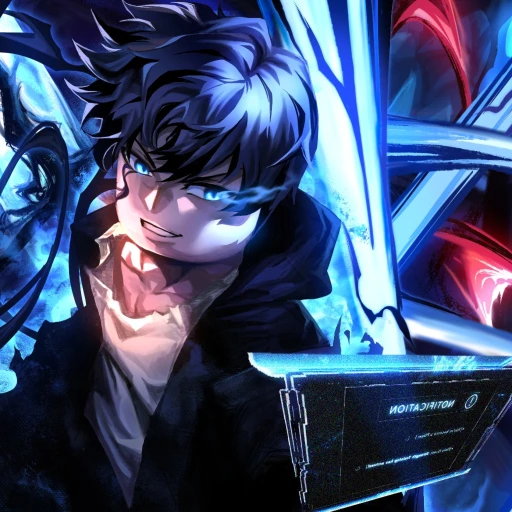
Two of the strongest RPGs on Roblox right now take wildly different approaches to the same core promise: making you feel powerful through earned progression. Solo Hunters channels the Solo Leveling fantasy into a class-based dungeon crawler where you grind gates, collect loot, and climb hunter ranks alongside millions of other players. Deepwoken drops you into a dark, unforgiving open world where a single bad fight can permanently erase your character and every item you carried. Both games demand skill and dedication. Both reward players who stick with them. But the experience of playing each one could not be more different.
Solo Hunters has exploded in popularity since launch, racking up over 51 million visits with a player base that grows weekly. Deepwoken is the established veteran with 1.4 billion visits and a reputation as one of the most mechanically demanding games on the platform. If you only have time for one RPG grind, this comparison will help you figure out which one deserves your hours.
Solo Hunters vs Deepwoken -- Quick Stats (2026)
| Category | Solo Hunters | Deepwoken |
|---|---|---|
| Genre | RPG / Dungeon Crawler | RPG / Roguelike |
| Inspiration | Solo Leveling (manhwa/anime) | Original dark fantasy |
| Place ID | 136599248168660 | 4111023553 |
| Total Visits | 51.7M+ | 1.4B+ |
| Core Loop | Enter dungeons, clear bosses, upgrade gear | Explore, fight, survive, permadeath |
| Key Features | Classes, dungeon gates, hunter ranks | Permadeath, parrying, mantras |
| Entry Cost | Free | 400 Robux (paid access) |
| Permadeath | No | Yes |
| Class System | Yes (multiple classes) | No (freeform builds) |
| PvP Focus | Secondary | Primary |
| Mobile-Friendly | Yes | Limited |
| Average Session | 30-60 min | 60-120 min |
| Free-to-Play | Yes | No |
Gameplay -- What Sets Them Apart?
Solo Hunters
Solo Hunters translates the Solo Leveling power fantasy into a structured dungeon-crawling loop that hooks you within minutes. You start as a low-rank hunter, pick a class, and begin tackling dungeon gates that scale in difficulty. Each gate is a self-contained challenge -- clear the monsters, defeat the boss, collect your rewards, and move on to the next tier. The progression is linear in the best way possible. You always know what you need to do next, and every cleared dungeon brings tangible rewards in the form of better equipment, new abilities, and higher hunter rankings.
The class system gives Solo Hunters its identity. Each class plays differently enough that switching from a tanky frontline fighter to a ranged DPS or support role genuinely changes how you approach dungeon encounters. Boss fights demand that you learn attack patterns, position correctly, and use your class abilities at the right moments. Higher-tier dungeons punish sloppy play with quick deaths, but those deaths are temporary -- you respawn, adjust your strategy, and try again. The game respects your time by never taking away what you have already earned.
Character progression follows a satisfying arc that mirrors the source material. Early dungeons feel like a struggle as you scrape together basic gear and learn your class mechanics. By mid-game, you start clearing content that felt impossible just hours earlier. Late-game hunters move through lower dungeons like forces of nature, one-shotting enemies that once required careful group coordination. That power curve is the entire point -- Solo Hunters wants you to feel the same rush of growing absurdly strong that makes the Solo Leveling story so compelling.
The social layer adds depth without forcing it. You can tackle most content solo, but harder dungeons benefit from coordinated groups. Finding a reliable party for endgame gates creates natural community connections. The game does not punish solo players, but it rewards cooperation with access to the toughest content and the best loot drops.
Deepwoken
Deepwoken is a fundamentally different kind of RPG. There are no dungeon queues, no clear progression markers, and no safety nets. You create a character, choose your starting attribute focus, and step into a vast open world where everything -- NPCs, the environment, and especially other players -- can kill you. And when you die enough times and lose all your lives, that character is gone forever. Your stats, your gear, your carefully planned build -- all erased. You start over with nothing.
The combat system is built on parrying. Every attack in the game can be blocked with precise timing, and every failed parry leaves you vulnerable to punishment. Feints exist to bait out early blocks. Grabs counter passive defenders. Mantras -- the game's magic system -- let you weave elemental abilities like Flamecharm, Thundercall, and Frostdraw into your melee combos for devastating mix-ups. At high levels, fights between skilled players look like fighting game exchanges, with reads, conditioning, and frame-tight execution determining the winner.
The build system is freeform and enormously deep. Instead of choosing a class, you allocate attribute points across multiple categories and unlock mantras based on your investment choices. A character who dumps points into Strength and Flamecharm plays nothing like one who focuses on Agility and Thundercall. Weapon choice matters too -- heavy weapons reward different playstyles than light weapons or fist builds. The sheer number of viable combinations means you can play Deepwoken for hundreds of hours and still discover new build synergies.
Exploration is a core pillar. The world is filled with hidden locations, secret NPCs, rare crafting materials, and lore fragments that reward curiosity. There are no quest markers pointing you toward the next objective. You discover content by wandering into it, talking to other players, or reading community-created guides. This deliberate obscurity frustrates some players and captivates others. For the right person, stumbling into an unmarked cave that contains a powerful trainer feels more rewarding than any scripted quest completion.
Edge: Solo Hunters for structured, rewarding progression that respects your time. Deepwoken for open-ended exploration, combat mastery, and the unique tension that permadeath creates. Solo Hunters gives you a clear mountain to climb; Deepwoken gives you an entire wilderness and lets you find your own path through it.
Combat Systems -- Dungeon Crawling vs Open-World Survival
Combat is where these two games diverge most dramatically, and it is the single biggest factor in deciding which one fits your playstyle.
Solo Hunters builds its combat around class abilities and boss mechanics. Each class has a defined kit of skills with cooldowns, and the challenge comes from using those skills at the right moments during encounters. Boss fights are the highlight -- each dungeon boss has attack patterns you need to learn, safe windows where you can deal damage, and rage phases that test your ability to survive under pressure. The combat is responsive and satisfying without demanding the kind of frame-perfect inputs that gatekeep entry in more hardcore games. A new player can start contributing to dungeon clears within their first session, and the skill ceiling reveals itself gradually through harder content tiers.
Deepwoken's combat is closer to a fighting game than a traditional RPG. The parry system creates a constant back-and-forth where every attack is both an offensive opportunity and a defensive gamble. Successful parries create openings for counter-attacks. Failed parries invite punishment. Mantras add another layer of complexity -- you need to track both melee spacing and elemental ability cooldowns simultaneously. PvP encounters in the open world carry life-or-death stakes because of permadeath, which means every fight against another player is a high-pressure decision. Do you engage and risk your character, or do you run and live to fight another day?
The skill floors are dramatically different. Solo Hunters eases you into its combat with early dungeons that teach mechanics through repetition. Deepwoken throws you into the deep end and expects you to learn by dying -- repeatedly. Your first several characters in Deepwoken will almost certainly die before reaching any meaningful power level. That baptism by fire is part of the design, but it drives away players who want to feel competent from the start.
Edge: Deepwoken for raw combat depth and skill expression. Solo Hunters for accessible, satisfying combat that scales in challenge without ever feeling unfair. If PvP with real consequences excites you, Deepwoken delivers something no other Roblox game matches. If you prefer PvE boss fights where pattern recognition and class mastery determine success, Solo Hunters is the stronger pick.
Progression -- The Grind That Keeps You Coming Back
Progression systems can make or break an RPG. Both Solo Hunters and Deepwoken understand this, but they take opposite approaches to how your investment pays off.
Solo Hunters uses a vertical progression model that will feel familiar to anyone who has played dungeon crawlers or looters. You start weak, grind dungeons at your level, acquire better gear and experience points, and gradually unlock harder content. Each dungeon tier represents a clear step up in challenge and rewards. Hunter rankings serve as visible milestones -- reaching a new rank feels like a genuine achievement because it unlocks content that was previously inaccessible. The gear treadmill keeps you engaged because better equipment visibly changes how your character performs. A weapon drop from a high-tier boss is not just a stat increase -- it changes the feel of your combat rotation.
The class progression adds another layer. As you level your chosen class, you unlock new abilities that expand your combat options. Reaching ability milestones creates noticeable power spikes that refresh the gameplay loop right when the current grind starts to feel routine. If your main class starts to feel stale, you can invest in a secondary class and experience the progression curve all over again with different mechanics.
Deepwoken's progression is tied to survival. Your character gains experience by fighting enemies, completing quests, and exploring. Attribute points let you shape your build over time. But every point of progress exists under the shadow of permadeath. A fully leveled character with rare mantras and endgame gear represents dozens of hours of careful play -- and all of it can vanish in seconds if you get caught by a group of hostile players or wander into an area above your current power level. This creates a unique emotional relationship with progression. Every level gained feels precious because you know it could be lost. Every piece of gear matters more because replacing it means surviving long enough to find it again.
The psychological difference between these two systems is enormous. Solo Hunters rewards consistency -- put in time, get results, keep what you earn. Deepwoken rewards mastery -- learn to survive, build wisely, and protect what you have built through skill. Neither approach is objectively better, but they appeal to fundamentally different types of players.
Edge: Solo Hunters for steady, satisfying progression that never punishes you for learning. Deepwoken for players who want their progress to feel genuinely meaningful because it can be lost. If you have limited play time and want every session to feel productive, Solo Hunters is the clear winner. If the possibility of loss is what makes gains feel real to you, Deepwoken delivers that better than any game on the platform.
Graphics, World Design, and Audio
Both games look strong by Roblox standards, but they aim for completely different visual identities.
Solo Hunters leans into anime-inspired aesthetics that match its Solo Leveling roots. Dungeon environments range from dark corridors to sprawling boss arenas with dramatic lighting. Character abilities produce flashy effects -- skill activations light up the screen with energy bursts, slashes, and elemental particles. Boss designs are imposing and well-animated, with attack telegraphs that are visually readable even in chaotic group fights. The UI is clean and informative, showing health bars, cooldowns, and dungeon progress without cluttering the screen. The overall presentation feels polished and purposeful, prioritizing readability during fast-paced encounters.
Deepwoken is one of the most atmospheric games on Roblox. Its world trades flashiness for mood -- foggy coastlines, crumbling stone ruins, bioluminescent underwater caves, and vast open oceans create a persistent sense of isolation and danger. The lighting system works overtime to sell the tone, with dim interiors contrasting against harsh outdoor sunlight. Character models are detailed, and mantra effects produce satisfying visual feedback without overwhelming the screen. The soundtrack deserves special mention -- ambient drones and orchestral swells shift dynamically based on your location and situation, creating an audio landscape that reinforces the tension of every moment. Sound cues for parry timing and incoming attacks are clear and learnable, which matters in a game where reacting to audio is often faster than reacting to visuals.
Edge: Deepwoken for atmosphere, world-building, and audio design. Solo Hunters for clean visual readability and anime-faithful presentation. Deepwoken's world feels like a place that exists independently of you. Solo Hunters' environments feel like stages designed for the action that happens inside them. Both approaches work for their respective games.
Player Count and Community
These two games sit at very different points in their lifecycle, which shapes their communities in distinct ways.
Solo Hunters has 51.7 million visits and a rapidly growing player base. As a newer title riding the wave of Solo Leveling's anime popularity, it attracts fresh players daily. The community is in its early, enthusiastic phase -- tier lists are being debated, optimal dungeon strategies are being discovered, and the meta has not yet solidified into rigid orthodoxy. Discord servers and YouTube channels dedicated to the game are popping up regularly, and content creators are producing beginner guides, class breakdowns, and boss fight tutorials. This early-community energy means new players are welcomed rather than expected to already know everything.
Deepwoken has 1.4 billion+ visits and a mature, deeply knowledgeable community. The 400 Robux entry fee acts as a filter that keeps its player base more invested on average. Deepwoken's community is known for passionate debate about build optimization, PvP tier lists, and game balance. The knowledge gap between new and veteran players is significant -- community guides and wikis are extensive but can feel overwhelming to newcomers. The smaller server populations mean you encounter familiar faces more often, which creates a social dynamic that larger games lack. Guild-like groups form naturally around PvP alliances and territory control.
The content ecosystems are different as well. Solo Hunters' content scene is young and growing, with an emphasis on discovery and first impressions. Deepwoken's content scene is mature, with creators producing advanced PvP guides, build theory videos, and lore deep-dives that assume significant game knowledge. Both communities are active and engaged -- they just engage at different levels of depth.
Game Passes and Monetization
The entry cost alone tells you a lot about how these games approach your wallet.
Solo Hunters is free to play. You download it, create a character, pick a class, and start running dungeons without spending a single Robux. Game passes offer convenience rather than necessity -- experience boosts, extra character slots, and cosmetic items enhance the experience but do not gate content behind paywalls. The free-to-play model means you can invest dozens of hours before deciding whether any game pass is worth your Robux. This approach is especially valuable for players who earn Robux through Earnaldo and want to spend them strategically on passes they know they will use.
Deepwoken requires 400 Robux to play at all. Before you know whether you enjoy the combat, before you experience your first permadeath, before you can evaluate whether the game respects your time -- you need to pay. The Extra Slot pass (400 Robux) is nearly essential because permadeath means your only character can die permanently, leaving you with nothing unless you have a backup slot. The Notoriety Boost (199 Robux) speeds up reputation gains. The total Robux investment to play Deepwoken comfortably approaches 800-1000 Robux, which is significant for younger players or those on tight budgets.
The counterargument for Deepwoken's paid model is quality of community. The entry fee filters out players who are not serious about the game, which results in fewer disruptive players, more knowledgeable teammates, and a generally more committed server population. Whether that trade-off is worth 400+ Robux depends on how much you value community quality versus financial accessibility.
Edge: Solo Hunters. Free entry with optional spending is a more consumer-friendly model. You can try the entire game before committing any Robux, and nothing in the pass store is required to reach endgame. Deepwoken's paid model has its merits, but asking players to pay before they can evaluate the product is a harder sell.
Replay Value -- Staying Power Beyond the First Week
An RPG needs to keep you coming back, and both games achieve this through different mechanisms.
Solo Hunters builds replay value through its class system and content updates. Each class offers a distinct gameplay experience, so rolling a new character with a different class feels fresh rather than repetitive. Endgame dungeon tiers provide ongoing challenges for maxed characters, and seasonal content drops introduce new dungeons, bosses, and gear to chase. The game's rapid growth suggests a development team that is actively expanding the content pipeline. For players who enjoy working toward collection goals -- all classes leveled, all gear sets completed, all dungeons cleared at max difficulty -- Solo Hunters provides months of structured content to pursue.
Deepwoken's replay value is inherently built into its permadeath system. Every new character is a fresh run with different build possibilities. If your last character focused on heavy weapons and Flamecharm, your next one might explore light weapons with Galecharm. The enormous build variety means hundreds of distinct playstyles are viable, and discovering new combinations is part of the endgame. PvP provides an infinite skill-based ceiling -- you can always get better at reading opponents, optimizing combos, and surviving encounters. The world's hidden content rewards repeat exploration, since different characters with different builds can access different areas and NPCs.
Both games sustain long-term engagement, but Solo Hunters does it through breadth of content while Deepwoken does it through depth of systems. Solo Hunters asks "have you tried all the classes and cleared all the dungeons?" Deepwoken asks "have you mastered the combat and discovered everything the world hides?"
Edge: Deepwoken for players who find replay value in mastery and emergent experiences. Solo Hunters for players who find replay value in structured content goals and class variety. Both games have the staying power to keep you engaged for months -- they just sustain that engagement differently.
Earning Potential -- Free Robux While You Play
If you use Earnaldo to earn free Robux alongside your gaming, the structure of each game matters for how you fit earning tasks into your routine.
Solo Hunters is well-suited for earning between sessions. Dungeon runs have natural endpoints -- you clear a gate, collect rewards, and decide whether to queue for the next one or take a break. Those transition moments are ideal for switching to Earnaldo's earn page and completing a few tasks. The game's shorter average session length (30-60 minutes) also means you have more natural stopping points throughout a play session. Since Solo Hunters is free, every Robux you earn goes directly toward game passes that enhance your experience rather than paying for entry.
Deepwoken requires your full attention while playing. Permadeath means you cannot afford to tab out during gameplay -- a momentary distraction can cost you an entire character. The best approach for Deepwoken players is to complete Earnaldo tasks between sessions rather than during them. Earning Robux through Earnaldo to cover the 400 Robux entry fee before buying the game is a solid strategy that eliminates financial risk. For more detailed earning strategies, check out our Solo Hunters free Robux guide and Deepwoken free Robux guide.
Earn Free Robux for Solo Hunters or Deepwoken
Complete simple tasks on Earnaldo and withdraw real Robux -- no downloads, no generators, no scams.
Head-to-Head Verdict -- Solo Hunters vs Deepwoken in 2026
The Verdict
Choose Solo Hunters if you want a polished dungeon-crawling RPG with clear progression, satisfying class-based combat, and zero financial barrier to entry. Its Solo Leveling inspiration translates into a compelling power fantasy where every session moves you forward. The class variety, structured dungeon tiers, and growing community make it one of the best entry points for RPG fans on Roblox. You keep everything you earn, and the game rewards your time consistently.
Choose Deepwoken if you want the most mechanically demanding, high-stakes RPG experience available on Roblox. Its permadeath system, parry-based combat, and freeform build variety create tension and depth that no other game on the platform matches. The 400 Robux entry fee and steep learning curve filter for dedicated players, which results in a more invested community and a more meaningful gameplay experience -- if you can handle the punishment.
Overall winner: Solo Hunters -- for the majority of players. Its free-to-play model, accessible combat, mobile compatibility, and forgiving progression system make it the safer recommendation for most Roblox RPG fans. Deepwoken is the better game for players who specifically crave high-stakes survival and are willing to pay -- both in Robux and in lost characters -- for that experience. The right choice depends on whether you want a structured climb or an unforgiving wilderness.
Who Should Play What?
- You love Solo Leveling and want that power fantasy on Roblox: Solo Hunters. The dungeon gates, hunter rankings, and class progression directly mirror the source material in a way that feels authentic and rewarding.
- You want the highest possible combat skill ceiling: Deepwoken. Its parry-based fighting game mechanics and permadeath stakes create PvP encounters that no other Roblox game can replicate.
- You play mostly on mobile: Solo Hunters. Its class abilities and dungeon-based structure translate well to touchscreens. Deepwoken's precise parry timing is punishing without a keyboard and mouse.
- You have limited Robux or prefer not to spend any: Solo Hunters. Free entry means zero risk. Earn Robux through Earnaldo and spend them on game passes only when you are ready.
- You enjoy theorycrafting and freeform builds: Deepwoken. The attribute system, mantra trees, and weapon variety create one of the deepest build-crafting experiences on the platform.
- You prefer structured goals and clear progression: Solo Hunters. Dungeon tiers, hunter ranks, and class milestones always give you something specific to work toward.
- You want your actions to carry permanent consequences: Deepwoken. Permadeath makes every decision matter in a way that few games on any platform achieve.
- You want to play with friends who are new to Roblox RPGs: Solo Hunters. The free entry, forgiving death system, and class-based roles make it easier to onboard new players into group content.
For more Roblox RPG guides and comparisons, explore our Solo Hunters free Robux guide, Deepwoken free Robux guide, or check out the full free Robux guide for 2026 to maximize your earnings across all games.
Frequently Asked Questions
Solo Hunters has 51.7 million visits and is growing rapidly as a newer title riding the Solo Leveling anime wave. Deepwoken has 1.4 billion+ visits accumulated over years with a stable, dedicated player base. Deepwoken maintains higher concurrent players due to its established community, but Solo Hunters is gaining ground fast with its accessible dungeon-crawling format and free entry.
Yes. Solo Hunters draws heavy inspiration from the Solo Leveling manhwa and anime series. The dungeon gate system, hunter rankings, shadow army mechanics, and overall power fantasy closely mirror the source material. If you enjoy Solo Leveling, the game translates that experience into Roblox remarkably well.
Deepwoken is significantly harder. Its permadeath system means a single bad fight can erase hours of progress. The parry-based combat demands precise timing and deep game knowledge. Solo Hunters has challenging dungeon bosses and difficulty scaling, but death is a temporary setback -- you keep your character, gear, and levels. Solo Hunters is demanding but fair; Deepwoken is punishing by design.
Solo Hunters is playable on mobile with functional touch controls -- the dungeon-based structure and class abilities translate reasonably well to touchscreens. Deepwoken has limited mobile support because its parry-heavy combat and precise mantra inputs are extremely difficult without a keyboard and mouse. For mobile players, Solo Hunters is the stronger choice.
Solo Hunters is free to play with optional game passes for boosts and extra character slots. Deepwoken requires a 400 Robux purchase just to access the game, plus additional passes like Extra Slot (400 Robux) are near-essential due to permadeath. Solo Hunters is the more budget-friendly option, and any Robux earned through Earnaldo can go directly toward game passes rather than entry fees.
Solo Hunters is better suited for earning alongside gameplay. Dungeon runs have natural downtime between clears, loading screens, and party formation that create windows for completing Earnaldo tasks. Deepwoken demands constant attention due to permadeath risk -- you cannot afford to tab out mid-session. Complete Earnaldo tasks between Deepwoken sessions instead.