Soul Eater: Resonance vs Jujutsu Shenanigans (2026) -- Which Anime RPG Is Better?
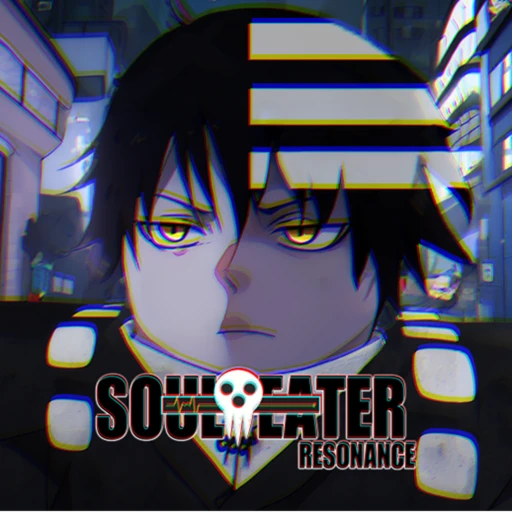
Roblox has become the go-to platform for anime-inspired games, and two titles stand out for very different reasons. Soul Eater: Resonance recreates the world of Soul Eater with a faithful Meister-Weapon partnership system, boss fights, and RPG progression. Jujutsu Shenanigans adapts the Jujutsu Kaisen universe into one of the most polished PvP fighting experiences on the entire platform, pulling tens of thousands of concurrent players daily.
These two games share an anime foundation but diverge sharply in design philosophy. Soul Eater: Resonance is a narrative-driven RPG where you grind bosses, collect weapons, and build your power through cooperative play. Jujutsu Shenanigans is a fast-paced arena fighter built around cursed techniques, domain expansions, and competitive PvP combat. This comparison covers every angle so you can decide which anime experience fits your playstyle -- or whether both deserve a spot in your rotation.
Soul Eater: Resonance vs Jujutsu Shenanigans -- Quick Stats (2026)
| Category | Soul Eater: Resonance | Jujutsu Shenanigans |
|---|---|---|
| Genre | Anime RPG | Anime Fighting |
| Place ID | 4505214429 | 9391468976 |
| Source Anime | Soul Eater | Jujutsu Kaisen |
| Total Visits | ~27M | ~2.5B |
| Concurrent Players | Low hundreds | ~15K-30K |
| Core Loop | Quest, fight bosses, collect weapons, resonate | Learn techniques, fight players, unlock abilities |
| Combat Focus | PvE (bosses and mobs) | PvP (arena combat) |
| Key Mechanic | Meister/Weapon Soul Resonance | Cursed techniques and domain expansions |
| Weapon/Ability System | Weapon rarities and upgrades | Cursed technique movesets |
| Co-op | Yes (Meister-Weapon pairs) | Yes (team modes) |
| Mobile-Friendly | Yes | Yes (PvP can be challenging) |
| Free-to-Play | Yes | Yes |
The visit gap tells a clear story about scale. Jujutsu Shenanigans has nearly 100 times the total visits, driven by the global popularity of Jujutsu Kaisen and a combat system that keeps players coming back for hundreds of hours. Soul Eater: Resonance serves a smaller but dedicated audience of Soul Eater fans who value the faithful adaptation of their favorite anime. Both games are free to play, though their monetization approaches differ in ways we will cover below.
Gameplay -- What Do You Actually Do?
Soul Eater: Resonance
Soul Eater: Resonance drops you into the world of Death Weapon Meister Academy. You choose to play as either a Meister or a Weapon -- a choice that fundamentally shapes your gameplay experience. Meisters wield Weapons (other players or NPCs) in combat, while Weapons transform into their weapon forms to be used by their Meister partner. This two-role system is the game's defining feature and directly mirrors the anime's central mechanic.
As a Meister, your job is to control movement, positioning, and attack timing. You swing your Weapon partner to deal damage, dodge enemy attacks, and manage your Soul Resonance meter. When that meter fills, you can activate Soul Resonance -- a powered-up state that unlocks devastating special attacks unique to your Weapon type. The system creates a genuine sense of partnership that few other Roblox games replicate.
As a Weapon, you transform into your weapon form and rely on your Meister to position you effectively. You contribute through your passive abilities, weapon-specific attack patterns, and by helping build the Soul Resonance meter. Different weapon types -- scythes, guns, swords, and others -- each have distinct movesets and resonance abilities. Rarer weapons offer stronger base stats and more visually impressive resonance attacks.
The PvE content revolves around bosses scattered throughout the game's world. These bosses range from standard enemies to challenging encounters that require coordinated Meister-Weapon play. Defeating bosses rewards souls, currency, and weapon drops. The progression loop is straightforward: fight enemies, collect better weapons, unlock stronger resonance abilities, and take on harder bosses.
Jujutsu Shenanigans
Jujutsu Shenanigans takes a fundamentally different approach. This is a PvP fighting game first, with everything else built around that core. You select a cursed technique -- each one based on abilities from the Jujutsu Kaisen anime and manga -- and enter arenas to fight other players. The combat system is frame-based, meaning timing, spacing, and input precision all matter at a competitive level.
Each cursed technique comes with a full moveset of attacks, defensive options, and at least one signature ability. Gojo's Infinity provides passive damage reduction and enables Red and Blue attacks. Sukuna's Cleave and Dismantle offer devastating melee range. Mahito's Idle Transfiguration transforms the user's body for unpredictable attacks. The technique roster is large and growing, with each addition carefully balanced against the existing cast.
Domain expansions are the game's ultimate moves. When activated, they create a bounded space where the domain user gains massive advantages -- guaranteed hits, amplified damage, or unique effects specific to each technique. Landing a domain expansion in a close fight feels cinematic and satisfying. Countering one requires specific knowledge and quick reactions, which adds depth to the competitive meta.
Beyond PvP, Jujutsu Shenanigans includes boss fights and training areas, but these serve primarily as practice spaces for the PvP experience. The real progression is skill-based: learning matchups, mastering your technique's combo routes, understanding frame data, and developing game sense through hundreds of fights. There is no level grind that makes you statistically stronger -- a new player with a free technique can beat a veteran if they outplay them.
Combat Systems -- Depth and Feel
Combat is where these two games differ most dramatically, and it is worth examining in detail because it defines the minute-to-minute experience of each title.
Soul Eater: Resonance uses a third-person action RPG combat system. You lock onto enemies, press attack buttons to execute combos, dodge incoming attacks, and manage your Soul Resonance gauge. The combat is enjoyable and captures the feel of the anime, but it is designed for PvE encounters rather than competitive precision. Bosses have attack patterns you learn through repetition, and success depends on a combination of your weapon's rarity, your resonance level, and your ability to avoid damage.
The Meister-Weapon dynamic adds a cooperative layer that makes combat more interesting than a typical Roblox RPG. When two players partner up as Meister and Weapon, they share a health pool and a resonance meter. The Weapon player can communicate when they are ready for resonance, and the Meister needs to find the right moment to activate it. This creates natural communication and teamwork that feels rewarding when it clicks.
Jujutsu Shenanigans operates on a completely different level of mechanical depth. The combat engine supports true combos, block strings, mix-ups, wake-up options, and punish windows. Players who invest time learning the system discover layers of complexity that rival dedicated fighting games. Each cursed technique has specific combo routes, and optimal play involves adapting your approach based on your opponent's technique and tendencies.
The skill ceiling in Jujutsu Shenanigans is remarkably high. Top players demonstrate movement techniques, combo extensions, and defensive reads that new players cannot replicate without practice. This creates a clear progression curve based entirely on player skill rather than time invested in grinding. The downside is that the learning curve can feel steep for newcomers -- your first few hours will likely involve getting defeated repeatedly by experienced players.
Edge: Jujutsu Shenanigans for mechanical depth, competitive balance, and skill expression. Soul Eater: Resonance for cooperative PvE combat and the unique Meister-Weapon partnership dynamic.
Progression and Rewards
How you grow stronger in each game reflects their different design philosophies.
Soul Eater: Resonance uses traditional RPG progression. You gain experience from defeating enemies and bosses, which levels up your character. Higher levels unlock access to new areas, harder bosses, and stronger abilities. Weapons come in different rarity tiers, and finding or earning rarer weapons is a primary motivator. The grind is real -- getting the best weapons requires repeated boss kills and some luck with drop rates. But each upgrade feels meaningful because it directly increases your combat effectiveness.
The weapon rarity system gives you clear goals to chase. Common weapons are easy to find but limited in power. Rare and legendary weapons offer significantly better stats and more impressive Soul Resonance abilities. Some weapons are tied to specific bosses, creating a targeted farming loop where you run the same encounter repeatedly until the drop you want appears. This loop is familiar to anyone who has played loot-based RPGs.
Jujutsu Shenanigans handles progression differently because its core is competitive PvP. You do not level up in a statistical sense. Instead, you unlock new cursed techniques as you play, expanding your options rather than making you numerically stronger. Every technique is viable at a competitive level, so unlocking a new one gives you a new playstyle rather than a power boost. Your real progression is measured in skill -- better combo execution, sharper reads, and deeper matchup knowledge.
This approach means Jujutsu Shenanigans respects your time in a different way. You are never grinding the same content to inflate a number. Every match is practice that makes you a better player. The trade-off is that there are fewer tangible rewards to chase. If you need a visible progression bar filling up to stay motivated, Jujutsu Shenanigans relies almost entirely on the satisfaction of improving at the game itself.
Edge: Soul Eater: Resonance for tangible RPG progression and loot-driven motivation. Jujutsu Shenanigans for skill-based progression that respects your time and avoids stat inflation.
Player Count and Community (July 2026)
The population difference between these two games is substantial, and it shapes the experience in practical ways.
Jujutsu Shenanigans has accumulated roughly 2.5 billion visits and maintains a healthy concurrent player count of 15,000 to 30,000 at peak hours. This means you never wait long for a fight, and the matchmaking pool is large enough that you encounter a genuine variety of skill levels and techniques. The game's community is one of the most active on Roblox, with thriving Discord servers, YouTube creators producing combo guides and tier lists, and a competitive scene that hosts regular tournaments.
The community around Jujutsu Shenanigans also benefits from the ongoing popularity of Jujutsu Kaisen as a manga and anime. Each new chapter or episode drives renewed interest in the game, and the developers capitalize on this by adding relevant content alongside major anime releases. Community-created resources are abundant -- tier lists, combo tutorials, matchup guides, and technique breakdowns are all readily available.
Soul Eater: Resonance sits at approximately 27 million visits with a significantly smaller active player base. Finding other players for Meister-Weapon partnerships can be challenging during off-peak hours. The community is dedicated but small -- the Discord server is active with passionate Soul Eater fans who genuinely love the game, but you will not find the volume of guides, videos, and resources that Jujutsu Shenanigans offers.
The smaller population has practical implications. Boss fights that require multiple players may need coordination through Discord rather than spontaneous in-game matchmaking. The trading economy, if present, is thin. Updates come less frequently because the development team is smaller and the revenue stream is more limited. None of this makes Soul Eater: Resonance a bad game, but it does mean you need to be comfortable with a quieter, more niche experience.
Edge: Jujutsu Shenanigans by a wide margin. The population advantage affects matchmaking, community resources, update frequency, and long-term viability.
Source Material and Atmosphere
Both games succeed at adapting their respective anime, though they face different challenges in doing so.
Soul Eater: Resonance captures the gothic aesthetic of Soul Eater effectively. Death City's architecture, the character designs, and the overall atmosphere feel faithful to the anime. The Meister-Weapon partnership system is not just a gameplay mechanic -- it is the thematic core of Soul Eater, and building it into the game's foundation was the right choice. Playing as a scythe-wielding Meister or transforming into a weapon for your partner recreates moments that fans of the show will recognize immediately.
The Soul Resonance mechanic itself is the game's strongest thematic element. In the anime, Soul Resonance represents the deep bond between Meister and Weapon. In the game, it functions as an ultimate ability that requires buildup and timing, mirroring the dramatic power-up moments from the show. When you activate resonance and unleash a devastating attack, it feels like an authentic Soul Eater moment.
Jujutsu Shenanigans translates Jujutsu Kaisen's complex power system into playable mechanics with impressive accuracy. Each cursed technique behaves the way fans expect based on the manga and anime. Domain expansions look and feel like their source material counterparts. The attention to detail extends to small touches -- specific hand signs, visual effects, and sound design that reference particular scenes from the series.
The advantage Jujutsu Shenanigans holds in this category comes partly from its source material. Jujutsu Kaisen's power system is inherently competitive -- characters fight each other using distinct abilities with clear strengths and weaknesses. This translates naturally into a PvP fighting game. Soul Eater's power system is more cooperative and narrative-driven, which fits an RPG but is harder to balance for competitive play.
PvP vs PvE -- Choosing Your Focus
This is the fundamental fork in the road when choosing between these two games.
If you want to test yourself against other players, Jujutsu Shenanigans is the clear choice. Its entire design revolves around making PvP combat feel responsive, fair, and rewarding. The balance team actively adjusts techniques to prevent any single ability from dominating the meta. Ranked modes provide structured competition, and the casual modes let you experiment with new techniques without stakes. The PvP experience here competes with standalone fighting games in terms of depth and polish.
If you prefer fighting AI enemies, exploring a world, and progressing through increasingly difficult content, Soul Eater: Resonance delivers that experience within a faithful anime setting. Boss fights require pattern recognition and preparation. The world has areas to explore and secrets to discover. The cooperative Meister-Weapon system makes PvE content feel social even when you are not competing against other players.
Some players want both, and that is worth acknowledging. You can play Jujutsu Shenanigans when you want competitive intensity and switch to Soul Eater: Resonance when you want a more relaxed, cooperative RPG session. The games complement each other well precisely because they serve different moods and play preferences.
Edge: Depends entirely on preference. Jujutsu Shenanigans for PvP. Soul Eater: Resonance for PvE. Neither game tries to be what the other one is.
Monetization and Free-to-Play Experience
Both games are free to play, but their approach to monetization differs based on their game structures.
Soul Eater: Resonance offers game passes and in-game purchases that primarily accelerate progression. You can buy boosted experience gains, premium currency for cosmetics, or access to certain features through game passes. The monetization follows standard Roblox RPG patterns -- nothing is exclusively locked behind a paywall, but paying players progress faster. Weapon drops are loot-based rather than purchasable, so the core progression remains gameplay-driven regardless of spending.
Jujutsu Shenanigans monetizes through cosmetic items and technique unlocks. Since the game is skill-based rather than stat-based, purchases do not create competitive advantages. Some cursed techniques require in-game currency or purchases to unlock, but free techniques are fully competitive. The monetization model is more aligned with competitive game principles -- pay for variety and cosmetics, not for power.
Edge: Jujutsu Shenanigans for its competitive-friendly monetization that avoids pay-to-win dynamics. Soul Eater: Resonance is fair for a PvE game, but stat-boosting purchases can affect the experience balance.
Earning Free Robux While You Play
Both games offer natural downtime where you can complete Earnaldo tasks to earn free Robux. Soul Eater: Resonance has loading screens between areas, cooldowns between boss attempts, and travel time across the map -- all opportunities to check on Earnaldo tasks. Jujutsu Shenanigans has queue times between matches, post-match result screens, and lobby periods that work well for completing quick earning tasks.
For game-specific earning strategies, check out our Soul Eater: Resonance free Robux guide and Jujutsu Shenanigans free Robux guide. You might also be interested in our Anime Spirits free Robux guide if you enjoy anime games on Roblox.
Earn Free Robux for Soul Eater: Resonance or Jujutsu Shenanigans
Complete simple tasks on Earnaldo and withdraw real Robux -- no downloads, no generators, no scams.
Head-to-Head Verdict -- Soul Eater: Resonance vs Jujutsu Shenanigans in 2026
The Verdict
Choose Soul Eater: Resonance if you are a Soul Eater fan looking for a faithful RPG adaptation of the anime. The Meister-Weapon partnership system is genuinely unique on Roblox and creates cooperative gameplay that no other title replicates. The PvE boss fights, weapon collection, and Soul Resonance mechanics make this a rewarding experience for fans who want to inhabit the Soul Eater world. Just be aware that the smaller player base means you may need to find partners through Discord rather than random matchmaking.
Choose Jujutsu Shenanigans if you want one of the best PvP combat experiences available on Roblox. The cursed technique system is deep, the domain expansions are satisfying, and the skill-based progression means your improvement is real and earned. The massive player base ensures you always have opponents, the update cadence keeps the meta fresh, and the community provides all the resources you need to improve. If competitive anime combat appeals to you, this is the standard-bearer on the platform.
Overall: These games serve fundamentally different purposes. Jujutsu Shenanigans is the objectively larger, more polished, and more active game -- but that does not make Soul Eater: Resonance irrelevant. The Meister-Weapon system offers something you cannot find in Jujutsu Shenanigans or any other Roblox game. If you love Soul Eater, the RPG is worth your time. If you want the best anime PvP fighter on the platform, Jujutsu Shenanigans is the answer. Many anime game fans play both, switching based on their mood and what kind of experience they want in a given session.
Who Should Play What?
- You love Soul Eater as an anime: Soul Eater: Resonance. The Meister-Weapon system and world design are faithful adaptations that fans will appreciate.
- You want competitive PvP: Jujutsu Shenanigans. Its combat depth and large player base make it one of the best fighters on Roblox.
- You prefer PvE content: Soul Eater: Resonance. Boss fights and progression systems are built around fighting AI enemies cooperatively.
- You care about active community: Jujutsu Shenanigans. With 15K-30K concurrent and a massive content creator ecosystem, you will never lack for information or opponents.
- You want cooperative gameplay: Soul Eater: Resonance. The Meister-Weapon partnership is one of the most genuine co-op systems on the platform.
- You want to earn Robux while playing: Both work with Earnaldo. Natural downtime in each game makes completing earning tasks straightforward.
Frequently Asked Questions
Jujutsu Shenanigans is far more popular by every measurable metric. It has accumulated roughly 2.5 billion visits and regularly pulls 15,000 to 30,000 concurrent players. Soul Eater: Resonance sits at around 27 million visits, making it a niche title by comparison. Jujutsu Shenanigans benefits from the massive global popularity of Jujutsu Kaisen as a source anime.
Jujutsu Shenanigans is widely regarded as having one of the best combat systems on Roblox, with frame-based fighting mechanics, domain expansions, and a deep roster of cursed techniques. Soul Eater: Resonance features a Meister and Weapon partnership system with Soul Resonance abilities that feel unique, but its combat is more PvE-focused and less technically demanding than Jujutsu Shenanigans' PvP fighting system.
Yes, both games are available on mobile through the Roblox app. Jujutsu Shenanigans can be more challenging on mobile due to its precise PvP combat inputs, but it is fully playable. Soul Eater: Resonance runs well on mobile and its PvE-focused gameplay translates naturally to touchscreen controls.
You can enjoy the gameplay without prior knowledge of the anime, but a significant portion of the appeal comes from its faithful recreation of Soul Eater's world, characters, and mechanics. The Meister-Weapon partnership system and Soul Resonance abilities are direct adaptations from the show. Fans of the anime will get considerably more out of the experience than newcomers.
Jujutsu Shenanigans is primarily a PvP fighting game, but it does include PvE elements such as boss encounters and training modes. The core experience revolves around player-versus-player combat using cursed techniques and domain expansions. If you prefer PvE content, Soul Eater: Resonance offers a more developed PvE experience with bosses, quests, and progression tied to defeating enemies.
Jujutsu Shenanigans receives regular and substantial updates, often adding new cursed techniques, characters, and balance adjustments. Its large and active development team keeps the content pipeline flowing. Soul Eater: Resonance also receives updates but at a slower cadence, reflecting its smaller development team and player base. Jujutsu Shenanigans' update frequency is one of its strongest advantages.