Spin a Soccer Card vs Anime Card Collection (2026) — Which Roblox Card Game Wins?
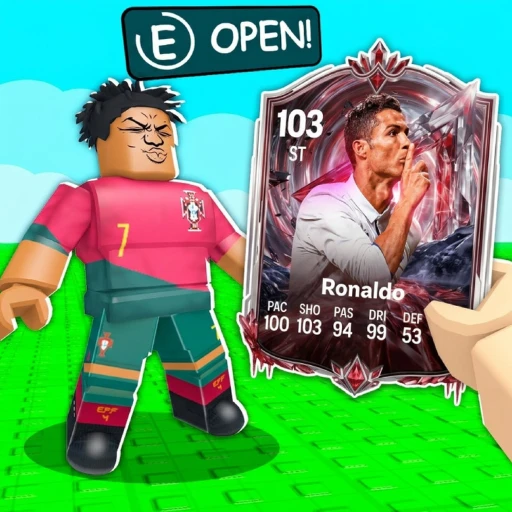
Two idle card-collecting games have carved out massive audiences on Roblox in 2026 — and they share the same basic DNA. Buy packs, collect cards, place them on a plot, watch income roll in. But spend more than a few sessions with each and the differences become clear. Spin a Soccer Card by Pixellar Studios packs in rebirth mechanics, mutation systems, trophy crafting, and 16 pack tiers around a football theme that leans on the nostalgia of real-world player icons. Anime Card Collection by Crew Simulators wraps the same idle loop in anime aesthetics, a trading economy, and a loyal community that has favorited the game more than twice as often despite having fewer live players.
Both games have cleared 100 million total visits. Both target players who enjoy passive income loops, rare-drop hunting, and the gradual accumulation of a valuable card collection. But the systems layered on top of that core loop — and the communities built around them — are different enough to matter when deciding where to invest your time. This comparison breaks down every dimension so you can make an informed call.
Spin a Soccer Card vs Anime Card Collection — Quick Stats (2026)
| Category | Spin a Soccer Card | Anime Card Collection |
|---|---|---|
| Developer | Pixellar Studios | RSC | Crew Simulators |
| Place ID | 112490729816320 | 76285745979410 |
| Genre | Idle card collecting (soccer) | Idle card collecting (anime) |
| Current Players | ~17,910 | ~10,445 |
| Total Visits | 120.6M+ | 117.7M+ |
| Favorites | 85,100+ | 197,300+ |
| Core Loop | Buy packs → collect cards → place on plot → earn EPS income | Open packs → collect anime cards → display on plot → earn passive income |
| Pack Tiers | 16 | Multiple (themed banners) |
| Card Rarities | Bronze, Silver, Gold, Legendary, Mythical, Divine | Multiple rarity tiers |
| Rebirth System | Yes (+50% income multiplier per rebirth) | No dedicated rebirth |
| Mutation System | Yes | No |
| Bank System | Yes (offline storage) | Standard offline income |
| Trading | Limited | Yes (active economy) |
| AFK Farming | Yes | Yes |
Core Gameplay — Same Loop, Different Execution
Spin a Soccer Card
Spin a Soccer Card opens with a simple pitch: buy packs, pull soccer player cards, and slot them into your plot. Each card generates earnings per second — the game calls it EPS — and that passive trickle is the engine driving everything else. The first few sessions feel breezy. You buy starter packs, fill your plot with Bronze and Silver tier cards, and watch your EPS climb. Then the systems start layering in.
There are 16 distinct pack tiers, ranging from the cheapest beginner bundles to expensive premium packs that offer meaningful odds on Legendary, Mythical, and Divine cards. The jump between tiers matters — a plot stacked with Legendaries generates income at a rate that makes Bronze cards look irrelevant. Chasing higher-tier packs is the primary progression motivation, and it keeps you invested through dozens of sessions. The six rarity tiers give the collection real breadth. At the top end, iconic player cards including Messi and Ronaldo sit at around 0.1% drop rates, giving high-value targets that players discuss, trade, and show off across the community.
The mutation system adds a layer on top of rarity. Cards can be mutated into enhanced versions that carry stat boosts beyond what their base rarity provides. A mutated Gold card might outperform an unmutated Legendary depending on the mutation rolled. This means the game is not purely about chasing the highest rarity tier — it rewards players who engage with the mutation mechanic and think about optimization rather than just hoarding the flashiest cards.
Trophy crafting extends the endgame further. Collecting sets of specific cards lets you craft trophies that provide account-wide bonuses and serve as prestige markers in the community. These are long-term goals that give veteran players something to grind toward well after they have filled their plot with Divine-rarity cards.
The spin wheel is an extra income injection — a lottery-style mechanic that fires periodically and can deliver bonus currency, rare packs, or mutation materials. It breaks up the pure idle routine with moments of unexpected reward that feel good without disrupting the core loop.
Anime Card Collection
Anime Card Collection runs the same foundational loop — open packs, display cards on your plot, collect passive income — but strips away the layered systems in favor of a cleaner, more accessible experience. The anime theme is the most immediately striking difference. Instead of real-world football icons, you are pulling cards based on popular anime characters, with art styles and character designs that will feel instantly familiar to anyone who has spent time with the genre.
The pack-opening experience is satisfying in its own right. The visual presentation around reveals leans into the anime aesthetic with stylized animations for rare pulls. Collecting a full set of cards from a particular anime series becomes a personal goal that many players pursue beyond the mechanical benefit of higher EPS. The collectible value of the cards, divorced from income optimization, is part of what the game sells — and the 197,300+ favorites count suggests that pitch resonates deeply with its audience.
Trading is a meaningful part of Anime Card Collection's social experience. The game supports direct player-to-player card exchanges, and community-driven markets on Discord servers facilitate deals. If you pull a duplicate of a card you do not want, you can trade it for something that fills a gap in your collection. This barter economy adds a social dimension that pure idle games often lack. It gives you a reason to interact with other players and turns the collection into a community activity rather than a solo grind.
The upgrading system lets you improve cards you already own, providing progression even when new pack pulls come up dry. Combining cards or spending upgrade materials on favorites gives you control over your income curve rather than leaving it entirely in RNG's hands. It is a more straightforward progression path than Spin a Soccer Card's mutation system, which makes it easier to understand but also less deep to engage with over time.
Progression Systems — Depth vs Clarity
Progression is the dimension where these two games diverge most sharply, and it has a direct effect on how engaged you stay over weeks and months.
Spin a Soccer Card's rebirth system is the headline mechanic for long-term players. When you rebirth, you reset your card collection and plot back to zero and receive a permanent +50% passive income multiplier in return. Stack multiple rebirths and your income per second on a fresh collection starts at a dramatically higher baseline than your first run. The loop becomes: build up, rebirth, build up faster, rebirth again. Each cycle takes less time than the last because your multiplier grows with each reset. For players who enjoy prestige-loop gameplay — where the reset itself is the reward — this system is a strong hook. It also means the game has genuine long-term structure beyond just filling your plot with the rarest cards.
The bank system complements the rebirth loop. Earnings accumulate in your bank while you are offline, capped at a storage limit that scales with your account level. This prevents the frustration of coming back after a long AFK session to find your income reset or uncollected. Planning bank capacity upgrades alongside rebirth timing is a minor but satisfying optimization layer for engaged players.
Anime Card Collection does not use a rebirth model. Progression is linear — you build your collection, upgrade your cards, and increase your plot income over time without resetting. For players who dislike the idea of giving up progress for a multiplier, this is a feature rather than a limitation. You keep everything you earn, and the path forward is always more cards and better upgrades. The trade-off is that very long-term players may feel the progression plateaus after they have completed the collection and maxed upgrades on their top cards.
Edge: Spin a Soccer Card for long-term progression depth. The rebirth system, mutation mechanics, and trophy crafting give it substantially more structured endgame content. Anime Card Collection earns the edge for players who want clear, non-resetting progress where nothing earned is ever lost.
Graphics, Theme, and Audio
Spin a Soccer Card
The visual presentation in Spin a Soccer Card centers on the cards themselves. Card art features stylized representations of real football culture — stadium energy, iconic poses, kit colors — without using licensed likenesses directly. The UI is clean and functional, making it easy to read your EPS, manage your pack inventory, and navigate the mutation and trophy systems without getting lost. The football aesthetic gives the game broad appeal, particularly outside North America where football fandom runs deep. Background music and sound effects keep the tone upbeat without becoming intrusive during long idle sessions.
Anime Card Collection
Anime Card Collection invests more heavily in visual style. The card art draws from recognizable anime aesthetics — bold lines, expressive characters, vibrant color palettes — which makes the collection feel genuinely appealing to look at beyond its mechanical function. Pack-opening sequences have more visual flair, and rare pulls are accompanied by animations that make the moment feel like an event. The aesthetic consistency across the game's menus, plot display, and card gallery creates a cohesive feel that anime fans will enjoy. Audio follows a similar philosophy: the soundtrack leans into anime-style compositions that reinforce the theme rather than serving as neutral background noise.
Edge: Anime Card Collection for visual polish and thematic coherence. The anime aesthetic is more fully realized across the game's presentation. Spin a Soccer Card is clean and readable but trades some visual ambition for functional clarity.
Player Count and Community Activity
Spin a Soccer Card currently runs about 17,910 concurrent players, nearly double Anime Card Collection's approximately 10,445. On raw live numbers, Spin a Soccer Card is the more active game right now. Total visit counts are close — 120.6 million versus 117.7 million — suggesting both games attracted players at roughly similar rates over their lifetimes. The concurrent player gap likely reflects Spin a Soccer Card's recent momentum and its richer progression systems keeping daily players engaged.
The favorites story flips the picture. Anime Card Collection sits at 197,300+ favorites compared to Spin a Soccer Card's 85,100+. That gap — more than double — tells you something important about player attachment. Players favorite games they genuinely love and want to return to reliably. Anime Card Collection's fanbase may be smaller in live headcount, but its members are more loyal on average. Community discussions on Discord and Roblox forums reflect this: Anime Card Collection fans talk about their collections with genuine passion, while Spin a Soccer Card discussions tend to focus more on optimization meta — rebirth timing, mutation rates, trophy building strategies.
Both communities welcome new players. Guide resources are available through fan wikis and community Discord servers for both titles. The Spin a Soccer Card community has a slight edge in activity volume given the higher live player count, but Anime Card Collection's trading community fills that gap with meaningful social engagement.
Edge: Spin a Soccer Card for raw concurrent player count and community activity volume. Edge: Anime Card Collection for player loyalty and favorites ratio — a stronger signal of genuine long-term attachment.
Monetization and Free-to-Play Experience
Both games offer free play without locking content behind mandatory purchases, and both generate revenue through premium currency purchases that accelerate pack opening rates.
Spin a Soccer Card monetizes through pack purchases and currency boosts. Higher-tier packs that improve odds on Legendary and above cost more in-game currency, which you can earn through gameplay or buy. Daily income from idle play provides steady free currency, and the spin wheel adds bonus injections. Free players can absolutely reach Mythical and even Divine cards — it just takes longer. The rebirth multiplier compounds over time, meaning a patient free player who executes rebirths well can keep pace with a casual spender in the medium term. The mutation system means that a perfectly mutated lower-tier card can punch above its weight class, which reduces the raw pay-to-win pressure somewhat.
Anime Card Collection follows the same model with a simpler monetization structure. There are fewer systems to optimize spending across, which makes the game easier to enjoy for free without constantly calculating whether a purchase accelerates a specific system. The trading economy provides an alternative path to obtaining specific cards without spending — if you have duplicates of a valuable card, you can trade your way to something you need. This player-driven exchange system partially offsets the advantage that spenders gain from buying more packs, making the free experience feel meaningfully supported by the game's design.
Edge: Anime Card Collection for free-to-play friendliness. The trading economy gives free players an additional route to targeted cards that Spin a Soccer Card's more limited trading does not match. Both games are fair, but the trading option in Anime Card Collection is a genuine structural advantage for non-spending players.
Social Features and Trading
Trading is where the two games diverge most clearly in terms of social design, and it matters more than it might seem at first glance.
Spin a Soccer Card's trading is limited. You can exchange cards, but it is not a central feature the game builds content around. The social layer in Spin a Soccer Card is more observational — you visit other players' plots, see their collections, and compare rebirth counts and trophy completions. The competitive element is implicit rather than facilitated through direct player interaction. Community activity happens largely through external Discord servers where players discuss strategy, share rare pulls, and post trophy achievements.
Anime Card Collection makes trading a first-class feature. The ability to directly exchange cards with other players creates a living economy where every card has a community-determined value based on supply and demand. If you pull five copies of a popular anime card that is not part of your target collection, those duplicates have real trade value with other players who want them. This economy extends the game's relevance between play sessions — you can browse trade offers, plan exchanges, and negotiate deals as an activity separate from active farming. It is a meaningful reason to stay engaged with the game even on days when you do not have much time to actively farm packs.
Edge: Anime Card Collection by a clear margin on social and trading features. The active trading economy creates engagement opportunities that extend well beyond the idle farming core loop.
Replay Value and Long-Term Retention
Both games are built to retain players through the fundamental appeal of the idle card-collecting loop, but they use different hooks to keep daily sessions meaningful.
Spin a Soccer Card's rebirth cycle is its strongest retention tool. Each rebirth resets the short-term collection grind while giving you a permanently stronger position for the next run. Players who are on their fourth or fifth rebirth are playing a fundamentally faster version of the game than new players, and that progression feels earned. The mutation system adds a second retention layer — even after you have collected every card type, you can keep chasing better mutations on your existing cards. Trophy crafting gives completionists a defined finish line that takes serious play time to reach. The 16-tier pack system means there is always a next pack type to aspire toward.
Anime Card Collection retains players through the combination of collection completionism and trading activity. The anime theme works in its favor here — building a complete set of cards from a specific anime series is a motivating goal that the game's trading economy supports. The upgrading system provides daily progress without requiring active pack opening sessions. Long-term players describe the game as something they check in on regularly rather than grinding intensively, which speaks to a different retention philosophy: low friction re-engagement rather than deep compulsion mechanics.
The favorites count gap — 197,300 versus 85,100 — reinforces this. Anime Card Collection has built a community of deeply attached players who keep coming back over a long period. Spin a Soccer Card has more daily active players right now, but its loyal-player ceiling appears lower based on favorites data.
Earning Robux While You Play
Idle card games on Roblox pair naturally with Earnaldo, and both Spin a Soccer Card and Anime Card Collection are strong candidates for multi-tasking sessions.
Spin a Soccer Card's idle income structure means you spend significant time waiting for currency to accumulate before your next pack purchase. Those intervals — especially during the early stages of a post-rebirth grind — are perfect for completing Earnaldo tasks in another tab or on a second device. The bank system means you do not lose anything by stepping away for a few minutes. The mutation and trophy crafting systems require thought between sessions rather than constant in-game input, leaving plenty of attention available for task completion. For a detailed approach, check out the Spin a Soccer Card free Robux guide.
Anime Card Collection works similarly well. After placing your active session's packs and setting up your plot, the game runs itself. Browsing trade offers is low-intensity enough to do alongside Earnaldo tasks without losing focus on either activity. The game's lower-friction engagement style makes it particularly good for multi-tasking — you stay connected to the game without needing to monitor it constantly. See the Anime Card Collection free Robux guide for specific strategies.
Earn Free Robux for Spin a Soccer Card or Anime Card Collection
Complete simple tasks on Earnaldo and withdraw real Robux — no downloads, no generators, no scams.
Head-to-Head Verdict — Spin a Soccer Card vs Anime Card Collection in 2026
The Verdict
Choose Spin a Soccer Card if you want a mechanically rich idle card game with genuine long-term progression depth. The rebirth system fundamentally changes how each play cycle feels — you are not just doing the same thing for longer, you are doing a faster version of the same thing with each reset. Stacked on top of that are the mutation system, trophy crafting, 16 pack tiers, and a spin wheel that keeps each session from feeling like pure waiting. With nearly 18,000 live players and 120.6 million total visits, the game has a strong active community to engage with, and the football theme gives it broad international appeal. If you like optimization loops, prestige mechanics, and games where the meta conversation is as interesting as the game itself, Spin a Soccer Card is the pick.
Choose Anime Card Collection if you value a clean, visually satisfying idle loop with a strong social trading economy and a deeply loyal community. The anime theme delivers card art that players want to collect for its own sake, not just for EPS optimization. The trading system turns what could be a solo grind into a community activity where your duplicates have real value and targeted cards are obtainable through smart exchanges. The 197,300+ favorites count is the most honest signal in this comparison — it says that the players who have tried this game love it at a rate that Spin a Soccer Card cannot currently match. If you want a game you will return to comfortably for months without burnout, Anime Card Collection earns that.
Overall: These games share a genre but serve different player types. Spin a Soccer Card is for the optimizer and the prestige-loop enthusiast who wants systems to master and rebirths to plan. Anime Card Collection is for the collector and the social trader who wants a beautiful, low-friction card game with a community worth belonging to. Both sit comfortably above 100 million visits for good reason. The choice comes down to whether you want depth of mechanics or depth of community — and fortunately, both are on offer.
Who Should Play What?
- You enjoy prestige and rebirth loops: Spin a Soccer Card. Its rebirth system is the most distinct structural feature that separates it from standard idle card games.
- You want to trade cards with other players: Anime Card Collection. Its trading economy is a first-class feature; Spin a Soccer Card's is limited by comparison.
- You follow football and like real player references: Spin a Soccer Card. Cards inspired by players like Messi and Ronaldo give the collection cultural weight for football fans.
- You are an anime fan: Anime Card Collection. The art, theme, and character designs are built for anime fans, and the community reflects that.
- You want the deepest endgame: Spin a Soccer Card. Trophy crafting, mutations, and stacked rebirths provide structured long-term goals that Anime Card Collection does not match.
- You want a loyal, tight-knit community: Anime Card Collection. Its favorites-to-visit ratio suggests a player base that genuinely loves the game and sticks around.
- You want to earn Robux while playing: Both games pair well with Earnaldo. Their idle income structures naturally create downtime for completing tasks between active sessions.
Frequently Asked Questions
Spin a Soccer Card currently pulls around 17,910 concurrent players compared to Anime Card Collection's roughly 10,445. Both games have crossed the 100 million total visit mark, with Spin a Soccer Card at 120.6 million+ and Anime Card Collection at 117.7 million+. However, Anime Card Collection has significantly more favorites at 197,300+ versus Spin a Soccer Card's 85,100+, suggesting its existing player base is more deeply attached to the game.
Yes. Spin a Soccer Card features a rebirth system that resets your card collection and plot progress in exchange for a permanent +50% income multiplier per rebirth. Players who rebirth multiple times stack significant passive income bonuses, which makes the rebirth grind a core part of long-term progression. The system rewards dedicated play sessions and AFK farming.
Both games are built around idle card-collecting loops where cards placed on your plot generate passive income while you are away. Spin a Soccer Card has a more developed AFK system with an explicit bank mechanic that stores earnings while offline and a dedicated spin wheel for bonus income. Both work well for AFK sessions, but Spin a Soccer Card's bank system gives it a slight structural edge for long offline periods.
Spin a Soccer Card has six rarity tiers: Bronze, Silver, Gold, Legendary, Mythical, and Divine. The rarest pulls include iconic player cards like Messi and Ronaldo at approximately 0.1% drop rates from top-tier packs. There are 16 pack tiers in total, with higher tiers offering better odds on Legendary and above cards but costing significantly more in-game currency.
Yes. Anime Card Collection supports player-to-player trading, which lets you exchange duplicate cards for ones you need. Trading is one of the more social elements in the game and extends the engagement loop beyond solo farming. The community maintains active trading discussions through Discord servers associated with Crew Simulators' titles.
If you are new to the genre, Anime Card Collection has a slightly lower barrier to entry thanks to its familiar anime theme and straightforward idle loop. Spin a Soccer Card has more systems to learn — rebirth mechanics, the mutation system, trophy crafting, and 16 pack tiers — which makes it richer but more complex for a first-time player. Both are beginner-friendly overall, but Anime Card Collection gets you into the core loop faster.