The Wild West vs Dead Rails (2026) -- Which Roblox Game Is Better?
Two Roblox games, one shared frontier. The Wild West and Dead Rails both drop you into dusty, cowboy-era settings, but the similarities pretty much end there. One hands you a pickaxe and an open horizon. The other straps you to a steam locomotive and throws the undead at your face. With a combined 825 million visits between them, these are two of the biggest western-themed experiences on the platform -- and players keep asking which one deserves their time.
We've spent dozens of hours in both games, tracked their player counts through early 2026, and compared everything from progression curves to game pass pricing. This side-by-side breakdown covers every angle so you can figure out which game fits the way you actually play.
The Wild West vs Dead Rails -- Quick Stats (2026)
| Category | The Wild West | Dead Rails |
|---|---|---|
| Genre | Western RPG / Sandbox | Western Horror / Survival |
| Place ID | 2317712696 | 116495829188952 |
| Developer | Starboard Studios | Doomspire Interactive (RCM Games) |
| Concurrent Players | 3,000 - 8,000 | 10,000 - 20,000 |
| Total Visits | ~325 million | ~500 million+ |
| Core Loop | Mine, hunt, trade, rob banks | Defend train, scavenge, survive 80 km |
| Key Features | Open world, factions, bounty system | Co-op train defense, class system, boss fights |
| Trading System | Player-to-player trading | Shared resource pool on train |
| Mobile-Friendly | Playable, frame drops in towns | Yes, optimized for mobile |
| Free-to-Play | Yes | Yes |
Gameplay -- What Do You Actually Do?
The Wild West
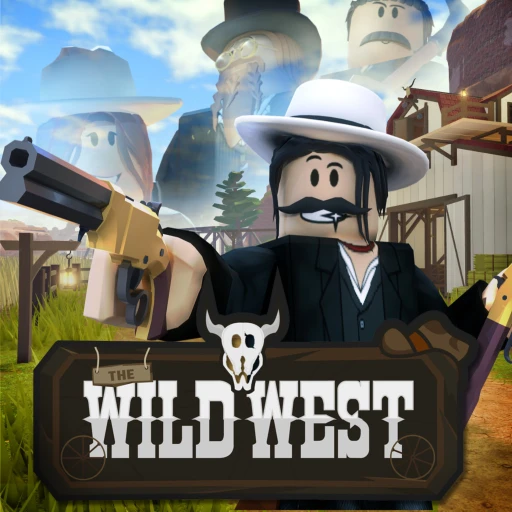
The Wild West is an open-world western sandbox that launched in paid access back in February 2019 before going free-to-play. The map is enormous. You'll find mining caves, small frontier towns, vast desert stretches, and forested mountain regions -- all connected in a seamless open world that genuinely rewards exploration.
Your primary activities break down into several categories: mining gold ore and selling it at the assayer, hunting animals for pelts and meat, completing bounty contracts, robbing the bank or the train for fast cash, and trading goods with other players. Each activity feeds into a broader economy where cash lets you buy weapons, horses, properties, and cosmetic upgrades. The freedom is the point. You set your own goals.
Combat uses a manual aiming system that feels responsive once you get the hang of it. Revolvers, rifles, shotguns, and bows all behave differently, and weapon choice matters depending on the situation. Robbing the bank in Valentine, for instance, requires a different loadout than taking on a bear in the northern woods. Factions add a social layer where groups of players can claim territory, set bounties on rivals, and wage small-scale wars across the map.
Dead Rails
Dead Rails takes a radically different approach. Set in 1899 during a full-blown zombie apocalypse, the entire game revolves around a single objective: travel 80 kilometers by steam train from the American frontier to Mexico, where a cure supposedly exists. The catch is that every kilometer of track is swarming with the undead and worse.
Up to 20 players share one train per server. You'll choose a class -- options include Gunslinger, Doctor, Engineer, and others -- each with distinct abilities that shape your role during the run. The Engineer keeps the locomotive fueled and repaired. The Doctor bandages downed teammates. The Gunslinger handles the bulk of the shooting. Coordination isn't optional; it's survival.
What keeps Dead Rails unpredictable is its dynamic event system. Full moon nights spawn werewolves. Lightning storms can electrify metal surfaces on the train. Bandit ambushes force you to defend multiple flanks simultaneously. Between stops, players can scavenge nearby buildings for ammunition, fuel, and medical supplies. If you die, teammates with bandages can revive you, or you can self-revive for 45 Robux -- though most experienced players consider that a last resort. The 80 km run typically takes 40 to 60 minutes, and failing at kilometer 75 hits different from failing at kilometer 10.
Progression -- How Quickly Does It Hook You?
The Wild West operates on a slow-burn progression model. Your first few hours are spent mining copper and iron, earning modest cash, and slowly upgrading to better tools and weapons. Reaching the point where you can afford a quality horse and a reliable rifle takes roughly 8 to 12 hours of play. The game doesn't rush you, and that's intentional. Milestones like buying your first property or joining a faction feel earned because they took real effort.
Dead Rails hooks you much faster. Your first complete train run can happen within an hour of starting, and the tension of defending the train creates immediate engagement. Progression here is more about knowledge than grinding. Learning enemy patterns, understanding when to scavenge versus when to stay on the train, and mastering your chosen class all happen naturally through play. The game also tracks distance milestones and survival streaks, giving you concrete goals each session.
For players who want something they can sink months into, The Wild West has the deeper well. Its economy, faction politics, and property system create long-term goals that keep veteran players engaged years after launch. Dead Rails is more session-based -- each run is a complete arc -- but its randomized events mean no two runs feel identical, which creates a different kind of staying power.
Edge: The Wild West for long-term depth. Dead Rails for instant engagement.
Graphics and Audio
The Wild West uses a semi-realistic art style that's aged well for a 2019 Roblox game. Sunsets across the desert look genuinely impressive, and the day-night cycle affects gameplay in meaningful ways -- visibility drops at night, making ambushes more dangerous. Town interiors have a lived-in quality with period-appropriate props. The audio design is understated but effective: ambient wind, horse hooves on different terrain types, and directional gunshot sounds all contribute to immersion.
Dead Rails goes for a grittier, more atmospheric aesthetic. The permanent dusk lighting and heavy fog create a constant sense of dread that fits the horror theme. The train itself is visually detailed, with steam venting from the locomotive and lantern light flickering in the passenger cars. Sound design is where Dead Rails really shines, though. Zombie groans that grow louder as hordes approach, the screech of the train brakes, and the crack of thunder during storm events all work together to keep tension high. The audio cues are functional too -- experienced players learn to read approaching threats by sound alone.
Both games run on Roblox's engine, so neither will rival a AAA title. But within the platform's constraints, they both look and sound strong for their respective styles. The Wild West aims for scenic beauty. Dead Rails aims for atmospheric dread.
Edge: Dead Rails for atmosphere and sound design. The Wild West for environmental beauty.
Player Count and Community (July 2026)
Dead Rails exploded onto the scene and rapidly became one of the most-played games on Roblox. At its peak in April 2025, the game hit 1.3 million concurrent players -- a staggering number that put it alongside titans like Adopt Me and Brookhaven. As of April 2026, that number has settled considerably. Daily active players now range between 10,000 and 20,000, which is still a healthy population but represents a sharp decline from its viral peak.
The Wild West, by contrast, has never had a viral moment of that magnitude. Its concurrent player count typically sits between 3,000 and 8,000. But here's the thing: those numbers have remained remarkably stable since 2021. The Wild West community is smaller but deeply loyal, with active faction discords, trading communities, and content creators who have been covering the game for years. Starboard Studios maintains a consistent update cadence that keeps this core audience engaged.
Dead Rails benefits from a larger YouTube and TikTok presence, with viral clips of dramatic train defenses and close calls regularly hitting millions of views. Its community skews younger and more casual, which makes sense given its shorter session length and cooperative structure. The Wild West community tends toward older Roblox players who appreciate the slower pace and the freedom to roleplay within the western setting.
Edge: Dead Rails for raw numbers. The Wild West for community stability and longevity.
Game Passes and Monetization
Neither game forces you to spend Robux to enjoy the core experience, which is worth stating upfront. Both are genuinely free-to-play with optional purchases that provide convenience or cosmetic benefits.
The Wild West offers several targeted game passes. Extra bank slots cost 75 Robux, additional faction slots run 25 Robux, and the quest refresh pass is 50 Robux. The Starter Pack is the most substantial purchase, bundling $5,000 in-game cash, exclusive outfits, a cosmetic holster, the exclusive 1887 Sawed Off Shotgun, and a 14-day +50% XP boost. There's also a Banjo game pass that gives you a portable instrument using the Virtual Piano UI, and a Faction Logo pass that lets faction leaders set a custom logo using any Roblox decal ID. None of these break the game's balance.
Dead Rails currently has 11 purchasable items. Weapon game passes are priced at 148 Robux each (though regional pricing can bring that down to around 60 Robux in some areas). The More Storage pass costs 79 Robux (or as low as 35 Robux regionally). Buying every permanent game pass totals approximately 523 Robux. There's also the 45 Robux self-revive during runs, which is a consumable purchase -- though it's never required. All game passes are permanently unlocked once purchased.
The Wild West's monetization feels more cosmetic and convenience-oriented. Dead Rails leans slightly more toward gameplay advantages with its weapon passes, though none are strictly necessary to complete a run successfully.
Edge: The Wild West for fairer monetization. Dead Rails for more purchasing options.
Social Features
Social interaction in The Wild West is organic and player-driven. The faction system is the cornerstone -- groups of players band together, claim informal territories, set internal rules, and wage wars against rival factions. Player-to-player trading creates an in-game economy that functions independently of the developer's design. You'll find players setting up shop in towns, bartering rare items, and negotiating deals. The saloon in Valentine is essentially a social hub where deals happen, alliances form, and disputes occasionally escalate into duels.
Dead Rails structures its social features around the cooperative run. Communication is critical: calling out incoming threats, coordinating scavenging stops, and deciding when to push forward versus when to bunker down. The class system naturally encourages teamwork because no single class can handle everything alone. After-run lobbies let players compare stats and form groups for the next attempt. While there's less emergent social gameplay compared to The Wild West's faction politics, the shared intensity of a close run creates strong bonds between players. Many Dead Rails communities organize through Discord, hosting coordinated runs with assigned class roles for maximum efficiency.
Edge: The Wild West for organic, player-driven social systems. Dead Rails for structured cooperative play.
Replay Value
Replay value is where these two games diverge most sharply. The Wild West is a sandbox, and sandbox games live or die by whether you can keep finding things to do. After 50 hours, you'll have a solid property, good weapons, and an established reputation. After 200 hours, you're deep in faction politics, running trade routes, and mentoring newer players. The game's economy and social systems create emergent gameplay that the developers didn't even specifically design -- and that's a sign of a healthy sandbox.
Dead Rails relies on variety within repetition. Every 80 km run follows the same basic structure, but the randomized events, enemy spawns, and loot placement ensure that no two runs play out identically. A run where you hit a werewolf full moon at kilometer 30 feels completely different from one where bandit ambushes stack up in the final stretch. The class system also extends replayability -- mastering the Engineer feels nothing like mastering the Gunslinger, and switching classes keeps the game fresh for dozens of hours.
The ceiling is different for each game. The Wild West has nearly limitless replay value if you enjoy sandbox emergent gameplay. Dead Rails has a higher floor -- every session is engaging -- but its ceiling is lower because you'll eventually see most of what the event system can throw at you. Updates from Doomspire Interactive have been adding new enemies, environmental hazards, and a recent Stranger Things '85 crossover event, which helps keep the content pipeline flowing.
Earning Free Robux While You Play
Both The Wild West and Dead Rails have optional game passes worth considering, and earning free Robux through Earnaldo is a practical way to fund those purchases without spending real money. Whether you're saving up for The Wild West's Starter Pack or Dead Rails' weapon passes, completing tasks on Earnaldo lets you withdraw Robux directly to your account. Check out our The Wild West free Robux guide and Dead Rails free Robux guide for game-specific strategies.
Earn Free Robux for The Wild West or Dead Rails
Want more Robux for game passes and upgrades? Earnaldo lets you earn free Robux by completing simple tasks -- no surveys, no downloads, just real rewards.
Head-to-Head Verdict -- The Wild West vs Dead Rails in 2026
The Verdict
Choose The Wild West if you want a sandbox where you set the pace. Mining, trading, faction warfare, and genuine player-driven economics make it the stronger choice for players who enjoy long-term goals and emergent social gameplay. It's quieter, slower, and deeply rewarding for the patient.
Choose Dead Rails if you want intensity in every session. The cooperative train defense, dynamic events, and horror atmosphere deliver consistent thrills in 40-to-60-minute bursts. It's the better pick for players who want action from minute one and enjoy coordinated teamwork.
Overall: These games scratch fundamentally different itches despite sharing a western theme. Dead Rails has the higher peak player count and the more accessible gameplay loop, making it easier to recommend to newcomers. The Wild West has the deeper systems and the more loyal community, making it the better investment for players who want a game they'll still be playing six months from now. There's no wrong choice here -- just different priorities.
Who Should Play What?
- You love open-world exploration: The Wild West, because its massive map rewards curiosity with hidden locations, resources, and random encounters.
- You want cooperative survival: Dead Rails, because defending the train as a team creates some of the tensest moments on Roblox.
- You're a solo player: The Wild West, because its open world is fully enjoyable alone -- mine, hunt, and explore at your own pace without relying on teammates.
- You have limited play time: Dead Rails, because a full run takes under an hour and delivers a complete experience every session.
- You create content: Dead Rails, because its dramatic moments -- close calls, clutch revives, dramatic boss fights -- generate clips that perform well on YouTube and TikTok.
- You want to earn Robux: Both work great with Earnaldo. Earn free Robux through tasks and spend them on game passes in either game.
If you're into other Roblox experiences too, our Jailbreak free Robux guide covers another popular game where Earnaldo rewards can make a real difference.
Frequently Asked Questions
Dead Rails holds the popularity edge. It peaked at over 1.3 million concurrent players in April 2025 and still draws 10,000-20,000 daily active players as of July 2026. The Wild West typically sits between 3,000 and 8,000 concurrent players. However, The Wild West has maintained a steadier community since its 2019 launch, while Dead Rails has experienced sharper fluctuations.
Yes, both support multiplayer. The Wild West lets you join open-world servers with friends where you can form factions, trade, and rob banks together. Dead Rails is built around cooperative gameplay where up to 20 players defend a single train, making teamwork essential for survival. Dead Rails feels more tightly cooperative because everyone shares the same objective.
Dead Rails offers roughly 11 purchasable game passes, including weapon unlocks at 148 Robux each and a More Storage pass at 79 Robux. The full set costs about 523 Robux. The Wild West sells passes like extra bank slots (75 Robux), faction slots (25 Robux), a quest refresh pass (50 Robux), and a Starter Pack with exclusive items. Neither game locks core gameplay behind a paywall.
Not really. While both share a Wild West aesthetic, they play very differently. The Wild West is an open-world sandbox RPG where you mine, hunt, trade, and build your reputation at your own pace. Dead Rails is a linear survival experience on a moving train, fighting zombies, vampires, and werewolves across an 80 km journey. The only real overlap is the cowboy setting.
Dead Rails generally runs smoother on mobile devices because its gameplay is more contained within the train environment. The Wild West has a large open world that can cause frame drops on older phones and tablets, especially in populated towns. Both are playable on mobile, but Dead Rails offers a more optimized handheld experience.
Both games release promotional codes periodically. The Wild West codes typically grant in-game cash and XP boosts, while Dead Rails codes give items and currency. Check our dedicated guides for the latest working codes: The Wild West free Robux guide and Dead Rails free Robux guide for up-to-date lists.
The Wild West and Dead Rails represent two very different visions of the Roblox frontier. One gives you the freedom to carve your own path through a living western world. The other puts you on rails -- literally -- and dares you to survive. Whichever direction you ride, both games deliver experiences that stand among the best on the platform in 2026.