Wacky Wizards vs Grow a Garden (2026) -- Which Roblox Game Is Better?
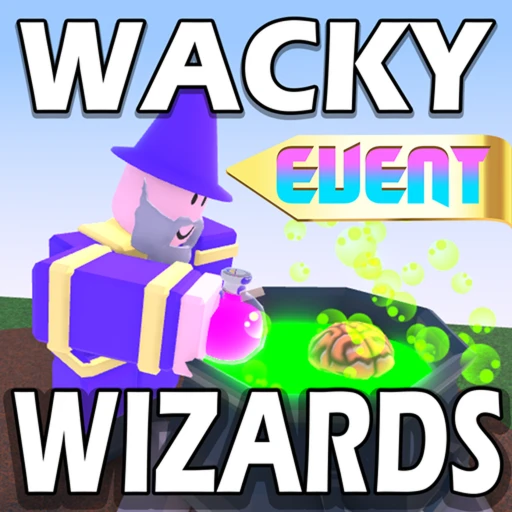
One game hands you a cauldron and 700 potion recipes to experiment with. The other hands you a watering can and a patch of dirt to turn into something beautiful. Wacky Wizards and Grow a Garden are both sandbox experiences on Roblox, but they channel that creative freedom in completely different directions — chaotic magical experimentation on one side, peaceful agricultural patience on the other.
Together, these two titles represent nearly 22 billion total visits and two of the most distinctive gameplay loops on the platform. Wacky Wizards has been a Roblox staple since 2021 with a fiercely loyal community and a 90.3% approval rating. Grow a Garden exploded onto the scene as the biggest new Roblox game of 2025-2026, shattering every concurrent player record in Roblox history. This comparison breaks down everything from core mechanics to monetization so you can decide which sandbox deserves your next session — or whether you need both in your rotation.
Wacky Wizards vs Grow a Garden -- Quick Stats (2026)
| Category | Wacky Wizards | Grow a Garden |
|---|---|---|
| Genre | Potion-brewing sandbox | Farming simulator |
| Developer | Whacky Wizards (Jandel) | Splitting Point Studios |
| Place ID | 6888253864 | 126884695634066 |
| Total Visits | 997M+ | 21B+ |
| Peak CCU | ~200K (historical) | 21.3M (all-time Roblox record) |
| Approval Rating | 90.3% | 90%+ |
| Core Loop | Collect ingredients, brew potions, discover recipes | Plant seeds, water crops, harvest, trade |
| Content Depth | 700+ potion recipes, 80+ ingredients | 100+ seed types, pets, mutations, trading |
| Boss Fights | Yes (Mr. Rich hourly boss) | No |
| Pets | No | Yes (collectible, with traits and mutations) |
| Trading | Limited | Extensive player-to-player economy |
| Key Monetization | Premium ingredients via Gems/Robux | Game passes, cosmetic boosts |
| Mobile-Friendly | Yes | Yes |
| Free-to-Play | Yes | Yes |
Gameplay -- What Do You Actually Do?
Wacky Wizards
Wacky Wizards drops you into a colorful, cartoonish world centered around one simple premise: mix ingredients in a cauldron to brew potions, then drink them to see what happens. What sounds like a five-minute concept has been stretched into one of the deepest sandbox experiences on Roblox, with over 700 unique potion recipes to discover and a constantly expanding ingredient library that now includes over 80 items.
You start with six basic ingredients that you can toss into your workbench cauldron. Each ingredient on its own produces a basic potion — drop in a spider and drink the result to sprout extra legs, add a fairy and you'll shrink down to miniature size. The real magic happens when you combine ingredients. Two, three, or even four items mixed together can produce wildly unpredictable effects that transform your avatar in hilarious and often absurd ways. The discovery element is the heart of the game — there's no hand-holding, no quest marker pointing you to the next recipe. You experiment, you fail, you stumble onto something incredible, and you share it with the server.
Beyond the cauldron, Wacky Wizards has layered in progression systems that give structure to the chaos. Ingredients aren't all sitting on a shelf waiting for you — many require completing quests, solving puzzles, or exploring hidden areas across the map to unlock. The ingredient hunt gives players clear goals to work toward between brewing sessions. Some of the most coveted ingredients are locked behind multi-step quest chains that demand genuine problem-solving, and the community has built an entire ecosystem of guides and walkthrough content around these hunts.
The boss fight system adds a surprising action element. Every hour, a massive boss named Mr. Rich spawns and begins attacking players with potions from the sky, rolling rocks, and energy balls. Players fight back by loading cannons with potions, and defeating him drops the Cyclops Eye — a powerful ingredient used in some of the game's most impressive recipes. These boss encounters transform the typically chill sandbox into a cooperative action sequence that brings the entire server together, creating a shared experience rhythm that keeps sessions from ever feeling stagnant.
Grow a Garden
Grow a Garden strips away every ounce of complexity and replaces it with patience, routine, and deeply satisfying reward cycles. You start with a small garden plot and a handful of basic seed types. You plant, you water, you wait. When your crops mature, you harvest them for Sheckles — the in-game currency — which you use to buy more seeds, better gear, pets, and garden expansions. Plants grow even while you're offline, so the game naturally incentivizes daily check-ins rather than marathon sessions.
The brilliance of Grow a Garden is how satisfying it makes simple actions feel. Watering a row of seedlings produces gentle visual feedback — plants respond, soil changes color, and growth timers tick forward at a pace that feels earned without being punishing. Rare seed types take significantly longer to grow but yield much higher rewards, creating a natural progression curve where patience is the primary skill being tested. The game never rushes you. There are no timers counting down to failure, no enemies threatening your crops, and no mechanics designed to create anxiety.
The pet system adds a strategic layer that veteran players obsess over. Pets aren't just cosmetic companions — each one has a unique trait that directly affects your garden. Some pets dig up bonus seeds, others increase crop size, and certain rare pets can grant mutations to your plants that dramatically increase their value. With over 60 pet inventory slots available and a mutation machine that transforms pets once they reach age 50, there's a deep optimization game beneath the calm surface. The mutation system itself has expanded substantially in 2026, with recent updates adding Choc, Plasma, Gummy, Ash, Haze, and Smoldering mutations that have reshaped the trading meta.
Trading is where the social depth truly opens up. Players can visit each other's gardens, compare collections, and trade plants and pets directly. Rare and legendary plant varieties have become status symbols and trading currency within the community. The trading economy has developed its own sophisticated meta — certain pet-mutation combinations are worth exponentially more than base versions, and experienced traders build collections strategically to maximize value. For a game built on the simplest possible premise, the depth of its player-driven economy is remarkable.
Edge: Depends entirely on what you're looking for. Wacky Wizards wins for creative experimentation, surprise, and that "what happens if I try this?" energy that makes sandbox games addictive. Grow a Garden wins for relaxation, long-term progression, and the daily-return-loop that keeps you engaged over weeks and months. They scratch fundamentally different itches.
Progression -- How Deep Does It Go?
Wacky Wizards builds its progression around discovery. Your primary measure of advancement is your potions book — a comprehensive catalog that tracks every recipe you've brewed. With over 700 entries to fill, completionists have months of content ahead of them. Filling out the book requires not just experimenting with combinations but also unlocking new ingredients through quests and exploration. Some ingredients are hidden behind elaborate puzzle chains that require multiple sessions to complete. Others are seasonal or event-exclusive, creating urgency around limited-time content windows. The ingredient hunt is genuinely engaging — finding a new ingredient doesn't just add one more potion to your book, it potentially unlocks dozens of new combinations involving that ingredient paired with everything you already own.
The premium ingredient system adds another progression track. Gems, earned through daily quests or purchasable with Robux, unlock premium ingredients that produce unique potion effects not available through free ingredients. This creates a parallel progression path where dedicated free players can earn their way to premium content over time, while players willing to spend can accelerate access. The premium potions are marked with yellow text in the potions book, giving collectors a clear visual indicator of what's left to discover.
Grow a Garden takes progression in a more traditional direction — and executes it brilliantly. Your garden itself is your progression. Every new seed type unlocked, every plot expanded, every rare plant grown and harvested is a tangible mark of how far you've come. The level system gates access to new garden areas with distinct soil types, weather conditions, and plant varieties suited to each environment. A desert greenhouse plays differently from a tropical rainforest plot, and unlocking each one feels like opening a new chapter of the game.
The pet progression system adds considerable depth. Starting with three equip slots and working toward a maximum of eight through game passes and aged pet trades creates clear upgrade goals. Getting a pet to age 50 for mutation eligibility is a significant time investment that transforms a common pet into something potentially extraordinary. The mutation machine's 500 million Sheckle cost (or 49 Robux to skip the wait) means mutations feel like milestone achievements rather than routine upgrades. Each mutation adds new visual flair and can alter a pet's trait effectiveness, making the decision of which pet to mutate a genuinely strategic one.
The collection system drives completionist behavior across multiple dimensions. There are plant varieties spanning common, uncommon, rare, epic, and legendary tiers. Pet collections span regular, golden, event-exclusive, and mutated variants. Filling out both encyclopedias simultaneously creates overlapping progression goals that keep the sense of forward momentum alive even in sessions where one system feels slow.
Edge: Grow a Garden. Its layered progression across plants, pets, mutations, garden areas, and trading creates more parallel advancement paths than Wacky Wizards' primarily recipe-focused system. Wacky Wizards has deep discovery-based progression, but Grow a Garden gives you more simultaneous goals to work toward at any given time.
Graphics and Atmosphere
These two games establish completely different visual identities, and both succeed at what they're going for.
Wacky Wizards leans into a bright, exaggerated cartoon aesthetic that perfectly matches its chaotic energy. The world is colorful and slightly absurd — your brewing station sits in an open field surrounded by quirky landmarks, NPC characters with oversized features, and environmental details that reward exploration. The potion effects are the visual star of the show. Drinking a potion might turn your avatar into a giant, shrink you to ant size, give you a spider's worth of extra limbs, or transform your head into something unrecognizable. The visual comedy of seeing an entire server full of grotesquely modified avatars running around is half the game's appeal. The art style is deliberately goofy and unpretentious — it doesn't try to look realistic or atmospheric, it tries to make you laugh, and it succeeds consistently.
Grow a Garden goes in the opposite direction with warm, inviting visuals designed to make you feel comfortable. Plants are rendered with detailed growth stages that make watching them develop from sprout to full bloom genuinely pleasant. Water effects shimmer across garden beds. Soil textures shift as moisture levels change throughout the day cycle. Garden areas are designed with cozy aesthetics — stone pathways, wooden fences, hanging lanterns, and seasonal decorations that rotate throughout the year. The Easter 2026 update added a gorgeous Lilac garden plot with thematic decorations that showcase how far the visual design has come. The audio design matches the visuals perfectly: gentle ambient music, the soft splash of a watering can, birdsong that shifts based on time of day and garden location. Everything in Grow a Garden is engineered to lower your stress level.
Edge: Tie. Wacky Wizards delivers visual comedy and creative chaos that no other Roblox game matches — watching potion effects transform your avatar never gets old. Grow a Garden is a masterclass in cozy game design, with visuals and audio that create genuine relaxation. They're aiming at completely different emotional targets and both hit their marks precisely.
Player Count and Community (July 2026)
Wacky Wizards has built a dedicated and passionate community since its launch in 2021. With nearly 1 billion total visits and a 90.3% approval rating, it's one of the most consistently well-received games on the platform. The community centers around recipe discovery and ingredient guides — wikis, Discord servers, and YouTube channels are packed with potion lists, ingredient location walkthroughs, and creative challenge videos. The collaborative nature of recipe hunting creates a knowledge-sharing culture where experienced players actively help newcomers discover combinations. Content creators have gravitated toward Wacky Wizards for its inherent visual comedy — potion effect showcase videos perform well across every platform because the transformations are immediately entertaining and shareable. For detailed strategies, see our Wacky Wizards free Robux guide.
Grow a Garden operates on an entirely different scale. The game has accumulated over 21 billion visits and shattered every concurrent player record in Roblox history. Its Blood Moon update in May 2025 brought 5 million concurrent players. The Bizzy Bees update pushed that to 11.7 million. The Working Bees update hit 16 million. And the Summer Update established an all-time peak of 21.3 million concurrent players — numbers that rival major standalone games on any platform. The community is one of the friendliest and most active on Roblox, with garden showcases, trading hubs, pet mutation guides, and growing strategies dominating its social spaces. The trading economy has spawned dedicated value-tracking websites and Discord servers that function like miniature stock exchanges. Our Grow a Garden free Robux guide covers earning strategies tailored to the game, and our codes page keeps you updated on active redemption codes.
The scale difference between these two communities is dramatic but doesn't diminish either one. Wacky Wizards has a tight-knit, enthusiastic player base that knows the game inside and out. Grow a Garden has a massive, rapidly growing community that spans every demographic on Roblox. Both communities are welcoming to newcomers, just at different scales.
Game Passes and Monetization
Wacky Wizards uses a dual-currency monetization system. The primary premium currency is Gems, which can be earned through daily quests or purchased with Robux. Gems unlock premium ingredients that produce exclusive potion effects marked with yellow highlighting in the potions book. The system is designed so that patient free players can eventually access all premium content through consistent daily play, while spenders can accelerate the process. There are no gameplay-critical purchases — all premium content is experiential rather than advantageous. The base game, including the vast majority of ingredients, all quests, boss fights, and core brewing mechanics, is completely free.
Grow a Garden monetizes through a broader mix of game passes and optional convenience items. The Limited Time Shop offers game passes that can expand your pet equip slots beyond the default three, which is a meaningful quality-of-life improvement for serious players. Speed-growth boosts let you skip waiting times (the mutation machine's hour-long process, for example, can be bypassed for 49 Robux). Cosmetic garden decorations, character outfits, and seasonal bundles round out the shop. The Easter 2026 event introduced Choc Coins as an event currency with its own reward track, demonstrating how the game layers temporary monetization on top of its permanent shop without making either feel predatory.
Edge: Tie. Both games follow the same ethical philosophy — charge for cosmetics and convenience, give away the actual game for free. Wacky Wizards' Gems system is clean and transparent, letting free players earn premium content over time. Grow a Garden's broader shop offers more variety in what you can buy but never makes any purchase feel mandatory. Neither game engages in aggressive monetization tactics, and both respect players who choose not to spend.
Social Features
Wacky Wizards thrives on shared chaos. The game's social magic comes from everyone brewing in the same space and seeing each other's results. Watching someone discover a wild potion combination and suddenly transform into something ridiculous creates spontaneous shared moments that are impossible to script. Players naturally cluster around the cauldron area, comparing effects, sharing recipe tips, and daring each other to drink suspicious-looking concoctions. The hourly Mr. Rich boss fight brings the entire server together in a cooperative effort that breaks up solo experimentation with group action. Private servers let friend groups run dedicated discovery sessions where they can systematically work through ingredient combinations without distraction.
Grow a Garden builds its social layer around visiting and trading. You can tour other players' gardens, browse their plant and pet collections, and initiate direct trades. The visiting system is entirely opt-in and low-pressure — there's no competitive element, no way to sabotage someone's garden (though the game does include a Robux-powered crop-stealing mechanic that adds a mischievous dynamic), and no obligation to interact if you'd rather farm in peace. Trading is where the social depth truly lives. Negotiating rare pet swaps, building relationships with regular trading partners, and participating in community trading events create organic social connections. Garden showcases — where players open their plots for public viewing — have become a beloved community tradition that's as much about socializing as it is about showing off horticultural achievements.
Edge: Grow a Garden. Its trading economy creates sustained social engagement with real stakes and genuine relationship-building between regular trading partners. Wacky Wizards' shared chaos is delightful but more spontaneous than structured — you laugh together in the moment, but the social connections don't carry the same weight session to session. Grow a Garden's trading relationships create reasons to seek out specific players repeatedly.
Replay Value -- Will You Still Play Next Month?
Wacky Wizards generates replay value through its massive recipe catalog and ongoing content updates. With over 700 potions to discover, even players who've logged hundreds of hours are unlikely to have found everything. New ingredient additions expand the recipe space exponentially — each new ingredient creates potential combinations with every existing ingredient, meaning a single content update can add dozens of new recipes. The boss fight cadence creates hourly appointment gameplay that gives sessions natural rhythm. Seasonal events with limited-time ingredients create urgency that pulls lapsed players back in. The fundamental appeal of the game — "what happens if I mix these?" — is evergreen in a way that few gameplay loops manage to be.
Grow a Garden's replay value is baked into its session design. The game is built for short, regular check-ins over weeks and months rather than marathon play sessions. Plants grow while you're offline, meaning every login begins with the satisfaction of harvesting mature crops and the decision of what to plant next. The steady stream of new seeds, pets, mutations, garden areas, and seasonal events ensures the content pipeline never runs dry. The 2026 Easter update alone added 18 new crops, 6 mutations, 10 pets, and an entirely new event currency system — and that's one update among many. The trading economy adds social replay value that doesn't depend on developer content drops — there's always a new rare pet to hunt for, a better trade to negotiate, or a collection milestone to reach.
Both games benefit from active developer support. Wacky Wizards has been consistently updated since 2021, maintaining player interest through ingredient additions, map updates, and seasonal content. Grow a Garden's update cadence is currently among the most aggressive on Roblox, with major content drops arriving multiple times per month during peak periods.
Edge: Grow a Garden. Its daily-return loop and offline progression create a stickier long-term engagement pattern. The combination of plant growth timers, pet aging, mutation goals, and trading ambitions means there are always multiple reasons to come back tomorrow. Wacky Wizards has excellent replay value driven by its discovery element, but its session structure means players are more likely to play in bursts followed by breaks rather than maintaining a daily cadence.
Earning Free Robux While You Play
Whether you're eyeing premium ingredients in Wacky Wizards or a pet slot game pass in Grow a Garden, Earnaldo lets you earn free Robux by completing straightforward tasks like surveys, watching videos, and trying mobile apps. Both games have natural downtime that aligns perfectly with earning — Wacky Wizards between boss fight cooldowns and ingredient hunts, Grow a Garden during the crop growth periods that define its gameplay rhythm. You can stack Robux earning on top of your normal play sessions without sacrificing any in-game progress.
For game-specific earning strategies, check out our Wacky Wizards free Robux guide and our Grow a Garden free Robux guide. And don't miss our regularly updated Grow a Garden codes page for free in-game items.
Earn Free Robux for Either Game
Complete simple tasks on Earnaldo and withdraw real Robux -- no downloads, no generators, no scams.
Head-to-Head Verdict -- Wacky Wizards vs Grow a Garden in 2026
The Verdict
Choose Wacky Wizards if you want a game that rewards curiosity, creativity, and the joy of unexpected discovery. Jandel's potion-brewing sandbox has earned its 90.3% approval rating and nearly 1 billion visits through a gameplay loop that never stops surprising you. With 700+ recipes to discover, engaging ingredient quests, and hourly boss fights that bring the community together, Wacky Wizards delivers a type of sandbox freedom that's genuinely unique on Roblox. It's the game you play when you want to experiment without consequences and laugh at the results.
Choose Grow a Garden if you want a game that respects your time, rewards your patience, and gives you reasons to come back every single day. The biggest new Roblox game of 2025-2026 didn't earn its 21 billion visits and record-shattering 21.3 million concurrent players through flashy mechanics — it earned them by making the simple act of growing a garden feel genuinely satisfying. The pet system adds strategic depth, mutations create milestone moments, the trading economy builds real social connections, and the entire experience is designed to be a calm, rewarding space in a platform full of high-intensity titles.
The bottom line: These games complement each other perfectly. Wacky Wizards is the game you play when you want creative chaos — ten minutes of throwing random ingredients into a cauldron and seeing what happens. Grow a Garden is the game you play when you want structured progress — check your crops, water your seeds, age your pets, and log off knowing everything will keep growing while you're away. Having both in your rotation gives you a sandbox for every mood, and both are completely free to enjoy at their core.
Who Should Play What?
- You love experimenting and discovering things on your own: Wacky Wizards. Its recipe discovery system is unmatched for that "eureka" feeling when a new combination works.
- You want a relaxing game to check into daily: Grow a Garden. Its offline growth and daily-return structure fit perfectly into busy schedules.
- You enjoy collecting and trading with other players: Grow a Garden. The pet and plant trading economy is one of the most active on Roblox.
- You want to make your friends laugh: Wacky Wizards. Showing up to a server with eight spider legs and a giant head never stops being funny.
- You like boss fights and cooperative challenges: Wacky Wizards. The hourly Mr. Rich encounter adds action to the sandbox formula.
- You prefer long-term progression with visible milestones: Grow a Garden. Watching your garden expand from a small plot to a sprawling farm is deeply satisfying.
- You play in short bursts between other activities: Both work well for short sessions — Wacky Wizards for quick potion experiments, Grow a Garden for quick harvest-and-replant cycles.
- You want a game your whole friend group can enjoy together: Grow a Garden for trading and garden tours, Wacky Wizards for shared potion chaos and boss fights.
Frequently Asked Questions
Grow a Garden is significantly more popular by total visits, with over 21 billion compared to Wacky Wizards' nearly 1 billion. Grow a Garden also set the all-time Roblox concurrent player record at over 21 million CCU during its Summer Update. However, Wacky Wizards has been a beloved staple of the platform since 2021 and maintains a loyal, active community with a strong 90.3% approval rating.
Yes, both games support multiplayer. Wacky Wizards lets you brew potions alongside friends in shared servers, test potion effects on each other, and collaborate on ingredient hunts and boss fights. Grow a Garden lets you visit friends' gardens, trade plants and pets, and share the farming experience in a relaxed social setting. The multiplayer experience differs — Wacky Wizards is about shared chaos, Grow a Garden is about cooperative growth and trading.
Both games are great choices for younger players. Wacky Wizards has a playful, cartoonish art style and sandbox freedom that appeals to all ages — potion effects are funny rather than scary. Grow a Garden is equally welcoming with calm farming gameplay, bright visuals, and zero-stress progression. Neither game contains content inappropriate for young audiences, though Grow a Garden's simpler mechanics may be easier for very young players to grasp immediately.
Neither game requires Robux to enjoy the full core experience. Wacky Wizards offers premium ingredients purchasable with Gems, which can be earned through daily quests or bought with Robux. Grow a Garden sells optional game passes for pet slot expansions, cosmetic items, and quality-of-life boosts like mutation skip timers. Both games are generous with free content and don't lock essential gameplay behind paywalls.
Grow a Garden currently receives more frequent and larger updates, with regular content drops including new seeds, pets, mutations, seasonal events, and garden areas throughout 2025-2026. Wacky Wizards receives periodic updates that add new ingredients and recipes. Grow a Garden's explosive growth has been supported by one of the most aggressive update cadences on Roblox, while Wacky Wizards has built a deep content library over several years of steady development.
Yes. Platforms like Earnaldo let you earn free Robux by completing tasks such as surveys, watching videos, and trying apps. The Robux you earn can be spent on premium ingredients in Wacky Wizards or game passes and cosmetics in Grow a Garden. Check out our dedicated free Robux guides for each game for specific earning strategies.