Wisteria vs Jujutsu Shenanigans (2026) — Which Roblox Game Is Better?
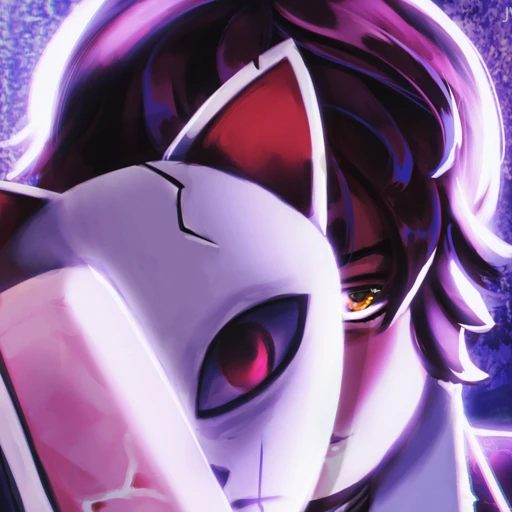
Two anime powerhouses, two very different approaches to combat on Roblox. Wisteria drops you into a Demon Slayer-inspired RPG where you train breathing styles, hunt demons across an open world, and climb the ranks of the Demon Slayer Corps. Jujutsu Shenanigans takes the Jujutsu Kaisen universe and distills it into a fast-paced PvP arena fighter where every character is free from the start and skill determines everything.
Between them, these games represent two distinct flavors of anime combat on Roblox. Wisteria has accumulated 62.5 million visits since its launch by developer kidso52 under the Demon Corps group, while Jujutsu Shenanigans has exploded past 5.5 billion visits and peaked at 338K concurrent players in March 2026. They share an anime foundation but differ in almost every other way. We tested both extensively to break down which one earns your time.
Wisteria vs Jujutsu Shenanigans — Quick Stats (2026)
| Category | Wisteria | Jujutsu Shenanigans |
|---|---|---|
| Genre | Demon Slayer RPG | Anime arena fighter |
| Place ID | 4723618670 | 9391468976 |
| Developer | kidso52 (Demon Corps) | Tze's Shenanigans |
| Concurrent Players | Under 100 | 145K–186K peak hours |
| Total Visits | 62.5M+ | 5.5B+ |
| Core Loop | Train breathing, slay demons, rank up | Pick fighter, combo opponents, climb ranks |
| Anime Inspiration | Demon Slayer (Kimetsu no Yaiba) | Jujutsu Kaisen |
| Key Features | Breathing styles, demon transformation, clan system | 21 free fighters, awakenings, domain expansions |
| Trading System | No formal trading | No formal trading |
| Mobile-Friendly | Playable but clunky | Yes, well-optimized |
| Free-to-Play | Yes | Yes |
Gameplay — What Do You Actually Do?
Wisteria
Wisteria is an open-world RPG that follows the Demon Slayer anime closely. You start as a trainee, talk to NPCs scattered across the map, and complete tasks to learn one of several breathing styles. Water Breathing is the most accessible — you find the Water Trainer near a waterfall in the south-west corner of the map. Thunder Breathing and Wind Breathing require trekking up a mountain to their respective trainers. Each trainer gives you three challenges: moving boulders, completing parkour, and sparring.
Once you've mastered a breathing style, the game opens up. You hunt demons roaming the world, earn experience and yen, and work toward passing Final Selection — the exam that graduates you from trainee to full Demon Slayer. The game also lets you go down the demon path instead. Demon transformation grants access to unique Demon Arts with their own skill trees and combat moves, offering a genuinely different gameplay experience from the slayer side.
The clan system adds another layer. Every player spawns with a common clan, but rare and ultra-rare clans provide stat buffs and unlock exclusive abilities. The Tsugikuni clan grants access to Moon Breathing, while the Kamado clan unlocks Sun Breathing. Getting these clans requires clan rerolls, which you can obtain through codes or Robux purchases. It's a gacha-style element layered on top of the RPG progression.
Jujutsu Shenanigans
Jujutsu Shenanigans throws out RPG progression entirely. You pick one of 21 characters from the lobby — all free, no unlocking required — and jump into arena combat. The game's core revolves around a tight combo system: M1 chains (basic melee attacks), four cooldown-based abilities unique to each character, dashing, and blocking. Matches are fast. Rounds typically last under two minutes.
What makes the combat deep is the Awakening system. Many characters have enhanced states that unlock mid-fight, dramatically changing their moveset and power level. The Honored One character gains Six Eyes, amplifying Infinity-based techniques. Vessel accesses King of Curses mode, adding devastating area attacks. These awakenings reference specific Jujutsu Kaisen moments, and landing them in combat feels rewarding because you've earned the transformation through dealing and taking damage.
The May 2026 Black Death update added two new characters — True Cannon and Black Death — reworked Cursed Partners, and introduced a Beam Clashing minigame. The development team ships major content drops roughly every month, keeping the meta fresh and the community engaged. For players who care about competitive fighting game depth on Roblox, this is one of the best options available as of July 2026.
Progression — How Quickly Does It Hook You?
Wisteria's progression is slow and deliberate. You'll spend your first 30 to 60 minutes just reaching a breathing trainer, completing their tasks, and learning your first style. After that, grinding demon kills to level your stats and earn enough experience for Final Selection takes several more hours. The game rewards patience — there's a real sense of accomplishment when you pass the exam and get your first rank in the Demon Slayer Corps. But that pacing won't suit everyone, especially players used to faster feedback loops.
Jujutsu Shenanigans hooks you in under five minutes. You pick a character, enter a match, and start fighting. There's no XP bar, no leveling system, and no stat grinding. Your progression is entirely skill-based: learning combos, reading opponents, timing Awakenings, and understanding matchups across the 21-character roster. The game tracks wins and has a ranking system, but the real progression happens in your muscle memory and game sense.
These two approaches serve different player types. Wisteria appeals to RPG fans who enjoy building a character over time, exploring a world, and earning power through investment. Jujutsu Shenanigans appeals to fighting game enthusiasts who want immediate access to the full experience and measure growth through skill improvement rather than stat sheets.
Edge: Jujutsu Shenanigans for instant engagement. Wisteria for long-form RPG satisfaction.
Graphics and Audio
Wisteria's art style leans into the Demon Slayer aesthetic with stylized environments, cherry blossoms, and traditional Japanese architecture. The breathing style animations are visually distinct — Water Breathing produces flowing blue effects, while Thunder Breathing crackles with yellow lightning trails. The world is atmospheric, especially at night when demon encounters become more frequent and the lighting shifts to match the tension. Audio is understated, relying on ambient environmental sounds and combat impact effects rather than a prominent soundtrack.
Jujutsu Shenanigans prioritizes combat readability over environmental beauty. The arena stages are clean and simple, keeping the focus on character animations and ability effects. And those effects deliver. Domain Expansions trigger dramatic visual sequences — Malevolent Shrine covers the arena in a dark shrine overlay, while Infinite Void warps the screen. Hit effects, combo strings, and Awakening transformations all have punchy, satisfying feedback. The sound design matches: impacts feel heavy, abilities have distinct audio cues, and successful combo chains produce a rhythm that experienced players learn to feel.
Edge: Wisteria for world-building atmosphere. Jujutsu Shenanigans for combat visual clarity and impact.
Player Count and Community (July 2026)
This is where the gap is widest. As of May 2026, Jujutsu Shenanigans sustains between 145K and 186K concurrent players during peak hours and surged to 338K after the Disaster Plants update in March 2026. The game sits comfortably in the top tier of Roblox anime experiences, competing with titles like Shindo Life and Anime Defenders for daily active players. Its Discord community is massive and active, with frequent tournaments, tier list debates, and combo-sharing threads.
Wisteria tells a different story. Despite accumulating 62.5 million visits over its lifetime and holding an 85.5% approval rating from over 136,000 votes, the game's active player count has declined sharply. On most days, you'll find fewer than 100 concurrent players, and often the count sits in single digits. The community that remains is dedicated, maintaining wiki pages and trading tips on Discord, but the game hasn't received the consistent updates needed to compete with newer anime titles.
For practical purposes, this means Jujutsu Shenanigans always has opponents to fight, active servers to join, and a buzzing social ecosystem. Wisteria's lower population makes it harder to find populated servers, and some multiplayer content feels sparse as a result. If community size matters to you, the numbers speak clearly.
Edge: Jujutsu Shenanigans by a wide margin.
Game Passes and Monetization
Wisteria's game passes are inexpensive and entirely non-competitive. Footstep Vision costs 200 Robux and lets you see footprints through walls — useful for tracking other players but not a combat advantage. Enhanced Nose at 350 Robux shows whether nearby players are human or demon via colored lines (white for human, red for demon). The Crow Cosmetic (50 Robux) and Skirt DLC (120 Robux) are pure cosmetics. The total cost to buy every game pass in Wisteria comes to under 800 Robux. None of them affect your breathing style damage, stats, or progression speed.
Jujutsu Shenanigans takes an even more player-friendly stance. All 21 fighters are free from the lobby with zero currency gates. The game's monetization runs through cosmetic game passes totaling around 950 Robux for the full set. These passes cover visual effects, custom emotes, and lobby customization — nothing that touches gameplay balance. In a genre where many anime Roblox games lock characters behind gacha mechanics or grind-walls, this approach stands out.
Both games respect free-to-play players. Neither locks meaningful content behind purchases. The difference is scope: Wisteria's passes add minor quality-of-life features, while Jujutsu Shenanigans' passes are purely cosmetic in a game where everything gameplay-related is already unlocked.
Edge: Jujutsu Shenanigans for its all-characters-free philosophy. Both games are fair to free players.
Social Features
Wisteria's social experience is shaped by its RPG structure. You encounter other players in the open world, can team up for demon hunts, and face each other in PvP outside of safe zones. The demon-versus-slayer dynamic creates an organic social tension — seeing another player approach and not knowing if they're friendly slayer or hostile demon adds a survival element. The clan system also creates identity: players with rare clans like Tsugikuni or Kamado tend to attract attention and become informal community figures on their server.
Jujutsu Shenanigans is social through competition. The lobby acts as a gathering space where players practice combos, challenge each other to 1v1s, and discuss matchups. Organized community tournaments happen regularly through Discord, and the game's Beam Clashing minigame (added in the May 2026 update) gives players a cooperative activity alongside the standard fighting. The shared experience of learning a new character's combo routes and sharing tech in the community builds a strong competitive bond.
Edge: Wisteria for organic world-based social encounters. Jujutsu Shenanigans for competitive community engagement.
Replay Value
Wisteria's replay value comes from its dual progression paths. Playing as a demon slayer with Water Breathing is a fundamentally different experience from playing as a demon with Blood Demon Art. Add the clan system's randomized buffs, multiple breathing styles to master, and the ranking system within the Demon Slayer Corps, and there's genuine reason to start fresh or continue pushing your current character. The downside is that the content ceiling arrives faster than in games with regular updates, and the declining player base makes some endgame activities feel empty.
Jujutsu Shenanigans has inherently high replay value because of its roster depth. Learning one character's combos and matchups is just the beginning. With 21 fighters (and more added with each major update), mastering the full roster takes hundreds of hours. The competitive ranking system provides a clear progression target, and the monthly update cycle keeps adding new characters and balance changes that shake up the meta. You won't run out of things to learn.
The key difference: Wisteria's replay value is content-driven (different builds, different paths), while Jujutsu Shenanigans' replay value is skill-driven (deeper mastery, broader roster knowledge). Both are valid, but Jujutsu Shenanigans' live-service model with frequent updates gives it a longer tail for most players.
Earning Free Robux While You Play
Whether you're grinding breathing styles in Wisteria or perfecting combo routes in Jujutsu Shenanigans, you can earn free Robux on the side through Earnaldo. Jujutsu Shenanigans' short match format makes it easy to complete earning tasks between rounds. Wisteria's longer play sessions have natural downtime during travel and training that works well for checking offers. For game-specific earning strategies, check our Wisteria free Robux guide and Jujutsu Shenanigans free Robux guide.
Earn Free Robux for Wisteria or Jujutsu Shenanigans
Want more Robux for game passes and other Roblox games? Earnaldo lets you earn free Robux by completing simple tasks — no surveys, no downloads, just real rewards.
Head-to-Head Verdict — Wisteria vs Jujutsu Shenanigans in 2026
The Verdict
Choose Wisteria if you love Demon Slayer, want a story-driven RPG experience with open-world exploration, and prefer building a character through breathing styles and clan progression over time. It's a slower, more atmospheric experience that rewards investment and offers genuine variety through its demon and slayer paths.
Choose Jujutsu Shenanigans if you want fast, skill-based combat with zero grind, an active community of hundreds of thousands of players, and a fighting game that respects your time by making every character free. It's one of the best competitive anime experiences on Roblox right now.
Overall: Jujutsu Shenanigans wins in nearly every measurable category — player count, update frequency, competitive depth, and monetization fairness. But Wisteria occupies a niche that Jujutsu Shenanigans doesn't try to fill: a PvE-focused anime RPG with open-world exploration and narrative progression. They're different games for different moods. If you can only pick one in May 2026, Jujutsu Shenanigans offers more content, more players, and more reasons to come back.
Who Should Play What?
- You love Demon Slayer: Wisteria, because the breathing styles, clan system, and Demon Slayer Corps ranking are faithful to the source material.
- You love Jujutsu Kaisen: Jujutsu Shenanigans, because the 21-character roster covers major JJK characters with accurate cursed techniques and domain expansions.
- You want competitive PvP: Jujutsu Shenanigans, because its entire design revolves around skill-based arena combat with active matchmaking and a ranking system.
- You prefer open-world exploration: Wisteria, because its map offers actual locations to discover, NPCs to interact with, and demons to hunt across a connected world.
- You are a solo player: Both work solo, but Wisteria's PvE content is more solo-friendly since Jujutsu Shenanigans requires opponents to be meaningful.
- You want to earn Robux: Both work with Earnaldo. Check our Wisteria codes and Jujutsu Shenanigans codes pages for free in-game rewards too.
Frequently Asked Questions
Is Wisteria or Jujutsu Shenanigans more popular on Roblox in 2026?
Jujutsu Shenanigans is far more popular. It peaked at 338K concurrent players after the Disaster Plants update in March 2026 and regularly sustains 145K to 186K players during peak hours. Wisteria's active player count has dropped to under 100 concurrent players most days, despite its 62.5 million lifetime visits and 85.5% approval rating.
Which game has better combat — Wisteria or Jujutsu Shenanigans?
They serve different combat tastes. Wisteria offers PvE-focused combat with breathing styles like Water, Thunder, Wind, Moon, and Sun Breathing, plus demon transformation with unique Demon Arts. Jujutsu Shenanigans is a PvP arena fighter with M1 chains, four cooldown abilities per character, Awakening transformations, and a 21-character roster. If you want RPG-style combat against AI enemies, pick Wisteria. If you want competitive player-versus-player fighting, Jujutsu Shenanigans is the stronger choice.
Are Wisteria and Jujutsu Shenanigans free to play?
Yes. Both are completely free. Wisteria's game passes (Footstep Vision at 200 Robux, Enhanced Nose at 350 Robux, cosmetics from 50 to 120 Robux) don't affect combat stats. Jujutsu Shenanigans makes all 21 characters free with no gacha mechanics. Its game passes total around 950 Robux and cover only cosmetics and convenience features.
Can you play Wisteria and Jujutsu Shenanigans on mobile?
Both run on mobile through the Roblox app on iOS and Android. Jujutsu Shenanigans handles mobile well because its arena format keeps action contained and controls responsive. Wisteria's open-world exploration and combat can feel clunky on smaller screens, particularly during Final Selection or boss encounters where precise movement matters.
Which anime does each game draw from?
Wisteria is based on Demon Slayer (Kimetsu no Yaiba) and features breathing styles, demon transformations, the Demon Slayer Corps, Final Selection, and a clan system modeled after the anime's family lineages. Jujutsu Shenanigans draws from Jujutsu Kaisen with characters wielding cursed techniques, domain expansions, and abilities like Infinity, Malevolent Shrine, Hollow Purple, and Six Eyes.
Which game is better for earning free Robux?
Both pair well with Earnaldo for earning free Robux. Jujutsu Shenanigans' short match format (under two minutes per round) creates natural breaks for completing earning tasks. Wisteria has idle moments during travel between NPCs and breathing training. For detailed strategies, check the Wisteria free Robux guide and Jujutsu Shenanigans free Robux guide.