Would You Rather: Outfit Tower vs Dress to Impress (2026) -- Which Roblox Fashion Game Wins?
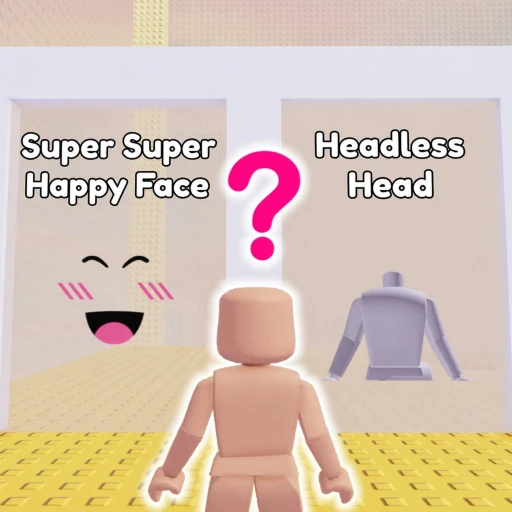
Roblox fashion games are evolving in wildly different directions. On one side you have Would You Rather: Outfit Tower, a fresh 2026 arrival that blends luck-based door-choosing with fashion progression -- each door you pick either upgrades your look or sends your outfit spiraling into chaos. On the other side sits Dress to Impress, the reigning queen of Roblox fashion competitions with over 4 billion visits and a community that spans TikTok, YouTube, and every corner of the platform.
These two games share a fashion theme but deliver completely different experiences. One tests your gut instinct and risk tolerance. The other tests your creative speed and styling knowledge. If you have been wondering which deserves your time in 2026 -- or whether you should be playing both -- this comparison breaks down every angle that matters. Gameplay, progression, visuals, community size, monetization, and long-term replay value are all on the table.
Outfit Tower vs Dress to Impress -- Quick Stats (July 2026)
| Category | Would You Rather: Outfit Tower | Dress to Impress |
|---|---|---|
| Developer | Fashion game studio | DTI team |
| Genre | Fashion / Social / Casual | Fashion / Social / Voting competition |
| Roblox Place ID | 128469876423260 | 14944468063 |
| Total Visits | Growing fast (new 2026) | 4B+ |
| Concurrent Players | ~9K (trending rapidly) | ~70K |
| Core Loop | Choose doors to build outfit piece by piece, avoid troll doors | Dress avatar in timed rounds, compete via peer voting |
| Key Features | Door-choosing, glow ups, troll doors, social sharing | Massive wardrobe, themed rounds, peer voting, seasonal events |
| Game Passes | None confirmed yet | VIP, 2x Money, cosmetic sets |
| Avg. Session Length | 5-15 min per run | 10-20 min per round |
| Mobile-Friendly | Yes | Yes |
| Free-to-Play | Yes | Yes |
Gameplay -- How Each Game Works
Would You Rather: Outfit Tower -- Door-Choosing Fashion Gamble
Would You Rather: Outfit Tower takes a format that Roblox players already know -- the "choose a door" obby structure -- and wraps it entirely in fashion stakes. You start each run with a basic avatar or a minimal outfit. As you progress through a tower of floors, each level presents you with two or more doors. Behind each door is either a fashion upgrade (a new hairstyle, a fresh outfit piece, glowing accessories, a full glow up) or a troll outcome that can wreck your current look.
The tension is what makes it work. You might be four floors in with a genuinely stunning outfit -- layered accessories, a great hairstyle, matching color scheme -- and then you hit the next choice. One door could push your look into legendary territory. The other might slap a clown wig on your head and strip away everything you built. The game thrives on that risk-reward loop. Every decision carries weight because you are gambling your entire accumulated style against the possibility of something better.
The social component kicks in at the end of each run. Players who reach the top of the tower can show off their final outfit to the lobby. The contrast between someone who hit great doors all the way up and someone who got trolled on floor three creates natural comedy and conversation. Successful runs feel earned, failed runs generate laughs, and either outcome pushes you to queue up another attempt immediately. For tips on maximizing your runs, check our Would You Rather: Outfit Tower free Robux guide.
The game has been gaining momentum throughout early 2026, pulling around 9K concurrent players and climbing. Its format is immediately accessible -- there is no tutorial needed, no complex system to learn. You tap a door and see what happens. That simplicity makes it especially effective on mobile where quick sessions and one-tap interactions are king.
Dress to Impress -- Timed Fashion Competition
Dress to Impress approaches fashion gaming from the opposite direction. Instead of luck determining your outfit, your skill and creativity are the only factors. Each round begins with a theme announcement -- anything from "old money" to "alien invasion" to "prom night gone wrong." You get roughly five minutes to assemble a complete look from a wardrobe containing thousands of clothing items, hairstyles, shoes, accessories, and makeup options.
When the timer expires, every player takes a turn walking the runway while the rest of the lobby votes on a one-to-five star scale. Scores are tallied and a winner is crowned for that round. The entire cycle from theme announcement to winner reveal takes about ten minutes, making it possible to play three or four complete rounds in a single sitting without a major time commitment.
What keeps DTI compelling after hundreds of rounds is that themes never repeat in exactly the same way, and your creative interpretation is always personal. Two players given "cottagecore" will produce completely different outfits based on their styling instincts, wardrobe knowledge, and time management under the countdown. A first-time player with strong fashion sense can beat a lobby of experienced players, and that accessibility has been central to DTI's growth into one of the biggest games on the entire platform.
The game crossed 4 billion visits and regularly maintains around 70K concurrent players -- numbers that put it in the upper tier of all Roblox experiences. Seasonal events, celebrity collaborations, and a massive TikTok presence have turned DTI into a cultural force within the Roblox community. For strategies on getting the most out of every round, check our Dress to Impress free Robux guide.
Edge: Depends on what you want. Outfit Tower delivers adrenaline through risk and randomness -- every door is a gamble. DTI delivers satisfaction through creative expression and competitive validation. They scratch fundamentally different itches within the same fashion genre.
Progression -- What Keeps You Coming Back?
Outfit Tower Progression
Would You Rather: Outfit Tower takes a deliberately lightweight approach to progression. The primary loop is the run itself -- start at the bottom, make choices, reach the top (or get trolled along the way). Each run is self-contained, which means every attempt starts fresh regardless of how your previous run went. There is no inventory carrying over between sessions in the traditional sense.
What progresses is your knowledge. After twenty runs, you start recognizing patterns in which doors tend to deliver upgrades versus trolls. You develop instincts about risk management -- do you take the flashier door when you already have a solid outfit, or do you play it safe? The skill ceiling is lower than in DTI, but the decision-making becomes more informed over time. Players also chase the social validation of reaching the top with an exceptional outfit, which creates an informal leaderboard dynamic within each lobby.
Because the game is still new in 2026, the developers are likely to expand progression systems as the player base grows. The door-choosing format leaves plenty of room for adding new outfit tiers, special floors with rare items, streak rewards for consecutive successful runs, or unlockable cosmetic options that carry between sessions. The foundation supports growth without requiring structural changes.
Dress to Impress Progression
DTI layers progression across multiple tracks. In-game currency earned through rounds unlocks new wardrobe pieces from the shop. Seasonal collections rotate in and out, creating limited-time items worth chasing. A leveling system tracks your overall participation and unlocks additional customization options as you accumulate rounds played. VIP access opens exclusive wardrobe sections that expand your creative options further.
The deeper progression in DTI is skill-based and mostly invisible. After fifty rounds, you start recognizing which pieces layer well together and which color combinations photograph well on the runway. After two hundred rounds, you can build a cohesive outfit for almost any theme in under three minutes. After five hundred rounds, you have internalized color theory, silhouette balance, accessory scaling, and the voting patterns of typical lobbies. That styling expertise shows up directly in your average scores -- a veteran consistently outscores newcomers not because of inventory advantages but because their creative instincts are sharper and faster.
The wardrobe itself expands with every update cycle. New pieces give experienced players fresh combinations to explore, and seasonal events introduce themed collections that create temporary fashion metas within the community. DTI's progression is structured so that time investment translates into creative capability rather than raw power.
Edge: Dress to Impress. DTI offers more structured progression tracks, deeper skill development, and a wardrobe system that gives returning players meaningful expansion over time. Outfit Tower's run-based format is satisfying but currently lacks long-term progression hooks.
Graphics and Visual Presentation
Would You Rather: Outfit Tower
Outfit Tower leans into a bright, colorful aesthetic that emphasizes the contrast between glow up outcomes and troll results. The tower environment uses clean geometric designs with vibrant door colors that signal choice and consequence. When you hit a good door, the visual payoff is immediate -- your avatar transforms with new outfit pieces, glow effects, and upgraded styling that feels genuinely rewarding. When you hit a troll door, the visual comedy is equally clear -- absurd accessories, clashing colors, or deliberately ugly combinations that make the failure entertaining rather than frustrating.
The art direction prioritizes readability over complexity. You can tell at a glance whether someone had a good run or a bad one, which is critical for the social sharing moment at the top of the tower. Outfit pieces are designed to be visually distinctive enough that players in the lobby immediately notice and react to dramatic transformations. The visual language communicates everything the game needs without requiring text explanation.
Dress to Impress
DTI concentrates its visual quality on character presentation and the runway stage. Clothing items feature detailed textures and proportions that lean more realistic than typical Roblox avatars. The character models are taller and more fashion-illustration-like, giving outfits a presentation quality that makes the competition feel legitimate and polished. The runway stage uses professional-grade lighting that highlights outfit details during the walk sequence, creating a fashion show atmosphere that sells the competitive fantasy.
The wardrobe interface itself is visually rich -- thousands of items organized by category with preview thumbnails that help you browse quickly under time pressure. Seasonal runway environments rotate with events, adding visual variety between rounds. The overall aesthetic is clean, modern, and fashion-forward. Background music sets mood during runway walks, and audio cues build anticipation during voting reveals. DTI looks and sounds like a production -- polished enough to feel mainstream rather than indie.
Edge: Dress to Impress. DTI's visual polish reflects years of iteration and a larger development scope. The runway lighting, character models, and wardrobe presentation are all notably refined. Outfit Tower delivers effective visual comedy and clean readability, but DTI operates at a higher production tier.
Player Count and Community (July 2026)
The player count gap between these two games is significant, and it tells an important story about where each title sits in its lifecycle. Dress to Impress has crossed 4 billion total visits and consistently maintains around 70K concurrent players during peak hours. It ranks among the top ten most-played games on Roblox at any given moment and has maintained that position for over a year. The community extends far beyond the game itself -- DTI content dominates Roblox fashion TikTok, YouTube runway compilations rack up millions of views, and dedicated Discord servers host tens of thousands of active members discussing themes, outfit combinations, and seasonal tier lists.
Would You Rather: Outfit Tower is pulling approximately 9K concurrent players and trending upward rapidly. For a game released in 2026, those numbers represent serious early momentum. The format is highly shareable -- watching someone's outfit get ruined by a troll door or progressively glow up through lucky choices makes for natural short-form video content. That shareability suggests strong growth potential as content creators discover the format and produce clips that drive new players to try it.
The community dynamic is different between the two. DTI lobbies are focused and competitive -- everyone shares the same goal each round and the voting system creates natural tension and camaraderie. Outfit Tower lobbies lean more toward shared spectacle and comedy. Players react to each other's luck, laugh at troll outcomes, and celebrate exceptional runs together. The social energy in Outfit Tower is lighter and more party-like, while DTI carries a creative competition vibe.
Edge: Dress to Impress -- overwhelmingly. DTI has eight times the concurrent players, years of community infrastructure, billions of visits, and a cultural footprint that extends across social media platforms. Outfit Tower is growing impressively for its age but cannot compete with DTI's established position yet.
Game Passes and Monetization
Would You Rather: Outfit Tower
As of May 2026, Would You Rather: Outfit Tower has not confirmed any game passes. The game is entirely free to play with no known monetization layer beyond standard Roblox ad systems. This may change as the player base grows -- most successful Roblox games eventually introduce cosmetic passes, skip mechanics, or VIP perks once they establish a stable audience. But right now, every player has access to the full experience without spending a single Robux.
The absence of monetization is both a strength and a limitation. It means the playing field is completely level -- no one can buy better door outcomes or premium outfit pieces. But it also means the developers have fewer resources to fund content updates and new floor types. As the game matures, expect some form of game pass introduction that likely follows the cosmetic-only model popular with fashion games on the platform.
Dress to Impress
DTI runs a clean monetization model built around cosmetic expansion. The VIP pass grants access to exclusive wardrobe sections and a VIP lounge area. A 2x Money pass doubles currency earnings per round, letting you unlock shop items faster. Several Robux-exclusive outfit sets and accessories are available in the shop at various price points. None of these purchases provide competitive advantages during voting -- a free player with good taste will beat a VIP player with poor styling every single time.
DTI's monetization respects the competitive integrity of the game. Paid items expand your creative toolkit without tilting the playing field. You can access the full core wardrobe, participate in every theme, walk every runway, and win rounds without spending anything. The purchases accelerate wardrobe expansion and offer exclusive aesthetic options, but they never replace the need for actual styling skill.
Edge: Outfit Tower for cost (free with no passes required). Dress to Impress for monetization design (fair, cosmetic-only, and well-structured). Both games deliver solid free experiences, but DTI has already solved the monetization puzzle in a player-friendly way while Outfit Tower has not needed to address it yet.
Social Features
Would You Rather: Outfit Tower
Outfit Tower creates social moments organically through shared spectacle. The tower format means everyone in the lobby can observe each other's progress and react in real time to lucky glow ups or devastating troll doors. The end-of-run showcase at the top of the tower turns into a natural social gathering where players compare final outfits, celebrate survivors, and joke about disasters. There is no formal social system like trading or private servers -- the social layer emerges from the game format itself.
The "would you rather" framing adds a conversation-starting element. Players discuss door choices, debate strategies, and share reactions to particularly dramatic outcomes. The game format generates stories naturally -- "I had the best outfit and then floor seven gave me a fish head" -- and those stories travel through friend groups and social media. The shareable nature of dramatic runs creates social content even outside the game itself.
Dress to Impress
DTI's social layer is built into its core mechanics. The voting system means every player actively engages with everyone else's creative output every single round. You see what others made, you evaluate it, and your vote contributes to their score. This creates organic appreciation and conversation -- players compliment standout outfits in chat, ask about specific pieces, and bond over shared styling approaches. The lobby between rounds functions as a social space where players show off looks and discuss strategies.
Friends frequently join the same server to compete against each other or coordinate themed group outfits for the runway. The massive community around DTI also extends the social experience beyond game boundaries -- players discuss themes on Discord, share outfit inspiration on TikTok, and form styling groups that play together regularly. DTI has created a social ecosystem that functions both inside and outside the Roblox platform.
Edge: Dress to Impress. DTI's voting mechanics, larger community infrastructure, and cross-platform social presence create deeper and more sustained social connections. Outfit Tower generates fun social moments, but they are more ephemeral and less structurally supported.
Replay Value -- Will You Still Be Playing Next Month?
Would You Rather: Outfit Tower
Outfit Tower's replay value comes from randomness and the chase for a perfect run. Because door outcomes are unpredictable, every attempt plays differently. You might get trolled on floor one in your first run and then hit five consecutive glow ups in the next. The desire to see what happens behind the next door is a surprisingly powerful motivation -- it taps into the same psychology that makes gacha games and loot boxes compelling, but without any real-money cost attached.
The limitation is that the core loop does not change structurally between sessions. After thirty or forty runs, you have likely seen most outfit outcomes and door types. Long-term replay value depends entirely on the developers' ability to add new floors, new outfit tiers, special event runs, and progression systems that give veteran players reasons to return. The format supports expansion well -- adding new content is as simple as adding new doors with new outcomes -- but the current state may not sustain daily engagement for months without updates.
Dress to Impress
DTI has proven its replay value over years and billions of visits. The theme rotation means no two rounds play identically even across thousands of sessions. New wardrobe additions arrive with regular updates, seasonal events introduce limited-time pieces and themed runway environments, and the competitive element scales infinitely with skill -- there is always a better outfit you could have made, always a more creative interpretation you could have explored.
The community-driven nature of DTI also sustains replay value externally. Seeing outfit inspiration on social media drives you back into the game to try recreating or improving on looks you admired. Seasonal fashion trends within the DTI community evolve organically, creating informal metas that shift monthly. Players who have invested hundreds of hours still find the game fresh because their own creative standards keep rising, and they continuously push themselves to style more ambitiously.
Edge: Dress to Impress. DTI's theme variety, wardrobe expansion, skill ceiling, and community ecosystem create replay value that sustains engagement indefinitely. Outfit Tower's randomness provides short-term replay motivation but currently lacks the depth systems needed for months-long retention.
Earning Free Robux for Either Game
Whether you want to grab VIP access in Dress to Impress or save up for potential future game passes in Would You Rather: Outfit Tower, earning Robux without spending real money gives you options. Earnaldo lets you accumulate free Robux by completing tasks, watching videos, and finishing surveys. You can then withdraw those Robux and spend them on whatever enhances your fashion gaming experience.
Both games work well for earning on the side during natural downtime. Outfit Tower runs are short enough that you can complete an Earnaldo task between attempts without breaking your flow. DTI has lobby periods between rounds where you can knock out a quick survey while waiting for the next theme to drop. The earning process fits naturally into either game's rhythm without requiring you to stop playing.
For game-specific earning strategies, check out our Would You Rather: Outfit Tower free Robux guide and Dress to Impress free Robux guide. You can also explore our Adopt Me free Robux guide for additional earning tips that apply across multiple games.
Earn Free Robux for Outfit Tower or Dress to Impress
Complete simple tasks on Earnaldo and withdraw real Robux -- no generators, no downloads, no scams. Spend your earnings on game passes, seasonal cosmetics, VIP access, or anything else in the Roblox catalog.
Who Should Play What?
- You love risk-based gameplay and surprises: Would You Rather: Outfit Tower. Every door is a gamble that makes your heart race.
- You want competitive fashion with peer feedback: Dress to Impress. The voting system gives you direct validation for your creative choices.
- You have 5 minutes and want instant action: Outfit Tower. A single run takes under 8 minutes and delivers a complete arc from start to finish.
- You want to develop real styling skills: Dress to Impress. Hundreds of rounds will genuinely improve your fashion instincts and color theory knowledge.
- You prefer luck over skill: Outfit Tower. Door outcomes are random, so anyone can hit a legendary run regardless of fashion expertise.
- You want a huge community and social ecosystem: Dress to Impress. 70K concurrent players and a massive TikTok presence mean there is always someone to play with and content to engage with.
- You enjoy watching chaos unfold: Outfit Tower. Troll doors create comedic moments that make you and your friends laugh out loud.
- You like themed creative challenges: Dress to Impress. New themes every round keep the creative problem fresh indefinitely.
- You want something brand new and trending: Outfit Tower. Getting in early on a rapidly growing game means you experience the community forming around you.
- You want to earn Robux while playing: Both work with Earnaldo. Outfit Tower's quick runs and DTI's lobby downtime both provide natural moments to complete earning tasks.
The Verdict -- Would You Rather: Outfit Tower vs Dress to Impress (2026)
Choose Would You Rather: Outfit Tower If...
You want bite-sized fashion entertainment driven by luck and dramatic reveals. Outfit Tower delivers instant gratification through a format that requires zero fashion knowledge and no time investment beyond a few minutes per run. The door-choosing mechanic creates natural tension and comedy that makes every attempt entertaining regardless of the outcome. It is the better pick for players who enjoy gambling mechanics, quick sessions, shared laughs with friends, and the thrill of watching an outfit either ascend to greatness or crash into absurdity. The game rewards gut instinct over grind, and its trending trajectory suggests the best content is still ahead.
Choose Dress to Impress If...
You want a polished, competitive fashion experience with genuine creative depth. DTI gives you the tools, sets a timer, and asks you to prove your styling instincts against real opponents who vote honestly on your work. The themed format keeps every round fresh, the massive wardrobe rewards exploration and knowledge, and the skill ceiling rises the more you play. It is the better pick for players who take fashion seriously, enjoy competitive creative expression, and want a game that gets more rewarding as your taste develops over hundreds of rounds.
Overall Winner: Dress to Impress -- by depth and polish
Dress to Impress wins this comparison on production quality, community size, progression depth, and proven staying power. With 4 billion visits, 70K concurrent players, years of content updates, and a fashion competition format that rewards genuine creative skill, DTI is the more complete experience by a wide margin. But this verdict does not diminish what Outfit Tower offers. These games serve completely different moods. Outfit Tower is a party game -- fast, funny, and fueled by randomness. DTI is a creative competition -- deliberate, skill-driven, and endlessly replayable. Play Outfit Tower when you want quick entertainment and shared laughs. Play DTI when you want to flex your fashion knowledge against a full lobby. They occupy different spaces in your gaming rotation and complement each other naturally.
Frequently Asked Questions
Dress to Impress is far more established with over 4 billion visits and around 70K concurrent players. Would You Rather: Outfit Tower is a newer title trending rapidly with roughly 9K concurrent players and growing fast throughout 2026. DTI has years of momentum behind it, while Outfit Tower is in its explosive early growth phase with significant upside potential.
Both games work well for short sessions. A full Dress to Impress round takes about 10 minutes from theme announcement to final vote. A Would You Rather: Outfit Tower run takes roughly 5-8 minutes depending on how many doors you navigate. Both deliver complete experiences in under 15 minutes, making them strong picks for quick gaming breaks. Outfit Tower has a slight edge for ultra-short sessions since a single run can resolve in under five minutes.
Yes. Both games are fully playable on mobile devices through the Roblox app. Outfit Tower's door-choosing mechanics translate particularly well to touchscreen since you are simply tapping to select paths. Dress to Impress requires more precise wardrobe navigation on mobile but remains fully functional with touch controls. Both games run smoothly on mid-range devices without performance issues.
Dress to Impress offers VIP access (299 Robux monthly or 799 for permanent), a 2x Money pass (159 Robux), and exclusive cosmetic sets. Would You Rather: Outfit Tower has not confirmed game passes as of July 2026, though the developers may introduce them as the game grows. Both games are fully playable and enjoyable without spending Robux.
Dress to Impress requires significantly more skill. Success depends on fashion knowledge, creative interpretation, color theory, time management, and understanding what voters respond to. Outfit Tower relies primarily on luck with some pattern recognition and risk assessment layered on top. A complete beginner can have a perfect Outfit Tower run on their first attempt, while consistently winning DTI rounds takes hundreds of sessions of developing your styling eye.
Neither game pays out Robux directly. However, you can earn free Robux through Earnaldo by completing tasks, surveys, and watching videos. Those Robux can then be spent on DTI's VIP pass, exclusive outfits, or saved for potential future Outfit Tower game passes. It is a legitimate way to enhance your experience without spending real money.