Anime Crossover Defense vs Anime Defenders (2026) — Which Is Better?
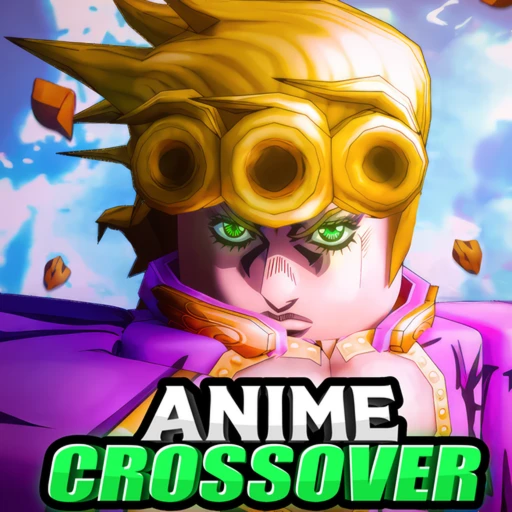
Anime tower defense games have taken over Roblox, and two titles sit at the center of every debate in 2026: Anime Crossover Defense by Starter Studios and Anime Defenders by Kaizen Studios. One is a scrappy newcomer built on crossover appeal. The other is a proven giant with over 1.5 billion visits and one of the most active player bases on the platform. Both share a genre, both share an anime aesthetic, and both ask you to summon units and place them on a map to stop waves of enemies. But that's where the similarities end.
This guide breaks down everything that separates these two games — from their gacha systems and unit rosters to map variety, progression depth, and community size. If you're trying to decide where to spend your time (and your Robux), this is the comparison you need.
Table of Contents
Anime Crossover Defense vs Anime Defenders — Quick Stats (2026)
| Category | Anime Crossover Defense | Anime Defenders |
|---|---|---|
| Developer | Starter Studios | Kaizen Studios |
| Total Visits | 20M+ | 1.5B+ |
| Genre | Tower Defense / Anime | Tower Defense / Anime |
| Roblox Place ID | 17399149936 | 17017769292 |
| Core Loop | Summon crossover anime units, place & upgrade, defend waves | Deploy anime units on maps, stop enemy waves, grind progression |
| Gacha System | Yes — multi-franchise crossover banners | Yes — rotating limited banners with pity |
| Co-op Multiplayer | Yes (up to 4 players) | Yes (up to 4 players) |
| Mobile Friendly | Yes | Yes |
| Free to Play | Yes | Yes |
The numbers tell a clear story about scale. Anime Defenders has roughly 75 times more total visits than Anime Crossover Defense. But raw visit counts don't capture the full picture — Anime Crossover Defense launched later and has been growing at a steady pace through early 2026.
Core Gameplay & Mechanics
Both games follow the same basic tower defense formula: enemies march along a path, you place units on the map to stop them, and surviving waves earns you rewards. The twist in both cases is the anime theming — your towers aren't cannons and turrets. They're anime characters with unique abilities, attack animations, and rarity tiers.
Anime Crossover Defense
Anime Crossover Defense leans hard into its crossover identity. You'll find characters inspired by multiple anime franchises sharing the same battlefield. A unit modeled after a shonen protagonist might fight alongside a character from an isekai series, and the game doesn't try to hide its inspirations. The core loop revolves around summoning units through a gacha system, placing them on the map, and upgrading them mid-wave to handle tougher enemies. Placement matters, but the game keeps the strategy layer accessible. Most maps have clear choke points, and unit abilities tend to be straightforward — damage, area-of-effect, or support buffs.
The pacing is forgiving for casual players. Waves ramp up gradually, and early content doesn't require optimized teams. You can experiment with different unit combinations without getting punished for suboptimal choices in the first handful of maps.
Anime Defenders
Anime Defenders takes a more polished and systems-heavy approach. The base gameplay is similar — place units, survive waves — but the depth runs deeper. Units have more complex ability kits, synergy effects between certain unit types, and positioning matters more on the harder maps. The game has had years to layer on mechanics: unit evolution, trait systems, elemental advantages, and raid bosses that require coordinated team compositions.
Where Anime Crossover Defense feels like a pick-up-and-play experience, Anime Defenders feels like a game you study. Endgame content demands specific unit combinations, precise placement, and an understanding of which upgrades to prioritize in which order. That complexity is the reason the game has retained millions of players, but it can also intimidate newcomers who don't want to watch a guide before their first match.
Units & Gacha Systems
The gacha system is the beating heart of both games. It's how you acquire new units, and the way each game handles summoning shapes the entire player experience.
Anime Crossover Defense — Crossover Banners
Anime Crossover Defense's biggest selling point is its roster. The game pulls characters from a wide range of anime series and drops them into a shared summoning pool. If you're a fan of multiple anime franchises, you'll likely recognize several characters. The summoning rates for rare units are relatively generous compared to other Roblox gacha games, and the smaller overall unit pool means you're less likely to pull duplicates you don't need.
The rarity system follows a typical tiered structure: common, rare, epic, legendary, and mythic. Higher-rarity units have stronger base stats and more impactful abilities, but the game does a decent job of making lower-rarity units viable on early and mid-game content. You won't feel completely stuck if you don't pull a mythic in your first session.
Anime Defenders — Rotating Limited Banners
Anime Defenders runs a more sophisticated gacha economy. The game features rotating limited-time banners with featured units that are only available during specific events. This creates urgency — if you want a particular unit, you need to summon during its banner window or wait for a potential rerun months later. To soften the blow, Anime Defenders includes a pity system that guarantees a high-rarity pull after a set number of summons without one.
The unit roster is massive. With years of content releases, Anime Defenders has hundreds of units across multiple rarity tiers, each with unique abilities and evolution paths. That breadth is a double-edged sword: there's always something new to chase, but the sheer volume of units makes it harder for new players to know which ones are worth investing in.
| Gacha Feature | Anime Crossover Defense | Anime Defenders |
|---|---|---|
| Summoning Style | Multi-franchise crossover pool | Rotating limited-time banners |
| Pity System | Basic safety net | Full pity counter with guaranteed pulls |
| Roster Size | Growing (smaller pool) | Hundreds of units |
| Rare Unit Rates | Slightly more generous | Lower base rates, offset by pity |
| Limited Units | Occasional event exclusives | Frequent time-limited banners |
| Duplicate System | Fuse for upgrades | Trade or fuse for upgrades |
Maps & Content Volume
Content volume is where the age gap between these two games becomes most obvious.
Anime Defenders has a substantial map library built up over its lifespan. Players can choose from dozens of maps across multiple difficulty tiers, each with different lane configurations, environmental hazards, and enemy types. The harder maps introduce mechanics like split paths, speed zones, and boss waves that require completely different strategies than the normal content. There are also dedicated raid maps and event-specific stages that rotate in and out with updates.
Anime Crossover Defense has fewer maps overall, which makes sense for a newer game still building out its content. The maps that exist are well-designed with clean visual themes and readable layouts, but veterans will cycle through available content faster than they would in Anime Defenders. Starter Studios has been adding new maps with each major update, so the gap is closing, but it hasn't closed yet.
For players who want a game they can sink hundreds of hours into without repeating the same content, Anime Defenders has the clear advantage here. For players who prefer a curated, tighter experience without the overwhelm of a massive content backlog, Anime Crossover Defense has its own appeal.
Progression & Economy
How you progress through each game — and what keeps you coming back — differs significantly between the two.
Anime Crossover Defense — Streamlined Progression
Anime Crossover Defense keeps its progression loop tight. You earn summoning currency by completing waves, use that currency to pull new units, and upgrade your roster to tackle harder maps. The upgrade paths are straightforward: level up units, ascend them at milestones, and slot them into your active team. There's no complex web of interconnected systems to manage. You know what you're working toward, and the path to get there is clear.
The in-game economy feels balanced for free-to-play players. Summoning currency drops at a reasonable rate from regular gameplay, and you won't hit a paywall on normal difficulty content. Robux purchases speed things up but don't gate essential progression behind spending.
Anime Defenders — Deep & Layered Progression
Anime Defenders stacks systems on top of systems. Beyond basic unit leveling, you have evolution chains that transform units into stronger forms, trait systems that add passive bonuses, elemental matchups that affect damage calculations, and an equipment layer that lets you further customize each unit's stats. The endgame introduces raid-exclusive upgrade materials, leaderboard rankings, and seasonal challenge modes that demand fully built teams.
This depth is the game's greatest strength and its biggest barrier to entry. Players who enjoy min-maxing and theory-crafting will find hundreds of hours of optimization to chase. Players who just want to place units and watch them fight might find the system overhead exhausting. The economy also skews heavier toward grinding at the endgame — acquiring the materials needed for top-tier unit evolution takes serious time commitment.
Community & Player Counts
Community size is where Anime Defenders dominates, and it's not particularly close.
With over 1.5 billion visits, Anime Defenders regularly pulls thousands of concurrent players at any given time. Its Discord server is one of the largest in the Roblox tower defense space, and content creators produce a steady stream of tier lists, summoning videos, and strategy guides. Trading is an active part of the community, with players exchanging rare and limited units in a player-driven economy. Finding teammates for co-op content is never a problem — matchmaking queues are fast, and the player pool is deep enough to support multiple difficulty tiers simultaneously.
Anime Crossover Defense sits at 20 million visits and is still building its community from the ground up. The player base is smaller but growing, and the community tends to be more tight-knit as a result. Discord activity is healthy for a game its size, and the developers are visibly active in community channels. The downside is that matchmaking can take longer during off-peak hours, and the trading scene is less developed due to a smaller active player pool.
If community engagement, content creator coverage, and always-available multiplayer matter to you, Anime Defenders is the safer pick. If you like getting in on the ground floor of a growing game and being part of a community that's still forming its identity, Anime Crossover Defense has that energy.
Updates & Developer Support
Both development teams are actively supporting their games, but the cadence and scale of updates differ.
Kaizen Studios runs Anime Defenders like a live-service operation. Updates drop roughly every two to three weeks, each one typically bringing new banners, units, balance patches, and sometimes entirely new maps or game modes. Seasonal events are major productions with exclusive rewards, limited units, and community challenges. The studio has the resources and track record to maintain this pace, and players have come to expect a steady content drip.
Starter Studios updates Anime Crossover Defense on a similar two-to-three-week schedule, but the patches are generally smaller in scope. New crossover characters, bug fixes, and quality-of-life improvements make up the bulk of updates, with larger content drops (new maps, new game modes) arriving less frequently. The upside is that each update feels meaningful for a game with a smaller content base — a single new map represents a proportionally bigger addition here than it would in Anime Defenders.
Both teams communicate well with their player bases through Discord and social media. Neither game shows signs of slowing down in 2026.
Final Verdict — Anime Crossover Defense vs Anime Defenders
The Verdict
Anime Defenders is the better overall game for most players in April 2026. It has more content, a bigger community, deeper progression systems, and the polish that comes from years of active development. If you want the most complete anime tower defense experience on Roblox right now, Anime Defenders is the answer.
That said, Anime Crossover Defense isn't trying to be Anime Defenders, and that's what makes it worth watching. The crossover roster gives it a unique identity that no other Roblox TD game offers. Its streamlined systems make it more approachable for casual players and newcomers to the genre. And its growth trajectory suggests Starter Studios is building something that could challenge the genre leaders down the road.
Here's the simplest way to think about it:
Pick Anime Defenders if: you want maximum depth, a massive unit roster, an active trading community, and enough endgame content to keep you grinding for months. You don't mind learning complex systems and you want a game with a proven track record.
Pick Anime Crossover Defense if: you love anime crossover rosters, prefer a cleaner and more accessible gameplay experience, and enjoy being part of a growing community. You're looking for something fresher that doesn't require a wiki open in a second tab to understand its systems.
Or play both. They're free, they're on the same platform, and they scratch different itches within the same genre. Many players in the anime TD community split their time between multiple games depending on which one has the more interesting event running that week.
Earn Free Robux for Summons
Need summoning currency in either game? Earn free Robux through Earnaldo and spend it on your favorite anime tower defense game.
Play Both Games
Ready to jump in? Here are the direct links to both games on Roblox:
Play Anime Crossover Defense on Roblox
Play Anime Defenders on Roblox
Related Guides
If you're exploring the anime tower defense space on Roblox, these guides might help:
- Anime Crossover Defense Free Robux Guide
- Anime Defenders Free Robux Guide
- Anime Crossover Defense Codes (July 2026)
- Anime Defenders Codes (July 2026)
- Tower Defense Simulator vs Anime Defenders
Frequently Asked Questions
Anime Defenders is significantly more popular as of July 2026. It has surpassed 1.5 billion visits and regularly pulls tens of thousands of concurrent players. Anime Crossover Defense has crossed 20 million visits and is growing quickly, but it's still a much smaller game by total player count.
Both games use gacha summoning systems, but Anime Crossover Defense tends to offer slightly more generous base rates for rare units. Anime Defenders compensates with a larger unit pool and more frequent limited-time banners that include pity systems for guaranteed pulls after a set number of summons.
Yes, both games are entirely free to play on Roblox. Each one offers optional Robux purchases for summon currency, game passes, and cosmetic items. All core gameplay, maps, and units are accessible without spending any money.
Anime Crossover Defense is generally easier for brand-new players. Its smaller unit roster, simpler map layouts, and crossover characters from well-known series make it approachable. Anime Defenders has more depth and complexity, which can overwhelm newcomers but rewards invested players with a richer endgame.
No. While both games feature anime-inspired units, their rosters are completely different. Anime Crossover Defense pulls characters from multiple anime franchises and mixes them together. Anime Defenders uses original anime-styled units that are loosely inspired by popular series but are unique to the game.
Anime Defenders receives more frequent and larger updates, typically every two to three weeks with new banners, units, maps, and events. Anime Crossover Defense updates on a similar cadence but with smaller patches. Both developers are active, though Kaizen Studios has a bigger team behind Anime Defenders.