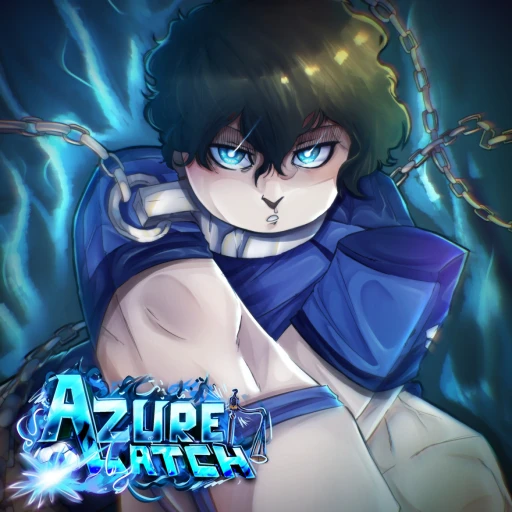
Azure Latch vs Blue Lock: Rivals — Which One's Actually Worth Your Time?
Two Roblox games, one anime. Both Azure Latch and Blue Lock: Rivals pull directly from the Blue Lock manga and series — the same 5v5 pitch, the same cast of ego-driven strikers, the same obsession with scoring goals in the most dramatic way possible. But they're built by different teams, they feel different to play, and they attract slightly different crowds. If you're trying to figure out which one deserves more of your playtime, this is the comparison you need.
We're looking at both games across every angle that matters: the core gameplay loop, Style progression, graphics and audio, community size, monetization, social features, and long-term replay value. Whether you've never loaded either game or you've been deep in one for months, you'll finish this knowing exactly where each one shines and where it comes up short.
Quick Stats Comparison
| Category | Azure Latch | Blue Lock: Rivals |
|---|---|---|
| Roblox Place ID | 94647229517154 | 18668065416 |
| Match Format | 5v5 (4 outfield + 1 GK) | 5v5 |
| Style Rarities | 4 tiers: Common, Legendary, Mythic, World Class | 7 rarity tiers |
| Peak Concurrent Players (Apr 2026) | ~8,000–12,000 (est.) | 26,000+ (verified Apr 23) |
| Roblox Top-100 Ranking | Outside top 100 (rising) | #68 (April 24, 2026) |
| Update Cadence | Every few weeks (major patches) | Weekly (Styles, Flows, fixes) |
| Awakening / Flow System | Flow Awakening (in-match activation) | Flows (Style-linked passives) |
| Animation Style | High-impact, elaborate, cinematic | Smooth, clean, readable |
| Free-to-Play Viability | Yes — earn in-game cash for spins | Yes — weekly codes + event rolls |
| Notable Unique Feature | Dub Voicelines pass (Rin, Sae) | Weekly content drops every 7 days |
Gameplay — What Do You Actually Do?
Both games put you on a soccer pitch and ask you to outscore the other team using character-specific abilities pulled from the Blue Lock roster. That's the entire surface-level overlap. Under the hood, they're genuinely different experiences built around different priorities.
Azure Latch
Azure Latch's match format is tight: 4 outfield players and 1 goalkeeper per side, with everyone selecting a Style before kick-off. Your Style defines your entire moveset — and those moves are the headline attraction. Azure Latch is unapologetically flashy. Activating Flow Awakening mid-match transforms your character visually and opens up stronger, more cinematic ability sequences that make every well-timed goal feel like a cutscene moment.
If you've watched the Blue Lock anime and wanted to feel like you're inside a fight sequence, Azure Latch gets closer to that feeling than anything else on Roblox. The tradeoff is that with so much happening on screen at once, matches can feel chaotic. Effects stack up when multiple Awakenings fire together, and newer players frequently struggle to read what's happening around them. There's also a visible gap between fresh accounts with Common Styles and veterans who've rolled Mythic or World Class abilities.
Blue Lock: Rivals
Blue Lock: Rivals takes a more disciplined approach. Matches are fast and competitive, but the visual language stays readable — you can usually tell exactly what an opponent's doing, which makes the PvP feel fair even when you're losing. Styles in BLR come in 7 rarity tiers, and each Style defines both your active moves and your Flows: passive traits that influence speed, shot power, and special trigger conditions.
The weekly update cadence is BLR's biggest structural strength. New Styles arrive constantly, balance shifts regularly, and events give the community short-term goals to chase together. It's the kind of game that builds habits — there's always something new to log in for, which is the main reason BLR retains players far longer than most Roblox games manage.
Progression — How Do You Get Stronger?
Both games center progression around acquiring better Styles through a roll system, but the paths to get there are different enough that they'll appeal to different player types.
In Azure Latch, you earn in-game cash by playing matches and funnel that cash toward spinning for new Styles. The four rarity tiers give you a clear picture of where your current Style sits and what you're chasing next. There's a cosmetic layer on top too: animations, emotes, and the Dub Voicelines pass let you personalize beyond raw ability. Even on a rough streak, cosmetic progression keeps moving — which makes the grind feel less punishing than it otherwise would.
Blue Lock: Rivals runs on a similar roll-based system but with 7 rarity tiers, giving the progression curve considerably more granularity. You're never jumping straight from "mediocre" to "great" — there are meaningful stops in between, and each new tier feels earned. BLR also distributes free rolls through active codes and in-game events, which means free-to-play players can stay competitive if they're consistent about claiming everything available. The Blue Lock: Rivals codes page gets updated regularly — checking it before every session is worth the habit.
Edge: Blue Lock: Rivals — the 7-tier system and steady cadence of free rolls make its long-term progression more satisfying and more accessible for players who don't want to spend.
Graphics and Audio
Azure Latch puts noticeably more production effort into individual animations. Character-specific moves are intricate, Flow Awakening sequences are dramatic, and the overall visual presentation feels like it was built by people who watched every episode frame by frame. If you're sharing match clips to TikTok or YouTube, Azure Latch footage tends to look more striking at a glance — part of why the comparison videos between these two games rack up views so consistently.
Blue Lock: Rivals prioritizes performance over spectacle. Ability animations are polished and clear without being overwhelming, and the art direction stays consistent across the full roster of Styles. Audio in BLR is also notably tight during matches — ball strikes, ability triggers, and crowd reactions all land with clean, purposeful sound cues that help you react to what's happening even in a crowded penalty box. Azure Latch's audio hits hard but can get muddy when several abilities fire at once.
The Dub Voicelines pass in Azure Latch is a genuine differentiator for players who care about anime immersion. Hearing Rin or Sae's voice actor call out during a match adds a layer that Blue Lock: Rivals currently doesn't offer. It's cosmetic, but it's memorable.
Edge: Azure Latch — its animations are the best of any Blue Lock game on Roblox right now, and the voiceline system pushes the presentation gap wider even though BLR reads better during chaotic team fights.
Player Count and Community (July 2026)
The numbers are clear: Blue Lock: Rivals is the larger game by a meaningful margin. As of April 24, 2026, it's ranked #68 on Roblox with peak concurrent players exceeding 26,000 in a single 24-hour window. That density means you're almost never waiting in an empty lobby — matches fill fast, you see a wide spread of Styles in action every session, and both the community Discord and the Fandom wiki are consistently active and well-maintained.
Azure Latch is gaining ground. The April 2026 Kunigami quality-of-life update pulled in a noticeable activity spike, and the ongoing wave of YouTube and TikTok comparison content keeps directing curious players its way. Estimates put Azure Latch's concurrent peak in the 8,000–12,000 range — a healthy number for a newer game, but still meaningfully behind BLR. For community resources, the Blue Lock: Rivals hub is more comprehensive right now simply because it's had longer to build.
For players who care about fast matchmaking and a deep pool of opponents at any hour, BLR wins this category clearly. For players who want to feel like early adopters in a rising game whose community is still taking shape, Azure Latch has its own kind of appeal.
Game Passes and Monetization
Both games are free to play, and neither forces spending to enjoy the core loop — which is genuinely refreshing by Roblox standards.
Azure Latch's standout recent addition is the Dub Voicelines pass, currently covering Rin and Sae with more characters planned. It's cosmetic-only and doesn't touch gameplay balance. Azure Latch's overall pass catalog is smaller and more curated — you're not staring at a wall of thirty options trying to figure out which ones actually matter.
Blue Lock: Rivals has had more time to expand its monetization catalog. Passes cover additional roll slots, exclusive animations, and currency gain boosts. Some quality-of-life upgrades are Robux-gated in ways Azure Latch doesn't mirror yet, but the code system is generous enough that free-to-play players can stay genuinely competitive without touching their wallets.
If you want to fund game passes in either title without spending real money, the Azure Latch free Robux guide and the Blue Lock: Rivals free Robux guide both walk through the most effective approaches for each game specifically.
Edge: Blue Lock: Rivals — more pass options and more free-roll generosity. The balance between paid and free progression is fair, and consistent code redemption keeps free players in the running.
Social Features
Matchmaking quality and social infrastructure matter more than most players admit when they're sizing up a game. You want opponents at a reasonable skill level, and you want a community active enough to sustain guides, discussions, clip sharing, and events.
Blue Lock: Rivals wins this category on volume. Its Fandom wiki is one of the more detailed pages in the Roblox fandom network, covering every Style, Flow, and mechanic with community-verified data. The Discord runs regular events, and there's a consistent stream of tier lists, patch reaction threads, and clip compilations keeping things active between updates.
Azure Latch's community is smaller but clearly passionate. The official wiki is actively maintained, the YouTube and TikTok comparison scene keeps Azure Latch in the conversation, and the dev team communicates update plans with reasonable regularity. The gap between the two communities is real, but it's narrowing, and Azure Latch's community is growing rather than plateauing.
Edge: Blue Lock: Rivals — a larger, more established community means better resources, faster matchmaking, and more consistent organized events.
Replay Value
A Roblox game lives or dies by how long it keeps pulling you back. Both games have replay value built into their core design through randomized Style rolls — you're always chasing the next rarity tier, the next character, the next animation that makes you stop mid-match and think "that looked incredible."
Azure Latch's Flow Awakening system adds a match-by-match strategic layer that keeps individual games dynamic. The decision of when to trigger your Awakening can genuinely shift a close result, and that moment-to-moment tension gives sessions strong replay value even when you're not chasing a new Style. The game's smaller but dedicated player base also creates a local-competition feel that BLR's massive pool doesn't replicate.
Blue Lock: Rivals keeps players returning through its weekly rhythm. Knowing that something new drops every seven days — a Style, a balance patch, a limited event — creates a habitual check-in loop that's hard to break once you're in it. Long-term retention is BLR's strongest card, and it's why you'll still find full lobbies at 3 AM on a Tuesday. If you want to rotate between anime-themed Roblox experiences during BLR downtime, the Anime Spirits free Robux guide covers another strong option in the genre.
Earning Free Robux for Either Game
Game passes in both Azure Latch and Blue Lock: Rivals cost Robux, and those costs add up if you want to unlock everything. Earnaldo lets you earn free Robux by completing tasks and offers, then withdraw directly to your Roblox account — a legitimate, no-credit-card path to funding passes in either game. Combine that with the active code systems both games run, and you can stay well-funded without paying anything out of pocket.
It takes consistency rather than luck, but for players who are logging in regularly anyway, it's a realistic way to cover most of what either game offers through passes.
Get Free Robux for Azure Latch & Blue Lock: Rivals
Earn Robux through Earnaldo and spend it on game passes, spins, and cosmetics in either game — no credit card required.
The Verdict
Blue Lock: Rivals is the stronger all-around package right now. It's bigger, it updates faster, its community is more robust, and its 7-tier progression system gives you significantly more to work toward over time. If you only have bandwidth for one game and you care about fast matchmaking, consistent content, and a living community around you — BLR is the safer recommendation.
That said, Azure Latch is genuinely impressive for a newer title and shouldn't be skipped. Its animations are the best of any Blue Lock game on Roblox, the Flow Awakening mechanic makes individual matches more dynamic, and the Dub Voicelines pass adds a level of anime immersion that BLR simply doesn't offer yet. If you care deeply about visual presentation and character authenticity, Azure Latch gives you something BLR can't. The honest answer is to play both — they complement each other more than they compete, and both are free to start.
Who Should Play What?
- Play Azure Latch if you want the most visually stunning animations of any Roblox Blue Lock game.
- Play Azure Latch if you want Flow Awakening to add a strategic dimension to every match.
- Play Azure Latch if you love Rin or Sae and want their voice actors calling out during your goals.
- Play Azure Latch if you want to be an early adopter in a rising community that's still taking shape.
- Play Blue Lock: Rivals if you want instant matchmaking and a massive, active player base at every hour.
- Play Blue Lock: Rivals if you prefer weekly content drops that always give you a reason to log back in.
- Play Blue Lock: Rivals if you want a 7-tier progression system with steady free rolls keeping you competitive.
- Play both if you're a serious Blue Lock fan — each covers different ground and both are free to start.
Frequently Asked Questions
Blue Lock: Rivals holds a larger concurrent player count by a significant margin, peaking above 26,000 players and sitting at #68 in Roblox's top-game rankings as of July 2026. Azure Latch is newer and climbing steadily, but BLR has the bigger, more established community right now.
Most players agree Azure Latch has more elaborate and visually impressive animations. Blue Lock: Rivals counters with smoother gameplay and a cleaner visual experience during hectic matches. It really comes down to whether you prefer spectacle or clarity — both are valid priorities depending on how you play.
Yes, both Azure Latch and Blue Lock: Rivals are completely free to play on Roblox. Each game offers optional Robux-based game passes and purchases for cosmetics or quality-of-life upgrades, but you can experience the full core gameplay without spending anything.
Azure Latch has four rarity tiers: Common, Legendary, Mythic, and World Class. Common Styles have the highest drop rate from spins, while World Class Styles are extremely rare. You earn in-game cash through matches to put toward additional spins without buying Robux.
Absolutely — and most dedicated Blue Lock fans do. The two games handle the source material differently, so you get a meaningfully different experience from each. A common pattern is grinding BLR for its larger community events and hopping on Azure Latch when you want the more cinematic, animation-focused experience.
Earnaldo lets you earn free Robux by completing tasks and offers, then withdraw directly to your Roblox account — a legitimate way to fund game passes in Azure Latch or Blue Lock: Rivals without spending real money. Stack that with active codes from the Azure Latch codes page and the Blue Lock: Rivals codes page for extra free spins and in-game currency.