Brainrot Evolution vs Grow a Garden (2026) — Which Is Better?
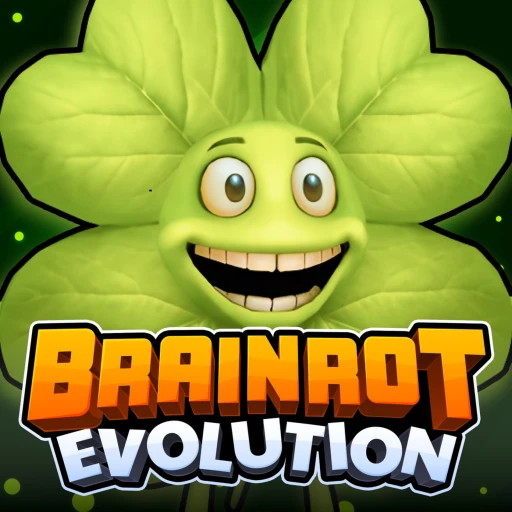
Two of the most talked-about Roblox games in 2026 could not be more different from each other. Brainrot Evolution drops you into a fast-paced simulator where you devour objects to gain EXP, unlock progressively stronger evolution forms, and battle other players for dominance. Grow a Garden hands you a patch of dirt, a few starter seeds, and a promise: if you plant smart, harvest often, and trade wisely, you can build one of the most valuable gardens on the platform.
One rewards reflexes and grinding. The other rewards patience and strategy. Both have pulled in staggering player counts and built passionate communities. If your Roblox time is limited and you need to pick one, this comparison breaks down every category that matters so you can make the right call.
Brainrot Evolution vs Grow a Garden — Quick Stats (2026)
| Category | Brainrot Evolution | Grow a Garden |
|---|---|---|
| Genre | Evolution simulator | Farming / idle simulator |
| Place ID | 111989938562194 | 126884695634066 |
| Developer | Pro_Dev2024 (Magia) | BMWLux |
| Release Date | March 5, 2025 | March 26, 2025 |
| Peak Concurrent Players | 700K | 22.3M |
| Total Visits | 1.7B+ | 32B+ |
| Core Loop | Eat, evolve, battle, collect | Plant, grow, harvest, trade |
| PvP | Yes — central mechanic | Limited (crop stealing) |
| Offline Progress | No | Yes — plants grow offline |
| Update Frequency | Weekly (every Saturday) | Weekly patches + events |
| Mobile-Friendly | Yes (better on PC) | Yes |
The numbers tell a clear story about scale: Grow a Garden holds some of the most extraordinary player-count records in gaming history, peaking at 22.3 million concurrent players in August 2025 and surpassing even Fortnite's all-time concurrent record. Brainrot Evolution sits in a different tier — still massive by Roblox standards with 700K peak players and over 1.7 billion visits — but it is a niche simulator rather than a cultural phenomenon.
Gameplay
Brainrot Evolution
Brainrot Evolution is a combat-focused simulator built around a single satisfying loop: eat objects scattered across the map to gain EXP, level up, and unlock new Brainrot evolution forms. Each evolution enhances your stats — health, damage, and speed — and gives you access to new abilities that change how you approach fights.
The game starts simple enough. You spawn as a basic Brainrot, gobble up food items and small obstacles, and watch your EXP bar climb. But the game gets significantly more complex as you progress. Higher-tier evolutions require strategic stat allocation. Some forms specialize in raw damage output while others prioritize survivability or speed. The choices you make during evolution directly affect your performance in PvP encounters.
PvP is where Brainrot Evolution finds its identity. Once you reach a certain evolution tier, other players become both threats and targets. Winning fights earns bonus EXP and contributes to your win count — a stat the community treats as a badge of honor. The result is a game that rewards both grinding and skill, with tense moments scattered throughout every session.
Grow a Garden
Grow a Garden takes the opposite approach to engagement. There are no enemies to fight and no timer counting down. You buy seeds from the Seed Shop, plant them in your garden plots, wait for them to grow, and then harvest your crops to sell for in-game currency. That currency buys better seeds, which produce more valuable crops, which fund even rarer purchases.
The genius of Grow a Garden is in its offline growth system. Plants continue growing even when you log off. This transforms the game from a grind-heavy experience into something closer to a daily ritual — you set up your garden, close Roblox, and come back later to harvest. It is a design choice that respects the player's time in a way that most Roblox games do not.
Beyond the basic loop, Grow a Garden layers in random events that can mutate your crops into rare variants worth significantly more money. Trading with other players adds another dimension, as rare seeds and mutated plants carry real value in the game's active player-to-player economy. The game also features pets that provide passive bonuses to growth speed and harvest value.
Edge: Grow a Garden. Its offline progression system and accessible core loop make it a more respectful use of your time. Brainrot Evolution demands sustained active play, which suits a different kind of player but can feel exhausting during longer sessions.
Progression
Brainrot Evolution
Progression in Brainrot Evolution follows a vertical path. You start weak, gain EXP through eating and fighting, and unlock increasingly powerful evolution tiers. The game currently features dozens of evolution stages, each with its own visual design and stat profile. Reaching the highest tiers requires significant time investment — expect hundreds of hours to max out.
On top of the evolution chain, the game includes a pet system and a relic system. Pets are companions that boost your stats or grant special abilities. You can acquire them through quests, in-game purchases, or egg hatching. Relics are passive items that provide permanent boosts to health, damage, EXP gain, and speed when equipped. The combination of evolutions, pets, and relics creates a layered progression system where every session feels like it moves the needle forward.
Secret Brainrots (also known as Rainbow Brainrots) add a chase element to the progression. These rare variants have a special third stat that grants bonus damage and health when facing their non-secret counterparts. Unlocking a Secret Brainrot is a genuine milestone that can shift your PvP performance overnight.
Grow a Garden
Grow a Garden's progression is horizontal rather than vertical. Instead of climbing a single power ladder, you expand your garden, unlock new seed types, collect pet variants, and accumulate wealth measured in Sheckles (the game's currency). There is no "max level" in the traditional sense — progression is about building a collection and optimizing your garden for maximum output.
The seed rarity system drives much of the long-term engagement. Common seeds are cheap and plentiful. Rare and legendary seeds cost substantially more and take longer to grow, but their harvest values justify the wait. Mutated crops — triggered by random in-game events — sit at the top of the value chain and serve as the game's most prized collectibles.
Weekly updates introduce new seeds, pets, and event-exclusive items that keep the collection growing. The game's economy naturally inflates over time, so veteran players who stockpiled rare items early hold a significant advantage in the trading market.
Edge: Brainrot Evolution. Its layered progression system — evolutions, pets, relics, and Secret Brainrots — gives players more distinct milestones to chase. Grow a Garden's horizontal progression is satisfying but can feel aimless without self-directed goals.
Graphics and Visual Design
Brainrot Evolution
Brainrot Evolution leans into the internet "brainrot" meme aesthetic with bold, exaggerated character designs that get wilder at every evolution tier. The art style is deliberately over-the-top — each Brainrot form is more absurd than the last, which gives the game a distinct visual personality that stands out on Roblox. Environments are colorful and cluttered with destructible objects, creating a sense of chaotic energy that matches the gameplay.
The visual feedback during combat and evolution is strong. Level-up moments are accompanied by flashy particle effects, and new evolution forms bring dramatic model changes that make each unlock feel significant. Performance on lower-end devices can dip during crowded servers, but the developers have made steady optimization improvements since launch.
Grow a Garden
Grow a Garden opts for a cleaner, more relaxed visual style. Gardens are bright and inviting, with detailed plant models that change appearance as they grow through their lifecycle stages. The art direction prioritizes clarity over spectacle — you can always tell at a glance which plants are ready for harvest, which need more time, and which have mutated into rare variants.
The game's UI is notably polished for a Roblox title. Menus are responsive, inventory management is intuitive, and the overall presentation feels professional. Pet designs are charming without being distracting, and seasonal events bring themed visual overhauls that keep the garden feeling fresh throughout the year.
Edge: Tie. These games aim for completely different visual identities and both succeed at what they are trying to do. Brainrot Evolution's chaotic meme energy is perfect for its genre. Grow a Garden's clean, cozy aesthetic suits its relaxing gameplay loop.
Player Count and Community
This is not a close contest by the numbers. Grow a Garden is one of the most-played video games on the planet — not just on Roblox, but across all platforms. Its peak of 22.3 million concurrent players in August 2025 surpassed records set by Fortnite and PUBG. As of early 2026, the game regularly sustains hundreds of thousands of concurrent players during off-peak hours and millions during events. It has accumulated over 32 billion total visits and roughly 9.5 million favorites.
Brainrot Evolution is large by any reasonable standard. It peaked at 700,000 concurrent players, has surpassed 1.7 billion visits, and consistently appears on the Roblox charts. Within the brainrot game niche, it is one of the most successful titles. But its player base is a fraction of what Grow a Garden commands.
Both communities are active on Discord and social media. Grow a Garden's community is broader and more diverse, attracting casual players, hardcore farmers, traders, and content creators. Brainrot Evolution's community is tighter-knit and more competitive, with an emphasis on PvP leaderboards, Secret Brainrot showcases, and build optimization discussions.
Edge: Grow a Garden. The sheer scale of its player base is unmatched. A larger community means more trading partners, more content creators covering the game, faster matchmaking, and a higher chance that your friends already play it.
Game Passes and Monetization
Brainrot Evolution
Brainrot Evolution takes a restrained approach to monetization. The primary premium offering is a game pass that grants +10% Wins and +10% EXP — a meaningful boost that accelerates progression without gating any content behind a paywall. The game also includes dev products (one-time Robux purchases) for items like instant EXP boosts and special egg hatches.
The important thing to note is that every evolution, pet, and relic in the game can be earned through free gameplay. Premium purchases speed up the journey but never create a ceiling that free players cannot reach. This keeps the competitive scene relatively fair, though premium players will reach higher tiers faster.
Grow a Garden
Grow a Garden offers a wider range of game passes and Robux purchases. Players can buy extra garden plots, speed up growth timers, access cosmetic upgrades, and open loot crates with randomized rewards. The monetization has drawn some scrutiny — former Square Enix executive Jacob Navok questioned the ethics of certain mechanics, particularly the ability to spend Robux to steal from other players' gardens, describing the system as "somewhat evil" and comparing it to light gambling mechanics in kid-friendly packaging.
That said, the core game is fully playable without spending Robux. Free players can access every seed type, participate in events, and build impressive gardens through patience. The paid options primarily save time rather than unlock exclusive power.
If you want to stretch your Robux further in either game, check out our guides on earning free Robux for Brainrot Evolution and earning free Robux for Grow a Garden.
Social Features
Brainrot Evolution
Social interaction in Brainrot Evolution happens primarily through PvP combat. Every player you encounter on the map is a potential opponent or ally. The game supports server-wide events where groups of players compete for limited-time rewards, creating a natural social dynamic built on competition.
The win-count leaderboard gives players a public-facing stat that drives conversations and rivalries. Discussing builds, sharing strategies for difficult evolution tiers, and showing off Secret Brainrots are common social activities within the community. However, the game lacks formal co-op mechanics — there are no guilds, team modes, or structured cooperative content.
Grow a Garden
Grow a Garden weaves social features directly into its core loop. The trading system is the backbone of the game's economy, and successful trades require negotiation, market knowledge, and trust. Players regularly visit each other's gardens to compare collections, admire rare plants, and scout potential trade targets.
The crop-stealing mechanic adds an adversarial social element that can create both tension and hilarity. Random events that affect all players on a server create shared moments of excitement. The game also benefits from its massive community — finding trading partners, getting advice, and discovering strategies is easier when millions of people are playing the same game.
Edge: Grow a Garden. Its trading system and garden-visiting mechanics create richer social interactions than Brainrot Evolution's combat-only social model. The ability to meaningfully cooperate with other players (or mess with their gardens) gives it more social depth.
Replay Value
Brainrot Evolution
Brainrot Evolution's replay value comes from the depth of its progression systems and the unpredictability of PvP. Even after reaching the highest evolution tiers, the pursuit of Secret Brainrots, optimal pet combinations, and relic builds keeps veteran players engaged. The weekly Saturday updates introduce new content consistently, preventing the meta from going stale.
The game's competitive nature creates a natural replay loop. Every session is different because every server has a different mix of players, builds, and strategies. For players who enjoy mastery-based progression — getting incrementally better at combat and optimization — Brainrot Evolution can sustain engagement for months.
The downside is that the game demands active attention during every session. There is no idle mode, no offline progression, and no way to advance without being present and clicking. This makes it harder to maintain over long stretches, especially for players with limited daily playtime.
Grow a Garden
Grow a Garden solves the sustainability problem with its offline growth system. Because plants grow while you are logged off, the game naturally fits into a daily check-in routine rather than demanding multi-hour sessions. This design choice dramatically increases long-term retention — players who have been tending their gardens since launch are still active a year later.
The weekly events and seasonal content provide reliable reasons to return. Limited-time seeds, special mutations, and event-exclusive pets create collection pressure without demanding constant play. The trading market adds another layer of engagement for players who enjoy economic gameplay — monitoring prices, spotting undervalued items, and timing sales.
The risk with Grow a Garden is that the core loop can start to feel repetitive after hundreds of hours. Plant, wait, harvest, sell, repeat. The game adds variety through new seeds and events, but the fundamental rhythm does not change. Players who need constant novelty may lose interest faster than those who find satisfaction in steady accumulation.
Who Should Play What
These games attract fundamentally different players, and that is fine. Here is a breakdown of who will get the most out of each title.
Choose Brainrot Evolution if you:
- Enjoy active, combat-driven gameplay over idle mechanics
- Like competitive PvP and leaderboard climbing
- Want a deep progression system with evolutions, pets, and relics to optimize
- Appreciate the brainrot meme culture and want a game that fully embraces it
- Have dedicated play sessions of 30 minutes or more to invest at a time
- Prefer skill-based progression where getting better at combat directly improves your results
Choose Grow a Garden if you:
- Prefer relaxing, low-pressure gameplay you can pick up and put down easily
- Want a game with offline progression that respects your time
- Enjoy trading economies and building collections
- Like daily check-in games that fit into a routine
- Want to play one of the most popular games on the planet with a massive community
- Prefer cooperative and social features over pure PvP competition
Final Verdict
Choose Brainrot Evolution if you want action, competition, and a deep PvP simulator that rewards grinding and skill in equal measure. Its evolution system is one of the most satisfying progression models in any Roblox simulator, and the weekly updates keep the experience fresh.
Choose Grow a Garden if you want a relaxing, sustainable game that fits into your daily life without demanding hours of active play. Its offline growth, trading economy, and massive community make it one of the most approachable and rewarding experiences on Roblox.
Overall: Grow a Garden takes the win for most players. Its accessibility, record-breaking popularity, and respect for the player's time make it the safer recommendation. But if you thrive on competition and want a game that rewards active engagement, Brainrot Evolution is the better fit — it just asks for more of your attention in return.
Earn Free Robux for Either Game
Whichever game you pick, Earnaldo can help you earn Robux to spend on game passes, pets, and premium items — no surveys, no scams.
Frequently Asked Questions
Is Brainrot Evolution or Grow a Garden more popular on Roblox in 2026?
Grow a Garden holds the edge by a wide margin. It has surpassed 32 billion visits and set an industry record of 22.3 million concurrent players, beating records held by Fortnite and PUBG. Brainrot Evolution has over 1.7 billion visits and peaked at 700,000 concurrent players — strong for a simulator, but a fraction of Grow a Garden's scale.
Which game is better for beginners — Brainrot Evolution or Grow a Garden?
Grow a Garden is significantly more beginner-friendly. Its core loop of planting, harvesting, and selling is straightforward from the first minute. Brainrot Evolution has a steeper learning curve because players must understand evolution tiers, stat builds, pet synergies, and relic boosts to progress efficiently. New players in Brainrot Evolution benefit greatly from reading a guide or watching a tutorial before jumping in.
Can you play both Brainrot Evolution and Grow a Garden on mobile?
Yes. Both games run through the Roblox mobile app on iOS and Android. Grow a Garden's tap-based controls translate naturally to touchscreens and the idle gameplay suits mobile sessions perfectly. Brainrot Evolution works on mobile but its combat mechanics and fast-paced evolution battles feel significantly smoother with a keyboard and mouse.
Which game has better game passes — Brainrot Evolution or Grow a Garden?
Grow a Garden offers more variety in its game passes — extra garden plots, growth speed boosts, cosmetic upgrades, and loot crates. Brainrot Evolution keeps it simpler with a premium pass that grants +10% Wins and +10% EXP. Neither game locks core content behind purchases, so both remain enjoyable for free players.
Do Brainrot Evolution and Grow a Garden receive regular updates?
Both games maintain strong update schedules. Brainrot Evolution releases new content every Saturday, typically adding evolution tiers, pets, balance changes, and events. Grow a Garden pushes weekly patches with new seeds, seasonal events, pets, and quality-of-life improvements. Both development teams communicate actively with their communities through Discord and social media.
Is Brainrot Evolution or Grow a Garden better for earning free Robux?
Both pair well with Earnaldo for earning free Robux. Grow a Garden's idle downtime between harvests creates natural windows to complete earning tasks. Brainrot Evolution's session-based gameplay works well with time-based offers. The choice comes down to personal preference — pick the game you enjoy more and use the gaps in gameplay to earn on the side.