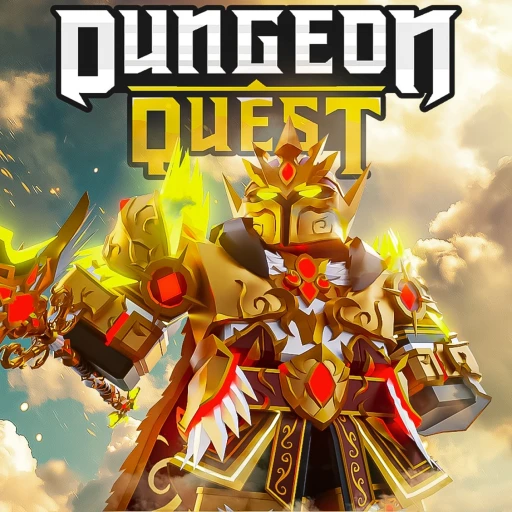
Dungeon Quest vs Dragon Soul (2026) -- Which Roblox RPG Is Better?
Roblox has no shortage of RPGs, but two titles keep pulling players back in 2026: Dungeon Quest and Dragon Soul. One throws you into procedurally-generated dungeons where legendary loot drops from towering bosses. The other channels anime power fantasy, letting you grind stats and unlock transformations that shake the screen. Both are free, both have massive playerbases, and both will happily consume hundreds of hours of your time.
So which one deserves yours? We spent weeks grinding through Dungeon Quest's Nightmare dungeons and pushing for Ultra Instinct in Dragon Soul to bring you a thorough, honest comparison. By the end of this guide, you will know exactly which RPG fits your playstyle -- and how to get the most out of whichever one you choose.
Quick Overview: What Each Game Offers
Before we get into the weeds, here is a snapshot of both games and what makes them tick.
Dungeon Quest at a Glance
Dungeon Quest (Place ID: 2414851778) is developed by Voldex Games and has racked up over 1.17 billion visits since launch. The core loop is clean: pick a dungeon floor, team up with other players, fight waves of enemies, defeat the floor boss, and collect randomized gear drops. Every piece of equipment rolls with different stats, rarity tiers, and spell effects, which creates a satisfying loot chase that keeps players running the same dungeons over and over in search of that perfect Legendary drop.
The game plays like a streamlined action RPG. You equip a weapon and armor, slot spells into your hotbar, and navigate dungeon rooms filled with mobs and environmental hazards. Higher dungeon floors unlock tougher enemies and better rewards. Nightmare mode and Hardcore mode add difficulty multipliers for endgame players who want the rarest drops in the game.
Dragon Soul at a Glance
Dragon Soul (Place ID: 8246874626) is built by Dragon Soul Studios and has crossed 500 million visits. This one draws heavily from anime -- particularly Dragon Ball -- and centers on a progression system where you train individual stats (strength, defense, energy, speed) to unlock increasingly powerful transformations. Start as a base form, grind your way to Super Saiyan, push through SSJ2, SSJ3, and eventually reach god-tier forms like Ultra Instinct.
The gameplay loop blends training zones, quest chains, boss fights, and PvP. You physically click training spots to raise stats, complete quests for XP and currency, challenge world bosses with other players, and test your power level in PvP arenas. Each transformation comes with stat multipliers and flashy new abilities, so hitting that next tier always feels like a major milestone.
Side-by-Side Comparison Table
| Feature | Dungeon Quest | Dragon Soul |
|---|---|---|
| Developer | Voldex Games | Dragon Soul Studios |
| Total Visits | 1.17B+ | 500M+ |
| Genre | RPG / Dungeon Crawler | Anime MMO / RPG |
| Core Loop | Dungeons, boss kills, loot drops | Stat training, transformations, quests |
| Progression Style | Gear-driven (randomized loot) | Stat-driven (train + transform) |
| Multiplayer | Co-op dungeon parties (up to 4) | Open-world MMO + boss raids |
| PvP | Limited (arena mode) | Full PvP arenas + open-world |
| Difficulty Modes | Normal, Insane, Nightmare, Hardcore | Scaling bosses by world tier |
| Endgame Content | Nightmare/Hardcore dungeons, leaderboards | God-tier transformations, raid bosses |
| Beginner Friendly | Yes -- simple dungeon loop | Moderate -- many systems to learn |
| F2P Friendly | Very -- gear comes from gameplay | Yes -- patience required for late forms |
| Update Frequency | Larger drops every few weeks | Frequent smaller updates |
Gameplay and Combat: How They Actually Feel
Dungeon Quest Combat -- Edge: Dungeon Quest
Dungeon Quest puts combat front and center. You pick from weapon types -- swords, staffs, and ranged options -- each with their own attack animations and spell synergies. Combat feels snappy. You dodge boss telegraphs, position yourself to avoid area-of-effect attacks, and time your spell rotations to maximize damage. The enemy variety across different dungeon floors keeps encounters from going stale, and bosses genuinely demand attention on higher difficulties.
What sets it apart is how every combat encounter feeds into the loot system. That mob you just killed might drop a spell with better stats than anything you currently have. The boss at the end of the floor could hand you a Legendary weapon that changes your entire build. Combat is the reward delivery system, and it works.
Dragon Soul Combat
Dragon Soul takes a different approach. Combat is built around your current power level and transformation. Attacks feel big and flashy -- energy blasts, rapid melee combos, ultimate abilities that cover half the screen. The power scaling is the hook: a fight that crushed you an hour ago becomes trivial after unlocking your next transformation. That sensation of growing stronger is constant and addictive.
The downside is that early-game combat can feel repetitive. Before you unlock meaningful transformations, you are mostly clicking training dummies and running basic quests. The payoff comes later when you have multiple abilities, can fly around the map, and are tackling raid bosses that require coordinated teams. If you are willing to push through the early grind, the combat opens up significantly.
Progression Systems: Gear vs. Stats
Dungeon Quest Progression -- Edge: Dungeon Quest
Dungeon Quest uses a gear-driven progression system that will feel familiar to anyone who has played Diablo or Destiny. Every piece of equipment has randomized stats: physical power, spell power, health, and various secondary stats. Rarity tiers run from Common to Legendary, and the difference between a good Legendary and a perfect one is enormous. You might run the same floor fifty times before you get the exact stat roll you want -- and that is the point.
Your character level gates which dungeon floors you can access, but the real power comes from your loadout. A well-geared level 100 player will outperform a poorly-geared level 150 player every time. This means the grind always has purpose. There is always a better drop out there, a tighter stat combination, a spell you have not found yet. For players who love the hunt, Dungeon Quest nails it.
Dragon Soul Progression -- Edge: Dragon Soul
Dragon Soul flips the script with a stat-based system. Instead of hoping for a lucky drop, you manually train each stat by interacting with training objects scattered across the map. Strength governs melee damage, defense reduces incoming hits, energy fuels your abilities, and speed affects movement and dodge timing. It is a transparent, predictable system -- you always know exactly how close you are to hitting the next threshold.
Transformations are the real progression milestones. Each new form (SSJ, SSJ2, SSJ3, God, Blue, Ultra Instinct, and beyond) requires specific stat thresholds and sometimes quest completions. When you finally unlock a new transformation, your stats multiply, your abilities change, and your character looks completely different. It is a massive dopamine hit every time. The system rewards consistency -- if you log in and train daily, you will progress. No RNG involved.
Content Depth and Endgame
Dungeon Floor Variety
Dungeon Quest offers a substantial number of dungeon floors, each with unique visual themes, enemy types, and boss mechanics. The Underworld, Samurai Palace, Winter Outpost, and Canals are just a few of the biomes you will fight through. Each floor has its own loot table, meaning certain weapons and armor only drop from specific bosses. This creates natural variety -- you are not always farming the same content.
Nightmare and Hardcore modes transform familiar floors into genuinely threatening challenges. Enemies hit harder, have more health, and bosses gain new attack patterns. The loot quality scales up accordingly, making these modes essential for anyone pushing into late-game builds. Leaderboards for speedrunning dungeons add a competitive layer that keeps veterans engaged long after they have collected their core gear sets.
Dragon Soul's Open World -- Edge: Dragon Soul
Dragon Soul takes the opposite approach with a sprawling open world. Multiple training islands, quest hubs, PvP zones, and boss arenas are all connected in a single persistent map. You can fly between areas once you unlock the right transformation, and the world feels alive with other players training, fighting, and trading around you. It is closer to a traditional MMO experience than most Roblox games manage to deliver.
The endgame revolves around god-tier transformations and raid bosses that spawn on timers. These fights require coordination -- you need tanks, damage dealers, and support players working together. Seasonal events add limited-time forms and exclusive rewards that keep the content pipeline moving. The PvP scene is also deep, with ranked arenas, tournaments, and a competitive community that takes power optimization seriously.
Community and Social Features
Dungeon Quest Community
Dungeon Quest has a mature, established community. With over a billion visits, the player base knows the game inside and out. Trading is a major social component -- rare gear holds real value, and the trading meta has its own economy. Discord servers dedicated to Dungeon Quest trading are active around the clock. The co-op nature of dungeons naturally encourages teamwork, and finding a regular group to farm with is one of the best ways to enjoy the game.
Dragon Soul Community -- Edge: Dragon Soul
Dragon Soul's community leans younger and more enthusiastic. The anime theming attracts a passionate crowd, and the social dynamics are strong. Training together, showing off new transformations, and sparring in PvP arenas create organic social interactions. The open-world design means you are constantly running into other players, which gives the game a lively, populated feel that instanced dungeons cannot replicate. Community events and boss raids serve as natural gathering points where strangers become allies.
Monetization: What Your Robux Gets You
Both games are free-to-play with optional Robux purchases. Here is how each one handles monetization.
Dungeon Quest sells inventory expansion, extra revives, and cosmetic items. The gear itself always comes from gameplay -- you cannot buy a Legendary weapon outright. This keeps the playing field relatively even between paying and free players. The main advantage spenders get is convenience: more inventory slots mean fewer trips back to town, and revives save time on failed runs. Edge: Dungeon Quest for keeping purchases cosmetic and convenience-only.
Dragon Soul offers training speed multipliers, transformation shortcuts, and VIP game passes. The multipliers let you train stats faster, which compresses the grind but does not skip it entirely. Free players can reach every transformation in the game -- it just takes more hours of training. The gap between paying and free players is noticeable in the mid-game but narrows at endgame where everyone is maxed out regardless.
Neither game crosses into pay-to-win territory. Both let dedicated free players compete at the highest levels. That said, if you want to stretch your Robux further, check out our Dungeon Quest free Robux guide or our Dragon Soul free Robux guide for tips on earning currency without spending.
Performance and Polish
Dungeon Quest Technical Quality -- Edge: Dungeon Quest
Dungeon Quest runs well on most devices. The instanced dungeon system means you are never sharing server resources with dozens of players, so frame rates stay stable even during heavy boss fights. The UI is clean, loot management is straightforward, and the overall polish reflects years of refinement under Voldex Games. Loading times between dungeons are short, and disconnection issues are rare in 2026.
Dragon Soul Technical Quality
Dragon Soul is more ambitious in scope, and that shows in its performance profile. The open world with dozens of players training, fighting, and flying around can strain lower-end devices. Frame drops during large boss raids are not uncommon, especially on mobile. The development team has made significant optimization improvements throughout early 2026, but there is still room to grow. The visual effects during transformations look spectacular on capable hardware -- just be aware that the experience varies by device.
Who Should Play What?
Play Dungeon Quest If You...
- Love loot-driven games where the next drop could change everything
- Prefer structured, session-based gameplay you can jump into and out of
- Enjoy co-op teamwork and coordinated boss fights
- Want a polished, well-optimized experience on any device
- Are a fan of dungeon crawler or ARPG genres
- Care about fair F2P monetization
Play Dragon Soul If You...
- Love anime-inspired power fantasy and transformation systems
- Want an open-world MMO feel with persistent social interaction
- Enjoy PvP combat and competitive ranked play
- Prefer predictable, grind-based progression over RNG loot
- Like visible, milestone-based character growth (new forms, new abilities)
- Want frequent content updates and seasonal events

Comparison Breakdown by Category
| Category | Winner | Why |
|---|---|---|
| Combat Feel | Dungeon Quest | Tighter mechanics, better boss design |
| Progression Satisfaction | Dragon Soul | Transformation milestones are massive dopamine hits |
| Loot System | Dungeon Quest | Randomized gear with deep stat rolls |
| Open-World Exploration | Dragon Soul | Persistent world vs. instanced dungeons |
| PvP | Dragon Soul | Full ranked system and open-world PvP |
| Co-op Play | Dungeon Quest | Built around team dungeon runs |
| Beginner Experience | Dungeon Quest | Simpler loop, less overwhelming |
| Endgame Depth | Tie | Both offer hundreds of hours at max level |
| Performance | Dungeon Quest | Better optimization, works on all devices |
| Social/Community | Dragon Soul | Open-world creates more organic interaction |
| F2P Fairness | Dungeon Quest | No gameplay-affecting purchases |
| Update Cadence | Dragon Soul | More frequent content drops |
Final Verdict
Dungeon Quest wins 6 categories, Dragon Soul wins 5, and 1 is a tie. But the numbers do not tell the full story. These games target different player fantasies. Dungeon Quest is the better game in terms of mechanical polish, combat depth, and F2P fairness. Dragon Soul is the better experience in terms of world-building, social features, and the raw thrill of powering up through transformation tiers. If you forced us to recommend one, Dungeon Quest edges ahead for its tighter design and broader accessibility. But Dragon Soul is the pick if you want an ongoing, social RPG that you check into every day.
Tips for Getting Started in Either Game
Dungeon Quest Starter Tips
1. Do not skip lower floors. It is tempting to rush to the highest dungeon you can access, but lower floors drop gear that builds your foundation. A full set of Rare gear from an appropriate floor will carry you further than mismatched pieces from a higher one.
2. Learn boss patterns before going Nightmare. Every boss has telegraphed attacks. Spend a few runs on Normal just observing when to dodge and when to deal damage. This saves you revives and frustration on harder difficulties.
3. Join the trading community early. Even low-level gear has trade value. Start participating in trades as soon as you have duplicates -- it will accelerate your gearing process dramatically.
4. Spell loadout matters more than weapon stats. A mediocre weapon with the right spells will outperform a great weapon with bad spells. Focus on building a synergistic spell rotation before chasing weapon upgrades.
Dragon Soul Starter Tips
1. Use the highest-tier training spot available. Training zones scale with your stats. Always move to the next training area as soon as you meet the requirements -- the stat gains per click improve significantly.
2. Complete quests alongside training. Quest rewards include stat boosts and currency that supplement your training. Running quests breaks up the grind and gets you to transformation thresholds faster than pure training alone.
3. Join boss raids even if you feel under-leveled. Raid rewards scale with participation, not damage dealt. Showing up and contributing even a small amount nets you valuable drops that accelerate your progression.
4. Save your Zeni for transformation requirements. Some transformations require currency alongside stat thresholds. New players who spend all their Zeni on cosmetics or minor upgrades end up stuck when they hit a transformation gate.
How to Maximize Your Time in Both Games
Whether you pick Dungeon Quest, Dragon Soul, or both, having extra Robux makes the experience smoother. Game passes, inventory upgrades, and training boosts all accelerate your progress. If you would rather earn those Robux instead of buying them, we have guides that walk you through the process step by step.
For RPG fans exploring other Roblox titles, our Blox Fruits free Robux guide covers similar strategies for another top-tier RPG on the platform.
Earn Free Robux for Dungeon Quest and Dragon Soul
Get game passes, inventory slots, and training boosts without spending your own money. Earnaldo lets you earn Robux through offers, surveys, and more.
Frequently Asked Questions
Dungeon Quest is generally better for beginners. Its loop of entering dungeons, fighting mobs, and beating a boss is straightforward to understand. Dragon Soul has more complex systems like stat training, multiple transformation trees, and quest chains that can overwhelm new players.
Dungeon Quest has a deeper loot system with randomized gear stats, rarity tiers from Common to Legendary, and visible weapon models. Dragon Soul focuses more on transformation unlocks and stat multipliers rather than traditional gear drops, so loot hunters will prefer Dungeon Quest.
Both games can be played solo, but Dungeon Quest is designed around co-op dungeon runs and higher difficulties almost require a team. Dragon Soul is more solo-friendly since stat training and questing work well alone, though boss raids benefit from groups.
Dragon Soul has been on a more frequent update cycle in 2026, with new transformations, bosses, and quests added regularly. Dungeon Quest under Voldex Games receives steady updates too, but they tend to come in larger, less frequent content drops with new dungeon floors.
Neither game is strictly pay-to-win, but both offer Robux-based boosts. Dungeon Quest sells revives and inventory slots. Dragon Soul offers training multipliers and transformation shortcuts. In both cases, free players can reach endgame -- it just takes longer without spending.
Earnaldo lets you earn free Robux by completing offers, surveys, and watching videos. You can then use that Robux for game passes and boosts in either Dungeon Quest or Dragon Soul without spending real money. Start earning here.