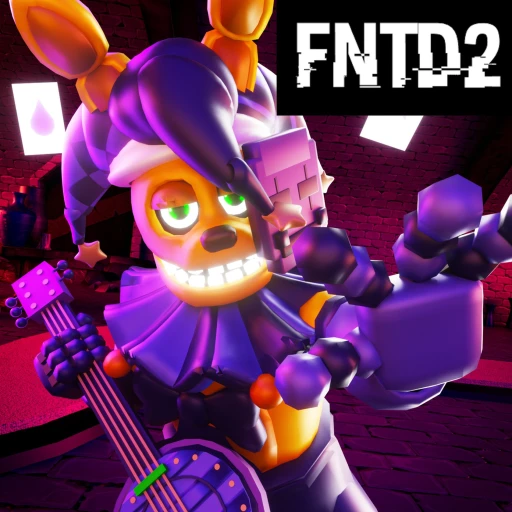
Five Nights TD 2 vs Toilet Tower Defense (2026) -- Which Roblox Game Is Better?
Two of Roblox's most popular tower defense games take wildly different approaches to the genre. Five Nights TD 2 brings the creepy animatronics and tense atmosphere of Five Nights at Freddy's into a strategic tower defense framework. Toilet Tower Defense turned the Skibidi Toilet meme into one of the most-visited games on the entire platform, with billions of visits and a massive community. Both are tower defense at their core, but the experience of playing them is night and day.
I've spent serious hours in both games -- placing animatronics on dark pizzeria maps in FNTD2 and stacking cameraman units against toilet waves in TTD. They share a genre label, but they're targeting completely different audiences with different design philosophies. Let's get into the full breakdown for 2026.
Quick Stats Comparison
| Metric | Five Nights TD 2 | Toilet Tower Defense |
|---|---|---|
| Developer | Hyper TD | Grim Creations |
| Genre | FNAF Tower Defense | Meme Tower Defense |
| Total Visits | ~50 Million+ | ~5 Billion+ |
| Concurrent Players | ~5-15K | ~20-40K |
| Theme | Five Nights at Freddy's / Horror | Skibidi Toilet Universe |
| Core Loop | Summon animatronics, defend pizzeria | Place toilet/camera units, defend bases |
| Unit Acquisition | Summoning + upgrades | Crates + trading |
| Co-op Support | Yes | Yes (squad-based) |
| Difficulty Curve | Moderate-Steep | Moderate |
| F2P Friendliness | Moderate | Good |
| Roblox Place ID | 70400654680508 | 17627769389 |
The visit numbers tell an important story here. Toilet Tower Defense sits at over 5 billion visits, making it one of the most successful tower defense games in Roblox history. Five Nights TD 2 is much newer with around 50 million visits, but it's growing fast thanks to the enduring popularity of the FNAF franchise. Raw numbers alone don't determine quality, though -- these games excel in very different ways.
Gameplay: Horror Strategy vs Meme Mayhem
Five Nights TD 2 -- Animatronics on Your Side
Five Nights TD 2 flips the FNAF formula on its head. Instead of hiding from animatronics, you're deploying them as your defenders. Freddy, Bonnie, Chica, Foxy, and dozens of other characters from the Five Nights at Freddy's universe become your tower defense units, each with distinct abilities and attack patterns that reference their source material.
The game nails the horror atmosphere. Maps are dimly lit, sound design creates genuine tension, and enemy waves feel threatening in a way that goes beyond just numbers on a health bar. The pizzeria-themed environments are packed with detail -- flickering lights, security cameras, dark hallways -- and the whole experience feels like a love letter to the FNAF franchise.
Mechanically, FNTD2 rewards careful unit placement more than raw roster strength. Map pathing tends to be tight with fewer optimal placement spots, which means every decision matters. You're thinking about range overlaps, ability coverage, and which animatronic abilities complement each other. The upgrade system lets you power up individual units during a match, adding a resource management layer on top of positioning. For a deeper look at unit strategies, check our Five Nights TD 2 guide.
Toilet Tower Defense -- The Skibidi Juggernaut
Toilet Tower Defense took the Skibidi Toilet meme -- originally a YouTube series featuring toilet-headed characters battling cameramen -- and built it into a tower defense powerhouse. The game has been refined over countless updates into a polished TD experience that manages to be both absurd and genuinely strategic.
You collect characters from across the Skibidi universe: Cameraman variants, Speaker units, TV heroes, and all kinds of upgraded toilet defenders. Each unit has upgrade tiers that change their appearance and boost their stats, and the sheer variety of the roster means there are dozens of viable team compositions for any given map.
TTD's maps are generally more generous with placement space and path length compared to FNTD2. This makes the game more accessible without removing the challenge -- higher difficulty modes and endless waves still require smart unit selection and placement. The crate system for acquiring new units keeps things exciting, and the massive trading community means you can always work toward specific units you want. Our Toilet Tower Defense guide covers everything from crate strategies to unit tier lists.
Edge: Toilet Tower Defense for accessible fun, Five Nights TD 2 for atmospheric depth. TTD is the more polished and content-rich experience overall, but FNTD2 delivers something TTD can't -- a genuinely immersive horror-strategy hybrid that feels unique on the platform.
Progression: Steady Grind vs Crate Rush
Progression in Five Nights TD 2 follows a more traditional path. You clear maps on increasing difficulty tiers, earning currency and unlocking new animatronic units as you go. The roster is smaller than TTD's, which means each new unlock feels significant. You're not drowning in duplicates -- when you get a new animatronic, it opens up new strategic options that genuinely change how you approach maps.
The upgrade system in FNTD2 is straightforward. You invest currency into specific units to permanently boost their base stats, and during matches, you spend earned resources to temporarily enhance placed units. This dual-layer progression gives you both long-term goals and in-match decision-making.
Toilet Tower Defense handles progression through its crate and trading ecosystem. You earn crates from gameplay, events, and daily rewards, then open them for randomized unit drops. The RNG element can be frustrating when you're chasing a specific unit, but the trading system acts as a safety valve -- if you can't pull what you need, you can trade for it. TTD also runs frequent events with exclusive limited-time units, creating a collector's mentality that keeps players logging in.
TTD's progression feels faster because rewards flow constantly. You're always opening something, trading something, or working toward an event goal. FNTD2's progression is slower but more deliberate -- each step forward feels earned rather than lucky.
Edge: Toilet Tower Defense. The sheer volume of content, events, and rewards makes TTD's progression more engaging session-to-session. FNTD2's progression is satisfying in a different way, but TTD keeps more plates spinning at once.
Graphics and Audio: Dark Atmosphere vs Bright Chaos
Five Nights TD 2 -- Setting the Mood
This is where FNTD2 punches well above its weight class. The game looks genuinely impressive for a Roblox tower defense title. Animatronic models are detailed and faithful to their source material, with smooth animations that capture each character's personality. Freddy's lumbering attacks feel heavy, Foxy's charges are fast and vicious, and the smaller units have their own distinct movement styles.
The lighting is the standout feature. Maps use dynamic shadows, flickering light sources, and darkness as actual design elements. Some maps restrict your vision, forcing you to rely on audio cues to track enemy positions. The sound design supports this brilliantly -- you'll hear footsteps in hallways, mechanical grinding from approaching enemies, and the iconic FNAF jumpscare stings repurposed as ability sound effects. It's atmospheric in a way that most Roblox games don't even attempt.
Toilet Tower Defense -- Polished and Readable
TTD takes a different approach. The art style is bright, clean, and designed for readability. When you have dozens of units on screen with abilities firing simultaneously, you need to be able to track what's happening. TTD achieves this with clear unit silhouettes, distinct ability visual effects, and color coding that lets you assess the battlefield at a glance.
The Skibidi-themed unit designs are creative and well-executed. Higher-tier units have particularly impressive models and ability animations -- some of the mythic-tier cameraman units look legitimately cool despite the meme origins. The maps are colorful and varied, moving through different environments while maintaining visual consistency.
Audio in TTD is functional but less distinctive. Sound effects are satisfying, music loops are decent, and ability sounds provide useful gameplay feedback. It's not trying to create an atmosphere -- it's trying to be clear and enjoyable during extended grinding sessions.
Edge: Five Nights TD 2. On pure visual and audio quality, FNTD2 is the more impressive game. The horror atmosphere gives every map a sense of place that TTD's brighter, more functional design doesn't aim for. If graphics and immersion matter to you, FNTD2 delivers.
Player Count and Community Size
This one isn't close in terms of raw numbers. Toilet Tower Defense regularly pulls 20,000 to 40,000 concurrent players, with total visits exceeding 5 billion. It's one of the biggest games on Roblox, period. The Skibidi meme phenomenon created an enormous funnel of players, and TTD's consistent updates and events have kept them engaged.
Five Nights TD 2 operates on a different scale. With 5,000 to 15,000 concurrent players and around 50 million total visits, it's a successful game by any normal standard -- just not on TTD's level. The FNAF fanbase is loyal and dedicated, which means FNTD2's player retention is strong even if the raw numbers are smaller.
Community-wise, both games have active Discord servers and YouTube content creators. TTD's community is massive, with trading servers that run around the clock and content creators pulling millions of views on unit reveals and crate openings. FNTD2's community is smaller but passionate, with detailed strategy discussions and genuine excitement around each new animatronic addition.
The practical impact matters for matchmaking and trading. You'll never wait for co-op partners in TTD. FNTD2 lobbies fill reliably during peak hours, but off-peak can mean a short wait.
Game Passes and Monetization
Both games monetize through a combination of game passes and premium currency, but their approaches reflect their different scales.
Five Nights TD 2 offers game passes for faster progression, exclusive animatronic variants, and quality-of-life upgrades like increased unit placement capacity. The passes are reasonably priced for the Roblox ecosystem, and the game doesn't create heavy pressure to buy them. Free players can access all maps and game modes -- passes accelerate progression and add cosmetic variety rather than gating content.
Toilet Tower Defense has a more developed monetization system, which makes sense given its larger playerbase. Premium crates offer better odds at rare units, exclusive bundles feature limited-edition characters, and seasonal passes provide steady rewards for regular players. TTD's economy is larger and more complex, with premium units holding significant trading value that creates its own secondary market.
Neither game crosses into pay-to-win territory. Both let free players access all gameplay content, with spending providing convenience rather than competitive advantage. Patient free players can build competitive rosters in both games through gameplay alone.
Edge: Five Nights TD 2 for value. FNTD2's smaller, simpler monetization means less pressure on your wallet. TTD's economy is fair but has more moving parts designed to encourage spending.
Social Features and Multiplayer
Tower defense games thrive on co-op, and both titles deliver multiplayer experiences -- just at different scales.
Toilet Tower Defense's social features are its strongest asset outside of gameplay. The trading system alone creates hours of social interaction as players negotiate, browse offers, and hunt for specific units. Co-op modes support squad-based play where multiple players contribute units to defend together, and the matchmaking system fills lobbies quickly thanks to the massive playerbase. Public lobbies are active at all hours, and the game makes it easy to jump in and play with strangers.
Five Nights TD 2 supports co-op defense where players work together to protect the pizzeria. The experience is more intimate -- smaller team sizes and tighter maps mean each player's contribution is noticeable. Communication matters more because there are fewer placement spots and every unit counts. It's less about social features as a system and more about the actual cooperative gameplay feeling meaningful.
Both games benefit from Discord servers, trading forums, and YouTube guides. TTD's larger community means more resources are available, but FNTD2's focused community produces high-quality strategy content despite its smaller size.
Replay Value: What Keeps You Coming Back
Toilet Tower Defense has an enormous advantage in raw content volume. Hundreds of units, dozens of maps, regular events with exclusive rewards, an active trading economy, and endless mode progression that can consume hundreds of hours. The game has been live and receiving updates for years, and that content accumulation shows. There's always something to do, something to chase, and something new dropping in the next update.
Five Nights TD 2 is earlier in its content lifecycle. The map count is smaller, the unit roster is tighter, and the endgame isn't as deep. But what's there is well-crafted. Each map feels distinct and worth replaying at higher difficulties. The smaller roster means meta shifts from updates hit harder -- a new animatronic can completely change optimal strategies for multiple maps. And the atmosphere keeps maps engaging even on repeat plays, because the tension doesn't fully go away.
For long-term engagement, TTD has the content library to keep you playing for months. FNTD2 offers a more focused experience that you might rotate in and out of as updates drop. Both approaches are valid -- it depends on whether you want a game that's your main time investment or something you pick up regularly for intense, focused sessions.
Edge: Toilet Tower Defense. Content volume wins here. TTD has years of updates, events, and unit additions that give it an enormous replay value advantage. FNTD2 is building toward that depth, but it's not there yet.
Who Should Play What?
Play Five Nights TD 2 if you:
- Love Five Nights at Freddy's and want FNAF characters in a new context
- Prefer atmospheric, immersive tower defense with horror elements
- Want tighter map design where every placement decision feels critical
- Enjoy a smaller, focused roster where each unit matters
- Like supporting a growing game and being part of a community from early on
- Prefer less monetization pressure and a simpler economy
Play Toilet Tower Defense if you:
- Enjoy the Skibidi Toilet meme universe and its characters
- Want a massive roster of collectible units with deep trading
- Prefer a game with years of content already built up
- Like casual co-op that's easy to jump into with randoms
- Want frequent events, updates, and new content drops
- Enjoy the social aspects of trading and community interaction
Here's the honest take: these games don't compete as directly as you might expect. Five Nights TD 2 is a niche-within-a-niche -- horror tower defense with FNAF theming that appeals strongly to a specific audience. Toilet Tower Defense is a mainstream juggernaut built on meme culture and polished TD mechanics. Many players in the Roblox TD community play both, using TTD as their daily driver and FNTD2 as a change of pace when they want something moodier and more intense.
If you're choosing one and you've never played either, TTD is the safer pick -- more content, more players, more forgiving learning curve. But if the FNAF theming speaks to you, FNTD2 offers something TTD cannot replicate -- atmosphere, tension, and the satisfaction of watching Freddy Fazbear obliterate a wave of enemies in a dark hallway.
Our Verdict
Toilet Tower Defense is the bigger, more content-rich game with a proven track record and an enormous community. For most players looking for a tower defense experience on Roblox in 2026, it's the stronger overall package. Five Nights TD 2 is the more atmospheric and creatively ambitious game, delivering horror-infused tower defense that stands out from every other TD on the platform. TTD wins on breadth -- FNTD2 wins on depth of experience. If you're a FNAF fan, FNTD2 is a must-play. If you want the most complete tower defense package available right now, TTD is the answer. And if you have time for both, you absolutely should -- they complement each other better than they compete.
Need Robux for Game Passes or Crates?
Earnaldo lets you earn free Robux through simple tasks -- grab premium crates in Toilet Tower Defense or game passes in Five Nights TD 2 without spending your own money.
Frequently Asked Questions
Toilet Tower Defense leads by a wide margin, with over 5 billion total visits and 20-40K concurrent players compared to Five Nights TD 2's roughly 50 million visits and 5-15K concurrent players. TTD's viral Skibidi meme appeal gives it a much broader audience, though FNTD2 has a dedicated and growing FNAF fanbase.
On a per-map basis, Five Nights TD 2 tends to be more challenging. Tighter pathing, fewer placement spots, and horror-themed mechanics that punish poor positioning create a steeper difficulty curve. TTD has more content overall and its hardest modes are demanding, but the average play session is more forgiving and accessible.
Toilet Tower Defense offers more generous free rewards through its crate system, daily challenges, and events. Five Nights TD 2 is also playable without spending, but unit progression can feel slower. TTD's trading system also gives free players a path to acquire premium units through smart trading rather than buying.
Toilet Tower Defense has a robust, well-established trading system with a massive active market. Five Nights TD 2 has more limited trading features. If collecting and trading units is important to you, TTD offers a far deeper and more active trading experience.
Five Nights TD 2 wins on atmosphere and visual ambition. Its dark, horror-themed maps with dynamic lighting and detailed animatronic models create genuine immersion. Toilet Tower Defense has a cleaner, brighter art style optimized for readability during intense gameplay. It comes down to whether you prefer creepy and atmospheric or colorful and clear.
Yes, both games support cooperative play. TTD's co-op is more developed with squad-based modes, larger team sizes, and fast matchmaking thanks to its huge playerbase. FNTD2 supports co-op defense with smaller teams where each player's contribution feels more impactful. Both are more fun with friends.