Skateboard for Brainrots vs Steal a Brainrot (2026) -- Which Roblox Game Is Better?
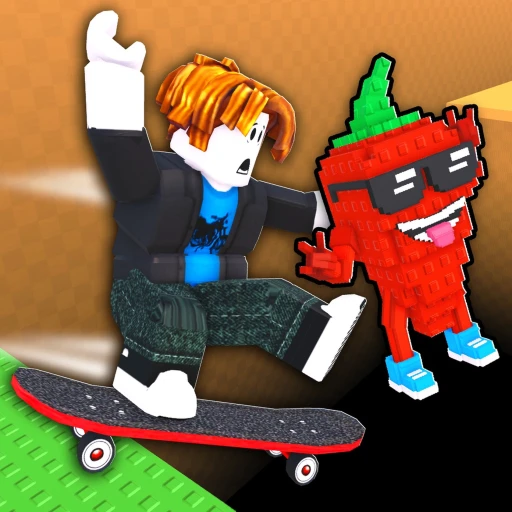
The brainrot meme wave has officially taken over Roblox, and two games are leading the charge in completely different directions. Skateboard for Brainrots turns the trend into a chill vertical climbing experience where you grind your way up towering maps on a skateboard, scooping up brainrot characters along the way. Steal a Brainrot takes the same meme universe and turns it into a competitive base-building, raiding, and collection game that's pulling 181,000 players at any given moment.
Both games lean hard into the brainrot aesthetic -- Skibidi Toilets, Italian Brainrot, and every other meme creature you've seen flooding your feed. But the actual gameplay couldn't be more different. One is a solo-friendly progression grinder. The other is a social PvP collection game built around stealing from your enemies. If you've been wondering which brainrot game deserves your time, this breakdown covers every category that matters.
We're comparing gameplay, progression systems, graphics, player counts, game passes, social features, and replay value so you can make an informed decision -- or at least know what you're getting into before you hit that play button.
Skateboard for Brainrots vs Steal a Brainrot -- Quick Stats (2026)
| Category | Skateboard for Brainrots | Steal a Brainrot |
|---|---|---|
| Genre | Vertical skateboard collector | Base building / raiding collector |
| Place ID | 84259959693333 | 109983668079237 |
| Developer | BRAINROT SWAG | DoBig Studios |
| Avg CCU (Apr 2026) | ~14,500 | ~181,000 |
| Player Rating | 90% | High (85%+) |
| Core Loop | Skateboard up, collect brainrots, cash in, upgrade | Build base, raid others, steal brainrots, expand collection |
| PvP Element | None (solo progression) | Yes (base raiding) |
| Upgrades | Speed, jump, carry capacity | Base defenses, collection storage, raid tools |
| Mobile-Friendly | Yes (very smooth) | Yes (mostly smooth) |
| Free-to-Play | Yes | Yes |
Gameplay -- What Do You Actually Do?
Skateboard for Brainrots
Skateboard for Brainrots drops you at the bottom of a massive vertical map with one job: ride your skateboard up. The map is built like a giant obstacle course stretching skyward, packed with platforms, ramps, and floating sections that test your timing and movement skills. Scattered across every level of the map are brainrot characters -- Italian Brainrot, Skibidi Toilet variants, Bombardiro Crocodilo, and dozens of others -- that you pick up just by skating over them.
Once you've filled your carry capacity, you skateboard back down to your base and deposit the brainrots for cash. That cash feeds into three core upgrades: speed (how fast your skateboard moves), jump (how high you can launch off ramps and gaps), and carry capacity (how many brainrots you can hold before needing to return). The loop is dead simple -- go up, grab stuff, come back, spend, go higher next time.
What makes it work is the verticality. Each run pushes you a little further up the map than the last because your upgraded stats let you reach platforms that were impossible before. There's a genuine sense of physical progression as you clear sections that previously walled you. The skateboard physics feel snappy enough that the moment-to-moment movement stays satisfying even on your fiftieth trip up the same stretch of map. Runs take anywhere from 2-5 minutes depending on how high you push, making it perfect for short sessions.
Steal a Brainrot
Steal a Brainrot is a fundamentally different game wearing the same meme skin. You start with a small base and a basic collection of brainrot characters. From there, the game splits into two interconnected loops: building up your base's defenses and storage capacity, then raiding other players' bases to steal their brainrot collections.
The base-building side involves placing walls, traps, and defensive structures to protect your brainrot collection from other raiders. You're constantly making decisions about resource allocation -- do you invest in stronger walls, or save up for a rare brainrot that'll boost your collection value? Every Robux-equivalent you earn from successful raids feeds back into this defense-versus-offense tension.
The raiding side is where the adrenaline lives. You pick a target, breach their base defenses, and grab as many of their brainrots as you can before the timer runs out or their defenses overwhelm you. Different brainrot characters have different rarity tiers, so experienced raiders scout for bases hoarding rare specimens. The best raids feel like heists -- you plan your approach, identify the weak point in their defenses, and extract the highest-value targets before time expires.
The collection aspect ties everything together. Your total brainrot collection determines your rank, your bragging rights, and your overall progression. Some brainrots are common drops, others are event-exclusive rarities that entire servers will fight over. Building the most impressive collection becomes the long-term goal that keeps people grinding hundreds of hours into the game.
Edge: Steal a Brainrot for depth and engagement. The raiding loop creates tension and social dynamics that Skateboard for Brainrots can't match. But Skateboard for Brainrots wins on accessibility -- you can understand the entire game in thirty seconds, and there's zero stress involved in the gameplay loop. If you want chill vibes, Skateboard wins. If you want stakes, Steal a Brainrot delivers.
Progression -- How Does Each Game Keep You Playing?
Skateboard for Brainrots
Progression in Skateboard for Brainrots is transparently linear, and that's part of its charm. You earn cash from depositing brainrots, and you spend that cash on three upgrade paths: speed, jump, and carry. Each upgrade has multiple tiers with increasing costs, and the stat improvements are immediately noticeable. Buying your first speed upgrade transforms how the game feels -- suddenly ramps that stalled you out become launchpads, and sections that took thirty seconds now take ten.
The carry capacity upgrade is the sleeper pick for efficient progression. Early on, you can only hold 5-8 brainrots per run, forcing constant trips back to base. Maxing out carry capacity means each run yields 3-4x more cash, which compounds your upgrade speed dramatically. Smart players prioritize carry early, then dump the accumulated wealth into speed and jump once they're hauling 25+ brainrots per trip.
The brainrot collection itself adds a secondary layer. Different brainrots spawn at different heights on the map, with rarer variants appearing only at the highest points that require significant upgrades to reach. Completionists who want every brainrot type in their collection have a built-in reason to max every stat. The progression curve is smooth -- you never hit a wall where grinding feels punishing, but there's always a meaningful next purchase dangling just out of reach.
Steal a Brainrot
Steal a Brainrot's progression is more complex and more volatile. Your collection size is the primary metric, but it's not a steady climb because other players can raid you and steal your brainrots. This creates a progression curve that zigs and zags -- you might gain 50 brainrots in a productive afternoon, then log in the next day to find someone raided your base and took 20 of them while you were offline.
Base upgrades form the defensive progression path. Stronger walls, better traps, and expanded storage all cost resources that you earn from successful raids and daily activities. There's genuine strategic depth here -- players who invest heavily in defense protect their collection but raid less aggressively, while offense-focused players accumulate faster but lose more to counter-raids. Finding your personal balance between the two playstyles is a meta-progression that evolves over dozens of hours.
The rarity system adds a collection completionism angle that's addictive by design. Common brainrots are everywhere, but rare and legendary variants might require dozens of raids to find. Event-exclusive brainrots create time-limited urgency that spikes engagement during limited windows. The trading economy between players adds another dimension where negotiation skills become as valuable as raiding skills.
Edge: Steal a Brainrot. The multi-layered progression with base building, raiding, collection rarity, and player trading creates a web of interconnected goals that keeps players engaged far longer than Skateboard's linear upgrade path. However, the volatility of losing progress to raids is genuinely frustrating for some players, while Skateboard's steady upward curve never takes anything away from you.

Graphics and Visual Style
Skateboard for Brainrots
Skateboard for Brainrots goes for a bright, colorful aesthetic that matches its lighthearted tone. The vertical map is built with eye-catching platform designs -- neon-lit sections, themed zones with distinct color palettes, and enough visual variety that the climb doesn't feel monotonous even after hours of play. The brainrot character models are well-rendered versions of the meme originals, with enough personality that collecting them feels rewarding on a visual level.
The skateboard animations are clean. Launching off ramps, grinding rails, and landing on platforms all have satisfying visual feedback that makes movement feel responsive. The camera handles the vertical orientation well, pulling back enough during big jumps that you can see where you're heading without losing track of your character. For a game built primarily around movement, the visual clarity during fast sections is strong.
Performance is excellent across devices. The relatively simple geometry of the vertical map means even low-end mobile devices maintain smooth framerates, which matters when precise jumps are the difference between a productive run and a frustrating fall back to the bottom.
Steal a Brainrot
Steal a Brainrot puts more graphical horsepower into its environments. Player bases can become elaborate constructions with layered defenses, custom layouts, and visual flair that reflects hours of investment. The brainrot character models in your collection are displayed with pride -- trophy rooms and display cases showcase rare finds, turning your base into a visual museum of everything you've accumulated.
The raiding visuals sell the intensity. Breaching walls creates particle effects, trap activations have visual tells that experienced raiders learn to read, and the countdown timer during raids creates a visual urgency that keeps the screen feeling dynamic. The map where you select raid targets has a clean interface that communicates base difficulty levels through visual indicators.
The downside is that Steal a Brainrot's more complex environments occasionally cause frame drops on older mobile devices, especially when raiding heavily fortified bases with lots of active traps. PC and newer mobile players won't notice, but budget device owners might experience some choppiness during intense moments.
Edge: Draw. Both games look good for what they're trying to do. Skateboard for Brainrots nails clean, readable visuals that serve its movement-focused gameplay. Steal a Brainrot offers more visual complexity and customization but at the cost of occasional performance hits. Neither game is pushing Roblox's graphical ceiling, but both nail the brainrot aesthetic effectively.
Player Count and Community (July 2026)
The numbers tell a clear story: Steal a Brainrot is the bigger game by a massive margin. With approximately 181,000 concurrent players on any given day, it's one of the most-played experiences on Roblox right now. DoBig Studios has tapped into the combination of base-building, PvP raiding, and collection completionism that drives viral growth -- every raid creates a story, and every story gets shared.
Skateboard for Brainrots holds steady at around 14,500 CCU, which is respectable for a more niche experience. BRAINROT SWAG has built a loyal player base that appreciates the game's focused, low-stress design. The 90% approval rating suggests that the people who play it genuinely enjoy it -- a higher satisfaction rate than many games with ten times the player count.
Community culture splits along predictable lines. Steal a Brainrot's community buzzes with raid strategies, base design showcases, collection flex posts, and trading negotiations. It's competitive and social, with YouTube content creators regularly featuring raid highlights and rare brainrot hunts. Skateboard for Brainrots' community is quieter but tighter -- players share optimization tips, speedrun strategies, and upgrade path recommendations. The vibe is closer to a hobbyist club than a competitive arena.
Both communities are active on Discord, though Steal a Brainrot's server is predictably larger and more chaotic. If you prefer structured conversations about game mechanics, Skateboard's community offers that. If you want the energy of an active trading market and constant PvP drama, Steal a Brainrot is the place.
Edge: Steal a Brainrot for sheer scale and social energy. The 181K CCU means you'll never struggle to find active servers, raid targets, or trading partners. But Skateboard for Brainrots' 90% rating and 14.5K loyal players shows that bigger isn't always better -- sometimes a smaller, happier community is exactly what you want.
Game Passes and Monetization
Skateboard for Brainrots
Skateboard for Brainrots keeps its game pass lineup straightforward. The primary passes revolve around boosting your three core stats -- speed multipliers, jump boosts, and expanded carry capacity. There are also cosmetic skateboard skins and trail effects that don't impact gameplay but let you style out your rides.
The functional passes create a clear value proposition: you're buying time savings. A speed multiplier doesn't unlock content you can't reach as a free player -- it just gets you there faster. A carry capacity boost means fewer trips back to base, which translates directly into more cash per hour. For players who value their time, these passes deliver tangible quality-of-life improvements without locking content behind paywalls.
Pricing sits in the moderate range for Roblox games. Nothing feels predatory, and free players can reach every piece of content the game offers through normal play. The passes accelerate, they don't gate. That's a healthy monetization model that keeps the 90% approval rating intact.
Steal a Brainrot
Steal a Brainrot has a broader monetization spread to match its more complex gameplay. Base expansion passes let you build larger, more elaborate fortifications. Raid-focused passes might grant extra raid attempts per day or expanded raid inventories. Collection passes can unlock bonus display slots or special storage vaults that protect a portion of your brainrots from raids.
The vault-style protection passes are the most interesting from a design perspective. They create a safety net that reduces the sting of being raided, which addresses the single biggest frustration point in the game. Players who buy vault protection feel more comfortable investing time into rare brainrot hunts because they know their best finds are secure. It's a smart monetization decision that sells peace of mind rather than raw power.
The broader pass catalog means more options but also more confusion for new players. Someone logging in for the first time faces a list of passes with unclear relative value. Experienced players know exactly which passes offer the best returns, but newcomers might feel overwhelmed or make suboptimal purchases before they understand the game's systems.
Edge: Skateboard for Brainrots for clarity and simplicity. Every pass does exactly what it says, and you'll never feel like you bought the wrong thing. Steal a Brainrot offers more options and some genuinely clever monetization design (the vault passes are great), but the broader catalog creates decision paralysis for new players. Neither game is pay-to-win, which is the most important thing.
Social Features -- Playing with Friends
Skateboard for Brainrots
Skateboard for Brainrots is primarily a solo experience, but that doesn't mean it's anti-social. You share servers with other players, and there's a natural camaraderie in watching someone else attempt the same tricky jump you've been failing for five minutes. The shared vertical map means you'll constantly see other skaters around you -- some zooming past with maxed-out speed stats, others carefully navigating the same sections you're struggling with.
Leaderboards add a passive competitive element. Seeing who's collected the most brainrots, who's reached the highest point, and who's earned the most cash creates aspirational goals without direct confrontation. You're competing against the leaderboard, not against specific players. For people who find PvP stressful, this indirect competition provides motivation without anxiety.
Playing with friends is essentially playing side-by-side. You can join the same server, skate together, and compare progress, but there's no mechanical cooperation -- no boosting each other to higher platforms or combining carry capacities. The social element comes from shared experience rather than interdependent mechanics.
Steal a Brainrot
Steal a Brainrot is fundamentally a social game. Every raid you launch is against another real player's base. Every defense you build is designed to stop real human attackers. The trading market connects you with other collectors for negotiation and exchange. The entire game is built on player interaction.
Playing with friends elevates the experience significantly. Coordinated raids where one friend distracts traps while another grabs the high-value brainrots feel like proper heist operations. Building adjacent bases and creating mutual defense agreements adds a social metagame layer. The friends-versus-friends dynamic, where you can absolutely raid your buddy's base and steal their rarest find, generates the kind of hilarious betrayal stories that keep people talking about the game long after they've logged off.
The trading system is where Steal a Brainrot's social design really shines. Rare brainrots become social currency -- having something another player wants gives you leverage, and negotiating fair trades is a skill that develops alongside your raiding abilities. Active trading communities have formed where reputation matters and scammers get blacklisted. It's a genuine player-driven economy.
Edge: Steal a Brainrot by a wide margin. The raiding, trading, base-building, and competitive collection mechanics create dense social interactions that Skateboard for Brainrots can't match. But this edge comes with a caveat: if you prefer gaming as a solo relaxation activity, Skateboard's lack of social pressure is a feature, not a bug.
Replay Value -- Will You Still Play Next Month?
Skateboard for Brainrots
Skateboard for Brainrots has a defined endpoint that most progression games share: eventually, you max everything out. Once your speed, jump, and carry are all at maximum tiers and you've collected every brainrot variant, the mechanical progression stops. The question is how long that takes and whether the journey stays enjoyable.
For most players, the progression curve provides 20-40 hours of solid engagement before you start feeling the diminishing returns. BRAINROT SWAG has been adding new map sections, seasonal brainrot variants, and occasional events that extend the lifespan beyond the base upgrade path. The developer's update cadence has been consistent enough to keep the 14.5K CCU stable rather than declining.
The speedrunning community adds unexpected replay value. Once you've maxed your stats, optimizing your route up the map for maximum brainrots per minute becomes a surprisingly engaging meta-challenge. The best speedrunners have developed techniques -- specific jump timings, shortcut routes, momentum conservation tricks -- that transform a casual collectathon into a precision movement game.
Steal a Brainrot
Steal a Brainrot's replay value is theoretically infinite because other players are the content. No two raids play identically because every base is different. The collection metagame shifts as new brainrots are introduced and rarity tiers fluctuate. The trading economy creates dynamic value that changes weekly. You can play Steal a Brainrot for 500 hours and still encounter novel situations because human opponents never stop adapting.
DoBig Studios has maintained an aggressive update schedule that feeds the collection loop with new brainrot variants, limited-time events, and seasonal base-building materials. Each update reshuffles the meta -- new defensive structures change how raids are planned, new brainrot rarities create fresh collection targets, and balance adjustments keep strategies evolving rather than stagnating.
The risk is burnout from the competitive pressure. Losing a prized brainrot to a raid after a week of hunting for it is genuinely demoralizing for some players. The game's systems are designed to keep you on edge, which drives engagement but also drives frustration. Players who bounce off Steal a Brainrot usually cite the stress of defending their collection, not the quality of the gameplay itself.
Edge: Steal a Brainrot. The player-driven content, evolving meta, trading economy, and consistent developer updates create a replay loop that's functionally endless for engaged players. Skateboard for Brainrots provides a satisfying but finite progression arc. If you're looking for a game you'll play for months, Steal a Brainrot has the deeper well. If you want a game you'll enjoy for a few weeks and feel complete about, Skateboard delivers that arc cleanly.
Earning Potential -- Free Robux While You Play
Both brainrot games pair naturally with Earnaldo for earning free Robux while you play. The key is matching the game's natural rhythm to your earning sessions.
Skateboard for Brainrots is practically built for multitasking with Earnaldo. Each run takes 2-5 minutes, and the return-to-base phase creates a natural 15-30 second window where you're just riding back down to deposit brainrots. That's the perfect moment to tab over and check your earning progress, claim a completed task, or start a new one. The high frequency of these micro-breaks means you'll have 10-15 natural pauses per hour without interrupting your gameplay flow.
Steal a Brainrot has longer engagement cycles but still offers earning-friendly windows. Base-building phases are low-intensity stretches where you can comfortably split attention. The downtime between raids -- selecting targets, planning approaches, checking your collection -- provides natural transition points. During active raids you'll want full focus, but those only last a couple of minutes each.
For game-specific strategies on maximizing your Robux earnings alongside these titles, check our dedicated guides: Skateboard for Brainrots free Robux guide and Steal a Brainrot free Robux guide.
Earn Free Robux for Either Brainrot Game
Complete simple tasks on Earnaldo and withdraw real Robux -- no downloads, no generators, no scams.
Head-to-Head Verdict -- Skateboard for Brainrots vs Steal a Brainrot in 2026
The Verdict
Choose Skateboard for Brainrots if you want a zero-stress brainrot game you can pick up in ten seconds and enjoy without worrying about other players wrecking your progress. The skateboard-up-collect-upgrade loop is immediately satisfying, the 90% approval rating reflects genuine player happiness, and the focused design means every minute you spend in the game feels productive. It's the brainrot game for people who game to relax. Best for solo players, younger audiences, short-session gamers, and anyone who finds PvP more stressful than fun.
Choose Steal a Brainrot if you want a brainrot game with real depth, real competition, and real social dynamics. The base-building and raiding loop creates stories worth telling, the collection and trading systems provide hundreds of hours of engagement, and 181,000 concurrent players mean you'll always have active servers and fresh targets. It's the brainrot game for people who want their gaming to have stakes. Best for competitive players, social gamers, collection completionists, and anyone who thrives on outsmarting real opponents.
Overall winner: Steal a Brainrot -- but it depends on what you're after. Steal a Brainrot wins on depth, replay value, social features, player count, and long-term engagement. Those are a lot of categories. But Skateboard for Brainrots wins on accessibility, stress level, mobile performance, and monetization clarity -- and for some players, those qualities matter more than everything else combined. The honest answer is that these games serve different moods, and having both in your rotation covers the full spectrum of brainrot gaming.
Who Should Play What?
- You want to relax with zero PvP stress: Skateboard for Brainrots. Nobody can steal your progress, and every session moves you forward.
- You love competitive collection games: Steal a Brainrot. The raiding, trading, and rarity chase create an addictive competitive loop.
- You play mostly on mobile: Skateboard for Brainrots. The simple controls and lightweight visuals run smoothly on any device.
- You want to play with friends: Steal a Brainrot. Coordinated raids and trading partnerships make friendship a genuine gameplay advantage.
- You only have 10-15 minutes: Skateboard for Brainrots. A few quick runs and you've made meaningful progress.
- You want the game with more content and updates: Steal a Brainrot. DoBig Studios' update pipeline keeps the meta fresh and the collection growing.
- You're a completionist: Both, honestly. Skateboard has a finite but satisfying collection to complete. Steal a Brainrot has an ever-expanding collection that'll keep you hunting for months.
- You want to earn Robux while playing: Both pair well with Earnaldo. Skateboard gives more frequent micro-breaks, while Steal a Brainrot offers longer natural pauses between raids.
Frequently Asked Questions
Steal a Brainrot is significantly more popular by player count, averaging around 181,000 concurrent players compared to Skateboard for Brainrots' 14,500 CCU. However, Skateboard for Brainrots holds a strong 90% approval rating and has built a dedicated community. Steal a Brainrot's larger player base reflects its broader gameplay loop and the viral nature of its base-raiding social mechanics.
Skateboard for Brainrots is more accessible for younger players. Its gameplay loop is simple -- skateboard up a vertical map, collect brainrots, return to base for cash, and upgrade your stats. There's no PvP raiding or base destruction to cause frustration. Steal a Brainrot involves raiding other players' bases and stealing their collections, which can be upsetting for younger kids who lose progress to raids.
Yes, both games are playable on mobile through the Roblox app on iOS and Android. Skateboard for Brainrots works particularly well on mobile since the core mechanic of skateboarding and collecting is straightforward with touch controls. Steal a Brainrot is also mobile-friendly, though managing base building and navigating raid menus can be slightly clunkier on smaller screens.
Both games offer game passes, but their value depends on your playstyle. Skateboard for Brainrots passes typically boost speed, jump height, or carry capacity -- all of which directly accelerate your progression without locking content. Steal a Brainrot passes lean more toward base upgrades, raid bonuses, and vault protection for your collection. Neither game is pay-to-win, but both offer passes that meaningfully speed up the grind if you're willing to spend Robux.
Both pair well with Earnaldo. Skateboard for Brainrots has a natural rhythm of skateboarding up, collecting, and returning to base that creates frequent micro-breaks perfect for completing earning tasks. Steal a Brainrot has slightly longer gameplay loops but offers good downtime between raids and during base-building phases. Either way, you can earn Robux on Earnaldo during natural gameplay pauses in both titles.
If you enjoy the brainrot meme theme, absolutely. The two games scratch completely different itches. Skateboard for Brainrots is a chill, solo-friendly progression game you can zone out with after a long day. Steal a Brainrot is a competitive, social game where you're constantly strategizing about base defense and raid targets. Playing both gives you a relaxing option and an intense option depending on your mood.