Strike Back vs RIVALS (2026) -- Which Roblox Shooter Is Better?
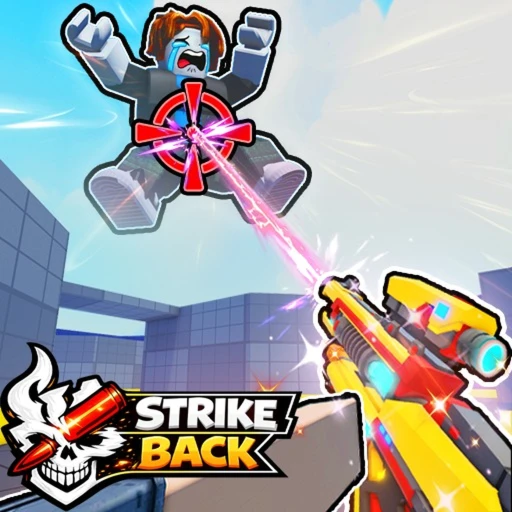
Roblox shooters keep getting better, and two games are pulling players in very different directions right now. Strike Back by Strike Squad (beeapex) is a third-person team deathmatch shooter that launched with Season 2 content, a 94.22% player approval rating, and mechanics built to make combat accessible on every device. RIVALS by Nosniy Games is the competitive first-person shooter that has become one of the most-played games on the entire platform, pulling roughly 110K concurrent players in May 2026 with its VALORANT and CS2-inspired design.
One game puts the camera behind your shoulder and gives you tools like Aim Assist and Revenge Vision to keep firefights fair across platforms. The other locks you into a first-person perspective where raw mechanical aim decides everything. Both are free, both have active communities, and both want to be the shooter you come back to every day. This comparison breaks down every category that matters so you can figure out which one deserves your time.
Strike Back vs RIVALS -- Quick Stats (2026)
| Category | Strike Back | RIVALS |
|---|---|---|
| Genre | TPS Team Deathmatch | Competitive FPS |
| Place ID | 124143542106350 | 17625359962 |
| Developer | Strike Squad (beeapex) | Nosniy Games |
| Perspective | Third-person shooter | First-person shooter |
| Concurrent Players | Growing (new release) | ~110K CCU (July 2026) |
| Player Rating | 94.22 / 100 | Highly rated |
| Core Modes | TDM, Free-for-All | Competitive ranked, casual modes |
| Ranked Mode | Not yet available | Dedicated competitive ladder |
| Aim Assist | Yes (built-in) | Limited / precision-focused |
| Mobile Controls | Cross-platform with Aim Assist | Touchscreen-first mobile design |
| Current Season | Season 2 | Regular seasonal updates |
| Free-to-Play | Yes | Yes |
Gameplay -- Third-Person Action vs First-Person Precision
Strike Back
Strike Back is a third-person shooter, which immediately sets it apart from most competitive shooters on Roblox. The over-the-shoulder camera gives you a wider field of awareness than first-person games allow. You can see around corners before committing to a push, track enemies in your peripheral vision during firefights, and maintain spatial awareness of the battlefield without constantly spinning your camera. For players coming from games like Fortnite or GTA, the TPS perspective feels immediately familiar.
The game runs two primary modes: Team Deathmatch and Free-for-All. TDM puts two squads against each other in straightforward elimination-based combat where teamwork and map control decide which side reaches the score limit first. FFA drops every player into a solo survival scenario where the only thing that matters is your kill count. Both modes keep matches short and action-dense, with minimal downtime between spawns and constant engagement opportunities across the map.
What makes Strike Back stand out mechanically is its accessibility layer. Aim Assist helps players on controllers and touchscreens compete with mouse-and-keyboard users by providing subtle crosshair magnetism near enemy targets. Revenge Vision briefly reveals the position of the player who just eliminated you, letting you plan a counter-attack when you respawn instead of wandering the map looking for the fight that killed you. These are not training wheels — they are design decisions that keep matches competitive across all input methods. For more tips on getting the most out of the game, see our Strike Back free Robux guide.
Recent balance updates have reduced boss health by 33% and nerfed robot damage values, indicating the developers are actively listening to community feedback and tuning the experience to keep it fair. Season 2 brought fresh content and continued momentum for a game that is still in its early growth phase.
RIVALS
RIVALS is a first-person competitive shooter that draws direct inspiration from VALORANT and Counter-Strike 2. The game locks you into a first-person camera where every kill is earned through your ability to place a crosshair on a target and click at the right moment. There is no third-person peeking, no camera advantage around corners, and no aim assistance smoothing out your shots. What you see through your sights is what you get.
The core experience revolves around competitive matchmaking. You queue into matches, get placed against players of similar skill, and fight through rounds where individual performance and team coordination both matter. The game modes are designed for competitive integrity — rounds have clear win conditions, economy management adds strategic depth between rounds, and the weapon buy system forces you to make meaningful decisions about how to spend your resources based on your team's current position in the match.
RIVALS was built with mobile in mind from the start, featuring touchscreen-first controls that translate the competitive FPS experience to phones and tablets without making it feel like an afterthought. The mobile interface was designed alongside the desktop version rather than being ported over later, which shows in the responsiveness and layout of the touch controls. With roughly 110K concurrent players in May 2026, finding a match at any skill level takes seconds. Our RIVALS free Robux guide has strategies for getting started and progressing efficiently.
Edge: Strike Back for accessibility and casual fun. The third-person perspective, Aim Assist, and Revenge Vision lower the barrier to entry without removing the skill gap. RIVALS for competitive depth. The first-person precision gameplay, skill-based matchmaking, and round-based structure create a tighter competitive experience for players who want to test their mechanical ability.
Progression -- Seasonal Content vs Ranked Climbing
Strike Back
Strike Back organizes its progression around seasonal content drops. Season 2 is the current cycle, bringing new weapons, balance changes, cosmetic rewards, and gameplay adjustments that keep the meta shifting. Seasonal progression gives players clear goals to work toward within a defined time window — complete challenges, unlock seasonal rewards, and show off items that prove you were active during that period. The seasonal model works well for a game that wants to keep its player base engaged through regular content refreshes rather than a single long-term grind.
Between seasons, the balance team actively adjusts the experience based on player data. The recent 33% boss health reduction and robot damage nerfs show a development team that watches how players interact with the game and makes targeted changes to improve the flow. This kind of active tuning matters more than raw content volume for keeping a shooter healthy long-term.
RIVALS
RIVALS centers its progression on the competitive ranked ladder. Your rank is the primary measure of progress, and it moves in both directions — win and perform well to climb, lose consistently and you drop. This two-way movement makes every match feel consequential in a way that XP-based progression systems do not replicate. You never reach a point where progress is guaranteed just by playing. You have to earn every rank up through consistent performance against increasingly skilled opponents.
Outside of ranked, RIVALS offers cosmetic progression through in-game currency and seasonal content. Weapon skins, character customization options, and limited-time items give players additional goals beyond the ranked grind. The seasonal updates keep the game fresh with new content, balance adjustments, and occasionally new maps or weapons that shift the competitive landscape.
Edge: RIVALS for competitive progression. The ranked ladder provides a meaningful, skill-based measure of improvement that goes beyond time invested. Strike Back for casual progression. Seasonal content drops with defined reward tracks give players clear, achievable goals without the pressure of a fluctuating skill rating.
Graphics and Audio
Strike Back
Strike Back leans into a polished, stylized visual approach that prioritizes readability and performance. Character models are distinct and easy to identify at a distance, weapon designs are clean with satisfying visual feedback on hits, and the environments provide enough detail to feel immersive without cluttering sightlines. The third-person camera means the game needs to render more of the environment at any given time than a first-person shooter, and Strike Back handles that well without significant frame drops on mid-range hardware.
Audio design supports the gameplay loop with clear directional gunfire sounds, distinct weapon audio profiles, and hit confirmation feedback that lets you know when shots connect. The audio is functional rather than cinematic — it gives you the information you need without overwhelming you with ambient noise that could mask important gameplay cues.
RIVALS
RIVALS prioritizes competitive visual clarity above everything else. Character models pop against backgrounds, weapon sights are clean and unobstructed, and the overall visual design ensures that you can always identify threats quickly. The game runs smoothly across a wide range of devices, including mobile phones where maintaining stable frame rates during intense firefights is critical for a competitive FPS. Visual effects are restrained by design — nothing in the game's presentation should ever be the reason you miss a shot or lose a gunfight.
Audio follows the same competitive philosophy. Footstep audio is spatially accurate and gives you reliable information about enemy positioning. Gunshot sounds are distinct per weapon type, letting experienced players identify what weapon an enemy is using before they see them. The audio design is a gameplay tool rather than an aesthetic choice.
Edge: Roughly even, with different priorities. Strike Back offers a more visually engaging third-person experience. RIVALS delivers the clean, performance-optimized presentation that competitive FPS players expect. Neither game is pushing for graphical showcases — both understand that stable performance matters more than visual spectacle in a shooter.
Player Count and Community
RIVALS holds a commanding lead in raw player numbers. With approximately 110K concurrent players in May 2026, it sits among the most-played games on the entire Roblox platform. That population size means instant matchmaking at every skill level, active community discussions, regular content creator coverage, and a competitive scene with enough participants to make ranked climbing meaningful. The community carries the energy of a game that is still growing and has not yet reached its ceiling.
Strike Back is a newer title building its audience, but its 94.22% approval rating suggests that the players who do find it are sticking around. A high approval rating with a smaller player base often indicates strong game quality that has not yet reached mass awareness — the people playing it genuinely like it. The community is in its early formation phase, which means active Discord servers, developers who are more accessible to player feedback, and a less established but more tightly-knit player base.
Edge: RIVALS for population and matchmaking. The massive concurrent player count ensures you always have opponents at your skill level. Strike Back for community quality and developer responsiveness. Smaller games often provide a more personal community experience where individual player feedback has a visible impact on development decisions.
Game Passes and Monetization
Strike Back
Strike Back monetizes through optional game passes and cosmetic items available for Robux. Game passes provide quality-of-life enhancements and cosmetic benefits rather than direct competitive advantages. The seasonal content model likely includes premium seasonal reward tracks alongside free tracks, following the standard battle pass structure that has become industry standard across shooters. Weapon skins and character customization options round out the cosmetic offerings.
The game's balance changes — including the boss health reduction and robot damage nerfs — demonstrate that the development team tunes gameplay based on player experience rather than monetization incentives. Spending money on Strike Back gets you convenience and cosmetic expression. It does not buy you better aim or stronger weapons.
RIVALS
RIVALS follows a cosmetic-first monetization model common across competitive FPS games. Weapon skins, character cosmetics, and seasonal items are available for purchase, while all gameplay-affecting content remains free. The competitive ranked mode requires no purchase to access — every player, regardless of spending, competes on identical terms. Seasonal cosmetic bundles and limited-time offerings create purchasing incentives without fracturing the competitive experience.
Neither game crosses the pay-to-win line. Both understand that a shooter loses competitive credibility the moment spending money provides a gameplay advantage. This is the right approach, and both development teams deserve credit for maintaining that boundary.
Social Features
Strike Back
Strike Back's cross-platform design means you can play with friends regardless of whether they are on PC, console, or mobile. The Team Deathmatch mode naturally encourages social play — queuing with friends and coordinating against the opposing team is where the game is at its most enjoyable. The Aim Assist system helps ensure that mixed-input friend groups do not have frustrating skill gaps caused by hardware differences rather than actual ability differences.
Free-for-All mode provides a different social dynamic where friendly competition within your group drives engagement. Comparing scores, calling out plays, and trash-talking after a close FFA match creates the kind of casual competitive social experience that keeps friend groups coming back.
RIVALS
RIVALS' social features are built around its competitive infrastructure. Playing ranked with a premade squad is the primary social experience, and the skill-based matchmaking system accounts for group play when determining match difficulty. The ranked ladder provides a shared goal for friend groups — climbing together, comparing rank progress, and coordinating strategies to beat increasingly difficult opponents.
The large player base means you are likely to encounter the same players repeatedly at higher ranks, creating a secondary social layer where rivalries and recognition develop organically. The community Discord and streaming ecosystem extend the social experience beyond the game itself, with competitive discussions, highlight clips, and strategy sharing keeping players connected between sessions.
Replay Value -- What Keeps You Coming Back?
Strike Back
Strike Back keeps players engaged through its seasonal content cadence and ongoing balance adjustments. Each new season resets parts of the progression, introduces new content to chase, and shifts the gameplay meta through weapon and enemy balance changes. The dual-mode structure — TDM for team-oriented play, FFA for solo practice — means you have options depending on your mood. The game is in its early lifecycle, which means the amount of content and the depth of the experience will grow significantly over the coming months and seasons.
The accessibility features also contribute to replay value in a less obvious way. Because Aim Assist and cross-platform support lower the barrier to entry, Strike Back is easier to recommend to friends who are not hardcore shooter players. Games that you can actually convince your friend group to play have inherently higher replay value than games you play alone.
RIVALS
RIVALS hooks players through the competitive feedback loop. The ranked ladder is an endless progression system where the goal post moves as you improve. You climb, face better opponents, adapt your play, and either continue climbing or refine your skills at your current rank. There is no point where you run out of challenge. Regular balance patches, occasional new maps, and meta shifts from weapon adjustments prevent the gameplay from becoming stale even after hundreds of hours.
The sheer player count also sustains replay value. With 110K concurrent players, every match features different opponents, different team compositions, and different situational challenges. You rarely play the same match twice, and the variance keeps individual sessions feeling fresh. For more Roblox games with strong long-term value, check out our Blox Fruits free Robux guide as another example of a game with deep replay value.
Earning Free Robux While Playing
Both Strike Back and RIVALS have natural breaks between matches — loading screens, respawn timers, queue waits, and post-match scoreboards — that work well for completing earning tasks between rounds. You can earn Robux through straightforward tasks and withdraw it to spend on weapon skins, game passes, seasonal content, or anything else in the Roblox catalog.
Earn Free Robux for Strike Back or RIVALS
Complete simple tasks on Earnaldo and withdraw real Robux -- no generators, no downloads, no scams. Use your earnings on game passes, weapon skins, seasonal rewards, or anything else on Roblox.
Head-to-Head Verdict -- Strike Back vs RIVALS in 2026
The Verdict
Choose Strike Back if you want an accessible, action-packed third-person shooter that prioritizes fun over sweaty competition. The TPS camera perspective gives you better battlefield awareness, Aim Assist keeps fights fair across all devices, Revenge Vision prevents frustrating deaths from feeling hopeless, and the TDM and FFA modes deliver consistent, satisfying combat without the pressure of a ranked ladder. Strike Back is the game you pick up when you want to shoot things and have a good time with friends, regardless of skill level. Its 94.22% approval rating is not an accident — the game delivers exactly what it promises.
Choose RIVALS if you want a competitive FPS that tests and measures your skill. The first-person precision gameplay, the skill-based matchmaking, and the ranked ladder create an environment where improvement is visible and meaningful. With 110K concurrent players, you will always find matches, and the VALORANT-inspired design means the competitive depth is real rather than superficial. RIVALS is the game you choose when winning matters to you and you want a structured system that proves you are getting better.
Overall: These games serve fundamentally different purposes despite both being shooters on Roblox. Strike Back is the casual-competitive sweet spot — accessible enough for anyone to enjoy, deep enough to reward improvement, and social enough to play with mixed-skill friend groups. RIVALS is the hardcore competitive option — demanding, skill-driven, and built for players who want to grind ranked and prove themselves. The best choice depends entirely on what you want from a Roblox shooter. If you want relaxed third-person action with friends, go with Strike Back. If you want to climb a competitive ladder and sharpen your FPS mechanics, go with RIVALS. There is room for both in your rotation.
Who Should Play What?
- You prefer third-person shooters like Fortnite or GTA: Strike Back. The over-the-shoulder camera and accessible controls will feel immediately natural.
- You want structured competitive ranked play: RIVALS. The skill-based matchmaking and visible rank ladder are the core of the experience.
- You play mostly on mobile: Both work well on mobile. Strike Back has Aim Assist to bridge the input gap. RIVALS has touchscreen-first controls designed from the ground up for mobile play.
- You want a game to play with friends of different skill levels: Strike Back. The TDM format and accessibility features make it enjoyable for mixed-skill groups without anyone feeling left behind.
- You want a game inspired by VALORANT or CS2: RIVALS. The competitive FPS design borrows directly from those games and translates the formula to Roblox effectively.
- You enjoy seasonal content and regular updates: Strike Back. Season 2 is active with balance patches and new content keeping the game fresh on a regular cadence.
- You want to improve your raw FPS aim and mechanics: RIVALS. The first-person precision gameplay and competitive pressure will push your skills harder than any third-person shooter.
- You want to earn Robux while playing: Both work with Earnaldo. Use downtime between matches and during loading screens to complete earning tasks.
Frequently Asked Questions
RIVALS is significantly more popular by raw player count, consistently pulling around 110K concurrent players as of July 2026. Strike Back is a newer title still building its audience, but it has earned a strong 94.22% approval rating from its growing player base. RIVALS has the larger community and faster matchmaking, while Strike Back is gaining traction among players who prefer third-person shooter mechanics.
Both games support cross-platform play including mobile. Strike Back includes built-in Aim Assist designed to help touchscreen players compete with mouse-and-keyboard users. RIVALS was built with a touchscreen-first mobile control scheme inspired by popular mobile FPS games. Both are strong options for mobile, but they approach the problem differently — Strike Back assists your aim, while RIVALS redesigns the controls themselves.
Strike Back does not currently have a dedicated ranked competitive ladder. It focuses on Team Deathmatch and Free-for-All modes with seasonal content updates. RIVALS has a full competitive ranked mode with skill-based matchmaking and visible rank tiers. If structured ranked play is your priority, RIVALS is the clear choice. If you prefer casual team-based matches with seasonal progression, Strike Back delivers that well.
Revenge Vision is a mechanic unique to Strike Back that briefly reveals the location of the player who eliminated you. After you are taken out, you get a short window showing where your killer is positioned on the map. This helps you plan counter-attacks after respawning and reduces the frustration of dying to enemies you never saw. It is a casual-friendly feature that keeps matches feeling fair without removing the skill gap.
Yes. Both games are completely free to play on Roblox. Strike Back offers optional game passes and cosmetic purchases through Robux, while RIVALS monetizes through cosmetic skins and items that do not affect gameplay balance. Neither game is pay-to-win — you can compete at the highest level without spending any money.
Strike Back is generally more beginner-friendly thanks to its third-person camera, built-in Aim Assist, Revenge Vision mechanic, and straightforward TDM format. New players can contribute to their team from the first match. RIVALS has a steeper learning curve due to its first-person competitive design, though the matchmaking system does place newer players against others of similar skill. For a gentler entry into Roblox shooters, Strike Back is the better starting point.