Tower Defense Simulator vs All Star Tower Defense (2026) — Which Roblox Game Is Better?
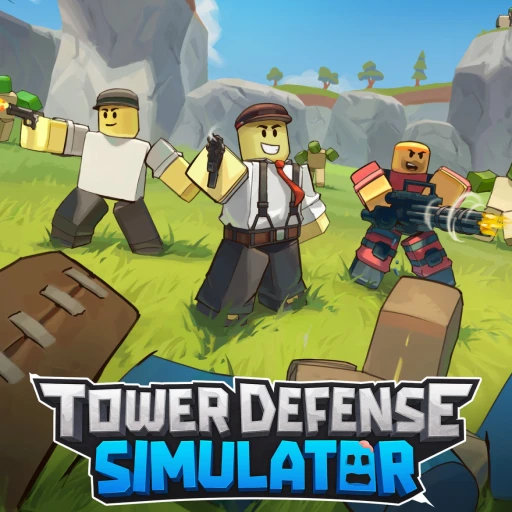
Roblox tower defense has never been more competitive, and two games sit at the heart of the genre for very different reasons. Tower Defense Simulator (TDS) by Paradoxum Games is the veteran title that helped establish co-op tower defense on the platform, now sitting at over 4.6 billion visits and still receiving fresh tower updates in 2026. All Star Tower Defense (ASTD) by Top Down Games is the anime-powered juggernaut that blends gacha summoning with tower defense mechanics and has amassed over 7.6 billion lifetime visits since its 2020 launch. Combined, these two games account for over 12 billion Roblox visits and continue pulling dedicated player bases every single day.
Picking between them depends entirely on what you want from a tower defense experience. TDS rewards precise placement, economy management, and team coordination. ASTD hooks players with anime-inspired units, rotating summon banners, and a built-in trading economy. Both games are free to play. Both support co-op multiplayer. And both have dedicated communities that have been grinding for years. This breakdown covers gameplay, progression, visuals, monetization, and community so you can decide which game deserves your time in 2026.
Table of Contents
Tower Defense Simulator vs All Star Tower Defense — Quick Stats (2026)
| Category | Tower Defense Simulator | All Star Tower Defense |
|---|---|---|
| Genre | Classic Co-op Tower Defense | Anime Gacha Tower Defense |
| Place ID | 3260590327 | 4996049426 |
| Developer | Paradoxum Games | Top Down Games |
| Launch Year | 2019 | 2020 |
| Concurrent Players (July 2026) | 8,000 - 20,000 | 5,000 - 15,000 |
| Total Visits | 4.6B+ | 7.6B+ |
| Approval Rating | ~88% | ~92% |
| Core Loop | Place towers, manage economy, survive waves | Summon anime units, build teams, clear stages |
| Key Features | 50+ towers, Hardcore mode, co-op, seasonal events | Anime banners, 200+ units, trading, Star Pass |
| Trading System | No | Yes (unit trading) |
| Mobile-Friendly | Yes (some limitations) | Yes |
| Free-to-Play | Yes | Yes |
Gameplay — What Do You Actually Do?
Tower Defense Simulator
Tower Defense Simulator follows the traditional tower defense formula that PC and console strategy fans will recognize immediately. Enemies spawn at a fixed entry point and march along a predetermined path toward your base. You place towers along the route to damage, slow, and eliminate waves of enemies before they reach the end. Each map has its own layout, chokepoints, and elevation advantages that reward players who study the terrain and plan their builds accordingly.
TDS currently offers over 50 towers, each with distinct roles that slot into different strategic niches. The Scout is your cheap early-game damage dealer that keeps you alive through the opening waves. The Minigunner provides sustained DPS against bosses with its rapid-fire attack and remains one of the most reliable mid-game investments. The Commander buffs nearby towers with attack speed increases, turning a cluster of mediocre towers into a powerhouse. The Accelerator melts late-game waves with devastating fire rate when fully upgraded. You bring a loadout of 5 towers into each match, which forces meaningful decisions before the game even starts. Do you bring Farms for passive income at the cost of a combat slot? Do you stack DPS or prioritize support?
The real depth comes from tower synergies and placement optimization. Stacking a Commander next to a cluster of Minigunners creates overlapping buff zones that multiply your effective damage output. On maps like Badlands II, understanding which tiles give line-of-sight to the longest path segments separates clean wins from wipes at wave 35. Farm towers add another strategic layer by generating passive income at the cost of map space and early-game defensive capability. The economy management aspect is where TDS separates itself from nearly every other Roblox tower defense game. Knowing when to save, when to upgrade, and when to sell a tower for repositioning is what makes experienced players consistently outperform newcomers on the same maps.
All Star Tower Defense
All Star Tower Defense takes the tower defense skeleton and wraps it in an anime gacha system that has proven to be one of the most engaging loops on Roblox. Instead of unlocking towers through gameplay progression, you summon units from banners using in-game gems and stardust. Each unit is an anime-inspired character, drawing from franchises like Dragon Ball, Naruto, One Piece, Jujutsu Kaisen, and Demon Slayer. Units come with rarity tiers ranging from Common all the way up to 7-star, and the strongest characters have pull rates that keep players summoning banner after banner in pursuit of their favorites.
Matches play out across a variety of stages, each with enemy waves that scale in difficulty. You place your summoned units on the map, and they attack automatically based on their range and targeting priority. Unlike TDS, where individual tower placement matters on a tile-by-tile level, ASTD leans more toward team composition and unit synergy. Having the right mix of single-target DPS, AOE damage, and support characters determines whether you clear a stage, not necessarily the precise pixel where you place each unit. That said, experienced ASTD players still find meaningful placement decisions, particularly around maximizing buff ranges and creating kill zones at path intersections.
The gacha system is the beating heart of ASTD. Banners rotate regularly, featuring exclusive high-rarity units that define the current meta. The thrill of pulling a 6-star or 7-star unit is genuine and keeps the grind feeling rewarding even during dry spells. Trading allows you to swap duplicate units with other players, creating an active economy around rare characters that fluctuates based on the meta and upcoming banner announcements. If you have played gacha-style games on mobile or other Roblox anime titles, this loop will feel familiar, though ASTD has refined the formula over five years of continuous development with tighter unit balancing, better animations, and a massive roster that dwarfs most competitors.
Edge: Tower Defense Simulator wins on raw strategic depth and moment-to-moment decision-making. All Star Tower Defense wins on accessibility, collection satisfaction, and the addictive pull of its gacha summoning system.
Progression — How Quickly Does It Hook You?
TDS has a slower early-game grind that rewards patience and persistence. New players start with a handful of basic towers and earn coins by completing maps on various difficulties. Unlocking mid-tier towers like the Ranger or Turret takes several hours of active play, and reaching the endgame with fully upgraded towers like the Accelerator or event-exclusive towers requires weeks of consistent grinding. The payoff is that every tower you unlock feels earned through skill and dedication rather than luck. Your loadout becomes a genuine reflection of your personal strategy and time investment rather than a roll of the dice.
All Star Tower Defense hooks faster by design. Within your first 30 minutes, you will complete the tutorial stages, earn enough gems for your first multi-summon, and have a small roster of units to experiment with. The rush of pulling a rare anime character early keeps new players engaged through the initial hours effortlessly. The game also provides daily quests, login rewards, and a steady drip of free gems that ensure you are always making progress toward your next summon. But the mid-game can feel grindy if RNG works against you. Getting stuck without the right units for harder stages means either grinding gems for more summons, trading with other players, or waiting for a more favorable banner rotation.
Both games use daily login rewards and event-based progression to keep players returning consistently. TDS uses seasonal events like the annual Halloween event and summer updates to release limited towers that may not return, creating genuine urgency to play during those windows. ASTD runs limited banners on a tighter rotation, typically every two to three weeks, so there is always a new character to chase. ASTD also introduced the Star Pass system, a seasonal battle pass that offers both free and premium reward tracks, giving players clear progression milestones over multi-week periods.
All Star Tower Defense gets you invested faster with its gacha dopamine loop, but Tower Defense Simulator builds a longer-lasting satisfaction curve once you commit to mastering its systems. The TDS player who grinds out Hardcore Badlands and finally beats it with a meticulously planned loadout experiences a level of accomplishment that a lucky pull cannot replicate.
Graphics and Audio
Neither game pushes Roblox's engine to its absolute limits, but they take notably different art directions that appeal to different tastes. TDS uses a clean, semi-realistic Roblox style with military-themed visual design. Towers have detailed models with visible upgrades at each tier, and enemy designs range from standard zombies to elaborate boss models like the Fallen King and Void Reaver that loom over the battlefield. The maps are well-crafted environments with crumbling walls, lava flows, and dynamic lighting that make each arena feel distinct.
All Star Tower Defense goes full anime aesthetic, and it commits to that identity hard. Units have stylized character models with flashy attack animations, particle effects, and ultimate abilities that fill the screen with color. Recognizable anime references are everywhere, from the character designs to the ability effects. The visual spectacle during late-game waves, when multiple high-rarity units fire off abilities simultaneously, is genuinely impressive for a Roblox title. Enemy designs lean into anime tropes with giant mechs, demon lords, and boss variants that force you to pay attention to attack patterns.
On the audio side, TDS keeps things functional and effective. Tower sound effects are satisfying, boss waves get distinct audio cues that build tension, and the environmental audio changes appropriately between maps. ASTD has more dramatic music tracks that shift based on stage difficulty, along with character-specific sound effects for certain premium units that add personality to each pull. ASTD puts more effort into audio presentation overall, which makes sense given its anime aesthetic leans heavily on the feel and spectacle of each character.
Edge: All Star Tower Defense. The anime art style, flashy ability effects, and recognizable character designs make it more visually engaging, especially for players who enjoy anime culture. TDS has clean, functional visuals that serve its strategic gameplay well, but ASTD simply offers more visual spectacle per minute of play.
Player Count and Community (July 2026)
As of May 2026, Tower Defense Simulator has surpassed 4.6 billion total visits on Roblox. It typically maintains between 8,000 and 20,000 concurrent players during peak hours, with significant spikes during seasonal events and major updates that can push the count higher. The game's community is one of the most established in Roblox tower defense, with active Discord servers, YouTube strategy channels, and a comprehensive wiki maintained by dedicated players since 2019. The longevity of TDS means its community has accumulated years of guides, tier lists, and strategy content that new players can tap into immediately.
All Star Tower Defense has crossed 7.6 billion lifetime visits, making it one of the most-visited tower defense games in Roblox history. Its concurrent player count typically sits between 5,000 and 15,000 for the original game, though the combined player base across ASTD and the newer All Star Tower Defense X (ASTD X) is notably larger. The game benefits from the broader anime gaming community on Roblox, which actively migrates between titles based on which game has the freshest content. ASTD's trading economy also creates persistent community engagement even between updates, as players negotiate unit values in Discord servers and in-game lobbies.
It is worth noting that Top Down Games launched ASTD X as a successor title, which has drawn some of the player base from the original ASTD. The developers have confirmed that the original ASTD will continue receiving small updates, bug fixes, and potentially new units, so it remains a living game rather than a legacy product. Many veterans play both versions, and the community discussion around ASTD often encompasses both titles.
Community toxicity is relatively low in both games compared to PvP titles on Roblox. TDS has occasional friction around players who join co-op matches without viable loadouts or who refuse to coordinate their tower placement. ASTD has the typical gacha community tensions around pull rates, trade scam attempts, and disagreements over unit tier rankings. Both developer teams are responsive to feedback and maintain active communication channels.
Edge: All Star Tower Defense has the larger cumulative player base and higher total visits. Tower Defense Simulator has the deeper, more established community with years of accumulated strategic content and a more cohesive player identity. Both games maintain healthy, active populations in May 2026.
Game Passes and Monetization
Tower Defense Simulator's monetization centers around game passes and tower skins with a clear, one-time purchase model. The Deluxe Crate costs 399 Robux and gives you a random tower skin. The Premium Loadout Slot at 199 Robux expands your loadout from 5 to 6 towers, which provides a genuine strategic advantage in harder content. The 2x Coins game pass runs 399 Robux and doubles your coin earnings permanently, cutting the tower unlock grind roughly in half. None of these are required to beat any content in the game, but the 2x Coins pass saves dozens of hours of grinding. The critical advantage of TDS's model is predictability. You know exactly what you are buying and what you are getting for every Robux spent.
All Star Tower Defense monetizes primarily through gem purchases for gacha summons and its Star Pass seasonal system. Gems are the primary summoning currency, and while you earn them through gameplay, you can also purchase gem packs with Robux to speed up your pulls. The Star Pass premium track costs 400 Robux per season, while the Star Pass Ultra runs 799 Robux and unlocks additional exclusive rewards and perks. The VIP game pass at 300 Robux provides permanent benefits including an exclusive mount and various quality-of-life perks. ASTD also offers private servers and other convenience passes that round out its monetization.
Both games are generous enough that free-to-play players can access all core content without spending a single Robux. The critical difference is spending ceiling and predictability. TDS has a fixed investment where buying the 2x Coins pass and Premium Loadout Slot covers you permanently for under 600 Robux total, and you never need to spend again. ASTD's gacha model means players chasing specific high-rarity units can burn through significant amounts of Robux on gem packs, and the outcome is never guaranteed on any individual pull. The Star Pass adds a recurring seasonal cost on top of that if you want the premium rewards every rotation.
Edge: Tower Defense Simulator. Its one-time game passes are more transparent and player-friendly than ASTD's recurring gacha spending model. You know exactly what you are getting with each Robux spent in TDS, and total investment is capped at a reasonable amount.
Social Features
Co-op multiplayer is central to both games, but the implementation and emphasis differ meaningfully. TDS supports up to 4 players per match, and coordination is critical for harder content. Each player brings their own loadout, and combining complementary towers is how you tackle Hardcore and Nightmare difficulty. One player runs economy with Farms, another handles early waves with cheap towers, a third saves resources for the Commander buff, and the fourth brings late-game DPS to handle the final boss waves. This structured team play makes TDS one of the best co-op experiences in all of Roblox when you are playing with a coordinated squad.
All Star Tower Defense supports multiplayer across its stages and events, allowing players to combine their unit rosters to tackle challenging content together. The coordination requirements are lower since unit placement is less precise and each player's units operate independently. But the standout social feature in ASTD is its trading system. Being able to trade units with other players creates a persistent social economy that TDS lacks entirely. Players negotiate trades in Discord servers and in-game lobbies, and the value of specific units fluctuates based on the current meta, upcoming banner announcements, and community demand. This trading layer extends the social experience well beyond individual matches and gives ASTD a metagame that exists even when you are not actively playing stages.
Both games have strong community hubs on Discord, active subreddits, and dedicated YouTube and TikTok content creators. TDS content tends to focus on strategy guides, loadout optimization, and event walkthroughs. ASTD content leans toward summon reaction videos, trade showcases, unit tier lists, and banner prediction discussions. The type of community content reflects the core identity of each game.
Edge: All Star Tower Defense, thanks to its trading system creating a persistent social economy that extends well beyond individual matches. TDS has stronger co-op gameplay integration, but ASTD's trading layer adds a dimension of social interaction that TDS cannot match.
Replay Value
TDS has been running since 2019, and its replay value comes from the sheer volume of content accumulated over seven years of development. There are over 20 maps across multiple difficulty tiers, seasonal events that rotate annually with exclusive tower rewards, and a Hardcore mode that pushes even veteran players to the absolute limit of their strategic ability. The loadout system ensures variety between runs since swapping even one tower in your five-slot lineup can change your entire approach to a map. Chasing completion on every map at every difficulty gives completionists months of goals to work toward, and the community regularly discovers new tower combinations and placement strategies that keep the meta evolving.
All Star Tower Defense generates replay value through its gacha cycle and content rotation. New banners every few weeks introduce units that shift optimal team compositions, so your strongest roster today might need adjustments after the next update drops. Trading keeps players engaged between content drops as unit values rise and fall with the meta. Event stages with leaderboard rankings add competitive pressure during limited windows, and the Star Pass system provides a structured set of goals to grind toward over each season. The sheer size of the unit roster, with over 200 characters available, means there is always another unit to level, evolve, or experiment with in different stage contexts.
The key difference is the type of replay value each game offers. TDS is about mastering a deep, stable system where the satisfaction comes from getting measurably better at a consistent challenge over months and years. ASTD is about constant novelty, with meta shifts, new units, banner excitement, and the recurring thrill of summons providing regular engagement spikes. Neither approach is objectively superior, but they appeal to fundamentally different player motivations. Strategic mastery versus collection and discovery.
Mobile Experience
Both games are fully playable on mobile devices, but the experience differs enough to matter for players who primarily game on their phones or tablets. Tower Defense Simulator's precise tower placement mechanics can be frustrating on a touchscreen, especially during fast-paced later waves where you need to quickly place and upgrade towers in specific positions. The smaller tower hitboxes and the need to drag across the map to find optimal spots make a mouse or controller feel significantly more comfortable. Mobile TDS players can absolutely clear all content, but the skill ceiling on touch controls is noticeably lower than on desktop.
All Star Tower Defense translates better to mobile by design. Its unit placement system is more forgiving since exact positioning matters less than team composition, and the tap-to-place interface works naturally on a touchscreen. The menu navigation, summoning interface, and trading UI are all functional on mobile without feeling cramped. ASTD was clearly designed with a mobile-first Roblox audience in mind, and it shows in the smoothness of the mobile experience.
Edge: All Star Tower Defense. Its gameplay translates better to touchscreen controls, and the overall mobile UI is cleaner and more responsive than TDS on smaller screens.
Earning Free Robux While You Play
Both games offer optional game passes and in-game purchases that add up over time, especially if you are chasing ASTD banners or TDS tower skins. If you are looking to offset those costs, Earnaldo lets you earn free Robux by completing simple tasks and withdraw them directly to your Roblox account. Tower defense games have natural downtime between waves, making it straightforward to complete tasks on a second device while waiting for the next wave to start.
Earn Free Robux for Tower Defense Simulator or All Star Tower Defense
Want more Robux for game passes, gem packs, and summon banners? Earnaldo lets you earn free Robux by completing simple tasks -- no generators, no scams, just real rewards.
Head-to-Head Verdict — Tower Defense Simulator vs All Star Tower Defense in 2026
The Verdict
Choose Tower Defense Simulator if you want a pure tower defense experience with deep strategy, precise placement mechanics, and a fair free-to-play model that rewards skill over spending. TDS is the better game for players who enjoy mastering complex systems, coordinating with teammates in co-op, and earning every advantage through gameplay rather than gacha pulls. Its seven years of content updates have created one of the deepest strategy games on Roblox.
Choose All Star Tower Defense if you enjoy anime aesthetics, gacha collection, frequent content updates, and a built-in trading economy. ASTD is more accessible for new players, hooks faster with its summon-and-collect loop, and offers a stronger social metagame through unit trading. If you are a fan of anime franchises like Dragon Ball, Naruto, or One Piece, seeing those characters come to life on the battlefield adds a layer of engagement that TDS cannot replicate.
Overall: These games serve different appetites within the same genre. TDS is the strategic purist's pick with unmatched tactical depth and the most player-friendly monetization in Roblox tower defense. ASTD is the collector's pick with stronger visual flair, a massive unit roster, and a social economy built around trading that keeps players engaged between stages. Many Roblox players actively play both and switch depending on mood and which game has a live event running. There is no wrong choice here, only different priorities.
Who Should Play What?
- You love strategic tower placement: Tower Defense Simulator, because precise positioning and loadout planning are the core of every match.
- You want to collect anime characters: All Star Tower Defense, because its gacha summoning system and 200+ anime-inspired units give you an enormous roster to build and trade.
- You are a solo player: All Star Tower Defense, because its unit system and stage design make solo play viable through most content without coordinating with strangers.
- You prefer co-op teamwork: Tower Defense Simulator, because coordinating loadouts and tower placement with a squad is where TDS truly shines and what separates it from the competition.
- You play mainly on mobile: All Star Tower Defense, because its UI and tap-to-place system translate better to touchscreen controls than TDS's precise placement mechanics.
- You enjoy trading and economy: All Star Tower Defense, because its unit trading system creates a player-driven economy that adds a metagame layer beyond tower defense itself.
- You want predictable spending: Tower Defense Simulator, because its one-time game passes give you exactly what you pay for with no gacha RNG involved.
- You create content: All Star Tower Defense, because banner summon reveals, trade showcases, and new unit reactions generate high viewer engagement on YouTube and TikTok.
- You want to earn Robux for either game: Both work with Earnaldo to earn free Robux for passes and in-game purchases.
Related Guides
Tower Defense Simulator vs Anime Defenders
TDS compared against another top anime TD title on Roblox.
GuideAnime Vanguards Free Robux Guide
How to earn free Robux while playing Anime Vanguards on Roblox.
Frequently Asked Questions
All Star Tower Defense has significantly more total visits at over 7.6 billion compared to Tower Defense Simulator at around 4.6 billion. However, TDS often maintains stronger concurrent player counts during major updates and seasonal events. Both games remain firmly in the top tier of Roblox tower defense titles in May 2026, and neither shows signs of declining.
All Star Tower Defense is generally more beginner-friendly thanks to its anime-themed units and straightforward summoning system that gives new players usable characters within minutes. Tower Defense Simulator requires more map knowledge and precise tower placement from the start, making it harder initially but more rewarding once you learn the mechanics and strategies.
Yes, both games are completely free to play on Roblox. Each game offers optional game passes and in-game purchases for convenience, cosmetics, and progression boosts, but all core content is accessible without spending Robux. TDS is notably more F2P-friendly since all towers are earnable through gameplay with no gacha mechanics involved.
Yes, All Star Tower Defense features a unit trading system that allows players to exchange characters with other players. This creates a player-driven economy where unit values fluctuate based on the meta, banner availability, and community demand. Tower Defense Simulator does not have a built-in trading system for towers or skins.
Both games receive regular updates in 2026. All Star Tower Defense rotates banners and introduces new units every few weeks, with the Star Pass system providing seasonal content cycles. Tower Defense Simulator updates are less frequent but tend to be larger in scope, introducing new maps, towers, and seasonal events in more substantial patches. The original ASTD also continues receiving small updates alongside the newer ASTD X.
Both games are playable on mobile, but All Star Tower Defense has the edge for mobile players. Its tap-to-place unit system and cleaner mobile UI translate better to touchscreens. Tower Defense Simulator's precise placement mechanics and smaller tower hitboxes can be challenging on a phone, especially during fast-paced later waves where quick, accurate placement matters.
The main difference is their core identity and progression system. Tower Defense Simulator is a traditional tower defense game focused on strategic tower placement, economy management, and co-op teamwork. All Star Tower Defense is an anime gacha tower defense game where you summon anime-inspired characters from banners and build teams around the units you collect. TDS rewards tactical mastery, while ASTD rewards collection, team building, and trading.
Yes, both games support co-op multiplayer. Tower Defense Simulator allows up to 4 players per match, and coordinating tower placement with teammates is a core part of the experience. All Star Tower Defense also supports multiplayer across stages and events, making both games strong choices for group play with friends.