Untitled Gym Game vs Gym League (2026) -- Which Is Better?
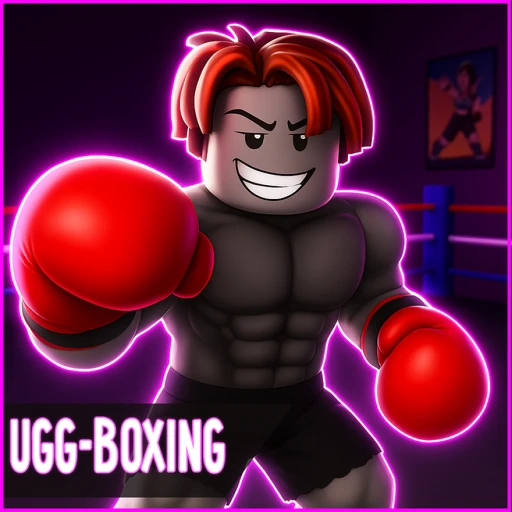
Roblox's bodybuilding simulator genre has quietly grown into one of the more dedicated corners of the platform. Two games are leading that charge right now: Untitled Gym Game, a focused strength-training simulator with a well-structured energy system, and Gym League, a competition-driven bodybuilding experience with realistic muscle physics and a rivalry-based social loop.
They sound similar on paper. Both put you in a gym, both ask you to get bigger, and both are free to play on mobile. But the way each game approaches the gym fantasy is different enough that picking the wrong one for your playstyle can genuinely kill your motivation to keep playing. Untitled Gym Game has pulled in over 32 million visits and keeps 1,000 to 3,000 players online at any time. Gym League has crossed 200 million visits with 5,000 to 10,000 concurrent players -- a gap that tells you something real about where the genre's momentum currently sits.
This comparison walks through every meaningful category -- core loop, progression, visuals, competition, community, monetization, replay value, and mobile experience -- so you can make an informed call about where to spend your time in 2026.
Untitled Gym Game vs Gym League -- Quick Stats (2026)
| Category | Untitled Gym Game | Gym League |
|---|---|---|
| Genre | Gym / Bodybuilding Simulator | Bodybuilding Simulator / Competition |
| Place ID | 14708751132 | 17450551531 |
| Total Visits | 32M+ | 200M+ |
| Concurrent Players | ~1,000–3,000 | ~5,000–10,000 |
| Core Loop | Train machines, manage energy, gain strength | Train, build muscle, compete in contests |
| Muscle Physics | Standard simulator growth | Realistic physics-based muscle simulation |
| Competitions | No structured contest system | Yes -- bodybuilding stage competitions |
| Energy System | Yes -- supplements and energy drinks | Training-based, no energy gating |
| Character Customization | Standard | Extensive physique customization |
| Mobile-Friendly | Yes | Yes |
| Free-to-Play | Yes | Yes |
Gameplay -- What Do You Actually Do Each Session?
Untitled Gym Game
Untitled Gym Game puts you in a gym and gives you a roster of machines to work through. Each machine targets a specific muscle zone -- chest press for your pecs, lat pulldown for your back, leg press for your quads, and so on. Working each machine fills the corresponding muscle's progress bar, and once you clear enough milestones, your character visually grows and your strength stats increase.
The energy management system is what separates Untitled Gym Game from purely idle simulators. You have a finite energy bar that depletes as you train. Letting it run dry stops your gains dead, so you need to manage it with supplements and energy drinks scattered around the gym. Choosing when to use a pre-workout boost, how to prioritize machines before your energy dips, and which muscle groups to target in a given session creates a low-stakes but genuinely engaging decision layer on top of the clicking.
There's a satisfying rhythm to a well-managed session. You come in with a plan -- focus on arms and back today, save your rare supplement for the final push on bench press -- and the energy system gives that plan real consequences. Run out of energy halfway through and you either pay for a refill or call it a session. That friction is deliberate, and it's what makes Untitled Gym Game feel more structured than most simulator titles.
Gym League
Gym League operates on a grander scale. The training side covers similar ground -- weighted exercises, progressive overload, targeting specific muscle groups -- but the muscle development system underneath it is doing something more ambitious. The game simulates how your muscles actually look as they grow, using a physics-based deformation system that makes your character's physique shift and respond to your training history in a way that reads as genuinely realistic for a Roblox game.
That visual feedback changes how you approach training. You're not just watching a number go up -- you're watching your character's body transform in a way that reflects your specific training choices. Neglect your legs and the imbalance shows. Focus on chest and shoulders and the proportions shift accordingly. The physique you build feels earned in a way that generic simulator growth rarely achieves.
The competition system is where Gym League pulls away from anything else in the genre. You can enter bodybuilding contests on a literal stage, where your character poses alongside other players and the audience judges you on your muscle development, proportions, and presentation. Winning a competition delivers a reward spike that no amount of solo grinding can replicate. It's also the moment when Gym League becomes a social game rather than a solo grind -- you're performing for other players, and they're doing the same.
Edge: Gym League for depth and competitive ceiling. Untitled Gym Game for focused, structured sessions with tangible energy management decisions. Gym League's muscle physics and competition format make it the richer overall experience, but Untitled Gym Game's energy system gives individual training sessions more intentional structure.
Progression -- What Keeps You Coming Back?
Untitled Gym Game
Untitled Gym Game's progression is straightforward and well-paced. You train, your muscle stats increase, and your character grows stronger and larger. Each strength milestone unlocks access to new machines or heavier weights, and the progression curve is calibrated so the early game moves quickly -- giving new players the dopamine of visible progress within the first session.
The supplement economy adds a resource management layer to progression. Rare supplements provide significant boosts, which creates a decision: do you save your best consumables for a focused power session, or burn them steadily to maintain a consistent growth rate? That choice is small but meaningful, and it gives players with strategy preferences something to optimize beyond simply logging in and grinding.
Where Untitled Gym Game's progression shows its limits is at the top end. Once you've climbed the main strength milestones, the loop can start to feel repetitive without fresh goals to chase. The game lacks a competition system that would give max-level players a reason to keep pushing.
Gym League
Gym League structures progression around two parallel tracks. The first is your physique -- the ongoing development of your character's body through training, which has no hard ceiling since the muscle simulation continues to respond to your habits. The second is competitive standing -- your history of contest results, your ranking among other players, and the trophies and rewards that come with strong showings on stage.
That dual-track system is what sustains Gym League's long-term retention. Players who hit a training plateau don't stall out -- they redirect energy into competition prep, refining their pose, fine-tuning proportions, and studying what wins on stage. Competition wins feed back into training motivation because seeing your physique placed alongside others makes weaknesses obvious and correctable.
The community element amplifies this loop. Gym League has a visible social hierarchy built on competitive results. Players who have won major contests carry status that's immediately readable in a server. That social recognition layer keeps high-level players invested long after the raw training numbers stop feeling exciting.
Edge: Gym League. The dual-track progression combining physique development with competitive standing gives players goals at every level of play. Untitled Gym Game's structured early and mid-game progression is solid, but the absence of a competitive endgame leaves the loop feeling thin once you've cleared the main milestones.
Visuals and Presentation
Untitled Gym Game
Untitled Gym Game's visual presentation is clean and functional. The gym environments are well-lit and easy to navigate, machines are clearly labeled, and the UI communicates your energy level and muscle progress without cluttering the screen. The character growth animations are satisfying without being over-the-top -- your model visibly changes at milestone intervals, giving you clear feedback that the training is working.
The supplement and energy drink items have good visual design, and the gym atmosphere -- motivational posters, weight racks, the ambient sounds of iron clanking -- sells the setting well enough. It's not pushing any technical boundaries for Roblox, but it doesn't need to. The presentation serves the gameplay loop without friction.
Gym League
Gym League's visual ambition is noticeably higher. The muscle physics system alone is a technical achievement within Roblox -- watching your character's physique deform and develop in response to training is something you don't see executed this cleanly elsewhere on the platform. The bodybuilding competition stages are polished showpieces with proper lighting, crowd presence, and pose animations that make the performance feel genuinely staged.
Character customization options let you fine-tune your physique's look beyond what training alone produces -- proportions, skin tone, outfit choices -- so the character you bring to a competition stage feels deliberate rather than default. The gym environments themselves have more visual variety and production value than Untitled Gym Game's spaces, with different training areas serving different muscle groups in distinct-feeling zones.
Edge: Gym League. The realistic muscle physics and competition stage presentation put Gym League in a different visual tier than Untitled Gym Game. If seeing your bodybuilding progress reflected in genuinely convincing visual character development matters to you, Gym League is the clear choice.
Player Count and Community (July 2026)
The numbers tell a clear story. Gym League has crossed 200 million total visits and consistently keeps 5,000 to 10,000 players online at once. Untitled Gym Game sits at 32 million visits with 1,000 to 3,000 concurrent players. Gym League is roughly six times larger by total visit count and three to five times more populated at any given moment.
That gap in population density matters more in bodybuilding simulators than it does in other genres. Gym League's social loop -- competing against real players on stage, building a visible ranking, being recognized for contest wins -- only works when there are enough active players to make the social hierarchy feel real. A competition with five people on stage hits differently than one with fifty, and Gym League's player base is large enough that you're rarely waiting for a contest to fill.
Untitled Gym Game's community is smaller but dedicated. Its Discord server hosts players who genuinely enjoy the energy management and machine-targeting loop, and the community around optimal supplement usage and training rotations is more active than the game's total visit count might suggest.
Gym League's community has a larger content creation footprint. YouTube channels dedicated to Gym League cover competition strategies, physique builds, and training optimization in the kind of depth that develops around games with high competitive ceilings. That content ecosystem keeps new players discovering the game and gives experienced players frameworks to push further.
Edge: Gym League for population density and content ecosystem. Untitled Gym Game for a tighter community culture among dedicated players. Gym League's scale makes its social features functional in a way that requires critical mass -- and it has that mass.
Game Passes and Monetization
Untitled Gym Game
Untitled Gym Game's game pass details aren't fully documented, but based on the genre conventions and what players report, the passes likely cover areas like energy refills, training speed boosts, premium supplement access, and cosmetic upgrades. The free-to-play experience is fully functional -- new players can build strength, work all machines, and progress through milestones without spending Robux. Passes accelerate the process rather than unlocking content that's otherwise inaccessible.
For players who want to run focused training sessions without energy constraints, passes that address the energy system will feel most valuable. For players who enjoy the resource management aspect of energy as a constraint, those same passes are entirely skippable.
Gym League
Gym League's monetization reflects the scale of the game. Pass options likely include training boosts, competition entry advantages, exclusive physique customization options, and premium cosmetic items for the competition stage. The competitive nature of the game creates natural incentives for players to invest in passes that help them perform better on stage, though free players are competitive in contests on the strength of their training history and pose quality alone.
The important detail is that Gym League's competition system is not purely pay-to-win. A free player with dedicated training and sharp pose mechanics can beat a paying player who shows up underprepared. Passes add convenience and cosmetic variety, but they don't purchase contest victories outright.
For the most accurate and current code rewards for both games, check our updated pages: Untitled Gym Game codes and Gym League codes. Codes in both games regularly hand out currency and boost items that reduce the gap between free and paying players.
Edge: Even. Neither game uses aggressive monetization that walls off core content. Both offer fully viable free experiences, with passes serving acceleration and cosmetic purposes rather than competitive gatekeeping.
Energy System vs Free Training -- The Core Design Split
The single most important design difference between these two games is how they handle training access. Untitled Gym Game uses an energy system that gates how much you can do in a single session. Gym League lets you train without an energy ceiling.
If you prefer structured sessions with clear start and end points -- going in, spending your energy efficiently, logging off with a sense of completion -- Untitled Gym Game's model fits naturally. The energy system creates a built-in play session length that feels satisfying to fill and then walk away from. There's no pull to keep grinding past the point of diminishing returns because the game physically stops you.
If you prefer extended sessions where you set your own limits, Gym League's open training model gives you that freedom. You can train for twenty minutes or two hours without the game cutting you off, and your progress reflects the time you put in. For players who find energy systems frustrating rather than motivating, this alone makes Gym League the better fit.
Edge: Untitled Gym Game for players who want structured sessions with a defined arc. Gym League for players who want to set their own training volume. This isn't a quality judgment -- it's a playstyle compatibility question, and getting it right matters more than any other single factor when choosing between these two games.
Competition and Social Features
Untitled Gym Game
Untitled Gym Game's social experience is low-key. You're in a shared gym space with other players, you can see how their characters compare to yours visually, and the implicit competition of comparing physiques in the same room creates a loose social dynamic. But there's no formal ranking system, no stage to compete on, and no structured moment where your physique is directly evaluated against others.
For players who prefer training in their own lane without the pressure of formal competition, this is a feature rather than a flaw. You can grind at your own pace, compare progress informally, and engage with other players as much or as little as you want. The low-stakes social environment makes Untitled Gym Game accessible to players who find competitive formats stressful.
Gym League
Gym League's competition system is the game's defining feature. Entering a bodybuilding contest puts your physique on a literal stage in front of other players and an audience. You pose, flex, and present -- and the community evaluates you. Winning that evaluation delivers a reward and social recognition that no amount of solo training milestones can match in terms of satisfaction.
The competition format also drives what you're optimizing for. In Untitled Gym Game, you're optimizing to get bigger and stronger. In Gym League, you're optimizing to be the most impressive person on a stage, which is a meaningfully different goal. Proportions matter. Presentation matters. Knowing which poses highlight your physique's strengths matters. That depth of performance skill gives Gym League a ceiling that purely strength-based simulators can't offer.
Check the Gym League hub for a full breakdown of contest mechanics, including pose timing, judging criteria, and how to prep your character for a competitive showing.
Edge: Gym League -- by a wide margin. The competition system transforms Gym League from a personal progression game into a social performance game with real stakes. If competing against other players in any form appeals to you, Gym League's contest format is one of the most creative implementations of that idea in the bodybuilding simulator genre.
Mobile Experience
Both games run on mobile through the Roblox app, and both handle the transition reasonably well. Untitled Gym Game's machine-based training is inherently mobile-friendly -- most actions involve tapping or holding a single element at a time, and the energy bar is easy to monitor at a glance on a smaller screen. The supplement management interface is clean enough that you're not fighting the UI to get things done.
Gym League's mobile experience is solid for training but more demanding during competitions. Navigating pose menus, timing flex animations, and reading the competition stage on a small screen takes more concentration than the training loop does. Players who primarily compete will find the experience better on a tablet or a larger phone, though it's entirely playable even on standard-sized devices.
Neither game punishes mobile players in terms of progression speed -- you're not meaningfully slower than a PC player outside of reflex-dependent moments in Gym League's competition format. For players who exclusively play on mobile, Untitled Gym Game is the slightly smoother experience overall.
Replay Value -- Will You Still Be Playing Next Month?
Untitled Gym Game
Untitled Gym Game's replay value rests on how much you enjoy the optimization loop of energy management and machine targeting. In the early and middle stages of progression, the feedback from visible strength gains and new machines keeps the cycle feeling fresh. The supplement strategy layer adds longevity for players who like to min-max their sessions.
The concern is the endgame. Without a competition system or social hierarchy to aspire toward, players who reach the upper end of the strength ladder have fewer concrete goals to pursue. Returning players need the training loop itself to remain satisfying, and whether that holds for hundreds of hours depends heavily on individual taste.
Gym League
Gym League's replay value is structurally stronger. The dual-track system of physique development and competitive standing means there's always something meaningful to work toward. Players who hit a training plateau have the competition ladder to pursue. Players who've competed extensively have new physique goals to chase based on what they learned from past contest feedback.
The social recognition layer adds staying power that purely solo games can't replicate. Being recognized in a server for your competition record, being studied as a reference for what a winning physique looks like -- those social dynamics keep high-level players anchored to the game long after the mechanical novelty of training has worn off.
Gym League's larger player base also means updates have a bigger community to generate excitement, which translates to more consistent development momentum. More players means more YouTube content, more Discord activity, more contest participants, more reasons to log back in after a break.
Edge: Gym League. The competition system and social hierarchy give players at every level of advancement a reason to keep going. Untitled Gym Game's replay value is real but more dependent on the individual player finding the training loop personally satisfying over a long arc.
Earning Potential -- Free Robux While You Train
Both games pair naturally with Earnaldo if you want to earn free Robux during your play sessions. Bodybuilding simulator games are among the most compatible genres for this because the training loops include built-in downtime -- waiting for energy to refill, resting between sets, browsing the supplement shop -- that you can fill with quick earning tasks.
Untitled Gym Game's energy system creates the most structured earning windows. When your energy bar runs down and you're waiting for a refill, or deciding whether to pop a supplement, those are clean moments to flip over to Earnaldo and knock out a task. The session length the energy system imposes also means you're naturally taking breaks rather than playing in unbroken multi-hour runs.
Gym League's longer open-ended sessions have fewer hard stops, but the rest periods between training exercises and the loading time around competitions provide regular low-pressure windows. For game-specific Robux earning strategies, visit our Untitled Gym Game free Robux guide and Gym League free Robux guide.
Earn Free Robux for Untitled Gym Game or Gym League
Earnaldo lets you complete simple tasks and withdraw real Robux -- no downloads, no generators, no scams. Both games pair perfectly with Earnaldo's earning format thanks to their built-in training downtime.
Head-to-Head Verdict -- Untitled Gym Game vs Gym League in 2026
The Verdict
Choose Untitled Gym Game if you want a focused, low-pressure bodybuilding simulator where each session has a clear structure and a natural endpoint. The energy management system creates satisfying decision-making within each training run, and the machine variety covers the full spectrum of muscle groups with enough depth to keep early and mid-game progression feeling rewarding. It's the right pick for players who want to train at their own pace without the pressure of competitive rankings or social judgment. With 32 million visits, it's a proven option for fans of the genre who prefer solo progression over social competition.
Choose Gym League if you want a bodybuilding simulator with genuine competitive stakes, realistic muscle physics, and a social layer that makes your progress visible and meaningful to others. The competition system transforms the genre from a solo number-climbing game into a performance-based multiplayer experience with real recognition on the line. Its 200 million visits and consistently higher concurrent population are not accidents -- they reflect a game that has figured out why players keep returning to this genre and built around that reason better than any competitor. Best for players who want depth, social engagement, and a long-term progression system that rewards investment over months of play.
Overall winner: Gym League. The realistic muscle physics, competition system, larger community, and stronger long-term progression loop give it the edge across almost every category that matters for sustained engagement. That said, Untitled Gym Game's energy management and structured session design make it the better fit for a specific type of player -- one who wants focused daily training windows rather than open-ended grinding. If you're new to the genre, try both. They're free, and an hour in each will tell you more than any comparison article can.
Who Should Play What?
- You want structured training sessions with a natural stopping point: Untitled Gym Game. The energy system gives your sessions a built-in arc that feels satisfying to fill and walk away from.
- You want to compete against other players: Gym League. The bodybuilding contest system is one of the most creative competitive formats in the genre.
- You're new to bodybuilding simulators: Untitled Gym Game first. The machine-targeting loop and energy system are easier to understand before adding competition pressure.
- You want realistic-looking muscle development: Gym League. The physics-based muscle simulation produces character growth that looks genuinely proportional to your training choices.
- You prefer playing solo without social pressure: Untitled Gym Game. No competitions, no rankings, no stage -- just you and the weights.
- You want social recognition for your progress: Gym League. Contest wins and physique rankings are visible to other players in a way that makes your investment feel acknowledged.
- You mainly play on mobile: Either works, but Untitled Gym Game's simpler interface has a slight edge during competition-heavy Gym League sessions.
- You want to earn Robux while playing: Both pair well with Earnaldo. Untitled Gym Game's energy downtime creates more structured earning windows; Gym League's competition loading screens give you regular natural breaks.
Frequently Asked Questions
Is Untitled Gym Game or Gym League more popular on Roblox in 2026?
Gym League is significantly more popular by every measurable metric. It has over 200 million total visits compared to Untitled Gym Game's 32 million, and its concurrent player count of 5,000 to 10,000 is roughly three to five times higher than Untitled Gym Game's typical 1,000 to 3,000 players online at any given time. Gym League's competition system and realistic muscle physics have driven sustained growth that keeps it among the more-visited simulator games on the platform.
Which game is better for beginners -- Untitled Gym Game or Gym League?
Untitled Gym Game is the easier starting point. Its energy management system and machine-based training loop are straightforward to understand from the first session, and there's no competitive pressure while you learn the ropes. Gym League's muscle physics system and competition mechanics have a steeper initial learning curve, though the game does a reasonable job of explaining the basics through early progression. Players who want to understand bodybuilding sim mechanics before facing competition will get more value from starting with Untitled Gym Game.
Can you play Untitled Gym Game and Gym League on mobile?
Yes, both games support mobile play through the Roblox app on iOS and Android. Untitled Gym Game's machine-based training translates cleanly to touchscreens since most actions involve tapping or holding a single button at a time. Gym League is also mobile-compatible, though navigating competition stages and managing character customization is slightly more involved on smaller screens. Neither game is mobile-hostile, and regular players report comfortable experiences on both platforms.
Are there active codes for Untitled Gym Game and Gym League in April 2026?
Yes, both games release codes periodically for free in-game rewards including currency, boosts, and cosmetics. Check our dedicated pages for the latest working codes: Untitled Gym Game codes (July 2026) and Gym League codes (July 2026). Redeeming active codes as soon as they drop is the fastest way to accelerate early progression in either game without spending Robux.
Which bodybuilding simulator is better for earning free Robux while playing?
Both pair well with Earnaldo since the idle-friendly training loops in simulator games naturally create moments where your attention is free. Untitled Gym Game's energy system creates structured rest periods while your energy bar refills -- those are perfect windows to complete a quick earning task on Earnaldo. Gym League's training sessions between competitions are similarly low-pressure. Either game gives you regular breathing room to earn Robux on the side without feeling like you're neglecting your progress.
Do Untitled Gym Game and Gym League have bodybuilding competitions?
Gym League has a full competition system where you pose your character on stage and are judged against other players based on your muscle development and physique. It's one of the game's defining features and a major reason players invest in long-term progression. Untitled Gym Game focuses on the training side of the sport -- building strength, managing energy, and hitting milestones -- without a structured competitive judging format. If competitions and showing off your physique against other players are important to you, Gym League is the clear choice.