World Fighters vs Dungeon Hunters (2026) -- Which Roblox Game Is Better?
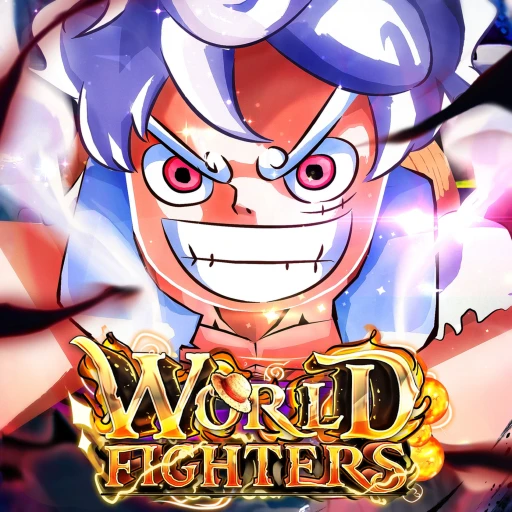
Roblox players looking for combat-focused action in 2026 keep landing on the same two games. World Fighters throws you into a vibrant anime arena where you collect, train, and battle with iconic-style fighters across PvP and PvE modes. Dungeon Hunters takes you underground into dark, sprawling dungeons where loot, gear upgrades, and boss fights drive every decision you make. One channels the energy of anime showdowns. The other channels the thrill of kicking open a dungeon door and hoping the loot on the other side is worth the fight.
World Fighters, developed by StarX Inc, launched on April 13, 2026, and has already attracted over 45,000 concurrent players -- a strong opening week for any Roblox experience. The anime fighting simulator genre has proven to be one of the most reliable player magnets on the platform, and World Fighters arrived with enough polish to hold onto that early momentum. Dungeon Hunters has been building its community for longer, maintaining a consistent 40,000+ player base by doubling down on what dungeon crawler fans actually want: gear treadmills, challenging bosses, and the dopamine hit of a legendary drop.
This comparison covers every category that matters -- gameplay, progression, visuals, trading, game passes, community, mobile performance, and replay value -- so you can decide which one deserves your time this month.
World Fighters vs Dungeon Hunters -- Quick Stats (2026)
| Category | World Fighters | Dungeon Hunters |
|---|---|---|
| Genre | Anime fighting simulator | Dungeon crawler RPG |
| Place ID | 95630541662383 | -- |
| Developer | StarX Inc | -- |
| Concurrent Players | 45,000+ | 40,000+ |
| Release | April 13, 2026 | -- |
| Core Loop | Collect fighters, train, PvP/PvE battles | Clear dungeons, loot gear, upgrade, fight bosses |
| Key Game Passes | Auto-Train 299R, 2x Luck 199R, VIP Server 99R, Infinite Storage 399R | 2x Drops 249R, Extra Slot 199R, VIP 399R |
| Trading | Yes (fighter trading) | Yes (gear trading) |
| Mobile-Friendly | Yes | Yes |
| Free-to-Play | Yes | Yes |
Gameplay -- What Do You Actually Do?
World Fighters
World Fighters builds its entire experience around collecting anime-inspired fighters and putting them to work. You start with a basic roster and expand it through a gacha-style summoning system that pulls from a pool of fighters organized by rarity tiers. Common fighters fill your early lineup, but the chase is always pointed at the ultra-rare and legendary characters that carry abilities strong enough to reshape how you approach combat.
Training is where the time commitment lives. Each fighter gains experience through battles and dedicated training sessions, and higher-level fighters unlock new abilities and stat thresholds that make them viable in tougher content. The Auto-Train game pass exists for a reason -- manually overseeing training for a large roster becomes tedious without it. Players who enjoy optimization will find depth in choosing which fighters to invest in, which to bench, and which to trade away for something better.
Combat spans two modes. PvE sends you through staged encounters against AI opponents that scale in difficulty, rewarding you with currency, materials, and occasionally new fighters. PvP is where the real stakes live -- matching your trained roster against another player's lineup in head-to-head battles where team composition, fighter levels, and ability timing determine the winner. The PvP meta shifts as players discover which fighters synergize best, and that evolving strategic layer is what keeps competitive players engaged beyond the initial collection rush.
Dungeon Hunters
Dungeon Hunters strips away the collection mechanics and replaces them with raw action. You pick a character, grab a weapon, and enter a dungeon. What happens next depends on how well you fight. Each dungeon is a gauntlet of enemy encounters, trap-filled corridors, and mini-bosses that gate your progress toward a final boss at the end. The difficulty scales with the dungeon tier, and higher tiers drop better gear -- the fundamental loop that has driven dungeon crawlers since the genre was invented.
Gear is the backbone. Every piece of equipment you find has randomized stats, rarity levels, and sometimes unique passive effects that change how your character handles combat. A fire-enchanted sword plays differently from a frost axe, and a pair of boots with a dodge-speed bonus changes your approach to boss fights. The gear grind is the point -- running the same dungeon multiple times hoping for that one drop with the right stat combination is either deeply satisfying or deeply frustrating depending on your relationship with RNG.
Boss fights are the highlight. Each dungeon tier caps off with a boss that demands pattern recognition, positioning, and gear checks that force you to actually earn your rewards. Early bosses teach you the basics -- dodge the telegraphed attack, punish during the recovery window, manage your health consumables. Later bosses stack multiple mechanics simultaneously, requiring you to track projectile patterns, environmental hazards, and timed damage phases while keeping your character alive. Players who clear the hardest content have genuinely earned it through skill and preparation.
Edge: Dungeon Hunters for mechanical skill expression and moment-to-moment combat engagement. World Fighters for strategic depth through collection and team-building. Dungeon Hunters gives you direct control over your success through reflexes and decision-making in real time. World Fighters gives you control through preparation, roster management, and long-term investment in the right fighters.
Progression -- How Does Each Game Keep You Playing?
World Fighters
World Fighters runs on two parallel progression tracks. The first is fighter collection -- summoning new characters, discovering rare pulls, and filling out your roster with fighters that cover different combat roles and elemental types. Every summon carries the potential for a game-changing pull, and that anticipation keeps the gacha loop sticky. The second track is fighter development -- leveling, evolving, and upgrading individual fighters until they reach their full potential.
The combination creates a progression system with both short-term and long-term hooks. In the short term, every play session can yield a new summon or enough experience to push a fighter past a meaningful level threshold. In the long term, building a fully optimized PvP team with maxed-out fighters takes weeks or months of focused investment. The 2x Luck pass doubles your odds during summons, and Infinite Storage removes the cap on how many fighters you can hold -- both passes that accelerate progression without breaking it.
Events and limited-time banners add urgency. When a rare fighter is only available for a weekend, players who have been stockpiling summoning currency get rewarded for their patience. This creates natural rhythms of saving and spending that give structure to the otherwise open-ended collection grind.
Dungeon Hunters
Dungeon Hunters takes a more vertical approach. Instead of collecting characters, you are building one character upward through increasingly powerful gear. Each dungeon tier represents a gear threshold -- you need equipment from tier three to survive tier four, and tier four drops are required to approach tier five. The result is a staircase of clear, measurable power gains that give you concrete goals to work toward.
Character upgrades extend beyond gear. Experience points from dungeon clears raise your character's base stats, and skill points unlock or enhance abilities that expand your combat toolkit. The Extra Slot pass adds another character slot, letting you maintain separate builds for different dungeon types -- a melee-focused tank for close-quarters dungeons, a ranged damage dealer for boss-rush content.
The progression curve is well-paced for the first twenty or thirty hours, with regular gear upgrades and noticeable power jumps. After that, the curve flattens as you chase marginal improvements -- a piece of armor with two percent more defense, a weapon with a slightly better enchantment roll. This is standard for the genre, and players who enjoy the optimization endgame will find plenty to chase. Players who need bigger jumps to stay motivated may feel the plateau harder.
Edge: World Fighters. The dual-track progression of collecting and developing fighters provides more variety in how you measure growth. Dungeon Hunters' gear treadmill is satisfying but follows a single axis, and the late-game plateau is a known challenge for dungeon crawlers. World Fighters keeps multiple forms of progress running simultaneously, which means there is always something meaningful to work toward even when one track slows down.
Graphics and Presentation
World Fighters
World Fighters leans into the anime aesthetic with bright colors, exaggerated attack animations, and character designs that reference popular anime archetypes without directly copying them. Ability effects are flashy -- screen-filling energy blasts, dramatic combo finishers, and elemental particle effects that make each fighter feel distinct in combat. The UI is clean and readable, with fighter stats, rarity indicators, and battle information laid out in a way that does not overwhelm the screen on any device.
The arena environments serve their purpose without standing out. Training grounds, battle arenas, and the summoning interface are functional and visually coherent, but they are not pushing the boundaries of what Roblox can do. The emphasis is clearly on making fighters look and feel cool during combat rather than creating immersive world spaces. For the genre, that is the right priority -- you are here for the fighters, and the fighters look good.
Dungeon Hunters
Dungeon Hunters invests its visual budget into atmosphere. Dungeon environments range from torch-lit stone corridors to flooded underground caverns to volcanic chambers glowing with molten rock. Each dungeon tier has a distinct visual identity that communicates its difficulty and theme before you encounter the first enemy. Lighting plays a major role -- shadows shift as you move through corridors, boss arenas use dramatic lighting changes to signal phase transitions, and the overall darkness creates tension that brighter games cannot match.
Gear is visually represented on your character, which is a meaningful touch. Swapping from a basic iron sword to a glowing enchanted blade shows up immediately on your avatar, and high-tier armor sets have distinct silhouettes that let experienced players identify another player's approximate gear level at a glance. This visual feedback loop reinforces the gear grind -- you can see your progress every time you look at your character.
Edge: Dungeon Hunters. The atmospheric dungeon design and visual gear progression create a more immersive visual experience. World Fighters has strong character animation and flashy combat effects, but Dungeon Hunters builds entire environments that serve the gameplay and storytelling simultaneously. When you walk into a boss room and the lighting shifts, you feel it.
Trading Systems
World Fighters
Fighter trading in World Fighters adds a player-driven economy layer that transforms how you approach collection. Instead of relying entirely on summoning luck, you can trade fighters directly with other players. Pulled a duplicate legendary? Trade it for the one you actually need. Sitting on a rare fighter you do not use? Someone in the trading hub will want it. The trading system turns every summon into potential value, even when the pull itself is not what you were hoping for.
The market that develops around fighter trading is part of the metagame. Certain fighters gain or lose trade value based on PvP meta shifts, new content releases, and community perception. Players who understand these dynamics can build stronger rosters faster than pure gacha luck would allow. The Infinite Storage pass becomes more valuable in a trading context because holding more fighters means holding more potential trade assets.
Dungeon Hunters
Gear trading in Dungeon Hunters follows a similar philosophy applied to different stakes. Equipment that drops for you might be worthless for your build but perfect for someone else's. Trading allows gear to flow toward the players who need it most, reducing the raw RNG burden that makes dungeon crawlers frustrating for some players. A tank player who keeps finding high-damage ranged weapons can trade those to a ranged specialist in exchange for the defensive gear they actually need.
The gear trading economy is naturally self-regulating because supply depends on drop rates and demand depends on what builds are popular. When a new dungeon tier drops with a new gear set, the old tier's equipment floods the market and becomes easier to acquire for players still progressing through earlier content. This creates a trickle-down effect where endgame players indirectly help mid-game players gear up faster.
Edge: Draw. Both trading systems serve their games well. World Fighters' fighter trading adds strategic depth to collection. Dungeon Hunters' gear trading smooths out the RNG of loot-driven progression. Neither system is objectively better -- they each solve the right problem for their respective game design.
Game Passes and Monetization
World Fighters
World Fighters offers four primary game passes, each targeting a different aspect of the grind. Auto-Train (299 Robux) automates the fighter training process, freeing you from the manual repetition of leveling up each fighter individually. For players managing large rosters, this is close to essential. 2x Luck (199 Robux) doubles your chances of pulling rare fighters during summoning, directly accelerating the collection side of progression. VIP Server (99 Robux) gives you a private server for uninterrupted farming and training. Infinite Storage (399 Robux) removes the fighter inventory cap, letting you stockpile without making painful decisions about who to release.
The pricing is reasonable for the Roblox market, and no single pass creates a hard advantage in PvP -- a free player with smart investments in the right fighters can compete with someone who bought every pass but made poor roster decisions. The passes reduce friction rather than selling power, which is the right approach for a game with PvP at its core.
Dungeon Hunters
Dungeon Hunters keeps its pass lineup tighter. 2x Drops (249 Robux) doubles your loot drops from dungeon clears, cutting the gear grind roughly in half. Extra Slot (199 Robux) adds another character slot for maintaining alternate builds. VIP (399 Robux) bundles cosmetic perks, a chat badge, and minor convenience features into a premium membership that signals commitment without breaking balance.
The total cost to buy everything in Dungeon Hunters is 847 Robux. In World Fighters, the total is 996 Robux. Both are well within what Roblox players typically expect to spend on a game they are committed to, and neither game requires any spending to access its full content. The difference is structural -- World Fighters spreads its value across more passes, while Dungeon Hunters concentrates value into fewer, broader options.
Edge: World Fighters for pass variety and the standout value of Auto-Train, which solves a genuine pain point that no Dungeon Hunters pass addresses for its equivalent grind. Dungeon Hunters' passes are solid but more conventional. Auto-Train is the kind of quality-of-life improvement that makes you wonder how you played without it.
Community and Player Base
World Fighters
World Fighters tapped into one of Roblox's most active communities from day one. Anime fighting simulator fans are vocal, engaged, and constantly producing tier lists, summoning showcases, and PvP highlight reels. The game's first week generated a wave of content creator coverage that fueled its rapid climb to 45,000+ concurrent players. The PvP element drives competitive discussion -- debates about fighter rankings, team compositions, and meta shifts keep the community active between updates.
The trading system amplifies community interaction. Trading hubs become social spaces where players negotiate, show off rare fighters, and build reputations as reliable traders. This organic social layer is something that purely PvE games struggle to replicate, and it gives World Fighters a community depth that extends beyond just playing the game.
Dungeon Hunters
Dungeon Hunters' community centers on cooperative play and shared knowledge. Dungeon guides, boss strategy breakdowns, and gear optimization spreadsheets form the backbone of community content. Players help each other through difficult content, share farming routes, and debate which gear combinations produce the best results for specific dungeon tiers. The cooperative nature of the game fosters a community tone that is more collaborative than competitive.
Content creators find natural storytelling in Dungeon Hunters' format. A difficult boss fight, a lucky legendary drop, or a clutch team save all create moments that translate well to video content. The community is smaller than World Fighters' but tends toward deeper engagement -- players who stick with Dungeon Hunters tend to stick for a long time and contribute meaningfully to community knowledge bases.
Edge: World Fighters for raw community size and the social energy that comes from PvP competition and active trading. Dungeon Hunters has a deeply engaged community, but World Fighters' anime-genre appeal and competitive elements generate more visible activity across platforms.
Mobile Experience
World Fighters
World Fighters works well on mobile. The combat system relies on ability buttons rather than precision aiming, which means touchscreen controls do not create a meaningful disadvantage. Training and collection management are menu-driven activities that work identically across all devices. Auto-Train makes mobile play even smoother by handling the repetitive leveling tasks that would be tedious to manage through touch input. PvP on mobile is viable because ability timing matters more than aim precision -- you are choosing when to use attacks, not where to point them.
Dungeon Hunters
Dungeon Hunters is playable on mobile but the experience is noticeably different from desktop. Dungeon navigation requires real-time movement through enemy-filled spaces where positioning matters, and dodging boss attacks on a touchscreen is harder than with keyboard and mouse. Casual dungeon runs feel fine on mobile, but pushing into higher-tier content where split-second dodges determine survival becomes frustrating without physical controls. Mobile players can still enjoy the core gameplay, but the skill ceiling is effectively lower on touch devices.
Edge: World Fighters. The ability-button combat system and menu-heavy management elements translate cleanly to mobile without compromising the experience. Dungeon Hunters asks for real-time precision that touchscreens handle less gracefully, particularly in the content that matters most.
Replay Value -- Will You Still Play Next Month?
World Fighters
World Fighters has strong retention mechanics baked into its design. The gacha system means there are always more fighters to collect, and the PvP meta shifts ensure that your team composition is never permanently "solved." Limited-time banners create urgency. Trading keeps the economy dynamic. New fighters change the balance in ways that reward players who stay current and adapt their strategies. The game is less than a week old as of this writing, but the genre it operates in has a proven track record of long-term player retention on Roblox when developers maintain a steady update cadence.
The risk is content velocity. Anime fighting simulators live and die by their update pipeline. New fighters, new abilities, new PvP seasons, and new PvE content need to arrive regularly or the collection grind loses meaning. StarX Inc has not yet had to prove they can maintain that pace, and the first few months will determine whether World Fighters sustains its launch momentum or fades as the initial excitement wears off.
Dungeon Hunters
Dungeon Hunters benefits from a deeper gameplay well. The skill-based combat means that even when you have top-tier gear, there is always room to improve your execution. New dungeon tiers extend the gear chase. Boss fights require genuine mastery that keeps them engaging even on repeat clears. The cooperative element adds social replay value -- running dungeons with different groups produces different experiences because team dynamics change the flow of combat.
The gear plateau remains a concern. Once you have best-in-slot equipment for your current tier, motivation depends entirely on whether the next tier arrives before boredom sets in. Dungeon Hunters has managed this well so far by spacing tier releases at intervals that give players time to farm without overstaying. But the treadmill needs to keep moving, and any extended content drought would hit harder here than in a game with PvP to fill the gaps.
Edge: Dungeon Hunters for established replay infrastructure and skill-based depth that rewards continued play. World Fighters has strong theoretical retention through gacha and PvP, but it has not yet proven that retention in practice. Dungeon Hunters has already demonstrated it can hold 40,000+ players consistently, which is the most convincing evidence of replay value there is.
Earning Potential -- Free Robux While You Play
Both World Fighters and Dungeon Hunters pair naturally with Earnaldo for earning free Robux alongside your play sessions. World Fighters has built-in downtime during training cycles and between PvP matches that creates natural windows for completing earning tasks. The Auto-Train pass amplifies this -- while your fighters train automatically, you have dedicated idle time to focus on Earnaldo offers without missing anything in-game.
Dungeon Hunters offers breaks between dungeon runs while you manage inventory, upgrade gear, and decide which dungeon to tackle next. These gear-management sessions are low-intensity periods where your attention is partially free, making them ideal for checking Earnaldo progress or starting a new task. During cooperative runs, natural pauses between rooms and before boss encounters also provide brief windows.
For game-specific strategies on maximizing your Robux earnings, check our dedicated guides: World Fighters free Robux guide and Dungeon Hunters free Robux guide. Stay updated with the latest working codes: World Fighters codes | Dungeon Hunters codes.
Earn Free Robux for World Fighters or Dungeon Hunters
Complete simple tasks on Earnaldo and withdraw real Robux -- no downloads, no generators, no scams.
Head-to-Head Verdict -- World Fighters vs Dungeon Hunters in 2026
The Verdict
Choose World Fighters if you love anime-style collection games, enjoy PvP competition, and want a game where team-building strategy matters as much as in-game execution. The gacha system, fighter trading, and evolving PvP meta create a progression loop with multiple hooks that reward different play styles. With 45,000+ players in its first week and the full weight of the anime fighting simulator genre behind it, World Fighters has the foundation to become a long-term staple. Best for players who enjoy collecting, trading, and competitive ranked battles.
Choose Dungeon Hunters if you want combat that tests your actual skill, a gear progression system with tangible power gains, and cooperative gameplay that rewards teamwork and coordination. The dungeon crawler format gives every session a clear objective and a satisfying payoff when the loot drops land. A proven 40,000+ player base demonstrates that the game has staying power beyond its launch window. Best for players who enjoy action RPGs, loot-driven progression, and earning their victories through reflexes and preparation.
Overall winner: Draw. These games serve fundamentally different appetites. World Fighters is a strategy-collection game where success comes from building the right roster and making smart investments over time. Dungeon Hunters is an action-skill game where success comes from executing well in real time under pressure. Picking one over the other depends entirely on whether you would rather build a team or be the team. Both are well-made, both are fair to free players, and both are worth your time. Play whichever one matches how you want to spend your sessions -- or play both and let your mood decide on any given day.
Who Should Play What?
- You love anime and collecting characters: World Fighters. The gacha system and fighter roster are built for collection-driven players.
- You want combat that tests your reflexes: Dungeon Hunters. Boss fights and dungeon runs demand real-time skill that collection games cannot replicate.
- You play mostly on mobile: World Fighters. Ability-button combat and menu management translate cleanly to touchscreens.
- You enjoy co-op with friends: Dungeon Hunters. Clearing dungeons together and sharing loot creates strong cooperative bonds.
- You want an active trading economy: Both. Fighter trading and gear trading are both well-implemented and add depth to their respective games.
- You want to minimize grinding: World Fighters with Auto-Train. The pass handles the most repetitive part of progression automatically.
- You prefer PvP competition: World Fighters. The ranked PvP system and meta discussions give competitive players something to optimize.
- You want to earn Robux while playing: Both pair well with Earnaldo. World Fighters has more idle windows. Dungeon Hunters has natural breaks between runs.
Frequently Asked Questions
World Fighters currently leads with 45,000+ concurrent players compared to Dungeon Hunters' 40,000+. World Fighters launched on April 13, 2026, and gained traction quickly thanks to the massive anime fighting simulator audience on Roblox. Dungeon Hunters has been on the platform longer and maintains a loyal daily player base. Both games sit firmly in the top tier of their genres.
Both games are fully playable without spending Robux. World Fighters lets free players collect and train fighters through normal gameplay, though the grind for top-tier units takes longer without passes like Auto-Train or 2x Luck. Dungeon Hunters gives free players access to every dungeon and boss, with gear drops based purely on RNG and skill rather than spending. Neither game locks core content behind paywalls.
Yes, both games feature player-to-player trading. World Fighters lets you trade fighters directly with other players, which means you can acquire rare anime characters without relying entirely on gacha luck. Dungeon Hunters supports gear trading, allowing you to swap weapons, armor, and accessories. Both trading systems add a player-driven economy layer that keeps the community active beyond grinding.
Yes, both games are fully playable on mobile through the Roblox app on iOS and Android. World Fighters translates well to touchscreens since combat relies on ability buttons and auto-battle features that do not demand precise aiming. Dungeon Hunters works on mobile but dungeon navigation and real-time boss dodging can be more challenging without a mouse or controller, especially in higher-difficulty content.
Yes. Both games release codes periodically for free in-game rewards including currency, boosts, and rare items. Check our regularly updated code pages for the latest: World Fighters codes and Dungeon Hunters codes. New codes typically drop during updates, milestones, and special events.
It depends on what you value. World Fighters offers Auto-Train (299R), 2x Luck (199R), VIP Server (99R), and Infinite Storage (399R) -- passes that reduce grind and improve collection efficiency. Dungeon Hunters offers 2x Drops (249R), Extra Slot (199R), and VIP (399R) -- passes that speed up gear acquisition and add convenience. Both sets are fairly priced and none create pay-to-win advantages.