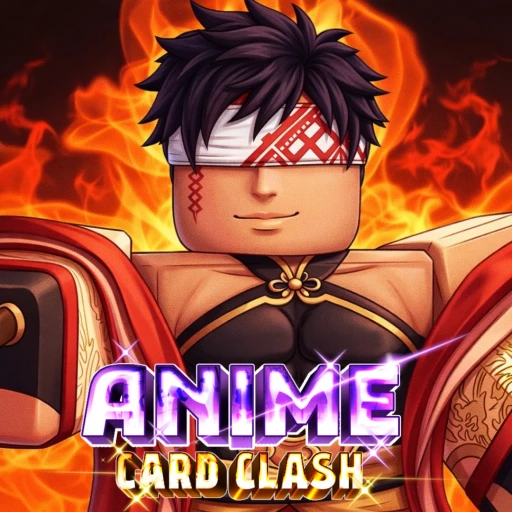
Anime Card Clash Roblox — Guides, Codes & Tips (2026)
Anime Card Clash from RNG Lab has carved out a massive following on Roblox, surpassing 381 million visits and holding a roughly 90% approval rating among players. The game fuses collectible card mechanics with anime-inspired battling, creating a gacha-driven experience that rewards both smart deck building and well-timed plays. This hub page collects every guide, code list, and comparison article we have published for Anime Card Clash so you can find what you need in one place.
At its core, Anime Card Clash is a card battler with deep gacha roots. You pull cards from rotating banners, each featuring characters drawn from well-known anime properties, then assemble a deck that balances offensive power, defensive utility, and special abilities. Matches play out in real time against AI opponents or other players, and the order in which you deploy your cards matters just as much as the cards themselves. A well-constructed deck with lower-rarity cards can outperform a collection of legendaries if the synergy is right and the timing is sharp.
RNG Lab keeps the game moving with frequent banner rotations and event-exclusive cards that shake up the meta on a regular cycle. Limited-time challenges push you to build decks around specific themes or restrictions, which forces you to explore parts of your collection that might otherwise gather dust. The trading system between players adds another dimension, turning duplicate pulls into opportunities rather than wasted resources.
Whether you just discovered Anime Card Clash or you have been grinding banner pulls since launch, the articles linked below cover the topics that matter most. We keep each piece updated as new patches and events roll out, so bookmark this page and check back regularly.
💸 Playing Anime Card Clash? Get paid for it
Codes come and go — earning is forever. Earnaldo pays you real Robux for playing Roblox games and finishing simple tasks. Free to join, no human verification, cash out from your very first point.
Earn Robux instead →Quick Stats
All Anime Card Clash Guides & Articles
Tap any card below to jump straight to the full article. Each piece is kept current with the latest game changes so you always have accurate information at hand.
Anime Card Clash Update June 2026 — Magic Knights
Update 8.0 adds Black Clover content with new Battle Towers, Nightmare Modes, PVP leaderboards, and 3 new codes.
UpdateAnime Card Clash Update May 2026 — Dragon Tyrant Global Boss & Season 5
Update 6.9 adds the Dragon Tyrant Global Boss, Battlepass Season 5, Monkey Deity card, and new craftable gear.
UpdateAnime Card Clash Update April 2026 — Demon Invasion & New Cards
UPD 6.6 adds the Demon Invasion mode with Holy Knights, two new ultra-rare cards (Commandment of Love & King of Chaos), and Battle Tower ban list changes.
GuideAnime Card Clash Tier List (2026) — Best Cards Ranked
Every attacker and support card ranked from SS to C tier. Awakened Eclipseborn Hawk, Black Slime, and the full meta breakdown.
UpdateAnime Card Clash Update March 2026 — Anniversary Part 1 & Fireworks
UPD 6.5 brings the Fireworks system, 6 new Heavenly Moon cards, updated potions, and a global rewards track for the anniversary event.
GuideAnime Card Clash Free Robux Guide (2026)
Step-by-step walkthrough for earning free Robux while playing Anime Card Clash. Covers Earnaldo tasks, watch-to-earn options, and referral bonuses you can put toward banner pulls and game passes.
CodesAnime Card Clash Codes (July 2026)
Every active and expired promo code for Anime Card Clash compiled in one regularly updated list. Includes redemption steps and a breakdown of what each code rewards.
ComparisonAnime Card Clash vs Anime Vanguards (2026)
A detailed side-by-side look at two anime-themed Roblox games with different gameplay philosophies. Find out which one fits your preferences for collection, strategy, and long-term progression.
GuideAnime Card Clash Best Cards (2026)
Top 10 attacker cards ranked from SS to A tier, plus the best support cards and packs to open.
GuideAnime Card Clash Beginner Guide (2026)
Your first 30 minutes, upgrade priorities, pack saving strategy, and the 10 mistakes every new player makes.
Earn Free Robux on Earnaldo
Complete quick tasks, watch videos, and refer friends to earn Robux you can spend on Anime Card Clash banner pulls, game passes, and any other Roblox game. No downloads required.
Why Play Anime Card Clash?
Card battlers on Roblox tend to lean heavily on simple tap-to-attack mechanics, but Anime Card Clash sets itself apart by layering meaningful decisions into every match. Your hand is drawn from a pre-built deck, and the order in which cards appear introduces a controlled randomness that keeps battles from feeling scripted. Adapting your play based on what you draw, rather than executing a memorized sequence, is the skill gap that separates casual players from competitive ones.
The gacha system fuels the collectible side of the experience without making it feel predatory. Free pulls accumulate through daily logins, event completions, and code redemptions, giving players who do not spend Robux a realistic path to building a competitive roster over time. Banner pity systems guarantee high-rarity pulls after a set number of attempts, which takes some of the sting out of unlucky streaks and keeps the grind feeling purposeful rather than hopeless.
Deck building in Anime Card Clash goes well beyond stacking your five strongest cards. Each card belongs to a faction and element type, and matching these correctly triggers passive bonuses that can swing a close match. A full synergy deck built around a single element will activate damage multipliers and defensive shields that a mixed collection of individually stronger cards cannot replicate. Learning these interactions is where the strategic depth lives, and it rewards players who study the system rather than just chasing the newest banner.
PvP matchmaking adds a competitive layer that the PvE content alone cannot provide. Ranked seasons reset on a monthly cycle, pushing players to refine their decks and adapt to shifting metas as new cards enter the pool. Climbing the ladder rewards exclusive card backs, profile frames, and limited-edition cards that serve as both status symbols and functional gameplay pieces. The reward structure gives competitive players a concrete reason to engage beyond personal satisfaction.
RNG Lab has built a solid reputation for responding to community feedback. Balance patches address overpowered cards within days of community reporting rather than weeks, and the development roadmap is shared publicly so players know what content is coming next. That transparency has helped Anime Card Clash maintain its strong approval rating even as the Roblox anime game space has become increasingly crowded throughout 2025 and into 2026.
Building Your Collection
New players often wonder where to focus their early pulls, and the answer depends on whether you plan to prioritize PvE progression or PvP competition. For PvE, investing in a balanced deck with at least one strong healer and two reliable damage dealers will carry you through the story campaign and most event challenges without hitting a wall. PvP demands a tighter focus on burst damage and disruption, since matches are decided quickly and drawn-out defensive strategies rarely hold up against optimized aggro decks.
Trading with other players opens up collection strategies that pure gacha pulling cannot match. If you pull a duplicate legendary that does not fit your main deck archetype, listing it on the trade board can net you a card that does. The trade economy fluctuates with banner releases, so timing your trades around new card announcements can yield significant value if you pay attention to market patterns.
Event-exclusive cards deserve special attention because they do not return to the standard banner pool once their event ends. These limited cards often carry unique abilities that standard cards cannot replicate, and owning them gives you deck-building options that other players simply do not have access to. Prioritizing event completion over standard banner pulling during active events is almost always the right call, especially when the event rewards include cards with strong faction synergies.
Card evolution is the other major progression lever. Feeding duplicate copies of a card into the original raises its star level, boosting base stats and sometimes unlocking additional ability effects. This system means that even common and uncommon cards can become surprisingly powerful if you invest enough copies into them, which gives free-to-play players a viable path to competitive viability without relying entirely on legendary pulls.
We will continue expanding this hub as Anime Card Clash receives new updates and events. If there is a specific topic or strategy breakdown you want to see covered, drop a suggestion in our Discord server and we will work it into our content schedule.