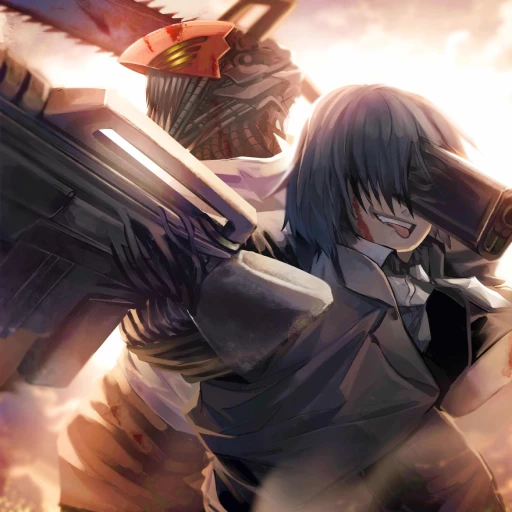
Devil Hunter vs Jujutsu Shenanigans (2026) — Which Roblox Game Is Better?
Two of the most talked-about anime games on Roblox right now draw from two of the biggest manga franchises in the world. Devil Hunter brings the brutal, fast-paced world of Chainsaw Man into an open-world RPG format, while Jujutsu Shenanigans recreates the cursed-energy combat of Jujutsu Kaisen with jaw-dropping destruction physics. Both games pull in massive crowds, both offer deep combat systems, and both are free to play. But they approach the anime-game formula from completely different angles.
This guide puts Devil Hunter and Jujutsu Shenanigans side by side across every category that matters: gameplay loop, combat depth, progression systems, graphics, community size, monetization, and long-term replay value. By the end, you will know exactly which game deserves your time in 2026.
Quick Stats: Devil Hunter vs Jujutsu Shenanigans at a Glance
| Category | Devil Hunter | Jujutsu Shenanigans |
|---|---|---|
| Anime Source | Chainsaw Man | Jujutsu Kaisen |
| Genre | Open-World RPG (PvP + PvE) | Arena Fighting Game |
| Developer | ShhConceited | Gamer Robot |
| Roblox Place ID | 131079272918660 | 9391468976 |
| Launch | January 2026 | 2023 (ongoing updates) |
| Peak Concurrent | Growing (newer title) | 150,000+ |
| Talent/Ability System | 12 Fiend Talents | 20+ Cursed Techniques |
| Environment | Open world exploration | Destructible arenas |
| Price | Free to play | Free to play |
Gameplay Loop and Core Design
Devil Hunter: Open-World RPG Meets Chainsaw Man
Devil Hunter drops you into a sprawling urban map inspired by the dark, gritty Tokyo of the Chainsaw Man universe. The game runs on a hybrid PvP and PvE loop. You start as a fledgling devil hunter, pick up contracts from NPCs scattered across the map, and track down increasingly dangerous fiends roaming the city streets and back alleys. Killing fiends earns experience, currency, and materials that feed directly into your progression.
The open-world format sets Devil Hunter apart from many Roblox anime titles. Rather than funneling you through linear stages, the game lets you explore freely. You might stumble into a high-level devil encounter while wandering an abandoned subway tunnel, or find a hidden merchant selling rare upgrade scrolls behind a chain-link fence. Exploration actually rewards curiosity here, which keeps sessions feeling unpredictable.
PvP happens organically in the open world or through dedicated arenas. You can challenge other players for ranking points, but you can also be jumped during a PvE run if you wander into a contested zone. That constant tension between hunting devils and watching your back adds a layer of intensity that pure PvE games lack.
Jujutsu Shenanigans: Pure Fighting Game Energy
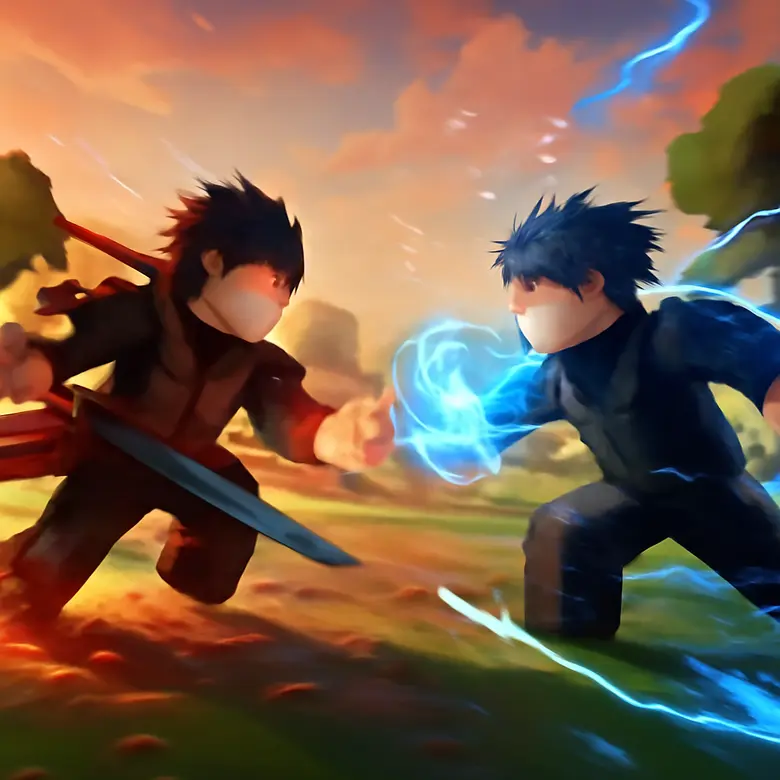
Jujutsu Shenanigans takes a fundamentally different approach. This is a fighting game at its core, built around tight 1v1 and team-based combat in enclosed arenas. You pick a character with a specific cursed technique, load into a match, and try to outplay your opponent through combos, spacing, timing, and resource management.
The star feature is destruction physics. Land a Domain Expansion or a fully charged heavy attack, and the arena around you crumbles. Walls shatter into chunks, floors crack open, pillars topple, and dust clouds fill the screen. This is not cosmetic damage. The broken terrain changes sightlines, creates new movement paths, and can even trap opponents under rubble. It transforms every fight into something that feels like a genuine anime battle sequence.
Matches are short and explosive, usually lasting between two and five minutes. The fast turnaround means you can grind dozens of fights in a single session, learn matchups quickly, and feel tangible improvement in your skills over a relatively short period.
Edge: Gameplay Loop
Devil Hunter wins for players who want a long-form RPG experience with exploration and progression. Jujutsu Shenanigans wins for players who want immediate, skill-based action with no downtime. Your preference depends entirely on whether you favor open-world immersion or competitive fighting.
Combat Systems Compared
Devil Hunter: Fiend Talents and Build Variety
Devil Hunter features 12 Fiend Talents, each representing a different devil power drawn from the Chainsaw Man universe. These talents define your playstyle completely. Some focus on raw melee damage with chainsaw-style attacks, others grant ranged abilities modeled after gun-devil powers, and a few specialize in crowd control or defensive techniques tied to more obscure fiends from the manga.
The talent system allows for meaningful build diversity. You allocate stat points across categories like strength, speed, durability, and devil affinity, and different talent trees benefit from different stat distributions. A player running a chainsaw-focused melee build plays nothing like someone who invested in long-range blood manipulation. This creates real identity within your character and encourages experimentation across multiple save slots.
Combat itself blends hack-and-slash action with dodge-based positioning. Boss fights against high-tier devils demand pattern recognition and stamina management. You cannot brute-force your way through endgame PvE content without understanding your talent's strengths and weaknesses, which gives the combat a satisfying skill ceiling despite the RPG framework.
Jujutsu Shenanigans: Cursed Techniques and Frame Data
Jujutsu Shenanigans has over 20 cursed techniques available, each faithfully recreating abilities from the Jujutsu Kaisen anime. Gojo's Infinity creates a defensive barrier that blocks incoming attacks until broken. Sukuna's Cleave and Dismantle offer devastating close-range slashes. Mahito's Idle Transfiguration warps the opponent's hit state. Each technique has its own set of moves, combo routes, and ultimate abilities.
The fighting system operates on frame data. Attacks have startup frames, active frames, and recovery frames. Learning which moves are safe on block, which can be punished, and which create true combo links is essential at higher ranks. This gives the game a depth that competitive fighting game fans will appreciate immediately.
Guard breaks, parries, and clash mechanics add another layer. Two players launching heavy attacks at the same time can trigger a clash sequence where both mash inputs to overpower the other. It sounds simple, but the timing windows are tight and the risk-reward balance keeps high-level matches tense from start to finish.
Edge: Combat
Jujutsu Shenanigans takes this category. Its fighting system is deeper, more technically demanding, and better suited for players who want mastery-based progression. Devil Hunter's combat is solid within its RPG context, but it was designed to serve a broader gameplay loop rather than stand alone as a competitive system.
Progression and Grinding
Devil Hunter uses a traditional RPG progression model. You earn experience from killing devils, completing contracts, and finishing storyline quests. Leveling up grants stat points and unlocks new abilities within your chosen Fiend Talent tree. There are also equipment drops, upgrade materials, and rare items that only drop from specific endgame bosses.
The grind in Devil Hunter is substantial. Reaching max level and fully upgrading a single talent build takes dozens of hours. Adding in the time needed to farm rare drops and optimize your gear pushes the total commitment into triple digits for completionists. This is the kind of game that rewards daily play sessions and long-term investment.
Jujutsu Shenanigans handles progression differently. Since it is a fighting game, your character does not level up in the traditional sense. Instead, you unlock new cursed techniques through gameplay milestones, earn cosmetic rewards through ranked play, and accumulate in-game currency for spins on the technique gacha system. Your real progression is skill-based. You get better by learning matchups, practicing combos, and understanding frame advantage.
The ranked ladder in Jujutsu Shenanigans provides the competitive progression hook. Climbing ranks feels meaningful because it reflects genuine improvement rather than time spent grinding mobs. Seasonal resets keep the ladder fresh and give returning players something to chase each month.
Edge: Progression
Devil Hunter wins for players who enjoy RPG grinding, gear chasing, and stat optimization. Jujutsu Shenanigans wins for players who measure progress through skill improvement and competitive rank. Neither approach is objectively better. They appeal to different types of players.
Graphics, Art Direction, and Performance
Devil Hunter leans into a dark, atmospheric art style that mirrors the Chainsaw Man aesthetic. The open world features rain-soaked streets, neon-lit alleyways, and dim underground areas where the lighting does most of the heavy lifting. Character models are detailed for a Roblox game, and the devil designs range from unsettling to genuinely impressive. The overall tone is moody and mature, which fits the source material well.
Performance on lower-end devices can be inconsistent. The open-world nature of the game means your device is constantly loading new assets as you move through the map. Players on mobile or older PCs may notice frame drops in crowded areas or during large-scale boss fights with multiple particle effects on screen.
Jujutsu Shenanigans takes a flashier approach. The destruction physics are the visual centerpiece, and the developers clearly invested heavily in making them look spectacular. Cursed techniques produce screen-filling effects with color-coded energy blasts, distortion waves, and impact particles. Domain Expansions transform the entire arena into a stylized pocket dimension that recreates the anime's most iconic moments.
Because Jujutsu Shenanigans uses enclosed arenas rather than an open world, it can push visual fidelity harder within a smaller space. Frame rates tend to be more stable, and the destruction effects rarely cause significant stuttering even on mid-range hardware. The trade-off is that you are always fighting in a box, which limits environmental variety compared to Devil Hunter's open map.
Edge: Graphics
Jujutsu Shenanigans wins on visual spectacle and performance stability. Devil Hunter wins on atmosphere and environmental variety. If you want fights that look incredible, pick Jujutsu Shenanigans. If you want a world that feels lived-in and immersive, pick Devil Hunter.
Community, Player Count, and Longevity
Jujutsu Shenanigans has the established advantage here. With peaks above 150,000 concurrent players and years of active development behind it, the game has built a massive community. Discord servers, YouTube content creators, and competitive tournament scenes all orbit around the game. Finding a match takes seconds at any time of day, and the developer team has a proven track record of consistent updates.
Devil Hunter launched in January 2026 and is still in its growth phase. The Chainsaw Man IP gives it strong drawing power, and player counts have been climbing steadily since launch. Developer ShhConceited has been responsive to community feedback, pushing out balance patches and content drops at a solid pace. The game's long-term trajectory looks promising, but it has not yet reached the scale or stability of Jujutsu Shenanigans.
For longevity, Jujutsu Shenanigans benefits from its competitive fighting game structure. As long as the developers keep adding new techniques and balancing existing ones, the game can sustain its playerbase indefinitely. Devil Hunter's longevity depends on content expansion. Open-world RPGs need new zones, new bosses, new talent trees, and new storylines to keep players engaged over months and years. The foundation is strong, but the content pipeline will determine whether the game thrives or plateaus.
Edge: Community and Longevity
Jujutsu Shenanigans wins on current community size and proven staying power. Devil Hunter has strong potential but needs more time to prove its long-term viability. If you want a thriving community right now, Jujutsu Shenanigans is the safer bet.
Monetization and Game Passes
Both games are free to play and allow you to experience their full core content without spending Robux. The monetization differences come down to what the optional purchases actually offer.
Devil Hunter sells game passes that boost experience gain, increase drop rates for rare items, and unlock cosmetic skins for your character and weapons. Some passes provide quality-of-life improvements like expanded inventory slots or faster travel across the open world. None of these purchases give paying players a direct combat advantage over free players in PvP, though the accelerated progression does mean paying players reach endgame faster.
Jujutsu Shenanigans monetizes primarily through its technique spin system and cosmetic bundles. You earn free spins through gameplay, but purchasing additional spins with Robux speeds up the process of unlocking the specific cursed technique you want. Cosmetic items include character skins, aura effects, and victory animations. The competitive integrity of ranked play remains intact because purchased items do not affect damage values or frame data.
If you want to pick up game passes or spins without spending real money, platforms like Earnaldo let you earn free Robux by completing tasks. Check out our guides for earning free Robux for Devil Hunter and earning free Robux for Jujutsu Shenanigans for step-by-step walkthroughs.
Edge: Monetization
This is a draw. Both games keep their free-to-play experience fair and avoid pay-to-win mechanics. The monetization models are different in structure but equal in integrity. Neither game punishes you for playing without spending.
Who Should Play Devil Hunter?
Devil Hunter is built for players who want a long-form RPG grind wrapped in the Chainsaw Man universe. If you enjoy exploring an open world, building out a character through stat allocation and gear optimization, and fighting progressively harder PvE bosses, this game delivers on all of those fronts. The 12 Fiend Talents give you enough build variety to experiment across multiple playthroughs, and the PvP layer adds stakes to the open-world experience.
It is also the right pick for anyone who considers themselves a Chainsaw Man fan first. The game captures the dark, chaotic energy of the manga in a way that feels authentic rather than surface-level. If you have read the manga or watched the anime and want to inhabit that world on Roblox, Devil Hunter is currently the best option available.
Who Should Play Jujutsu Shenanigans?
Jujutsu Shenanigans is for players who want a skill-based competitive experience with spectacular presentation. If you enjoy fighting games, if you like labbing combos, if you want to climb a ranked ladder and measure your growth against other players, this is one of the strongest options on Roblox. The destruction physics are not a gimmick. They fundamentally change how fights play out and make every match feel unique.
It is also the better choice for players with limited time. Because matches are short, you can get a satisfying session in 20 or 30 minutes. There is no need to commit hours to a single play session to make meaningful progress. You log in, fight, improve, and log out. That accessibility keeps the game sticky without demanding your entire afternoon.
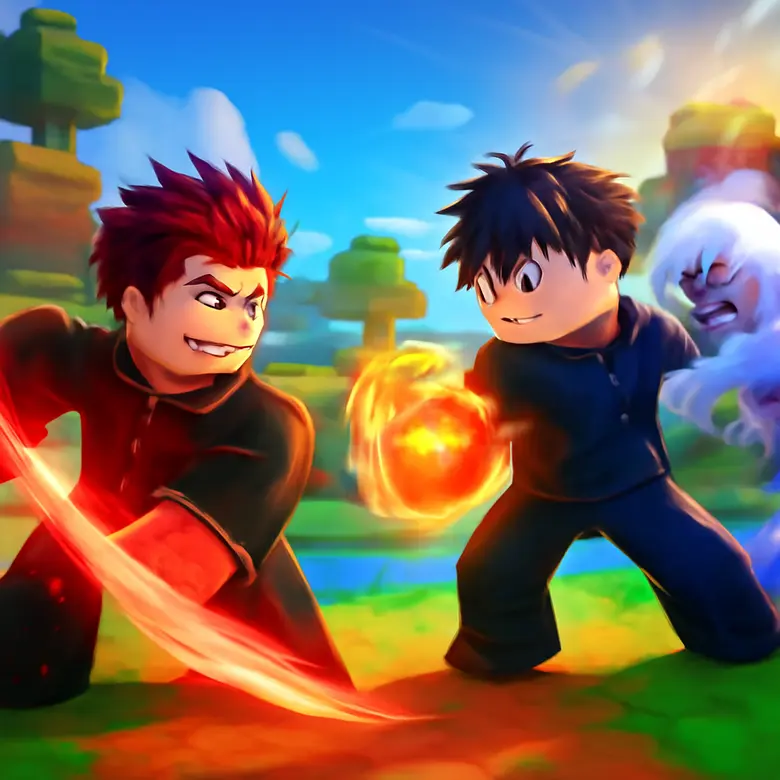
Final Verdict: Devil Hunter vs Jujutsu Shenanigans
| Category | Winner |
|---|---|
| Gameplay Loop | Tie (different genres) |
| Combat Depth | Jujutsu Shenanigans |
| Progression | Devil Hunter (RPG grind) |
| Graphics / Spectacle | Jujutsu Shenanigans |
| Atmosphere | Devil Hunter |
| Community Size | Jujutsu Shenanigans |
| Monetization Fairness | Tie |
| Replay Value | Jujutsu Shenanigans |
Overall Verdict
Jujutsu Shenanigans is the more polished and established game in April 2026. Its fighting system is tight, its community is massive, and its destruction physics give it a visual identity that nothing else on Roblox can match. It earns the edge for most players looking for an anime action game right now.
That said, Devil Hunter should not be overlooked. It offers something Jujutsu Shenanigans does not: a full open-world RPG experience with meaningful exploration, build crafting, and a darker narrative tone. For Chainsaw Man fans and RPG enthusiasts, Devil Hunter delivers a compelling experience that will only get better as the developers expand its content. Keep an eye on this one throughout 2026.
Earn Free Robux for Both Games
Want game passes for Devil Hunter or extra spins in Jujutsu Shenanigans? Earn free Robux through Earnaldo and spend it on whichever game you choose.
Frequently Asked Questions
Jujutsu Shenanigans is the stronger PvP game overall. Its entire design revolves around 1v1 and team-based fighting with tight hit detection, combo chains, and destruction physics that make every fight feel cinematic. Devil Hunter does include PvP arenas, but combat is tuned more toward PvE encounters and open-world boss fights. If competitive fighting is your top priority, Jujutsu Shenanigans delivers a more polished experience.
Jujutsu Shenanigans holds the larger playerbase by a significant margin. It regularly exceeds 150,000 concurrent players and has accumulated billions of total visits since its launch. Devil Hunter is a newer title that launched in January 2026 and is still building its community. Player counts are growing steadily, but it has not yet reached the same scale as Jujutsu Shenanigans.
Yes, both games are completely free to play on Roblox. You can access all core gameplay in either title without spending Robux. Both offer optional game passes and in-game purchases that can speed up progression or unlock cosmetic items, but neither game locks essential content behind a paywall.
Devil Hunter takes heavy inspiration from the Chainsaw Man anime and manga. The game features Fiend Talents that mirror devil powers from the series, an open-world map that reflects the urban setting of the show, and PvE encounters against devil-themed enemies. While it does not follow the exact plot of Chainsaw Man episode by episode, fans of the series will recognize the characters, abilities, and atmosphere throughout the game.
The standout feature is its destruction physics system. When you land a heavy attack or ultimate move, the environment around you actually breaks apart. Walls crumble, floors crack, and debris scatters across the arena. This level of environmental interaction is rare on Roblox and gives fights a weight and spectacle that most anime games on the platform cannot match. Combined with faithful recreations of Jujutsu Kaisen cursed techniques, it creates one of the most visually impressive fighting experiences available.
Yes. Platforms like Earnaldo let you complete simple tasks such as surveys, app downloads, and offer walls to earn points that convert directly into Robux gift cards. You can then use those Robux on game passes, spins, or cosmetics in either Devil Hunter or Jujutsu Shenanigans without spending real money out of pocket.